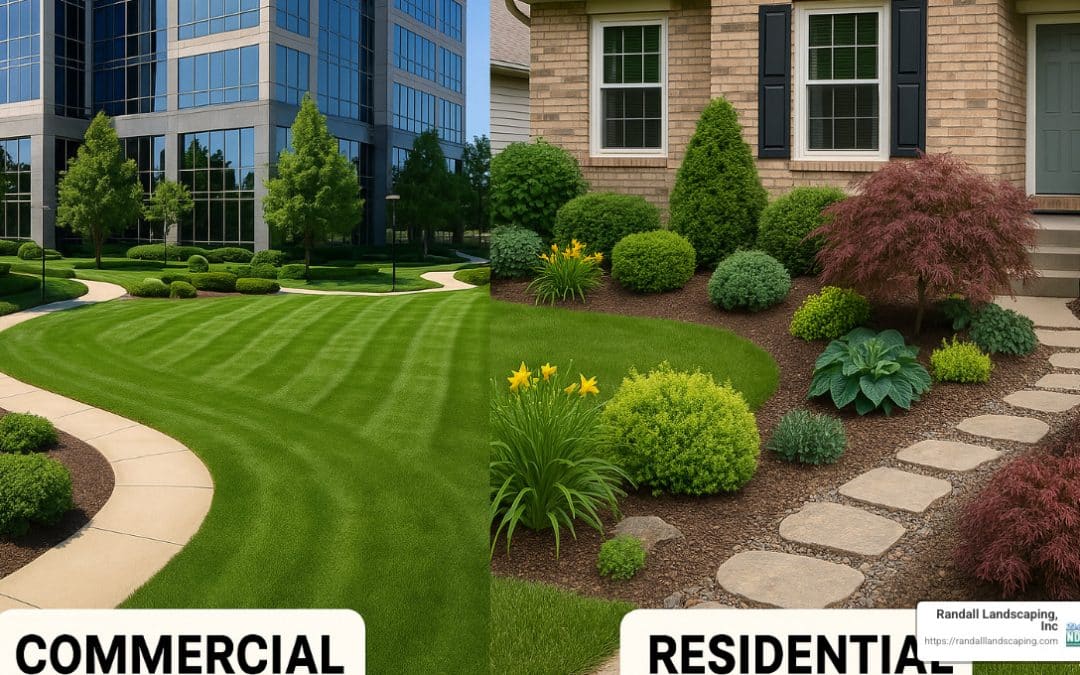
Understanding Commercial and Residential Landscaping Differences
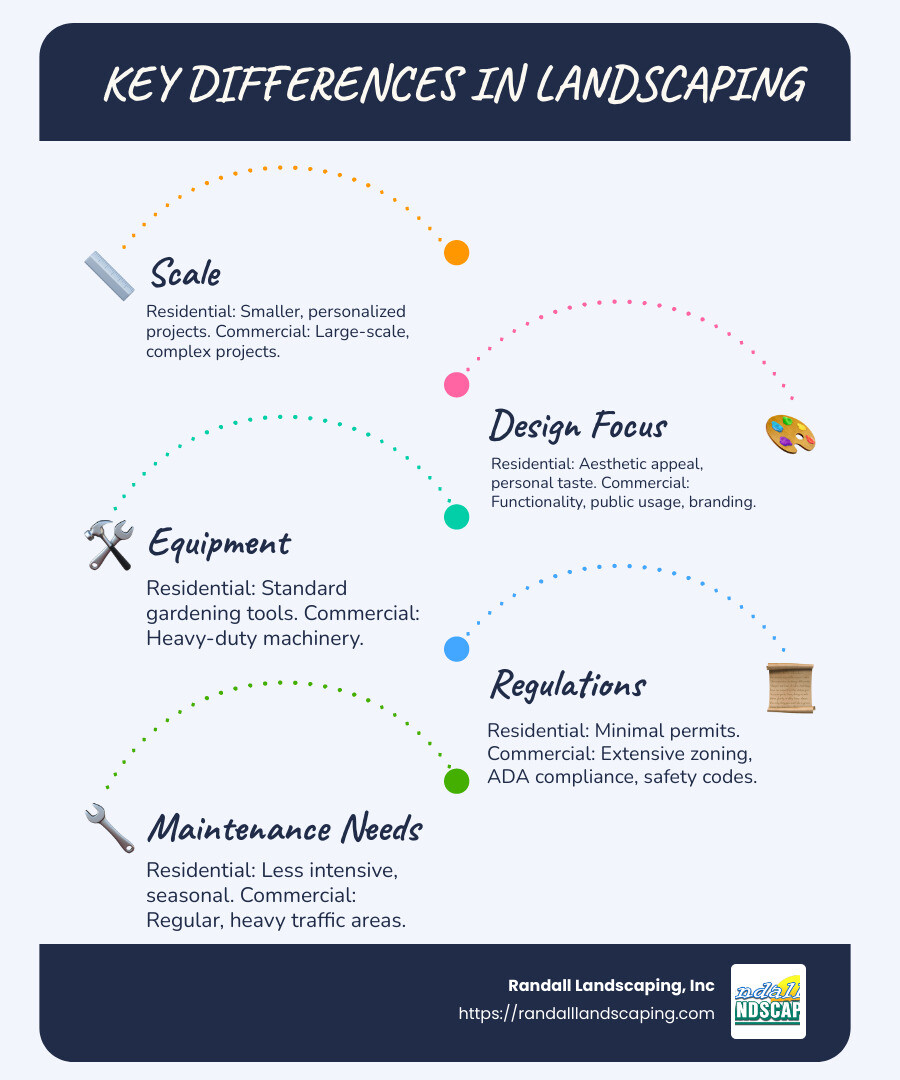
If you’re weighing your options between commercial and residential landscaping, the most critical differences are:
| Factor | Residential Landscaping | Commercial Landscaping |
|---|---|---|
| Scale | Smaller, personalized projects | Large-scale, complex projects |
| Design Focus | Aesthetic appeal, personal taste | Functionality, public usage, branding |
| Equipment | Standard gardening tools | Heavy-duty machinery |
| Regulations | Minimal permits | Extensive zoning, ADA compliance, safety codes |
| Maintenance Needs | Less intensive, seasonal | Regular, heavy traffic areas |
Whether you’re a homeowner looking to create a serene backyard oasis or a business owner aiming to leave a memorable first impression, knowing these differences helps you make smart landscaping decisions.
I’m Tommy Randall, and I’ve spent the last 18 years running Randall Landscaping Business, designing and maintaining countless commercial and residential landscaping projects across Massachusetts and New Hampshire. Let’s dig deeper into how these two types of landscaping differ, so you can pick the right option for your property.
Commercial and residential landscaping terms made easy:
– commercial landscape maintenance services
– commercial lawn care
– what is commercial landscaping
What is Residential Landscaping?
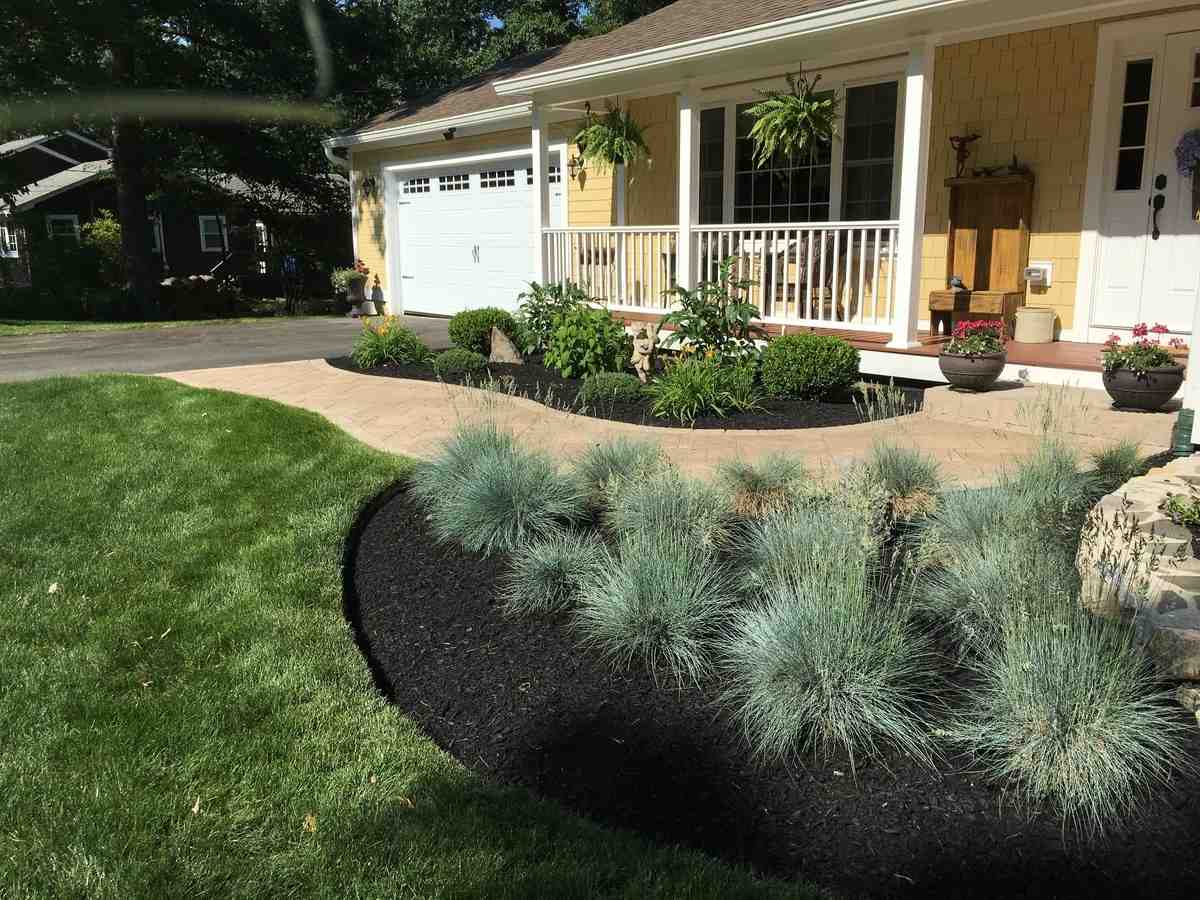
Residential landscaping is all about turning your home’s outdoor areas into beautiful, personal spaces that reflect who you are and how you live. While commercial and residential landscaping each have their unique goals, residential landscaping leans heavily on aesthetics, comfort, and personalization. It’s the chance for homeowners to create that cozy backyard getaway or the perfect garden spot to enjoy a morning coffee—basically, your own slice of paradise.
At Randall Landscaping, we’ve spent years designing and maintaining residential landscapes across the Merrimack Valley and Southern New Hampshire. Most homeowners we’ve partnered with want landscapes that complement their home’s style and provide comfortable outdoor spaces for relaxation and fun. The projects are typically smaller than commercial jobs, allowing us to dive deeper into the details and create exactly what homeowners envision.
Homeowners often prioritize personalized landscape design that matches their taste and lifestyle. This might mean lush flower gardens bursting with seasonal color, charming walkways, or a backyard cooking area perfect for summer gatherings. Aesthetic appeal is key—not only does a beautiful yard improve curb appeal, it also makes coming home each day a treat.
Comfort and privacy also play a huge role. Thoughtful landscaping can create cozy outdoor “rooms” ideal for relaxing, entertaining friends, or simply escaping from the hustle and bustle of daily life. Strategic plantings of trees, shrubs, and garden structures can offer privacy from nearby neighbors and roads.
Finally, residential landscaping plans are designed with long-term growth in mind. An expert landscaping team (like us, of course!) considers what plants will look like down the road, ensuring your yard stays beautiful season after season.
A professionally landscaped home isn’t just about looks, either—it’s a smart investment. Multiple real estate studies show a well-landscaped yard can boost property value by anywhere from 5% to 12%. Not bad, right?
Key Services in Residential Landscaping
When homeowners think about landscaping, several core services usually come to mind. Lawn care is one of the most popular—regular mowing, fertilizing, aerating, and weed control are essential for keeping lawns lush and healthy, especially with New England’s quirky and often unpredictable weather.
Creating a gorgeous yard means having the right plants in the right places. That’s why garden design and plant selection matter so much. From vibrant flower beds and ornamental shrubs to practical vegetable gardens, choosing plants suited for New England’s chilly winters and occasional dry spells makes all the difference.
Landscaping also usually includes practical elements like irrigation systems. Modern irrigation setups, including smart sprinkler controllers, help keep everything green and healthy without wasting water.
Beyond plants, hardscaping elements add character and function. Patios, walkways, retaining walls, and outdoor fireplaces can turn an ordinary yard into a favorite gathering spot. Similarly, outdoor living spaces like decks, fire pits, pergolas, and outdoor kitchens let homeowners extend their living areas into the great outdoors.
Finally, landscape lighting can transform a property after dark, adding safety, security, and a warm, welcoming atmosphere.
The costs of residential landscaping can vary widely depending on the scope and features. According to internet data, basic residential landscape installations typically start around $5,000, while large, luxury projects with extensive hardscaping or water features can easily reach $50,000 or more. Ongoing lawn and garden maintenance costs average between $1,000 to $8,000 annually, depending on yard size and how often services are provided. (These are general industry estimates based only on online sources and not actual pricing for Randall Landscaping services.)
Ready to explore possibilities for your home? Learn more about Residential Landscaping Services in Andover, MA.
What is Commercial Landscaping?
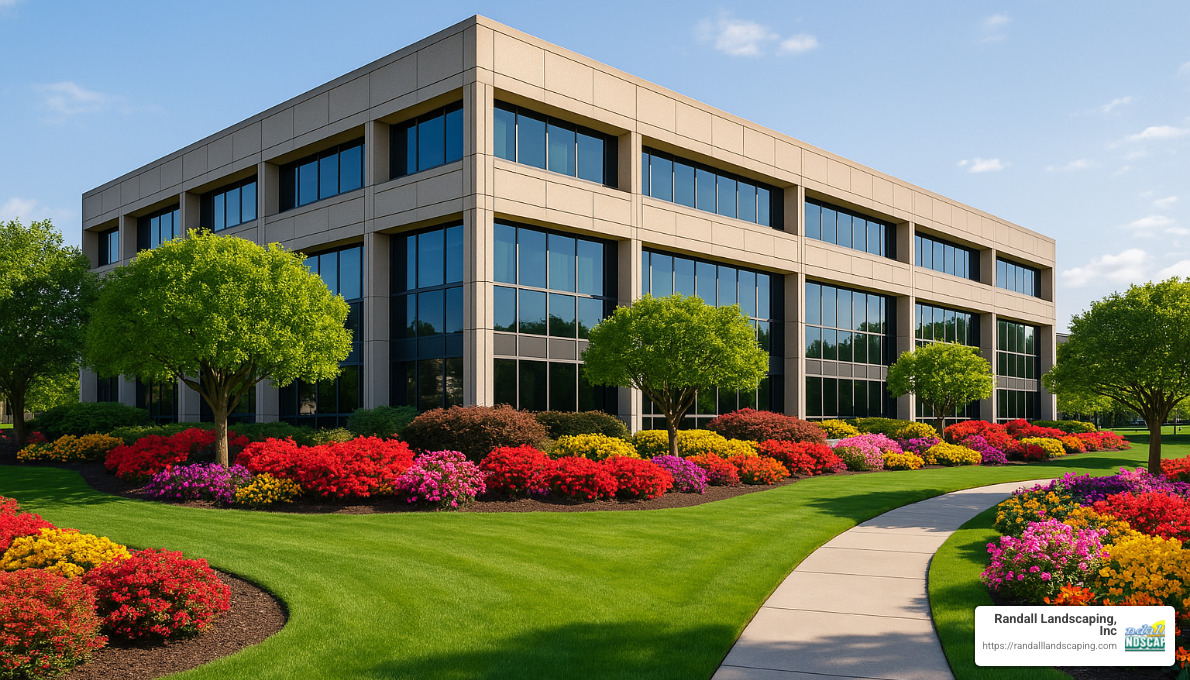
When you drive past a beautifully maintained office park or an impressive corporate headquarters, you’re witnessing commercial landscaping in action. Unlike the cozy backyard gardens of homes, commercial landscaping operates on a grander scale with different priorities and challenges.
I’ve seen how the right commercial landscape can transform a business property. As one of my clients once told me, “When your properties look good, we look good, and you look good.” That’s really what commercial landscaping boils down to – creating outdoor spaces that make businesses shine.
Commercial landscaping isn’t just about planting pretty flowers (though that’s certainly part of it!). It’s a strategic investment that serves multiple purposes. When done right, a commercial landscape becomes a silent ambassador for your brand, welcoming visitors before they even reach your door.
Business image improvement is at the heart of commercial landscaping. Think about it – when you visit a business with overgrown grass and neglected plantings, it subtly influences your perception of that company. Does this carelessness extend to their products or services? In contrast, a well-maintained landscape signals attention to detail and professionalism.
The scale of commercial projects typically dwarfs residential work. We’re often dealing with acres rather than square feet, managing sprawling campuses, extensive parking areas, and multiple buildings. This requires different planning approaches and equipment than your typical home garden project.
Functional design takes center stage in commercial work. While beauty matters, these spaces must work efficiently for large numbers of people. Pathways need to accommodate foot traffic, entrances should be clearly marked, and plant selections must be hardy enough to withstand public use.
Regulatory compliance adds another layer of complexity. Commercial landscapes must adhere to ADA accessibility requirements, local zoning codes, environmental regulations, and sometimes historical preservation guidelines. This regulatory maze requires expertise to steer successfully.
The investment value of commercial landscaping is substantial. Studies show that thoughtful landscaping can increase commercial property values by 7-14%. For retail environments, attractive landscaping can boost customer willingness to spend by up to 12% – numbers that translate directly to the bottom line.
Key Services in Commercial Landscaping
Commercial properties have unique needs that go beyond basic maintenance. In the Merrimack Valley and Southern New Hampshire, businesses face particular challenges from harsh winters to summer droughts that require specialized knowledge.
Landscape architecture forms the foundation of commercial projects. Professional designers create master plans that address complex site challenges while developing visually cohesive environments. These plans often include phased implementation, allowing businesses to spread costs over multiple budget cycles.
Accessibility compliance isn’t optional in commercial work – it’s essential. Every walkway, entrance, and outdoor space must accommodate people of all abilities. This means careful grading, appropriate widths for wheelchairs, and avoiding hazards that might cause trips or falls.
Working with commercial properties means thinking carefully about parking and traffic flow management. The landscape doesn’t just frame these areas – it actively guides vehicles and pedestrians, creating visual cues that improve safety and efficiency. Well-placed islands and plantings can transform a sea of asphalt into a more pleasant, organized environment.
Water management becomes critically important on larger properties. Commercial sites often require sophisticated irrigation systems, drainage solutions, and sometimes stormwater retention facilities to meet environmental regulations. These systems need to operate efficiently to conserve resources while keeping plants healthy.
The backbone of any commercial landscape program is routine maintenance. Regular mowing, pruning, fertilization, and seasonal cleanups keep everything looking professional year-round. For businesses, consistency matters – a landscape that looks great one week but neglected the next sends mixed messages about your brand.
In our New England climate, snow and ice management becomes a vital service during winter months. Clearing parking lots, walkways, and entrances isn’t just about convenience – it’s about safety and liability protection. Many of our commercial clients maintain year-round contracts specifically for this peace of mind.
Seasonal color programs help businesses stay fresh and vibrant throughout the year. Rotating flower displays can reflect seasonal changes or even incorporate brand colors for a cohesive marketing approach. These programs require planning and regular installation but deliver significant visual impact.
Mature trees represent significant assets on commercial properties, making professional tree care essential. Regular assessments, pruning, and sometimes specialized treatments protect these investments and ensure safety for people and property below.
Commercial landscaping represents a significant investment. Initial installation projects typically range from $10,000 for smaller properties to $500,000 or more for extensive corporate campuses. Annual maintenance contracts might run from $5,000 to $100,000 depending on property size and service frequency. These figures represent industry averages based on internet data, not actual costs for Randall Landscaping services.
As one industry expert perfectly summarized, “Commercial landscaping is not just about aesthetics; it is an investment that creates functional, welcoming environments that impact customer perceptions.” After nearly two decades in this business, I couldn’t agree more. The right commercial landscape doesn’t just look good – it works hard for your business every single day.
More info about Commercial Landscaping Services in North Andover, MA
Comparing Commercial and Residential Landscaping
When you’re trying to decide on the best landscaping approach for your property, it’s helpful to look closely at commercial and residential landscaping side by side. Each has unique aspects that can significantly impact your decisions about designing and maintaining your outdoor spaces. Let’s explore those key differences clearly and simply.
Scale of Work
One of the biggest things separating commercial from residential landscaping is simply how large the projects are. Residential landscaping usually involves smaller areas—often less than an acre—where homeowners focus more on personalized details and intimate spaces. These projects can typically be completed in days or weeks, depending on how ambitious the design is.
On the flip side, commercial landscaping projects cover much larger areas and often require detailed planning across several acres. These larger-scale projects can last weeks, months, or even be carried out in phases over multiple years.
As one of our customers recently shared after switching from residential to commercial property management:
“I never realized how much more coordination is involved in commercial landscaping. What used to be a simple decision now involves multiple stakeholders and much more planning.”
Equipment
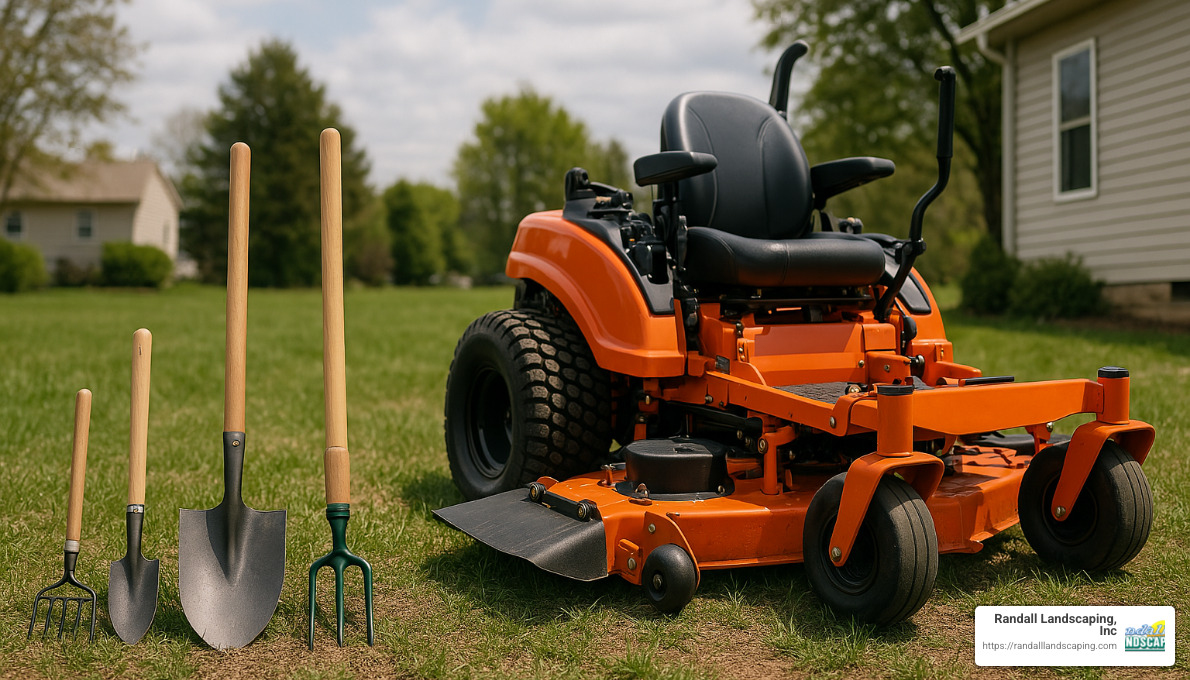
The equipment used in commercial and residential landscaping is another important difference. Residential landscaping often relies on smaller, versatile tools like push mowers, handheld trimmers, and compact tractors. These tools are perfect for precision details and navigating tight backyard spaces.
On the other hand, commercial projects demand heavy-duty, commercial-grade equipment—like large ride-on mowers, skid steers, backhoes, and specialized vehicles. This equipment is designed for efficiency, durability, and handling extensive landscaping projects with ease. At Randall Landscaping, Inc., we maintain separate fleets of equipment for residential and commercial projects to ensure every job gets the right tools for the best results.
Expertise Required
The skillsets and landscaping knowledge needed also differ between residential and commercial projects. Residential landscaping experts understand homeowners’ preferences, ornamental horticulture, and how to create cozy outdoor spaces for relaxation and entertaining. They focus heavily on aesthetic appeal and personalized touches to reflect each homeowner’s personality.
Commercial landscaping, in contrast, requires specialized knowledge about large-scale planning, regulatory compliance (such as accessibility and stormwater management), and creating functional yet attractive environments. Commercial landscapers balance beauty with durability, maintenance efficiency, and practical functionality.
Regulations and Permits
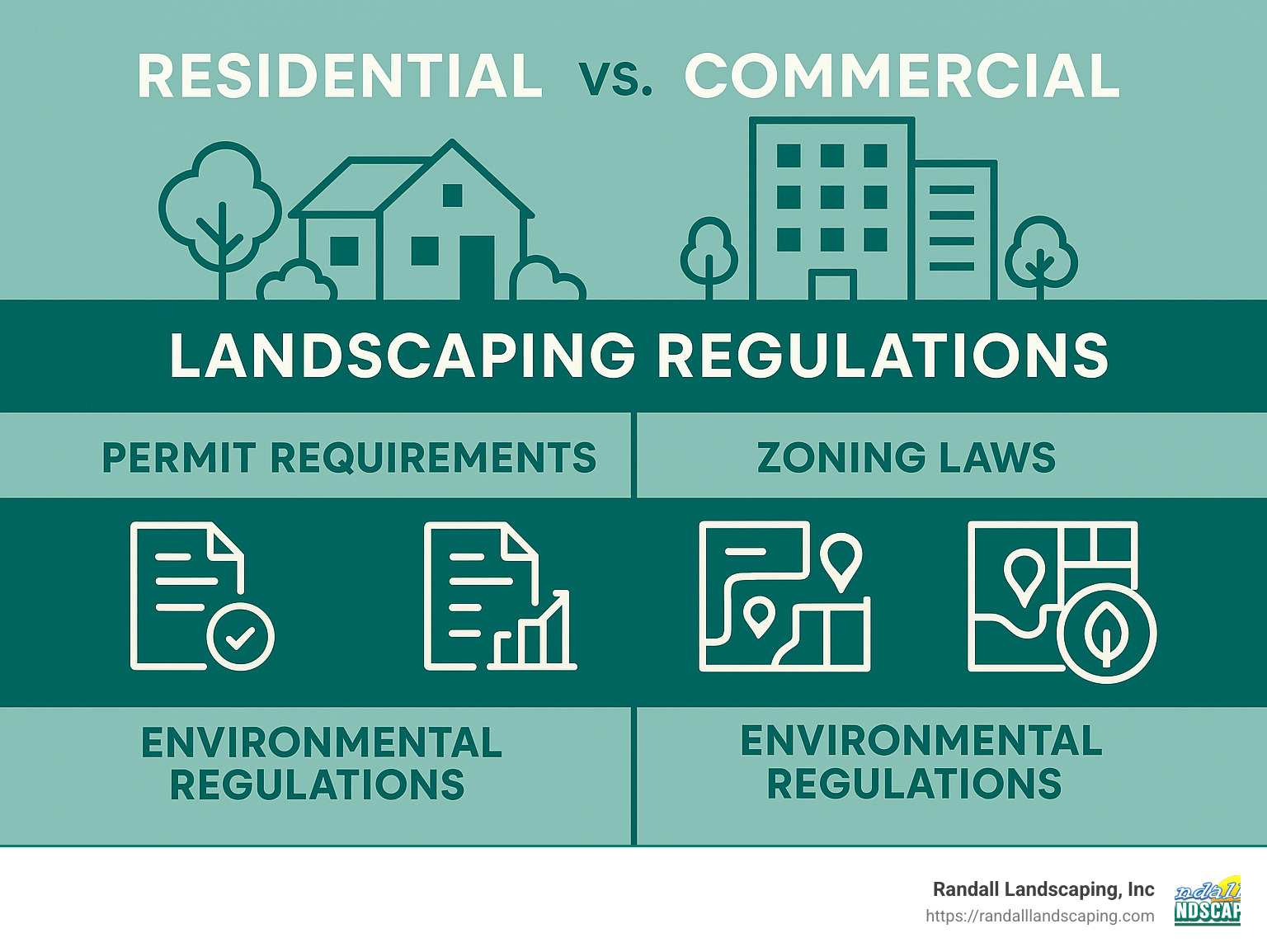
Perhaps the most overlooked difference between commercial and residential landscaping is the regulatory landscape (pun definitely intended!). For residential landscaping, permits and rules are generally simpler—though homeowner associations sometimes have guidelines. Usually, residential permits focus on structures like decking or sheds, proper drainage, or tree removal.
Commercial landscaping faces much more complex regulatory requirements. These include zoning laws, ADA accessibility standards, environmental regulations, stormwater management plans, and sometimes even historical preservation guidelines. As one industry expert notes,
“Commercial landscapes must adhere to more complex local regulations and codes compared to residential landscapes.”
Here in the Merrimack Valley and Southern New Hampshire, we’ve certainly noticed regulations becoming more detailed for both sectors. But commercial projects continue to deal with far more stringent guidelines and compliance requirements.
Maintenance Demands
Ongoing maintenance requirements are another significant difference between residential and commercial landscapes. With residential landscaping, maintenance can often be seasonal, flexible, and even enjoyable for homeowners who like gardening. There’s typically more wiggle room with scheduling and how things look throughout the year.
Commercial landscaping maintenance, however, must be consistent year-round. Commercial properties can’t afford “off-days”—they must stay professional-looking and well-kept at all times, even during heavy traffic or harsh weather. As a commercial property manager in North Andover once explained to us:
“With our office park, we can’t afford to have an ‘off’ season. The property needs to look professional every single day, regardless of weather or season.”
Key Differences in Commercial and Residential Landscaping
When comparing commercial and residential landscaping, some fundamental differences clearly emerge—project scope and design goals being primary among them.
For residential landscaping, the design scope usually involves a cohesive vision for a single property, custom precisely to the homeowner’s personal taste and lifestyle. It’s about creating spaces people love to spend time in—barbecuing, gardening, or lounging with family and friends.
Commercial landscaping projects, in comparison, often require phased implementation, budget prioritization, and servicing diverse areas like entrances, walkways, parking lots, and common spaces. Commercial design goals focus on creating functional, attractive environments that support a business’s brand image, efficiently handle pedestrian and vehicle traffic, and create inviting spaces for customers and employees alike.
At Randall Landscaping, we’ve built dedicated teams for each sector because the skills needed for crafting a luxurious backyard oasis in Andover are vastly different from managing a large corporate campus or retail plaza landscape in North Andover or Salem.
No matter which type of landscaping you need, it’s crucial to choose an experienced and reliable landscaping partner who understands these distinctions and can deliver outstanding results. (Psst—that’s us!)
Still curious about the differences between commercial and residential landscaping? Check out these related pages:
Expertise and Challenges in Commercial and Residential Landscaping
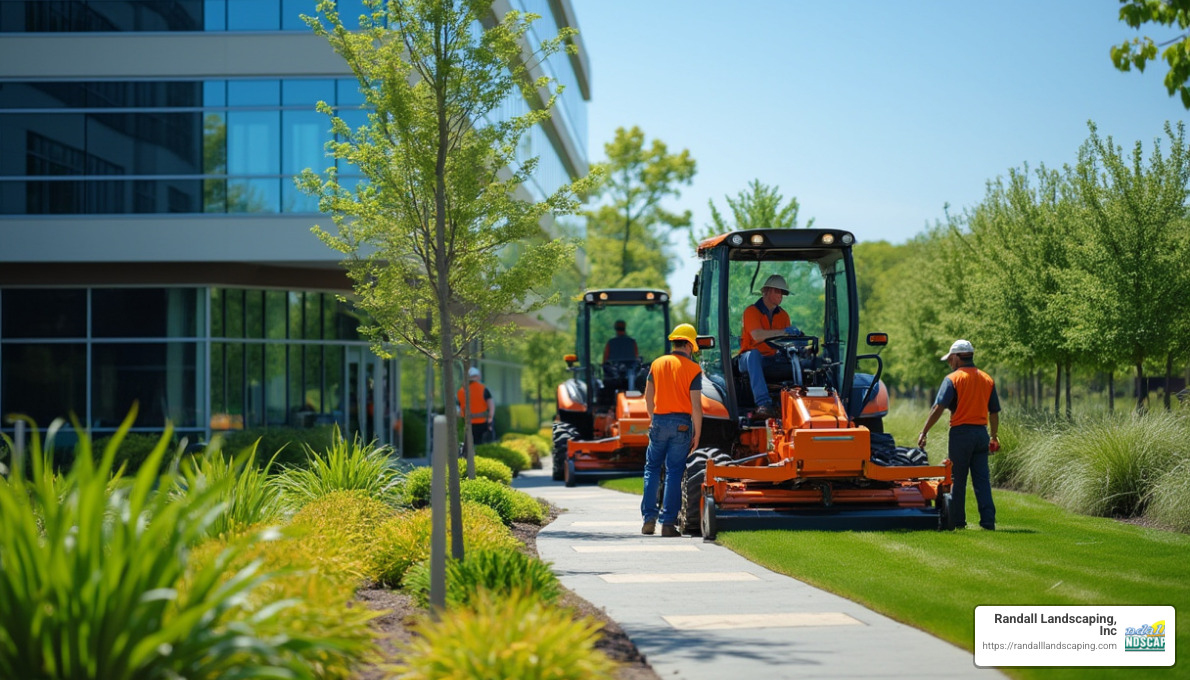
While commercial and residential landscaping each has unique requirements, both need a skilled approach to ensure a successful outcome. Understanding the specialized expertise and common challenges involved can help property owners appreciate the importance of hiring reliable landscaping professionals like Randall Landscaping.
Required Expertise
Creating beautiful, functional residential landscapes requires a personal touch and deep understanding of horticulture. Homeowners want outdoor spaces that reflect their personality and lifestyle. This means landscapers must have horticultural knowledge to select the right plants for New England’s climate and soil conditions. They also need strong design sensitivity, translating homeowners’ tastes and preferences into attractive, personalized outdoor living areas.
Since residential projects tend to be smaller in scale, landscapers must excel at small-scale technical skills, paying close attention to every detail—from carefully spacing plants to crafting intricate patios and walkways. A great residential landscaper also knows how to make the most out of each dollar, delivering beautiful results even with a limited budget.
Commercial landscaping, on the other hand, demands a broader skill set. Professionals in this area must expertly handle large-scale project management, coordinating teams and equipment across expansive properties. They need deep technical compliance knowledge, understanding complex regulations like zoning laws, environmental guidelines, and ADA accessibility requirements.
Additionally, commercial landscapers need strong business acumen to align landscape designs with company branding and business goals. They need a clear grasp of sustainable design practices to minimize maintenance costs and environmental impact over time. Finally, strict adherence to safety protocols ensures the well-being of employees, tenants, and visitors during landscaping projects.
Common Challenges
Residential landscaping projects often face budget constraints—homeowners have great ideas but limited funds available. With creative planning and thoughtful design, skilled landscapers can deliver gorgeous results without breaking the bank. Another frequent challenge is space limitations, especially in small or irregular yards. The best landscapers know how to maximize even the tightest spaces, creating cozy and inviting outdoor areas.
Landscapers also face the tricky task of balancing client desires with practicality. For example, homeowners might love the idea of lush, intricate gardens but underestimate the required ongoing maintenance. Professionals must explain realistic expectations clearly and patiently, helping homeowners make choices they’ll be happy with long-term. Landscapers also frequently encounter challenging existing conditions, such as established trees, underground utilities, or drainage issues, and must adapt their designs accordingly. Last but not least, dealing with unpredictable New England weather requires flexibility and quick thinking!
Commercial landscaping brings its own unique set of problems. Perhaps most challenging is stakeholder management. A commercial property may have multiple decision-makers—owners, property managers, tenants, and visitors—each with different priorities and expectations. Effective communication and careful coordination become essential in these scenarios.
Another major challenge is maintenance efficiency. Commercial properties need landscapes that stay attractive year-round with minimal downtime or disruption. Landscapers must carefully select low-maintenance plants and materials that deliver aesthetic appeal without excessive upkeep. Liability concerns also play a big role—commercial landscapers must be diligent in ensuring their designs don’t create safety hazards or accessibility issues. They must also demonstrate clear ROI, showing business owners exactly how landscaping investments positively impact property value and tenant satisfaction.
Investment Benefits
Investing in professional landscaping—residential or commercial—offers benefits that extend far beyond good looks. For homeowners, a well-designed landscape can significantly boost property values by 5-12% according to industry data. It can also lower energy bills, as well-placed trees and shrubs provide natural insulation. Most importantly, a personalized landscape creates additional living space outdoors, improving daily quality of life and mental well-being.
Commercial properties also reap impressive rewards from landscaping investments. A beautifully landscaped business projects professionalism and makes a memorable first impression, attracting more customers and increasing tenant satisfaction. Studies suggest that quality commercial landscaping can increase retail spending and extend customer visits. Plus, strategically placed greenery can reduce heating and cooling costs, supporting environmental responsibility while saving money. Simply put, quality landscaping makes good business sense.
Impact on Property Value
Careful landscaping directly boosts property value—both residential and commercial. Residential properties with thoughtfully designed landscapes typically fetch higher sale prices, increasing resale value by 5-12%. On the commercial side, attractive landscaping can lead to rental rates approximately 7% higher than similar properties with lackluster outdoor spaces. Office buildings with appealing landscapes tend to have higher occupancy rates, and retail spaces with inviting outdoor environments encourage customers to stay longer and spend more.
Check out the latest research on benefits of professional landscaping for more details on how landscaping improves property values and safety.
Overcoming Common Challenges in Commercial and Residential Landscaping
At Randall Landscaping, we’ve learned how to steer the unique challenges of commercial and residential landscaping successfully. One key is addressing regulations early in the process. For commercial projects, we start by thoroughly reviewing all local zoning laws and codes upfront, saving our clients from costly revisions later. For homeowners, we help steer HOA and local restrictions, ensuring designs meet all requirements smoothly.
Ensuring aesthetic and functional success begins with careful planning. We always perform comprehensive site analyses, considering soil quality, drainage patterns, sunlight exposure, and existing vegetation. Detailed design development follows, creating clear, scaled plans that achieve both beauty and practicality.
Choosing the right materials—plants, stonework, and structural elements—is crucial. We select materials specifically suited to each site’s climate and conditions, ensuring long-lasting performance. For larger projects, phased implementation helps clients manage budgets comfortably, allowing for gradual yet cohesive progress toward the final vision.
Finally, every Randall Landscaping project includes thoughtful maintenance planning. We develop realistic ongoing maintenance programs that keep landscapes looking beautiful year-round without becoming burdensome or overly costly.
As one of our commercial clients in Methuen recently told us with a smile, “Randall Landscaping anticipated potential problems we hadn’t even thought of. Their proactive planning saved us from expensive headaches down the road.” It’s moments like these that remind us why we love what we do!
Regulations and Permits in Commercial and Residential Landscaping
Navigating regulations and permits might not be the most glamorous part of commercial and residential landscaping, but it’s definitely one of the most important. Whether you’re planning a cozy backyard retreat or a sprawling commercial property, knowing the rules upfront can save you headaches—and unexpected costs—down the road.
Local Regulations
Local regulations set the ground rules for landscaping projects, and they differ considerably between residential and commercial landscapes.
For residential projects, regulations typically cover smaller details. You might run into zoning ordinances that limit fence heights, where you can build structures like sheds, or how much of your lot can be covered by hard surfaces. Tree removal can also require permits, especially if you’re dealing with mature trees. And here in the Merrimack Valley and Southern New Hampshire, water restrictions during dry seasons can affect new plantings and irrigation systems. If your home sits near wetlands or within a historical district, you’ll likely have additional rules to follow to protect environmental and historical integrity.
Commercial landscaping, on the other hand, involves navigating more complex regulations. Most commercial properties must go through a detailed site plan review process before breaking ground. You’ll need to consider parking lot requirements, including how many spaces you need and what kind of landscaping buffers must be in place. Stormwater management is also a big deal—local governments often require rain gardens, retention ponds, or special drainage solutions. Many communities also mandate minimum numbers and sizes of trees to keep commercial areas looking green and attractive. Additionally, visual screening of dumpsters, loading docks, and mechanical equipment is common practice and often mandatory.
As the saying goes, “Commercial projects must adhere to stringent requirements for accessibility, zoning, and safety.” Simply put, commercial landscapes have a lot more boxes to tick during planning and approval stages.
Zoning Laws
Both residential and commercial landscaping projects deal with zoning laws, but they affect each differently.
Residential zoning usually focuses on building setbacks (how close you can build to your property lines), what structures and uses are allowed, and sometimes aesthetic considerations such as fence styles or height restrictions.
Commercial zoning can get considerably trickier. In addition to setbacks, you’ll often need to meet landscape buffer requirements to separate parking areas from sidewalks and roads. Zoning can dictate signage placement, outdoor lighting styles and brightness, and even the ratio of green space to developed areas on your property. These rules are designed to create safer, more appealing commercial environments for everyone.
Here at Randall Landscaping, we’ve spent decades getting familiar with zoning details across all the communities we serve—from Lawrence up to Windham—to help our clients steer clear of compliance surprises.
Accessibility Codes
Accessibility is another key regulatory area, especially for commercial landscaping. Businesses are legally required to meet standards set by the Americans with Disabilities Act (ADA). This means designing paths and ramps with gentle slopes (usually no steeper than a 5% grade), ensuring pathways are a minimum of 36 inches wide, and using surface materials that are safe and stable for wheelchair access. Raised walkways also need proper edge protection.
Residential properties typically don’t face these stringent ADA requirements, unless you’re looking at multi-family housing. Still, many homeowners choose to incorporate accessible features voluntarily—it’s a smart way to future-proof your home and improve comfort for visitors and family members alike.
Permits
When it comes to permits, both residential and commercial properties have hoops to jump through—but commercial projects typically face more problems.
Residential permits usually revolve around basic structures and utilities. You’ll need a building permit for decks, patios, pergolas, and large retaining walls. Landscape lighting systems might require an electrical permit, and irrigation systems often need plumbing permits, especially if they include backflow preventers. If your property is near wetlands, you could also need approval from conservation commissions.
Commercial permits are more comprehensive. You’ll likely need full site plan approval from city planning boards, and landscape plans often have to be professionally prepared and stamped by licensed landscape architects. Stormwater permits from local or state authorities are often required, along with soil erosion and sediment control permits during construction. For larger commercial properties, you might even need traffic impact studies and environmental impact assessments to get the green light.
At Randall Landscaping, we don’t just leave you to tackle this maze of permits alone—we handle the entire permitting process for you. We make sure everything is in order, so your project moves forward smoothly (and legally!). After all, we’re landscapers—navigating red tape is second nature at this point.
Choosing the Right Commercial and Residential Landscaping Company

Choosing the right partner for your commercial and residential landscaping project is like picking the perfect pair of gardening gloves: the best fit makes everything easier, while the wrong choice can leave you uncomfortable and frustrated. The landscaping company you choose will shape your property’s beauty, functionality, and value for years to come—so it’s worth taking some extra time to get this decision right.
Factors to Consider
First, ensure the landscaping company you pick has proven experience in your specific type of project. A residential landscaping expert who designs stunning backyard retreats might not be the ideal choice for your large-scale commercial complex—and vice versa. At Randall Landscaping, Inc, we proudly handle both commercial and residential landscaping across Merrimack Valley and Southern New Hampshire, with skilled teams trained specifically for each type of venture.
Next, check for proper licensing and insurance. A reputable landscaping company should carry state-required licenses, along with comprehensive liability and workers’ compensation insurance. This protects both you and your property from unexpected issues, giving you valuable peace of mind.
Another great indicator is a company’s portfolio of similar work. Reviewing past projects can help you see their style, skill level, and attention to detail. Look beyond the latest glossy photos; ask to see landscapes they’ve maintained over a few years. One of our Georgetown clients shared some wise advice: “Always ask for mature landscaping examples, so you can gauge how well their work stands the test of time.”
It’s also smart to talk directly with client references whenever possible. Ask previous customers about their overall satisfaction, reliability, and communication experiences. A high-quality landscaping service will happily connect you with past clients, confident in the good reviews you’ll hear.
Speaking of communication, pay attention to how quickly and clearly a company responds during your initial inquiries. Good landscaping involves clear communication throughout every phase—from design and installation to ongoing maintenance. The way a company communicates upfront often shows how they’ll handle future interactions.
Ongoing maintenance capabilities as well. Even the most beautifully designed landscaping can quickly lose its appeal without proper care. Randall Landscaping, Inc not only creates exceptional landscapes, we also provide comprehensive maintenance programs custom to your property’s needs, helping protect and nurture your investment over time.
Additionally, choose a landscaping partner with local knowledge. Randall Landscaping, Inc has been working in Merrimack Valley and Southern New Hampshire for over 18 years. Knowing local soil conditions, weather patterns, and plant species makes a significant difference in long-lasting results.
If you’re environmentally conscious, ask about their sustainability practices. Sustainable landscaping methods can save you money on water and maintenance, while protecting the environment. At Randall Landscaping, Inc, we prioritize eco-friendly practices, incorporating native plants, efficient irrigation systems, and responsible lawn care solutions.
Reviewing Past Work
Digging deeper into a company’s completed projects can give you valuable insights. Look for consistent quality across multiple projects, check detailed elements like hardscaping quality, and ask about functionality and use. Residential projects should emphasize creativity, personalization, and comfort, while commercial work should highlight durability, functionality, and professional appeal.
Understanding Pricing
Landscaping costs vary widely, both between residential and commercial projects and between different providers. Residential projects typically offer itemized proposals detailing the cost of each feature, while commercial projects often involve structured contracts with clearly defined scopes of work.
According to industry averages from online resources, comprehensive residential landscaping installations can range from $5,000 for simpler designs up to $50,000 or more for elaborate, feature-rich landscapes. Commercial installations, due to their larger scale and complexity, may range anywhere from $10,000 to well above $500,000 depending on the project’s scope.
Maintenance services also vary greatly depending on property size and service frequency. For residential properties, annual contracts typically range between $1,000 and $8,000, while commercial properties might see annual maintenance agreements from $5,000 up to $100,000 or more. These figures represent internet-based industry averages—not the specific costs at Randall Landscaping, Inc, where we customize every quote to match your property’s unique needs and budget.
When evaluating quotes, ensure you’re comparing similar scopes of work and materials. A low-priced offer might not include crucial elements or may use lower-quality materials, potentially costing you more down the line.
Reliability and Expertise
Arguably the two most critical factors when choosing a landscaping partner are reliability and expertise. Reliability means clear communication, timely completion, transparent billing, and keeping promises. Expertise covers everything from technical skills and horticultural knowledge to creative problem-solving and detailed craftsmanship.
At Randall Landscaping, Inc, these two elements are the heart of our business. As a long-time customer from Andover recently shared: “What keeps us coming back year after year is knowing that when Randall Landscaping says something will happen, it happens—on time and exactly as promised. That reliability is priceless in this industry.”
Choosing a landscaping company doesn’t have to feel overwhelming. By focusing on experience, communication, reliability, local knowledge, and transparent pricing, you can confidently select a partner who’ll keep your landscape beautiful, functional, and trouble-free for years to come.
Learn more about what makes Randall Landscaping, Inc the trusted choice for quality commercial and residential landscaping services in our region.
Frequently Asked Questions about Commercial and Residential Landscaping
What are the primary differences between commercial and residential landscaping?
When clients ask me about the differences between commercial and residential landscaping, I often start by explaining that they’re almost like two different worlds that happen to share the same tools.
The scale is perhaps the most obvious distinction. Commercial projects might cover several acres of office parks or shopping centers, while residential work typically focuses on quarter-acre to one-acre home lots. This difference in scale affects everything from equipment needs to project timelines.
Purpose drives these projects in completely different directions too. When I work with homeowners, we’re creating personal sanctuaries that reflect their unique tastes and lifestyle. A family in Andover might want a backyard entertainment space for summer gatherings, while their neighbors might prefer a tranquil meditation garden. Commercial projects, however, need to satisfy multiple stakeholders while projecting a professional image that aligns with the business brand.
The equipment requirements also diverge significantly. My team uses nimble, precision tools for detailed residential work, allowing us to maneuver between established plantings without causing damage. For our commercial clients, we deploy heavy-duty commercial mowers, skid steers, and sometimes even excavators to efficiently manage large areas.
I’ve noticed that many clients don’t realize how dramatically the regulatory landscape differs between these sectors. Commercial properties must steer a complex web of ADA compliance, environmental regulations, and municipal codes that simply don’t apply to most homes. As one city planner in Lawrence told me, “Commercial landscape design must consider accessibility for disabled individuals, parking, and traffic flow, which are not typically concerns for residential projects.”
Maintenance needs also diverge significantly. Most residential properties can look beautiful with bi-weekly mowing and seasonal cleanups, while commercial properties often require weekly or even twice-weekly attention to maintain their professional appearance, especially in high-traffic areas.
Budget structures differ too. Commercial clients typically work with comprehensive annual contracts that cover all services, while residential clients often prefer project-based pricing with separate maintenance agreements.
Finally, the design approach must adapt to these different contexts. Residential designs can be deeply personal, while commercial landscapes must consider diverse users with varying needs and preferences.
How do regulations and permits differ between commercial and residential landscaping projects?
The regulatory differences between commercial and residential landscaping projects often surprise my clients. What requires a simple conversation with a homeowner might need multiple committee approvals in the commercial world.
For residential projects in the Merrimack Valley, the permit process is relatively straightforward. Homeowners typically need permits for structures like decks or large retaining walls, and sometimes for tree removal if the trees exceed certain diameters. Properties near wetlands require conservation commission approval, but many landscape improvements can proceed with minimal regulatory oversight. Homeowner associations add another layer in some neighborhoods, with restrictions on fence styles, plant selections, or even mulch colors.
Commercial properties, by contrast, steer a regulatory obstacle course. Most commercial landscape changes require site plan reviews by planning boards, often with public hearings. ADA accessibility standards dictate pathway widths, slopes, and surface materials. Stormwater management has become increasingly strict, with many municipalities requiring detailed plans showing how runoff will be controlled and filtered.
The paperwork requirements illustrate this disparity perfectly. A residential project might need a single-page permit application with a simple sketch, while commercial projects often require professionally drafted plans stamped by licensed landscape architects, along with technical reports on drainage, lighting impacts, and sometimes even traffic patterns.
Timelines reflect this complexity too. When working with homeowners in Salem or Windham, we can often secure necessary permits in a week or two. Commercial approvals in the same towns might take months, involving multiple revisions and presentations to various boards.
One property manager in Methuen put it perfectly: “When we renovated our office landscape, I was shocked that the paperwork took longer than the actual installation.”
In my 18 years running Randall Landscaping, I’ve developed relationships with planning officials throughout our service area, which helps us steer these requirements efficiently. We’ve learned which towns have specific concerns about native plantings, which conservation commissions are particularly strict about buffer zones, and which planning boards prefer certain presentation formats.
What factors should I consider when choosing a commercial or residential landscaping company?
Selecting the right partner for your commercial and residential landscaping needs might be the most important decision you’ll make for your property. I’ve seen beautiful designs fall flat in implementation when the wrong company takes on the project.
First, look for relevant experience in your specific project type. A company that exclusively handles residential flower gardens might struggle with a commercial parking lot redesign, and vice versa. When interviewing potential companies, ask pointed questions about their experience with projects similar to yours.
Credentials matter too. Verify that any company you’re considering carries appropriate licensing and insurance. In Massachusetts and New Hampshire, landscapers should have general liability insurance at minimum, and those applying pesticides need specific licensing. Don’t be shy about asking for proof – reputable companies expect these questions.
A portfolio speaks volumes about quality and style. When I meet with potential clients, I bring photos of projects we’ve completed that share elements with their vision. Look for consistency across multiple projects and pay attention to details like clean hardscape joints, healthy plants, and thoughtful design solutions.
Client testimonials provide invaluable insight. One of my commercial clients in North Reading shared this advice: “Don’t just look at the bottom line when comparing quotes. We’ve learned that the depth of the company’s knowledge and their responsiveness when issues arise are worth paying for.” Ask for references from clients with similar properties, and actually call them. Ask specific questions about communication, problem-solving, and whether the company delivered on promises.
Communication style can make or break your experience. During initial consultations, notice how well the company listens to your needs versus pushing their own agenda. Do they respond promptly to calls and emails? Clear communication prevents misunderstandings and ensures your vision becomes reality.
Consider whether you need comprehensive services or specialized expertise. Some companies excel at design but subcontract installation, while others might be installation experts without design capabilities. At Randall Landscaping, we offer end-to-end service from design through installation and maintenance, which creates a seamless experience for our clients.
Local knowledge proves invaluable in New England’s challenging climate. Companies familiar with local conditions will select appropriate plants and materials that thrive in your specific environment. They’ll also understand regional soil conditions, pest pressures, and maintenance requirements.
When comparing proposals, focus on value rather than just cost. Quality materials and proper installation techniques might cost more initially but save significant money long-term. One Andover homeowner told me, “We went with the lowest bid on our first landscape project and ended up replacing most of it three years later. The second time, we chose based on quality and haven’t had to make any major changes in eight years.”
Contract clarity prevents future headaches. Ensure all expectations, timelines, and costs are clearly documented before work begins. Reputable companies provide detailed proposals that specify materials, quantities, and exactly what is (and isn’t) included.
Finally, understand what guarantees are provided and how the company handles issues after project completion. Plant warranties, hardscape guarantees, and responsive service policies indicate a company that stands behind their work.
More info about Randall Landscaping services
Conclusion
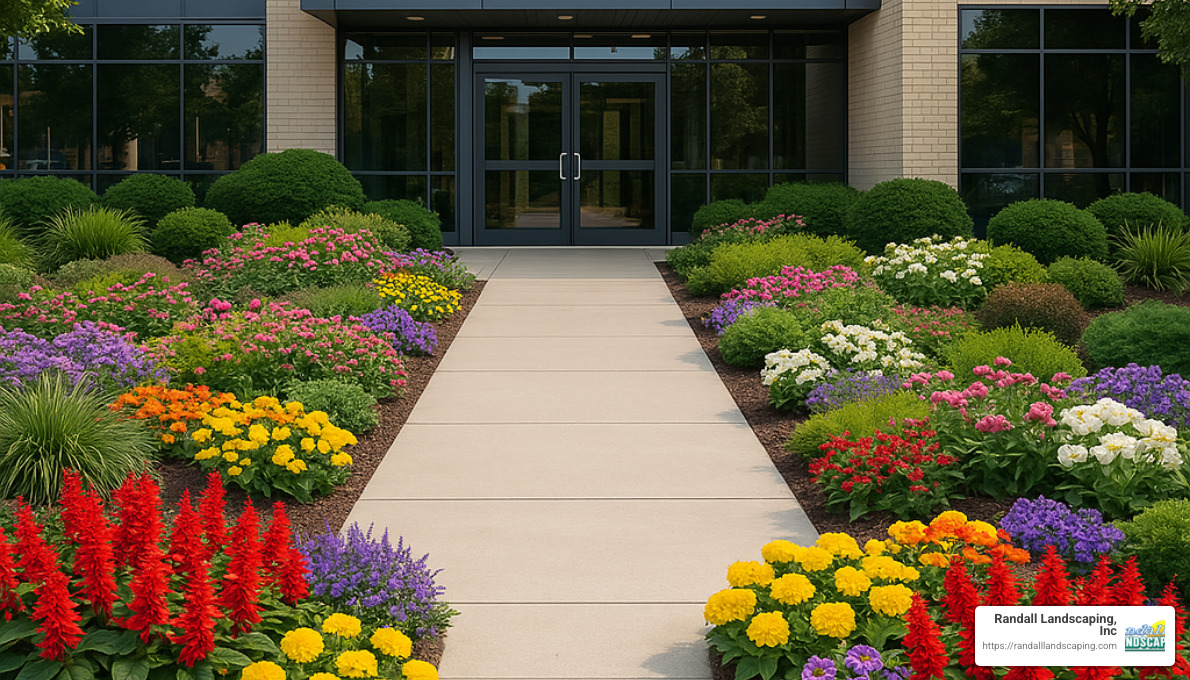
When it comes to commercial and residential landscaping, knowing the differences can make your decisions much easier—and your outdoor spaces much better. Both styles aim to create beautiful, functional landscapes, but each has its own unique challenges, opportunities, and purposes.
For homeowners, residential landscaping offers a chance to craft your very own backyard paradise. Whether that’s a cozy garden nook for morning coffee or a full-scale entertainment space for family gatherings, residential projects emphasize personal taste, comfort, and beauty. You get a space custom just for you—reflecting your personality, enhancing your quality of life, and even boosting your home’s resale value.
On the other hand, commercial landscaping is all about making a positive first impression for your business. This involves balancing aesthetics with functionality, branding, and compliance with local regulations. Commercial properties must meet specific requirements around accessibility, traffic flow, and ongoing maintenance. From office parks in North Andover to retail centers in Salem, the right commercial landscape can attract customers, improve employee morale, and dramatically improve your business’s image.
In either case, partnering with a professional landscaping company ensures you’re making informed choices. Experienced landscapers understand local climate conditions, plant suitability, and design principles that work best in your area. They help you avoid costly mistakes, steer complicated zoning and permit processes, and deliver results that stand the test of time.
Here at Randall Landscaping, Inc., we’ve spent years perfecting both commercial and residential landscape solutions throughout the Merrimack Valley and Southern New Hampshire. Our specialized teams understand the nuances of each type of project, bringing thoughtful planning, expert design, and meticulous craftsmanship to every job.
Whether you’re dreaming of a serene backyard retreat in Andover or need reliable, professional maintenance for your commercial property in North Andover, Randall Landscaping has you covered. We pride ourselves on our commitment to quality and reliability, ensuring your landscape not only looks amazing but functions smoothly year after year. (And yes, we’ll even handle your snow plowing—because let’s face it, New England winters are no joke!)
The goal of great landscaping—commercial or residential—is to create outdoor spaces that improve your property and enrich your daily life. By understanding the distinctions between these two areas, you can confidently select the right approach to meet your needs and the right partner to bring your vision to life.
Ready to transform your outdoor space into something truly special? We’d love to help you get started. Explore more about our commercial and residential landscaping services or reach out to our friendly team directly. At Randall Landscaping, your satisfaction is our mission—and your gorgeous outdoor space is our passion.