Why Landscape Project Management is the Key to Successful Outdoor Changes
Landscape project management is a disciplined method for taking an outdoor vision from idea to finished space without the usual headaches. It is the crucial framework that aligns schedule, budget, and quality, ensuring projects stay on track and on budget throughout the Merrimack Valley and Southern New Hampshire. Without it, even the best designs can fall victim to delays, miscommunication, and costly errors.
Key components of professional management include:
- Project Planning – A deep dive into site analysis, including soil conditions and drainage, to define a clear scope and a realistic timeline.
- Budget Control – Meticulous cost estimating, real-time expense tracking, and transparent change order processes to eliminate financial surprises.
- Team Coordination – Orchestrating our skilled crews, trusted subcontractors, and material vendors to ensure a seamless workflow from excavation to final planting.
- Quality Assurance – Constant job-site checks, material inspections, and strict adherence to design specifications and horticultural best practices.
- Client Communication – Providing clear, consistent updates and a single point of contact to make the process smooth and responsive.
- Risk Management – Identifying potential issues like weather, permitting delays, and supply chain surprises, and having contingency plans ready.
Skip this essential structure, and you invite delays, cost overruns, and unhappy clients. With it, you create predictable, high-quality results that stand the test of time.
I’m Tommy Randall, owner of Randall Landscaping, Inc., and I’ve managed outdoor projects since 2006. Nearly two decades of field experience have taught me one lesson above all: well-run landscape project management is the difference between chaos and calm. It’s what allows us to confidently promise and deliver exceptional results on every job.
What is Landscape Project Management and Why is it Essential?
Imagine hiring a contractor for a dream patio, only to watch costs soar as unexpected fees appear, crews wander in late or not at all, and the wrong materials get delivered. That nightmare scenario—full of stress, delays, and disappointment—is exactly what landscape project management prevents.
From the first handshake to the final walkthrough, this process orchestrates every moving part—hardscapes, softscapes, irrigation, lighting, drainage—into a single, reliable, and cohesive plan. We have seen poorly managed jobs balloon 40–60 % over budget and slip months off schedule due to preventable errors. Clear communication, proactive planning, and systematic execution remove those risks, changing a potentially chaotic construction site into a model of efficiency.
For complex services like our Hardscaping, tight management is non-negotiable. It allows us to deliver intricate builds like multi-level patios and outdoor kitchens efficiently and profitably while upholding the highest standards of quality.
The Crucial Role of a Centralized Process
If the patio crew works from one drawing and the irrigation team from another, conflict is guaranteed. A centralized process establishes a “single source of truth”—a master set of plans and documents that everyone follows. This keeps designers, installers, vendors, and the client perfectly aligned. When a change is needed, it flows through one channel, gets approved, and is communicated to all relevant parties. This simple control prevents the classic—and costly—patio-vs-irrigation trench collision.
This model is the engine behind our Landscape Design and Installation projects. It gives us a real-time view of progress, allowing us to track costs and timelines with precision and react to challenges before they grow into problems.
From Vision to Reality
Great results start with great listening. During our initial consultation, we ask detailed questions: How will you use the space? Is it for large-scale entertaining, quiet family dinners, or a safe play area for children and pets? Are there accessibility needs? Each answer drives the technical and aesthetic choices we make. We then translate that vision into buildable plans, manage expectations with frequent updates, and proactively solve problems—like finding unexpected ledge during excavation or navigating material shortages—before they can derail progress. The payoff is a finished landscape that not only matches the approved plan but also feels exactly right for the people who will enjoy it for years to come.
The Landscape Project Manager: Responsibilities and Skills
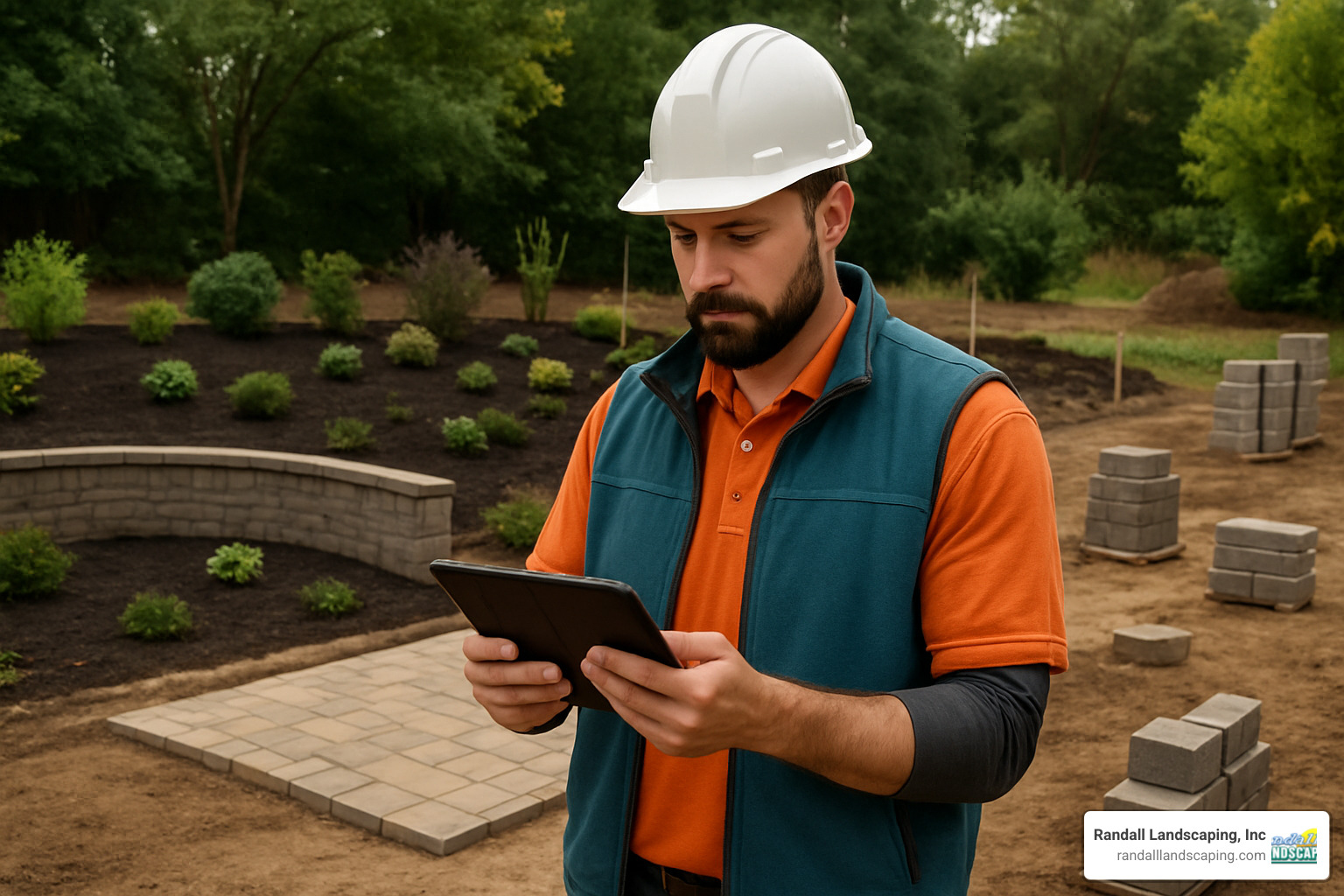
Think of the landscape project manager as an on-site conductor, responsible for ensuring every section of the orchestra plays in harmony. One minute they are adjusting budgets in a spreadsheet; the next, they are on-site solving a complex drainage surprise or reassuring a homeowner about the project’s progress.
Core Responsibilities
- Plan & Schedule – Develop a detailed work breakdown structure, create a master schedule using tools like Gantt charts, anticipate weather impacts, and coordinate all crews and subcontractors.
- Control Costs – Track labor hours and material costs daily against the budget, manage the change order process transparently, and identify opportunities for value engineering without sacrificing quality.
- Lead Teams – Motivate crews with clear goals, conduct daily huddles and safety briefings, enforce quality standards, and foster a positive, productive work environment.
- Procure Materials – Order the right materials in the correct quantities to arrive at the right time, verifying quality upon delivery and managing on-site inventory to prevent loss or damage.
- Communicate – Serve as the primary liaison between the client, designers, and field teams, providing regular status reports and ensuring everyone has the information they need.
Essential Skills
Exceptional problem-solving, meticulous attention to detail, strong communication, and decisive leadership top the list. A great PM can calmly re-route a walkway around a newly finded tree root system without compromising the design. Technical know-how in horticulture, construction methods, and local building codes, plus solid financial acumen, round things out. For those seeking formal training, programs like the Master of Professional Studies in Project Management offer a comprehensive education.
Career Path & Compensation
Most managers start on a crew, learning the fundamentals of landscape construction firsthand. They often advance to foreman, then assistant PM, and finally to a full project management role. A degree in horticulture, landscape architecture, or construction management can accelerate this path, but hands-on experience is king. Industry averages place salaries between $50,000 and $85,030 annually—actual pay varies significantly by market size, individual experience, and the complexity of projects managed. (Figures are broad industry averages, not Randall Landscaping rates.) Aspiring professionals can see current openings at the landscape industry career center.
The 5 Key Stages of a Flawlessly Managed Landscape Project
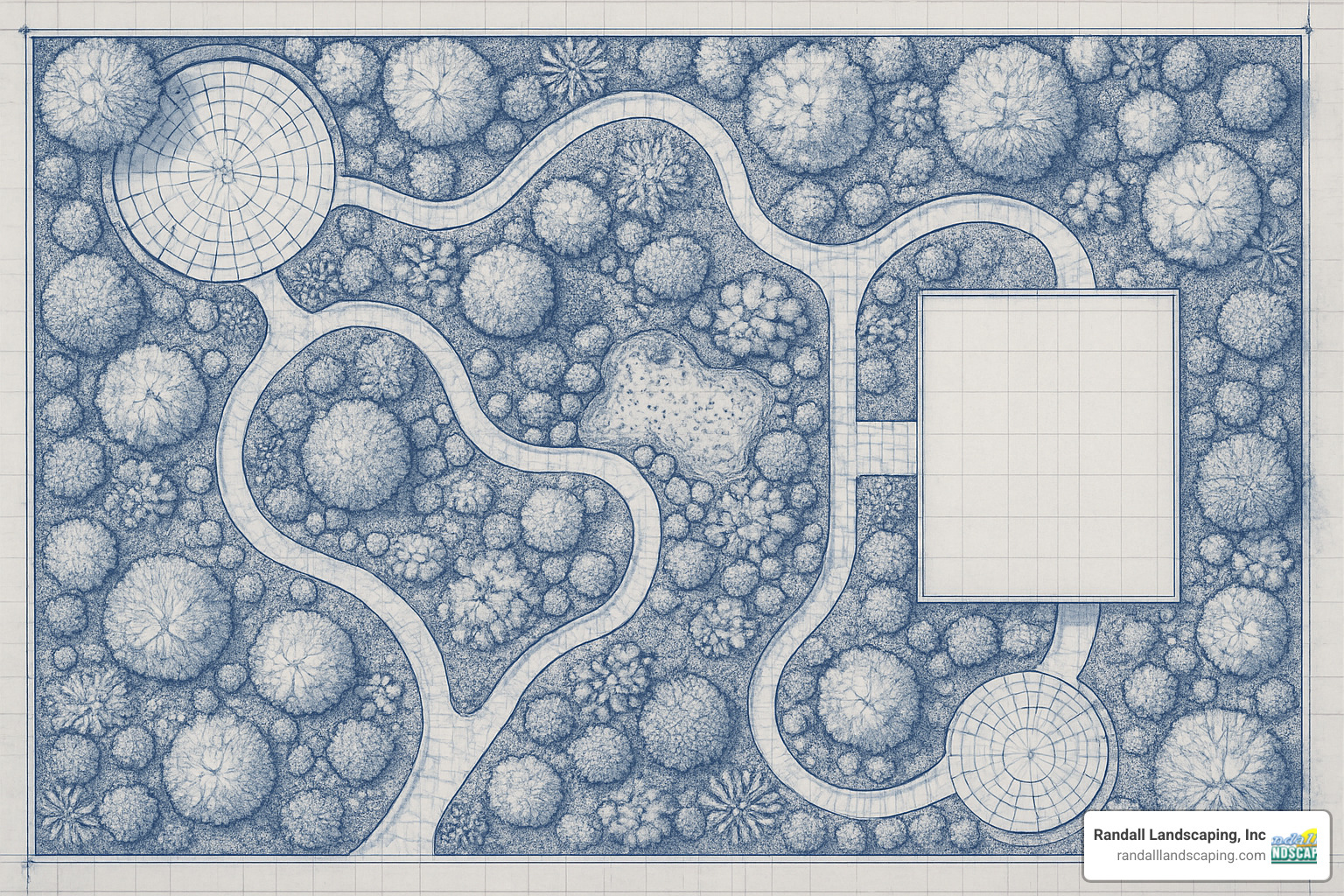
Successful projects don’t happen by accident. They move through five disciplined, sequential stages that ensure clarity, efficiency, and quality from start to finish.
1. Project Initiation & Planning
This foundational stage is where we turn a client’s idea into a concrete plan. We meet with the client to understand their goals, conduct a thorough site analysis (including topographical surveys, soil testing, and drainage assessment), define the project scope, set clear objectives, and create a preliminary task map. We also identify potential risks and begin the necessary permit applications. Skipping this critical legwork is the fastest path to scope creep and cost overruns later on.
2. Estimating & Budgeting
With a solid plan in place, we develop a detailed and transparent budget. This involves precise material take-offs—calculating exact quantities of pavers, wall block, soil, and plants—and sourcing realistic labor hour estimates based on historical data. We secure vetted bids from any necessary subcontractors and compile everything into a clear, itemized proposal. A contingency fund is often included to cover unforeseen issues, ensuring the budget is both comprehensive and realistic. This transparency builds essential client trust. Learn more about commercial bids here: How to Bid Commercial Landscape Maintenance.
3. Scheduling & Resource Allocation
A master calendar becomes the project’s roadmap. It locks in crew assignments, equipment needs, and material delivery dates. Crucially, it maps out task dependencies—for example, electrical conduit for landscape lighting must be laid before the patio base is compacted, and grading must be completed before planting begins. This logical sequencing keeps the project flowing smoothly and avoids costly rework. Specialized builds, like a Patio Design and Construction, are given weather-sensitive slots to minimize delays.
4. On-Site Execution & Monitoring
This is where the plan comes to life. The project manager is on-site regularly, conducting daily check-ins to track progress against the schedule, monitor budget adherence, and perform quality control checks. We use daily logs and progress photos to document the work, proactively adjust for weather delays, manage any change orders through a formal approval process, and provide consistent updates to the client so everyone stays aligned.
5. Closeout & Handover
The project isn’t finished when the last plant is in the ground. This final stage includes a meticulous site cleanup, a final walkthrough with the client to ensure their complete satisfaction, and the swift completion of any punch-list items. We then hand over a complete documentation package, which includes as-built drawings, warranty information, and maintenance guidelines for new plantings and hardscapes, such as after a new walkway installation. This professional handover completes the project and secures long-term satisfaction.
Boosting Profitability and Efficiency with Modern Tools and Techniques
Clipboards and spreadsheets are out; cloud-based dashboards are in. Today’s landscape project management platforms put live schedules, budgets, photos, and crew updates directly into a manager’s pocket via a smartphone or tablet. This real-time access is critical for making smart, agile decisions, especially when New England weather can shift by the hour.
Financial Control Through Job Costing
Modern job-costing software is a game-changer. It tracks every labor minute and material unit against the project budget in real time. This exposes potential cost overruns before they can snowball, allowing managers to make proactive adjustments. Industry studies consistently show that firms using these full-featured systems post significantly higher profitability—some reports suggest as much as a 34 % increase—compared to those relying on manual methods or basic spreadsheets.
Essential Software Features
- Estimating – Automated take-off tools and access to up-to-date material cost libraries can cut bid creation time by up to 90%, improving accuracy and allowing companies to bid more work.
- Scheduling – Drag-and-drop, conflict-free calendars with automated crew notifications improve job flow and resource utilization by roughly 32%.
- Time Tracking – GPS-verified and geofenced mobile time clocks provide indisputably accurate labor data, which simplifies payroll and improves future job costing.
- Billing & CRM – Integrated systems generate quicker invoices, track payments, and maintain a detailed history of all client communications, freeing up valuable administrative time.
Sharper Communication and Accountability
Mobile apps create a direct line of communication between the field and the office. A crew member can upload a photo of an unexpected site issue, which the project manager can see instantly and use to collaborate on a solution. Digital checklists for key tasks ensure that quality standards are met every time, and photo verification provides proof of completion. One study found that operations managers equipped with robust software can effectively oversee twice as many crews versus those using manual methods, proving the immense efficiency gains.
Frequently Asked Questions about Landscape Project Management
What are the biggest challenges in landscape projects?
Weather delays, supply chain hiccups (like a specific paver being back-ordered), hidden site conditions (such as buried ledge or old foundations), scope creep from unmanaged client requests, and communication gaps between teams are the most common problems. Strong project management directly counters each: contingency days are built into schedules, we maintain relationships with multiple suppliers, thorough site analysis is done upfront, a formal change order process is required, and a centralized communication plan keeps everyone informed.
How do you protect and ensure quality?
Quality is a multi-layered process. It starts with using detailed specifications in the plan, continues with assigning skilled crews who are trained in industry best practices (like ICPI standards for pavers), and involves sourcing materials from trusted vendors. Throughout the project, we use systematic inspections and comprehensive checklists to ensure every detail—from planting depths and soil amendments to hardscape elevations and irrigation pressures—meets our high standards.
How do you handle changes once a project has started?
We use a formal change order process to maintain clarity and control. Any client request that alters the original scope of work is documented in a change order form. This document clearly describes the new work, outlines the impact on the project schedule, and specifies the exact cost. Work on the change only begins after the client has reviewed and signed the document. This transparency prevents misunderstandings and protects the client from budget surprises.
Why does client satisfaction matter so much?
In a service business, reputation is everything. Happy clients in communities like Amesbury, Andover, and Pelham are our best form of advertising. They drive referrals to friends and neighbors, leave positive online reviews that build trust, and often become repeat customers for maintenance or future projects. Clear updates, realistic expectations, and fast, professional issue resolution turn one successful project into a foundation of long-term community trust and business growth.
Conclusion: Achieve Calm and Control on Your Next Project
Structured landscape project management is the definitive antidote to the stress and uncertainty that often plague outdoor renovation projects. It systematically replaces chaos with confidence and transforms a complex process into a predictable and even enjoyable experience for the client. By diligently following the five stages—plan, budget, schedule, execute, and hand over—even the most ambitious and complex builds can finish on time, on budget, and to exacting quality standards.
Homeowners and property managers from North Andover to Windham choose Randall Landscaping, Inc. because we pair our commitment to quality workmanship with an unwavering dedication to 100% reliability. Our disciplined process is our promise of peace of mind. Whether we are building a simple retaining wall or managing the landscape installation for entire commercial campuses, our clients know they can expect a smooth, professionally managed project from start to finish.
Ready to experience the calm and control that comes with expert project management? Explore our Commercial Landscaping services and let us show you how our professional process turns outdoor visions into stunning, lasting realities.