
Why Mulching is a Game-Changer for Your Vegetable Garden
The best mulch for vegetable garden success comes down to choosing the right organic material that feeds your soil while protecting your plants. Here are the top performers:
Top 3 Mulches for Vegetable Gardens:
- Straw – Lightweight, insulates well, breaks down slowly
- Shredded Leaves – Free, nutrient-rich, improves soil structure
- Compost – Feeds soil immediately, excellent water retention
Quick Selection Guide:
- Cool-weather crops (lettuce, broccoli): Straw or shredded leaves
- Heat-loving plants (tomatoes, peppers): Black plastic or thin compost layer
- All-purpose use: 3-4 inches of aged compost
If you’re tired of fighting weeds and constantly watering your vegetable garden, mulch will change everything. Research shows that mulch can reduce weed growth by at least 80% and cut your watering needs significantly. It’s like giving your garden a protective blanket that works 24/7.
The benefits go way beyond convenience. A proper 2-3 inch layer of mulch keeps soil temperatures stable, prevents disease-causing soil from splashing onto plants, and slowly breaks down to feed your soil’s ecosystem. As one experienced gardener put it: “I’m a big advocate of mulches. If I didn’t use mulch, I could never keep up with the weeds.”
I’m Tommy Randall, and after 18 years of landscaping in New Hampshire and Massachusetts, I’ve seen how the best mulch for vegetable garden applications can transform struggling plots into thriving food sources. Through countless installations and client consultations, I’ve learned which mulches work best for our New England growing conditions and busy homeowners who want maximum results with minimal effort.
Mulching is truly a game-changer for any vegetable gardener, from beginners to seasoned pros. Let’s break down why.
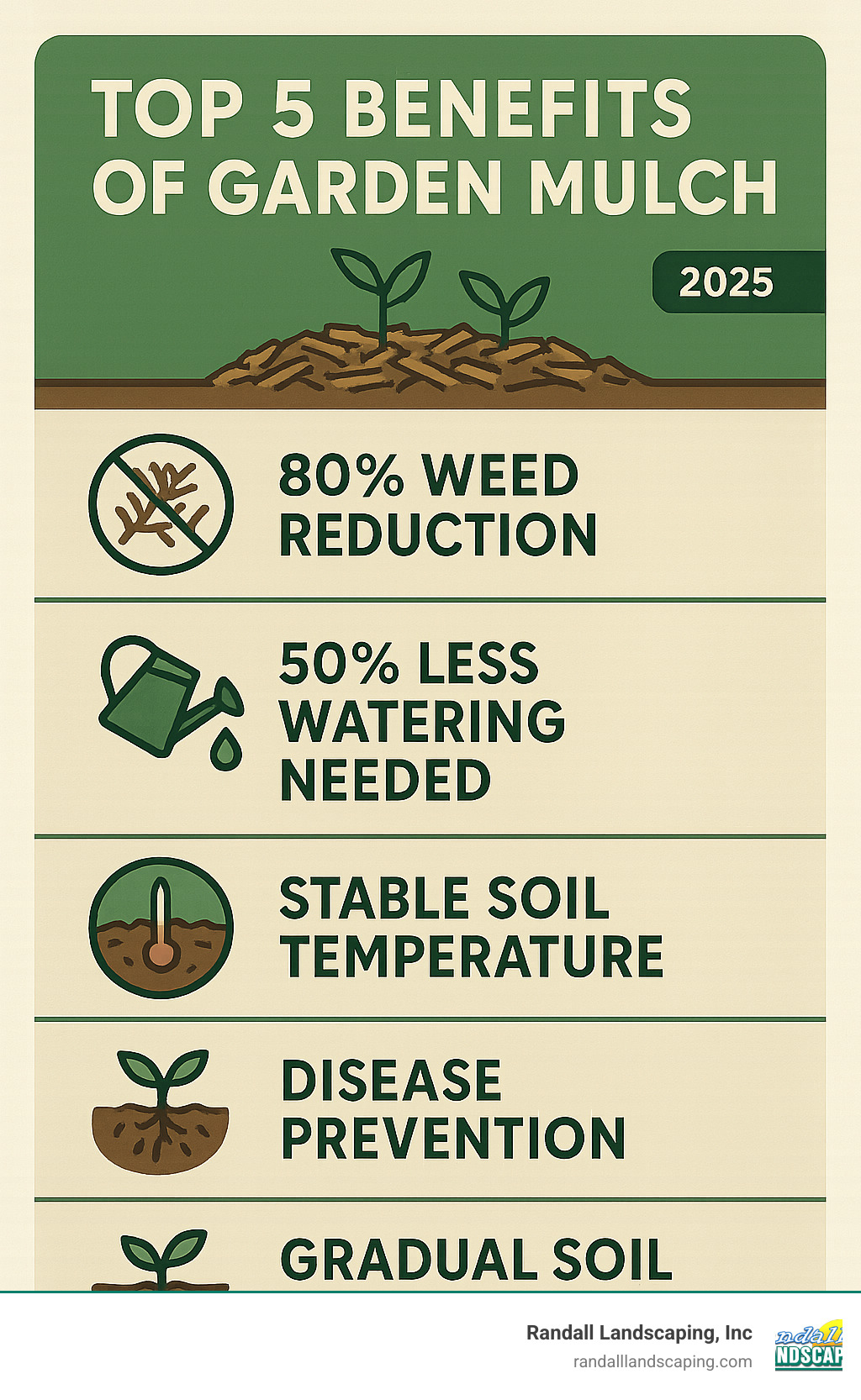
- Weed Suppression: This is perhaps the most immediate and noticeable benefit. A thick layer of mulch acts as a physical barrier, blocking sunlight from reaching weed seeds and preventing them from germinating. Studies indicate that mulch can reduce weed growth by at least 80%. Imagine spending 80% less time weeding! That’s more time to enjoy your harvest or, dare we say, relax.
- Moisture Retention: Mulch acts like a sponge, slowing down evaporation from the soil surface. This means your soil stays moist longer, reducing the need for frequent watering. This is especially crucial during hot, dry spells, helping to conserve precious water resources.
- Soil Temperature Regulation: Mulch acts as an insulator. In summer, it keeps the soil cooler, protecting sensitive plant roots from scorching heat. In cooler seasons or climates, it helps retain warmth, extending the growing season and protecting against unexpected frosts. This temperature stability is vital for healthy root development and overall plant vigor.
- Disease Prevention: Raindrops can splash soil onto your plants, carrying with them soil-borne pathogens that cause diseases like early blight. A layer of mulch creates a barrier between the soil and your plant’s foliage, preventing this splash-back and keeping your vegetables cleaner and healthier. This barrier also helps keep the soil surface drier, which can inhibit the growth of certain fungal diseases.
- Soil Health and Nutrient Content: As organic mulches decompose, they slowly release nutrients back into the soil, essentially “feeding” your plants from the ground up. This continuous input of organic matter improves soil structure, improves drainage, and fosters a thriving ecosystem of beneficial microorganisms and earthworms, all of which contribute to a more fertile and productive garden.
Beyond these core benefits, mulch also prevents soil compaction and erosion. A 2-3 inch layer of natural mulch is a simple yet incredibly effective tool that supports your garden’s overall health and productivity.
Choosing the Best Mulch for Your Vegetable Garden
Picking the best mulch for vegetable garden success feels overwhelming at first – trust me, I’ve been there! With so many options at the garden center, it’s like standing in the cereal aisle trying to choose breakfast. But here’s the thing: there’s no single “perfect” mulch that works for every garden, every season, and every vegetable.
The secret is understanding what your specific garden needs. Your climate plays a huge role – if you’re dealing with scorching summers in southern New Hampshire, you’ll want mulch that keeps soil cool and moist. But if you’re trying to get tomatoes going in our sometimes-chilly spring weather, you might need something that warms the soil instead.
Your soil type matters just as much. Heavy clay soil that turns into concrete when it dries needs a different approach than sandy soil that drains like a sieve. I’ve seen gardeners struggle for years simply because they were fighting their soil type instead of working with it.
Then there’s the cost versus benefit question. Some of the best mulches are absolutely free – like the leaves in your yard every fall. Others require an investment but save you hours of weeding and watering. Research shows that choosing the right mulch can boost your yields by up to 30 percent, which makes even paid mulch worth every penny.
The biggest decision you’ll face is choosing between organic and inorganic materials. This choice affects everything from your soil’s long-term health to how often you’ll need to refresh your mulch. For gardens focused on moisture retention, our Moisture Retaining Mulch services can help you select and apply the most effective options for your specific conditions.
Matching Mulch to Your Garden’s Needs
Your vegetables have personalities – some love the heat, others prefer things cool and steady. Matching your mulch to these preferences makes all the difference between a struggling garden and one that practically grows itself.
Cool-weather crops like lettuce, spinach, broccoli, and peas are the introverts of the vegetable world. They prefer soil that stays consistently cool and moist. Straw works beautifully here – it’s like giving these plants a comfortable blanket that keeps them from getting stressed by temperature swings. Shredded leaves are another fantastic choice, especially for fall and winter gardens.
Heat-loving plants like tomatoes and peppers are the sun worshippers that need warm soil to really take off. Black plastic mulch can raise soil temperatures by 20 to 25 degrees, which can mean the difference between green tomatoes and a abundant harvest. Just remember that plastic prevents rain from reaching the soil, so you’ll need to be more intentional about watering.
Root vegetables need room to breathe and grow. Carrots, radishes, and potatoes do best with loose, organic mulches that won’t compact or interfere with their development. Straw is perfect here because it keeps the soil soft and workable while preventing those annoying green potato shoulders.
If you’re dealing with heavy clay soil, think of mulch as a long-term soil improvement project. Wood chips or coarse shredded leaves slowly break down and add organic matter that loosens that dense clay over time. It’s not a quick fix, but it’s incredibly effective.
Sandy soil presents the opposite challenge – it drains so fast that water and nutrients wash right through. Compost makes an excellent mulch for sandy soils because it acts like a sponge, helping the soil hold onto both moisture and nutrients your plants need.
Your growing season length also influences mulch choice. In areas with shorter seasons, soil-warming mulches help heat-loving crops get established before the first frost. In longer seasons, consistent moisture retention and weed suppression become more important than soil temperature.
Organic vs. Inorganic Mulch: What’s the Difference?
The organic versus inorganic mulch debate isn’t just about gardening philosophy – it’s about understanding what each type actually does for your garden over time.
Organic mulches come from things that were once alive: straw, leaves, wood chips, grass clippings, and compost. Their superpower is decomposition – as they break down, they’re constantly feeding your soil. Think of them as slow-release fertilizer that also happens to suppress weeds and retain moisture.
This soil improvement aspect is huge. Every season, organic mulches add organic matter that improves soil structure, increases water-holding capacity, and feeds the beneficial microorganisms that make plants thrive. The trade-off is longevity – you’ll need to refresh organic mulches once or twice per season as they break down.
From an aesthetic standpoint, organic mulches look natural and blend seamlessly with most garden designs. Their environmental impact is entirely positive – they’re renewable, biodegradable, and return nutrients to the earth.
Inorganic mulches like plastic sheeting, landscape fabric, and rubber chips take a completely different approach. They don’t break down, which means they offer no soil improvement benefits. In fact, some synthetic mulches can actually hinder soil health by preventing air and water movement.
However, their longevity is best – once installed, inorganic mulches can last for years. They excel at specific tasks like warming soil or creating permanent pathways. The environmental impact varies widely, with plastic mulches raising concerns about microplastic contamination as they eventually degrade.
For vegetable gardens, I almost always recommend organic mulches because of their soil-building benefits. Your garden becomes healthier and more productive each season, rather than just staying the same. If you’re interested in exploring sustainable options that work well in our New England climate, check out our comprehensive guide on Eco-Friendly Mulch Options.
The choice between organic and inorganic ultimately comes down to your goals: Are you building soil for the long term, or do you need a quick solution for a specific problem? Most successful vegetable gardeners find that organic mulches align perfectly with their goal of growing healthy, productive food.
A Deep Dive into Organic Mulch Options
Organic mulches are our favorite for vegetable gardens because they work with nature to create a healthier, more productive growing environment. They’re not just covering the soil; they’re actively improving it with every passing season.
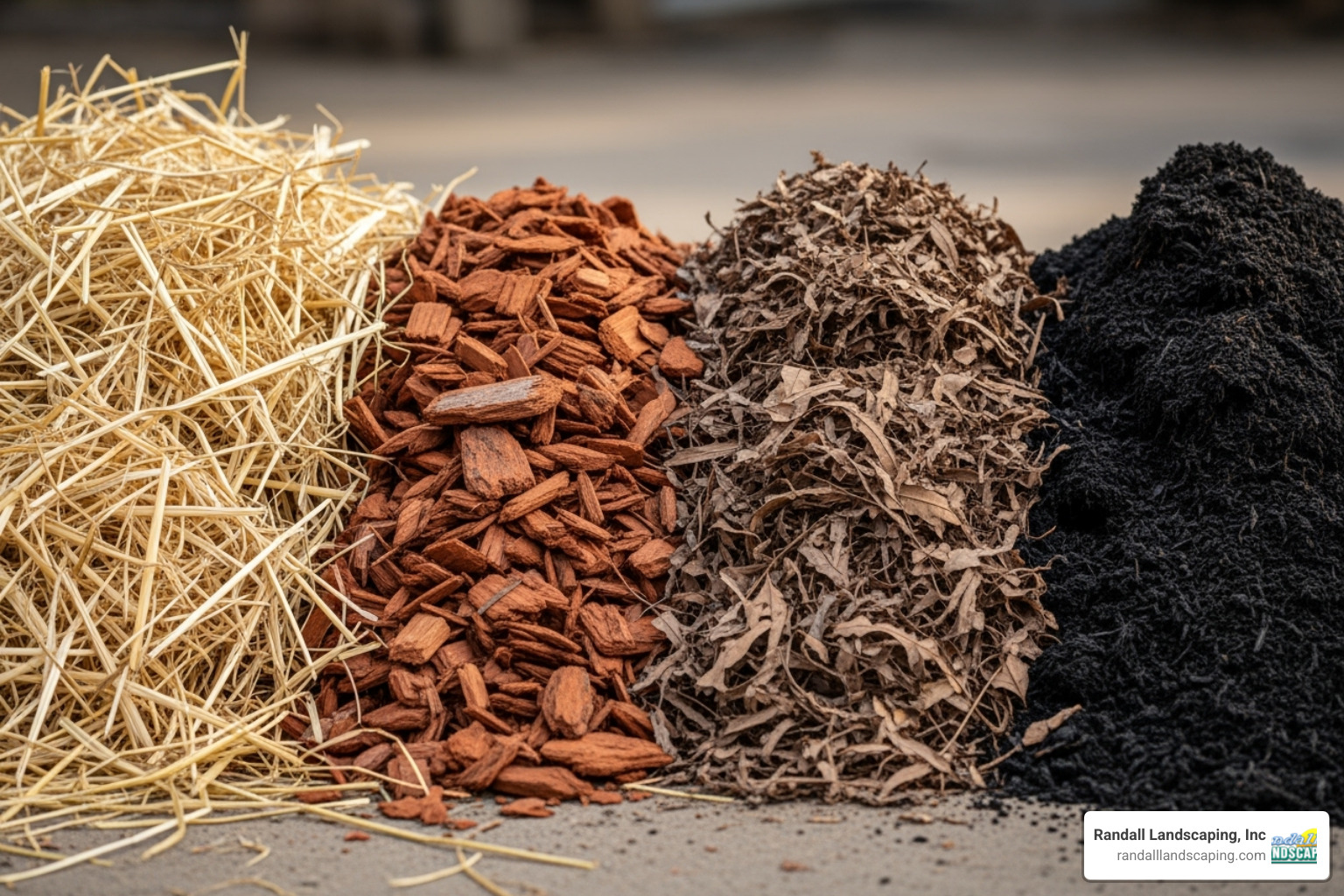
When choosing the best mulch for vegetable garden success, organic options consistently outperform synthetic alternatives. They feed your soil as they break down, creating a living ecosystem beneath the surface that supports healthier plants and bigger harvests.
Let’s explore the most popular organic choices and what makes each one special:
| Mulch Type | Pros | Cons | Best Uses |
|---|---|---|---|
| Straw | Lightweight, excellent insulation, breaks down slowly, affordable | May contain weed seeds, risk of herbicide contamination | Cool-weather crops, overwintering beds, general garden use |
| Shredded Leaves | Free, nutrient-rich, improves soil structure, readily available | Can mat down if not properly shredded, may blow away in wind | All garden areas, composting, soil improvement |
| Compost | Immediate nutrient boost, excellent water retention, feeds soil microbes | Can be expensive, may contain weed seeds if not properly heated | Heavy feeders, new garden beds, soil building |
Shredded Leaves: The Gardener’s Free Gold
There’s a reason experienced gardeners call autumn leaves “brown gold.” Shredded leaves are hands-down one of the best free mulches you can find. Every fall, nature delivers this treasure right to your doorstep.
The benefits are impressive. Leaves break down relatively quickly, adding valuable organic matter and nutrients to your soil. They improve soil structure, making heavy clay more workable and helping sandy soil hold moisture better. As they decompose, they create the perfect environment for earthworms and beneficial microorganisms.
But there’s a catch – and it’s an important one. Whole leaves can mat down into an impermeable layer that blocks water and air from reaching your plants. This is where shredding becomes crucial. A bladeless electric leaf mulcher makes quick work of fall cleanup while creating perfect mulch for next season.
Pro tip: Mix different types of leaves for the best results. Oak leaves break down slowly and are perfect for pathways, while maple leaves decompose faster and work great around vegetables.
Straw or Hay: The Classic Choice
Walk through any well-established vegetable garden, and you’ll likely see straw mulch everywhere. There’s good reason for its popularity – straw is lightweight, provides excellent insulation, and creates an almost weed-free growing environment when applied correctly.
The benefits are clear: straw keeps soil temperatures stable, retains moisture beautifully, and breaks down at just the right pace. It’s particularly excellent around tomatoes, peppers, and other heat-loving plants because it reflects heat back up to the plant while keeping roots cool.
However, not all straw is created equal. The biggest concern is herbicide contamination, particularly from aminopyralid-based products. This persistent herbicide can remain active in straw for years, potentially damaging your vegetables. Always source your straw from trusted suppliers who can guarantee it’s herbicide-free. The Maine Department of Agriculture has issued important warnings about this issue.
Quality matters: Look for bright, golden straw that smells fresh and sweet. Avoid any that looks moldy, smells sour, or contains lots of seed heads that could sprout weeds in your garden.
Compost: The Ultimate Soil Feeder
If you want to give your vegetables the royal treatment, compost mulch is the way to go. It’s like serving your plants a gourmet meal while protecting them at the same time.
Compost works differently than other mulches. Instead of just covering the soil, it actively feeds it with a steady supply of nutrients. The biological activity in good compost creates an environment where beneficial microorganisms thrive, naturally suppressing plant diseases and improving soil health.
Apply compost mulch 3-6 inches deep around your plants, keeping it slightly away from stems to prevent moisture-related problems. The results are often dramatic – deeper green foliage, stronger root systems, and noticeably better yields.
The main drawbacks are cost and potential weed issues. Quality compost can be expensive if you’re buying it, and poorly made compost that didn’t reach proper temperatures during processing can introduce weed seeds to your garden.
Wood Chips & The ‘Back to Eden’ Method
Wood chip mulch has gained tremendous popularity thanks to the “Back to Eden” gardening method, and for good reason. When used correctly, wood chips create an incredibly effective, long-lasting mulch system.
The advantages are substantial. Wood chips suppress weeds better than almost any other mulch, retain moisture exceptionally well, and last for years before needing replacement. They’re also often free – check out Chip Drop to have arborists deliver fresh chips right to your property.
But here’s where many gardeners go wrong: wood chips can initially tie up nitrogen as they decompose, potentially leaving your vegetables nutrient-starved. This makes them less ideal for annual vegetable beds where you’re planting directly into the soil.
The solution: Use wood chips primarily for garden pathways and perennial beds. If you want to use them around vegetables, apply them over a layer of compost or well-aged manure to prevent nitrogen deficiency.
Other Organic Options: Grass Clippings & Pine Needles
Don’t overlook these readily available options that might be right in your own yard.
Grass clippings are fantastic for vegetable gardens when used properly. They’re rich in nitrogen and break down quickly, feeding your plants as they decompose. The key is using them dry – fresh, wet clippings can form a slimy, anaerobic mat that smells terrible and blocks air circulation. Spread dry clippings in thin layers, no more than 2 inches at a time.
Pine needles are underrated gems, especially for pathways and around acid-loving plants. Contrary to popular belief, they don’t significantly acidify soil as they decompose. They’re lightweight, don’t blow around easily, and create an attractive, natural-looking ground cover that lasts well into the next season.
Both options are often free and readily available, making them excellent choices for budget-conscious gardeners who want to maximize their mulching efforts without breaking the bank.