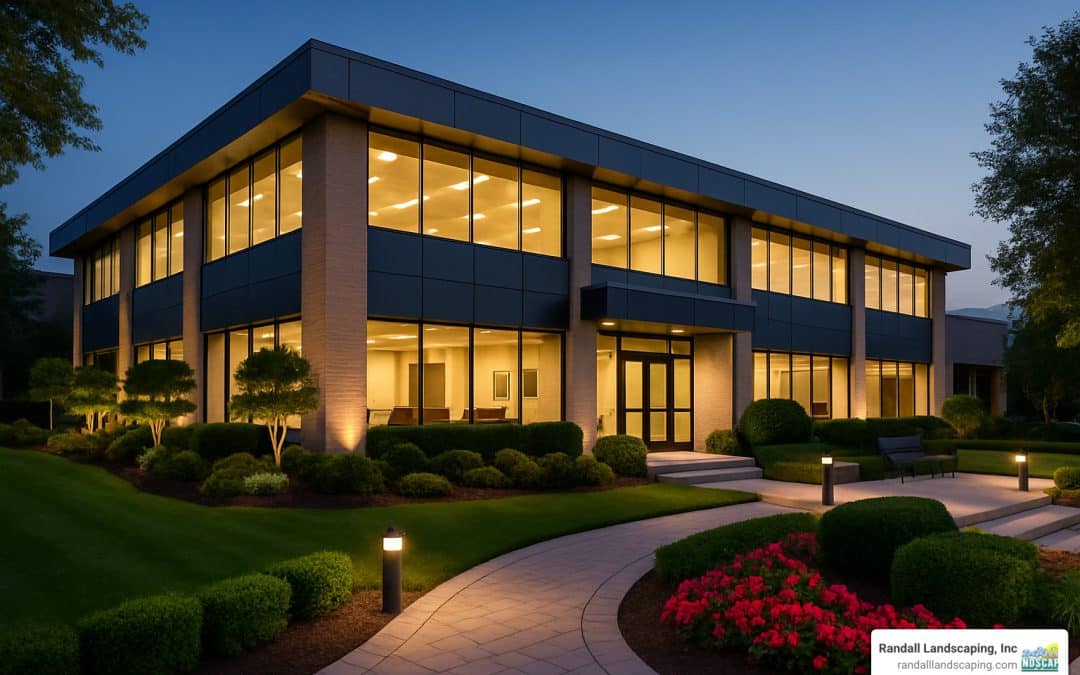
Why Commercial Landscape Designs Transform Business Success
Commercial landscape designs are professional outdoor planning services that create functional, attractive environments around business properties to improve curb appeal, support operations, and boost property value. These comprehensive designs integrate plantings, hardscaping, lighting, and infrastructure to serve both aesthetic and practical business needs.
Key Components of Commercial Landscape Designs:
• Site planning – Traffic flow, parking, accessibility compliance
• Plant selection – Native species, seasonal interest, low maintenance
• Hardscape features – Walkways, patios, retaining walls, seating areas
• Infrastructure – Irrigation systems, drainage, lighting for safety
• Branding integration – Signage placement, company colors, professional image
• Maintenance planning – Year-round care, snow management, sustainability
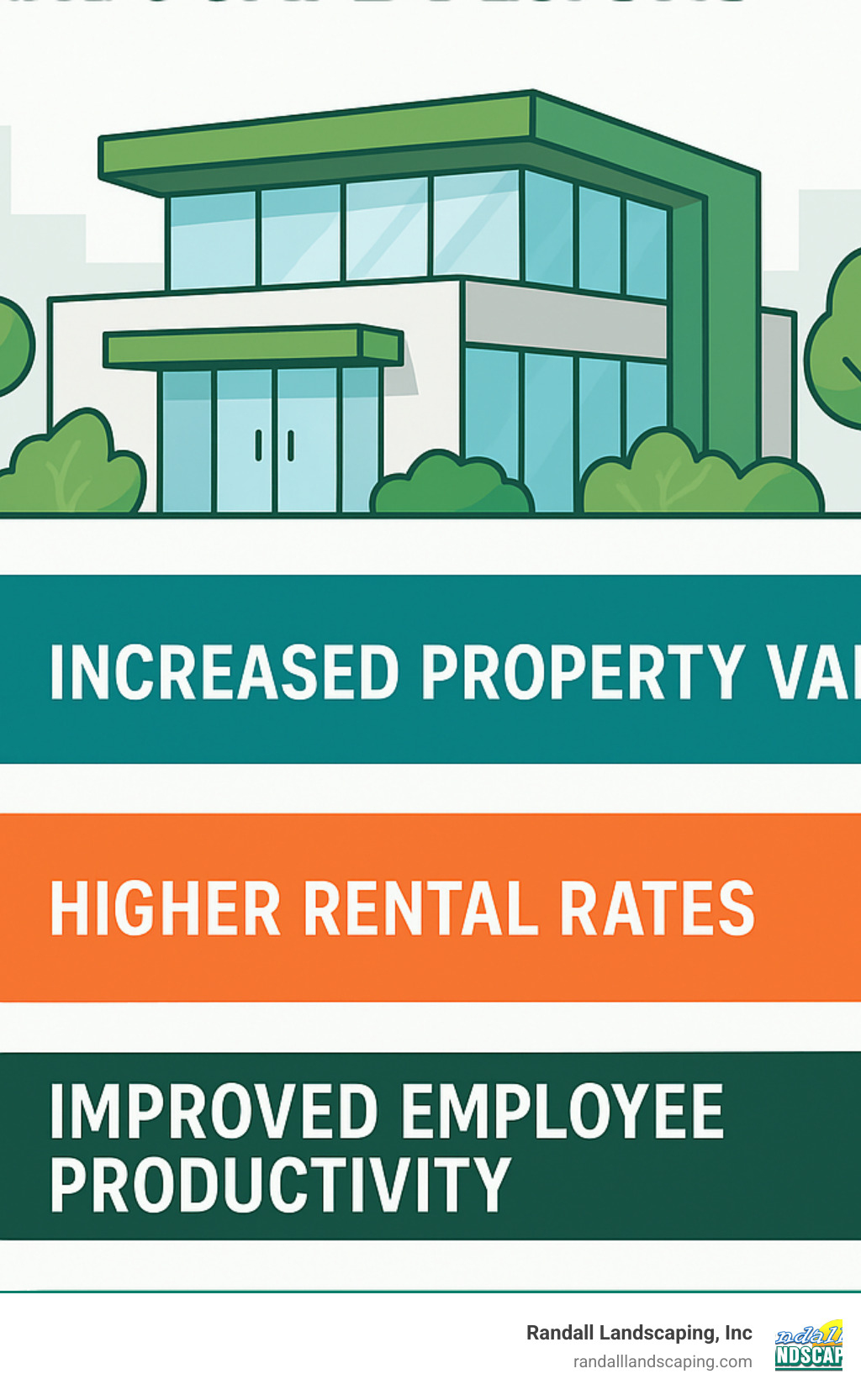
The impact is measurable. Research shows that shoppers spend 9-12% more in business districts with quality landscaping, while workplaces with superior landscapes command up to 7% higher rental rates. Plants can increase employee concentration by up to 23%, making commercial landscape design a strategic investment rather than just an expense.
Modern commercial landscapes must balance multiple priorities: creating welcoming first impressions, ensuring ADA compliance, managing stormwater, and providing spaces where employees and visitors feel comfortable. Unlike residential projects, commercial designs require expertise in local codes, liability considerations, and the unique demands of public-use spaces.
I’m Tommy Randall, owner of Randall Landscaping Business, and I’ve been creating commercial landscape designs throughout Massachusetts and New Hampshire since 2006. My team specializes in changing business properties through comprehensive landscape and hardscape solutions that improve both functionality and professional image.
Commercial landscape designs terms to know:
– commercial and residential landscaping
– commercial garden maintenance
– what is commercial landscaping
What Is Commercial Landscape Design?
Think of commercial landscape designs as the art and science of creating outdoor spaces that work as hard as your business does. While your neighbor’s backyard garden might look lovely, commercial landscaping operates in a completely different league—one where every plant, pathway, and lighting fixture must serve multiple masters while looking professional year-round.
Commercial landscape designs involve strategic site planning that goes far beyond making things look pretty. We’re talking about comprehensive outdoor environments that handle heavy foot traffic, meet strict safety codes, support your brand image, and actually make your business more profitable. Every element needs to work together like a well-oiled machine.
The scope extends into territory that would make a residential gardener’s head spin. We integrate hardscape elements like walkways and retaining walls, design lighting systems that keep people safe while creating ambiance, plan irrigation networks that won’t flood your parking lot, and select plants that provide four-season interest without requiring a full-time gardener.
When I work with business owners throughout the Merrimack Valley, I always explain that commercial landscape design is really about solving problems. How do you guide visitors to your entrance? Where can employees grab fresh air during lunch? How do you create curb appeal that makes people want to do business with you? These aren’t just aesthetic questions—they’re business strategy wrapped in greenery.
Key Differences Between Residential & Commercial Landscape Designs
The differences between residential and commercial landscaping become crystal clear the moment you consider scale and complexity. While your home landscape might need to handle a weekend barbecue, commercial properties must accommodate hundreds of people every single day—rain or shine, summer or winter.
Scale and occupancy load represent just the tip of the iceberg. A residential walkway might be three feet wide and perfectly adequate, but commercial pathways need to handle multiple wheelchairs passing simultaneously while someone pushes a delivery cart. The durability requirements jump exponentially when you’re dealing with constant foot traffic instead of occasional family gatherings.
Liability considerations shape every single design decision in commercial projects. We must ensure clear sightlines for security cameras, eliminate any potential trip hazards, and create spaces that remain safe when covered in snow or soaked by spring rains. ADA compliance isn’t a nice-to-have feature—it’s federal law that influences everything from slope calculations to the height of your planting beds.
The budget cycles and approval processes can make residential clients appreciate their decision-making freedom. Commercial projects often involve property managers, corporate executives, municipal planning boards, and sometimes even neighborhood committees. What might take a homeowner an afternoon to decide could require months of meetings and revisions in the commercial world.
Multi-stakeholder coordination means balancing wildly different priorities. Employees want comfortable outdoor break areas with WiFi and shade. Customers need intuitive wayfinding and convenient parking. Property managers demand low-maintenance solutions that won’t break the budget. Executives want impressive curb appeal that screams “successful business.” Somehow, we need to make everyone happy.
| Aspect | Residential | Commercial |
|---|---|---|
| Scale | 0.25-2 acres | 1-50+ acres |
| Users | 2-6 people | 50-500+ daily |
| Maintenance | Homeowner managed | Professional required |
| Regulations | Minimal | ADA, zoning, safety codes |
| Budget | $5,000-$50,000 | $25,000-$500,000+ |
| Timeline | 2-8 weeks | 3-12 months |
Commercial Landscape Designs for Multiple Property Types
Different types of commercial properties require completely different approaches to landscape design. After years of creating commercial landscape designs across Southern New Hampshire and the Merrimack Valley, I’ve learned that cookie-cutter solutions simply don’t work. Each property type has its own personality and unique set of challenges.
Office complexes need landscapes that project competence and stability while giving employees reasons to actually enjoy coming to work. We design welcoming entrances with seasonal plantings that change throughout the year, create outdoor meeting spaces where teams can brainstorm away from fluorescent lights, and establish quiet break areas where stressed employees can decompress during hectic days.
Retail properties operate under completely different rules. These landscapes need to attract customers, encourage them to linger, and ideally convince them to spend more money. Research shows that shoppers spend 9-12% more in well-landscaped business districts, so we focus on eye-catching seasonal displays, clear wayfinding through attractive pathways, and comfortable seating areas that invite people to stay longer and explore.
Hospitality venues require landscapes that create memorable experiences worth sharing on social media. We design dramatic entrance features that make guests feel special from the moment they arrive, intimate gathering spaces for events and celebrations, and Instagram-worthy backdrops that guests want to photograph. Water features and outdoor dining areas effectively extend the venue’s usable space while enhancing the overall experience.
Multi-family housing presents the challenge of balancing curb appeal with practical amenities for residents who see the landscape every single day. We create community gathering spaces with fire features for evening socializing, design pet-friendly areas with appropriate surfaces and convenient waste stations, and establish private outdoor spaces that give residents genuine pride in calling the property home.
Medical campuses need healing environments that reduce stress for patients and families dealing with difficult situations. We select plants known for their calming properties, design accessible pathways for patients with mobility challenges, and create peaceful outdoor spaces where families can find respite during long days of waiting and worry.
Why Commercial Landscaping Matters for Businesses
When I walk clients through their newly completed commercial landscape designs, the change goes far beyond what meets the eye. The property looks stunning, but what really excites me is explaining how their investment will impact every aspect of their business operations.
Your landscape is working 24/7 as a silent salesperson. Before potential customers even reach your front door, they’re forming opinions about your business based on what they see outside. A professionally designed landscape sends a clear message: this company pays attention to details, cares about quality, and takes pride in their work. It’s amazing how a well-placed seasonal display or thoughtfully designed entrance can communicate trustworthiness and success.
The numbers tell an incredible story about customer behavior. Research from the University of Washington shows that shoppers spend 9-12% more in business districts with quality landscaping. Think about that for a moment—your landscape design is literally encouraging people to spend more money with you. I’ve seen this with retail clients who report increased foot traffic and longer customer visits after their landscape improvements.
Property values respond immediately to quality commercial landscape designs. Properties with superior landscaping command rental rates up to 7% higher than those with basic outdoor spaces. For property owners, this represents substantial ongoing revenue that continues year after year. The landscape pays for itself through increased property value and rental income.
Your employees notice the difference too. A survey conducted by Plantsatwork found that plants can increase concentration by up to 23%. When we design comfortable outdoor break areas and meeting spaces, we’re not just creating pretty spaces—we’re investing in employee satisfaction and productivity. Happy employees stay longer, work better, and become your best ambassadors.
Safety becomes a natural byproduct of professional landscape design. Proper lighting, clear sightlines, and well-maintained pathways reduce liability risks while creating environments where everyone feels secure. We design with security in mind, ensuring your landscape improves rather than compromises safety.
Tangible Benefits & ROI of Commercial Landscape Designs
The financial returns from commercial landscape designs show up in your bottom line faster than most business investments. I love sharing these numbers with clients because they demonstrate how landscaping is truly a business strategy, not just an expense.
Rental rate premiums of 7% translate to real money. If you’re charging $20 per square foot, that’s an additional $1.40 per square foot annually. For a 50,000 square foot building, we’re talking about $70,000 in extra revenue every year. That’s serious money that directly results from superior landscaping.
Energy savings surprise many business owners. Strategic tree placement can reduce cooling costs by 15-35% during summer months. We position shade trees to block harsh afternoon sun while allowing beneficial winter light. Windbreak plantings reduce heating costs too. These savings grow as your landscape matures, creating long-term financial benefits.
The typical ROI for commercial landscape improvements ranges between 100-200% within five years. Your initial investment pays for itself through increased property values, reduced operating costs, and improved revenue potential. I’ve seen properties recoup their entire landscape investment through increased rental rates alone.
Tenant retention improves dramatically in well-landscaped properties. Happy tenants renew leases, saving you the costly process of finding new tenants, marketing vacant space, and dealing with turnover periods. The savings from avoiding just one tenant departure often covers a significant portion of landscape improvement costs.
Insurance companies sometimes offer reduced liability premiums for properties with professional landscape design. Proper lighting, clear pathways, and eliminated hazards reduce risk exposure, which insurers recognize and reward.
Enhancing Company Culture & Visitor Experience
Modern commercial landscape designs shape how people feel about your business. When we create outdoor spaces that encourage interaction and provide comfortable environments, we’re supporting the human connections that drive success.
Wayfinding becomes intuitive through thoughtful landscape design. We use plantings, hardscape elements, and lighting to create natural pathways that guide people from parking areas to entrances without confusion. Visitors should never feel lost or frustrated navigating your property.
Biophilic design principles integrate natural elements that reduce stress and boost creativity. Even small doses of nature improve cognitive function and problem-solving abilities. When we incorporate living walls, water features, and diverse plantings, we’re creating environments where people perform at their best.
Outdoor meeting zones have become essential workplace amenities. We design comfortable seating areas with weather protection, power access, and acoustic considerations that make outdoor meetings practical year-round. These spaces often become the most popular areas on corporate campuses because they offer a refreshing change from indoor conference rooms.
Social media moments happen naturally in distinctive landscapes. When we create Instagram-worthy features with seasonal interest or unique hardscape elements, visitors share positive experiences with your brand across their networks. This organic marketing provides ongoing value long after the initial installation.
The goal is creating spaces where people want to spend time. Whether it’s employees taking lunch breaks, clients waiting for appointments, or customers browsing your retail space, quality commercial landscape designs make every interaction more pleasant and memorable.
Essential Elements & Trends in Commercial Landscape Designs
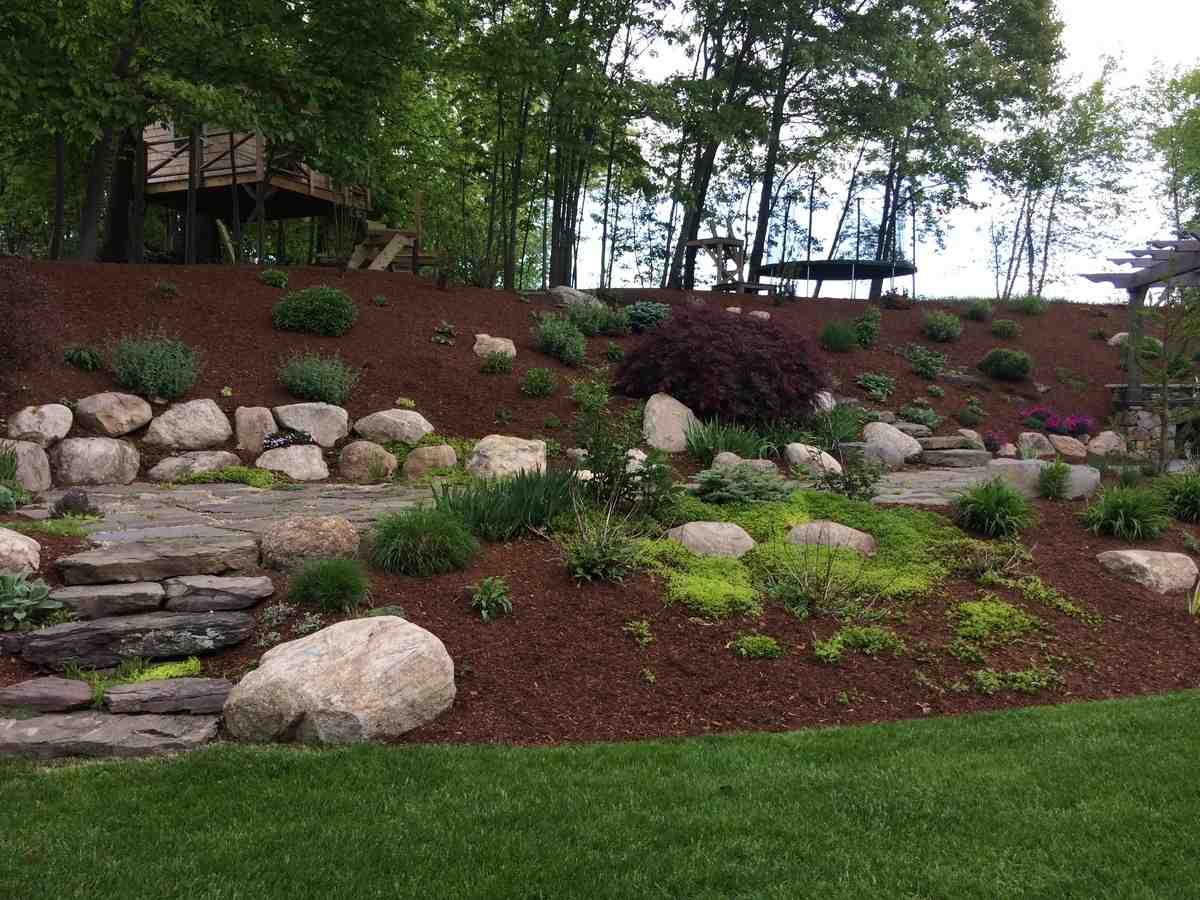
The best commercial landscape designs feel both current and timeless, like a well-custom suit that never goes out of style. After nearly two decades creating landscapes throughout the Merrimack Valley, I’ve learned that successful commercial projects combine proven fundamentals with smart innovations that solve real business problems.
Native species form the backbone of every sustainable landscape we design. Here in Massachusetts and New Hampshire, plants like red maple, white oak, and native perennials don’t just survive—they thrive with minimal fuss once established. These plants know how to handle our winters and summer heat waves, which means less worry for property managers and lower maintenance costs for building owners.
The shift toward drought-tolerant plantings isn’t just about being environmentally responsible (though that matters). It’s about creating landscapes that look professional even during those inevitable dry spells when irrigation restrictions kick in. We select plants that maintain their good looks regardless of Mother Nature’s mood swings.
Quality hardscape elements provide the structural foundation that makes outdoor spaces work year-round. Our hardscaping creates the bones of functional commercial landscapes—walkways that handle heavy foot traffic, patios that serve as outdoor meeting rooms, and retaining walls that solve drainage challenges while adding visual interest.
Permeable pavers have become essential for managing stormwater runoff while creating attractive surfaces. These installations help properties meet municipal requirements while often qualifying for green building incentives. Plus, they look great and handle our freeze-thaw cycles better than traditional paving.
Smart technology has revolutionized how we approach irrigation. Smart irrigation systems use weather data and soil sensors to deliver water only when plants actually need it. These systems typically cut water usage by 20-40% while keeping plants healthier than traditional sprinkler timers ever could.
Water features create those memorable moments that make properties stand out. Whether it’s a simple fountain that masks traffic noise or an elaborate pond system that becomes a landmark, water adds life and movement to commercial landscapes. The sound of water also creates natural gathering spots where people want to spend time.
Living walls represent the cutting edge of commercial design, bringing dramatic vertical gardens to building exteriors and courtyards. These installations make powerful statements about environmental commitment while providing real air purification benefits. They’re conversation starters that generate positive buzz on social media.
Gabion walls offer a modern alternative to traditional retaining walls, combining industrial aesthetics with practical function. These wire-and-stone structures provide excellent drainage, require minimal maintenance, and can incorporate lighting for stunning nighttime effects.
Hardscape Features That Boost Functionality
The hardscape elements in commercial landscape designs serve as the foundation that transforms outdoor spaces from pretty pictures into practical business assets. Our hardscaping expertise ensures these features work as hard as they look good.
Walkways and pathways need to handle everything from daily foot traffic to emergency vehicle access. We design these routes with appropriate widths and slip-resistant surfaces that meet ADA requirements while guiding people naturally through your property. The best pathways feel intuitive—visitors follow them without thinking about it.
Patios and courtyards create outdoor rooms that extend your building’s usable space. These areas serve multiple masters: employees need comfortable break zones, managers want informal meeting spaces, and executives appreciate venues for corporate events. We design these spaces with proper drainage, flexible seating arrangements, and weather protection that makes them usable throughout the growing season.
Retaining walls solve the challenge of sloped sites while creating opportunities for terraced plantings and built-in seating. Modern retaining wall systems offer design flexibility and long-term durability while managing water flow and preventing erosion problems that can become expensive headaches.
Seating pods and gathering areas provide comfortable spaces that actually get used. We design these features with real people in mind—ergonomic considerations, weather resistance, and flexibility to accommodate different group sizes and activities. The goal is creating spaces where people want to spend time, not just admire from a distance.
The gabion wall trend brings contemporary industrial aesthetics to commercial landscapes. These wire-and-stone structures work particularly well in modern office complexes and industrial settings, offering excellent drainage and minimal maintenance while creating dramatic focal points that can incorporate integrated lighting.
Lighting for Ambiance, Safety & Security in Commercial Landscape Designs
Professional lighting design transforms commercial landscape designs from daytime-only features into 24-hour assets that improve security, extend usability, and create memorable nighttime appeal. Quality lighting makes your workplace more secure while showcasing your landscape investment after dark.
LED technology has completely changed the commercial lighting game. These fixtures use 60-80% less energy than traditional lighting while lasting years longer and offering precise control options. The color rendering is superior too, which means your landscape looks as good at night as it does during the day.
Path lighting systems ensure safe navigation while creating attractive visual guides through your property. We design pathway lighting that provides adequate illumination for security purposes while maintaining the welcoming atmosphere that makes visitors feel comfortable approaching your building.
Uplighting techniques highlight architectural features, specimen trees, and focal points to create dramatic effects that make your property memorable after sunset. Strategic uplighting can transform an ordinary building and landscape into a striking nighttime landmark that reinforces your professional image.
Motion sensor integration provides security benefits while conserving energy. These systems activate bright illumination when movement is detected while maintaining lower ambient lighting levels during quiet periods. It’s like having a security guard that never takes a break.
Smart lighting controls allow remote management through smartphone apps or building management systems. Property managers can adjust lighting for seasonal changes, special events, or energy optimization without trudging around the property with a flashlight.
Sustainable & Eco-Friendly Practices
Environmental responsibility isn’t just good PR anymore—it’s become essential in modern commercial landscape designs. Corporate sustainability goals, regulatory requirements, and tenant expectations all drive demand for eco-friendly practices that often qualify for green building credits and municipal incentives.
Rain gardens and bioswales manage stormwater runoff while creating attractive landscape features that serve multiple purposes. These systems filter pollutants, reduce flooding risks, and often satisfy municipal stormwater management requirements while adding visual interest and wildlife habitat to your property.
Green roof systems provide insulation benefits, manage stormwater, and create unique outdoor spaces on building rooftops. While they represent significant initial investments, green roofs reduce energy costs, extend roof life, and provide valuable outdoor amenities in urban environments where ground-level space is limited.
Xeriscaping principles emphasize water-wise landscaping through drought-resistant plants and efficient irrigation design. These approaches maintain attractive landscapes while dramatically reducing water consumption and maintenance requirements—a win for both the environment and operating budgets.
Recycled materials in hardscape construction reduce environmental impact while often providing cost savings. Recycled concrete, reclaimed stone, and composite materials offer durability and aesthetics while supporting sustainability goals that matter to environmentally conscious tenants and customers.
Smart irrigation controllers optimize water usage through weather monitoring, soil sensors, and programmable zones that deliver precise irrigation only when plants actually need it. These systems typically reduce water consumption by 20-40% while maintaining superior plant health through more targeted watering.
Timeless Ideas vs Current Trends
The most successful commercial landscape designs balance enduring design principles with contemporary trends that address current business needs. Our approach emphasizes creating landscapes that remain attractive and functional for decades while incorporating modern features that provide immediate utility and competitive advantage.
Evergreen structural plantings provide year-round presence and define spaces regardless of season. We use evergreen trees and shrubs as the landscape’s backbone, ensuring your property maintains a professional appearance during those long New England winters when deciduous plants are taking their annual nap.
Seasonal color programs add dynamic interest through rotating displays of annuals and perennials that celebrate each season. These programs keep your landscape looking fresh and current while demonstrating ongoing attention to property maintenance—important signals to tenants, customers, and visitors.
Natural stone accents offer timeless appeal that complements both traditional and contemporary architecture. Quality stone installations actually appreciate in value over time while requiring minimal maintenance compared to manufactured materials that may need replacement as styles change.
Living wall installations represent current trends in vertical gardening that make dramatic statements about environmental commitment. While requiring specialized maintenance, living walls create unique focal points that generate significant positive attention and social media buzz.
Edible garden features reflect growing interest in sustainable food systems and employee wellness programs. Herb gardens, fruit trees, and vegetable plots can provide fresh ingredients for corporate cafeterias while creating engaging outdoor spaces that employees actually use and appreciate.
Outdoor kitchen areas extend commercial properties’ entertainment and meeting capabilities. These installations support corporate events, employee appreciation activities, and client entertainment while adding significant value to hospitality and multi-family properties that want to differentiate themselves from the competition.
Designing for Function, Brand & Year-Round Appeal
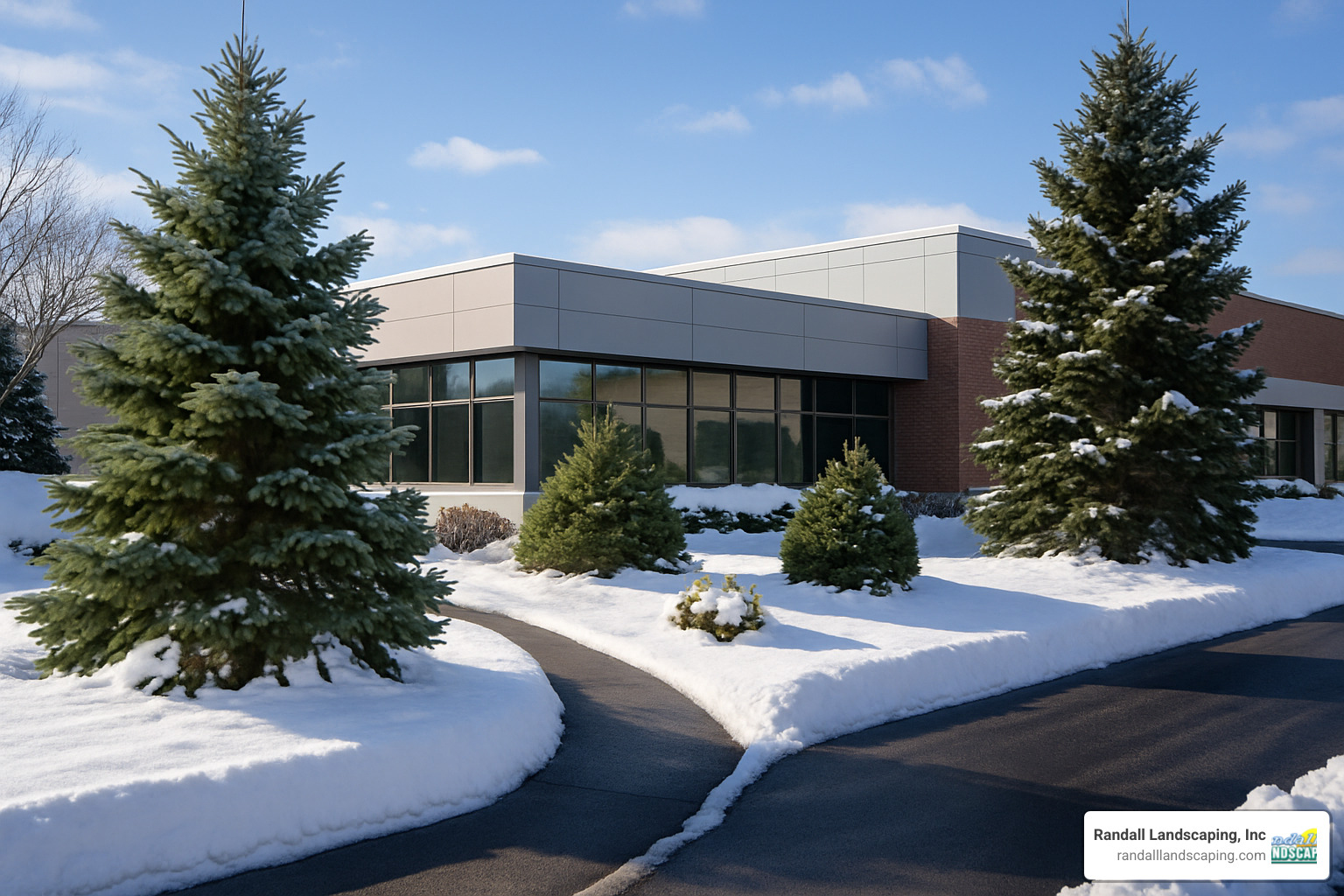
Creating successful commercial landscape designs means thinking beyond pretty plantings to address the real-world challenges businesses face every day. After nearly two decades designing landscapes throughout the Merrimack Valley and Southern New Hampshire, I’ve learned that the most beautiful landscape fails if it doesn’t work practically for the people who use it.
The best commercial landscapes feel effortless to steer, but that seamless experience comes from careful circulation flow planning. We study how people naturally move through your property—where they park, which entrances they prefer, where they gather for conversations. Then we design pathways that feel intuitive while gently guiding visitors toward key areas like main entrances or outdoor seating zones.
Brand integration happens through thoughtful details rather than obvious corporate displays. We coordinate landscape colors with your company palette, select plants that reflect your brand personality, and design signage integration that feels natural within the landscape. A tech company might feature clean lines with ornamental grasses, while a healthcare facility benefits from softer, more nurturing plantings.
Year-round functionality requires honest planning for New England’s challenging seasons. Our seasonal rotation strategies maintain professional appearance through spring’s mud season, summer’s heat stress, fall’s leaf cleanup, and winter’s snow challenges. Understanding these cycles helps us select plants that look good in all seasons while planning maintenance schedules that keep Commercial Landscape Maintenance Cost predictable and reasonable.
Snow management considerations shape every design decision in our climate. We position plants away from snow storage areas, select salt-tolerant species for areas near walkways, and ensure maintenance crews can access all areas with plowing equipment. Smart winter planning prevents the expensive surprise repairs that come from overlooking seasonal realities.
Modern technology integration has transformed how we approach commercial landscape projects. We use advanced design software to show clients exactly how their landscape will look before installation begins, while smart irrigation and lighting systems provide ongoing efficiency and control that wasn’t possible just a few years ago.
Planning Functional Outdoor Spaces for Employees & Visitors
Today’s employees expect more from their workplace environment than ever before. The companies that attract and retain top talent understand that comfortable outdoor spaces aren’t luxuries—they’re essential amenities that support productivity and job satisfaction.
Work patios and outdoor meeting areas have become some of the most popular features in our commercial projects. We design these spaces with practical considerations like WiFi-enabled seating arrangements, power access for devices, and acoustic planning that makes outdoor conversations comfortable. The cognitive benefits of natural environments make these outdoor meeting spaces more than just nice amenities—they’re tools for better thinking and problem-solving.
Shade structures and pergolas extend the usability of outdoor spaces during hot summer months. These features create defined outdoor rooms that feel purposeful and comfortable rather than exposed and temporary. We often incorporate climbing plants on these structures to provide additional cooling and visual softness.
Accessibility compliance ensures every outdoor amenity welcomes users with diverse mobility needs. We design pathways, seating areas, and gathering spaces that exceed ADA requirements while maintaining natural landscape character. Universal design principles benefit everyone, not just those with specific accessibility needs.
The goal is creating outdoor spaces that people actually want to use. When employees choose to take their lunch breaks in your landscape or hold impromptu meetings in your outdoor seating areas, you know the design is working.
Using Technology to Maximize Efficiency in Commercial Landscape Designs
Technology has revolutionized how we design, install, and maintain commercial landscape designs. These tools improve accuracy, reduce costs, and provide ongoing management capabilities that help your landscape investment perform better over time.
3D renderings and visualization eliminate the guesswork from landscape design. Instead of trying to imagine how your property will look based on flat drawings, you can virtually walk through your future landscape and request changes before any installation begins. This technology reduces miscommunication and ensures final results match expectations.
Drone surveying provides incredibly accurate site measurements and topographic data while identifying drainage issues, existing vegetation conditions, and site constraints that might not be obvious from ground level. This technology improves design accuracy while often reducing surveying costs compared to traditional methods.
Smart irrigation systems represent one of the most valuable technology investments for commercial properties. These systems use weather monitoring, soil moisture sensors, and programmable zones to deliver precise irrigation only when plants actually need water. Most clients see water usage reductions of 20-40% while maintaining superior plant health.
Data dashboards allow property managers to monitor landscape systems through smartphone apps or building management platforms. Real-time information about irrigation schedules, lighting performance, and maintenance needs enables proactive management that prevents problems before they become expensive repairs.
Seasonal Strategies & Commercial Snow Services
New England’s dramatic seasonal changes require landscape designs that maintain professional appearance and functionality throughout the year. The most successful commercial landscapes accept these seasonal transitions rather than fighting against them.
Winter interest planning ensures your property looks intentional and well-maintained even during dormant seasons. We select plants with attractive bark textures, persistent fruits, or evergreen foliage that provide visual appeal when deciduous plants are bare. Ornamental grasses with interesting seed heads and shrubs with colorful winter stems add movement and color to winter landscapes.
Evergreen screening provides year-round privacy and wind protection while maintaining landscape structure during winter months. Strategic placement of evergreen hedges and specimen trees creates outdoor rooms, blocks unsightly views, and provides windbreaks that improve comfort in outdoor seating areas throughout the year.
Container swap-out programs offer flexibility for seasonal color changes without disrupting established landscape beds. We design container gardens at entrance areas that can be refreshed with seasonal plantings, ensuring your property maintains vibrant curb appeal throughout the year while minimizing maintenance disruption.
Winter functionality requires coordination between landscape design and commercial snow management. Our Commercial Snow Plowing services work hand-in-hand with landscape planning to ensure winter weather doesn’t compromise safety or damage your landscape investment. We design with snow storage areas, select salt-tolerant plants for areas near walkways, and coordinate snow removal procedures that protect both safety and landscape preservation.
Process, Average Costs* & Selecting a Landscape Partner
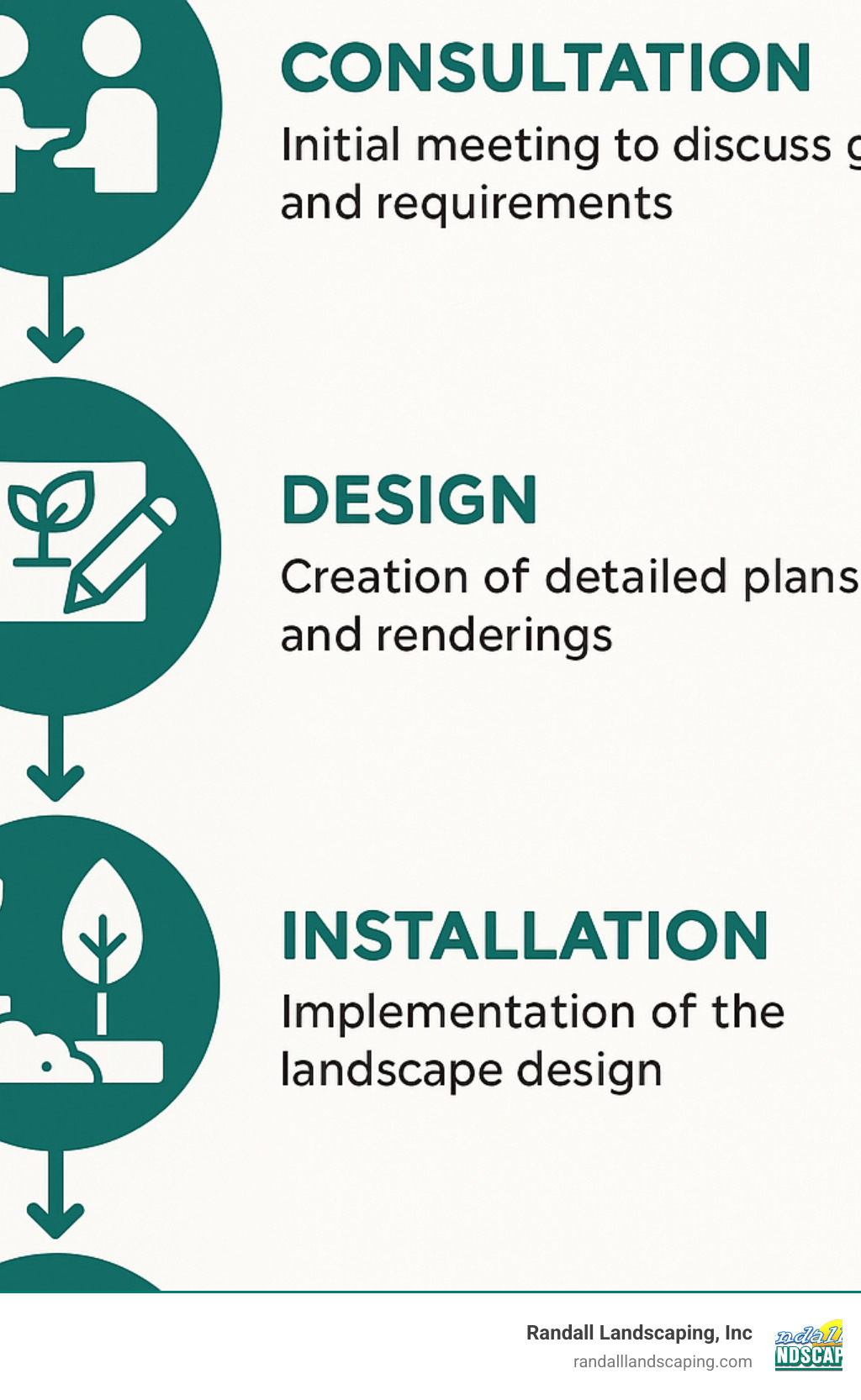
Creating successful commercial landscape designs requires a thoughtful process that balances your vision with practical realities. After seventeen years of changing business properties throughout the Merrimack Valley and Southern New Hampshire, I’ve learned that the best projects start with careful planning and clear communication.
The journey begins with comprehensive site analysis where we walk your property together, discussing your goals while I evaluate soil conditions, drainage patterns, and existing features. This isn’t just about measuring spaces—it’s about understanding how your landscape can better serve your business needs.
Concept development transforms our conversations into visual plans that reflect your brand and functional requirements. We explore creative solutions that maximize your property’s potential while staying within budget parameters. This stage often reveals opportunities you hadn’t considered, like converting underused areas into employee gathering spaces or improving traffic flow through strategic plantings.
Budget alignment happens early in our process because surprises help nobody. We provide detailed estimates for different design options, allowing you to make informed decisions about which features deliver the best value. Sometimes a phased approach makes sense, spreading costs over multiple budget cycles while ensuring each phase creates immediate impact.
Our Landscape Design & Installation process includes permitting coordination that handles all regulatory requirements. We manage municipal approvals, utility clearances, and ADA compliance verification so you can focus on running your business while we handle the paperwork.
Installation management minimizes disruption to your operations through careful scheduling and clear communication. We coordinate deliveries during off-hours when possible and maintain clean, safe work areas that don’t interfere with your customers or employees.
The process concludes with maintenance planning that protects your investment for years to come. Whether you prefer in-house care or our ongoing maintenance programs, we ensure you understand what your new landscape needs to thrive.
Step-by-Step Commercial Landscape Design Workflow
Every successful commercial landscape designs project follows a proven workflow that minimizes surprises while maximizing results. Our systematic approach has evolved over hundreds of commercial projects to ensure consistent quality and client satisfaction.
Initial consultation involves more than just a site visit—it’s a comprehensive discussion about your vision, constraints, and timeline. We meet with all stakeholders, from property managers to executives, ensuring everyone’s input shapes the final design. These conversations often reveal important details that significantly influence our recommendations.
Site survey and analysis provides the technical foundation for great design. We document existing conditions, test soil quality, evaluate drainage patterns, and identify any underground utilities or easements that might affect our plans. This detailed analysis prevents costly surprises during installation.
Design development starts with scaled drawings that show proposed layouts and major features. We create 2D plans that clearly communicate our vision while serving as working documents for installation crews. These drawings include plant schedules, material specifications, and detailed notes that ensure accurate installation.
3D visualization brings our plans to life through realistic renderings that help you experience the proposed design before any work begins. This technology allows us to refine details and make adjustments based on your feedback, ensuring the final result exceeds your expectations.
Approval and permitting coordinates all necessary clearances while finalizing material selections and scheduling. We handle municipal permits, coordinate with utility companies, and address any engineering requirements while keeping your project on track.
Phased implementation works particularly well for larger commercial projects where budget or operational considerations make staged installation preferable. We design projects that look complete at each phase while building toward the ultimate vision.
Average Pricing & Budget Ranges*
Understanding typical investment ranges helps you plan effectively for commercial landscape designs. While every project is unique, these industry averages provide helpful guidance for budgeting purposes. These figures represent general market data and not specific pricing from Randall Landscaping.
Design fees typically range from $0.25 to $1.50 per square foot of total project area, with complex sites requiring higher design investment. Factors like challenging grades, multiple stakeholder coordination, and custom features push costs toward the higher end. Design investment usually represents 8-15% of total project costs but pays dividends through better planning and fewer change orders.
Hardscape installations represent the largest cost component in most commercial projects, ranging from $15 to $60 per square foot depending on materials and complexity. Simple concrete walkways fall at the lower end, while elaborate natural stone patios with integrated lighting and custom drainage systems reach the higher ranges.
Planting zones typically cost $8 to $25 per square foot including soil preparation, plant materials, and initial mulching. Costs vary significantly based on plant sizes, soil conditions, and density requirements. Mature specimen trees and extensive soil amendments can push costs well beyond these ranges.
Landscape lighting systems range from $2,000 to $15,000 for typical commercial installations. Basic path lighting falls at the lower end, while comprehensive systems with architectural uplighting, smart controls, and integrated security features reach the upper ranges. LED systems cost more initially but provide substantial energy savings over their 15-20 year lifespans.
Irrigation installations typically cost $0.40 to $2.00 per square foot of coverage area. Smart systems with weather monitoring and remote control capabilities fall at the higher end but provide ongoing water savings and management convenience that justify the additional investment.
*Average costs are compiled from publicly available internet sources and are not a quote from Randall Landscaping, Inc.
How to Choose the Right Commercial Landscape Design Firm
Selecting the right partner for your commercial landscape designs significantly impacts both project success and long-term satisfaction. After working with hundreds of commercial clients, I’ve seen how the right partnership creates lasting value while the wrong choice leads to frustration and additional costs.
Professional credentials provide important indicators of competency and reliability. Look for proper licensing, comprehensive insurance coverage, and industry certifications that demonstrate ongoing education and commitment to excellence. These credentials protect you while indicating the firm’s dedication to professional standards.
Commercial portfolio experience reveals whether a firm truly understands business landscape needs. Ask to see recent projects similar to yours in scope and complexity. More importantly, request references from recent clients who can share insights about communication, project management, and long-term satisfaction. Our guide on How to Get Commercial Landscape Contracts provides additional insights into successful commercial partnerships.
Sustainability expertise becomes increasingly important as environmental regulations and corporate responsibility programs emphasize green practices. Choose firms that understand native plant selection, water conservation techniques, and sustainable materials while staying current with LEED and other green building standards.
Transparent communication during the proposal process usually predicts ongoing project communication quality. The best firms listen carefully to your needs, ask thoughtful questions, and provide clear explanations of their recommendations. They should offer detailed cost breakdowns that help you understand where your money goes and how different choices affect overall investment.
Local knowledge matters significantly in our New England climate. Firms with extensive regional experience understand our soil conditions, weather patterns, and plant performance while maintaining relationships with quality suppliers and subcontractors. This local expertise prevents costly mistakes while ensuring your landscape thrives in our challenging climate.
Frequently Asked Questions about Commercial Landscape Designs
How can we keep our new landscape low-maintenance?
The secret to low-maintenance commercial landscape designs lies in making smart choices from the very beginning. When we design your landscape, we focus heavily on selecting plants that actually want to live in your specific location rather than fighting against nature.
Native and adapted species form the backbone of every low-maintenance design we create. Here in Massachusetts and New Hampshire, plants like red maple, white oak, and native perennials have evolved to thrive in our climate. Once they’re established, these plants practically take care of themselves because they’re already perfectly suited to our soil conditions, rainfall patterns, and temperature swings.
Smart irrigation systems eliminate the guesswork and constant adjustments that make traditional irrigation so time-consuming. These systems automatically check weather forecasts, monitor soil moisture levels, and adjust watering schedules accordingly. You’ll never again worry about whether your landscape is getting too much or too little water, and the system will alert you if anything needs attention.
Investing in quality hardscape features provides immediate low-maintenance benefits. A well-built walkway or patio needs only occasional power washing and maybe some joint sand replacement every few years. Compare that to grass areas that need weekly mowing, regular fertilizing, and constant attention, and you’ll see why hardscapes make such practical sense for busy commercial properties.
Professional mulching programs work like magic for reducing ongoing maintenance needs. Good mulch suppresses weeds before they start, keeps soil moisture consistent so plants stay healthier, and slowly improves your soil as it breaks down. We typically recommend refreshing mulch annually, which prevents most weed problems and keeps everything looking crisp and professional.
The smartest investment you can make is establishing a professional maintenance contract right from the start. Our maintenance teams know exactly what each plant needs and when it needs it. We catch small problems before they become expensive headaches and keep everything looking its best year-round.
What sustainable certifications or incentives are available?
You might be surprised by how many programs exist to support sustainable landscape practices. These incentives can significantly offset your initial investment while providing ongoing cost savings that improve your bottom line.
Municipal stormwater programs often provide credits or rebates for rain gardens and permeable paving installations. Many communities are actively encouraging these features because they reduce strain on municipal drainage systems. We’ve helped clients reduce their stormwater fees by 20-40% through strategic landscape design that manages runoff naturally.
LEED certification programs award valuable points for sustainable landscape practices including native plant selection, water-efficient irrigation, and innovative stormwater management. If your building is pursuing LEED certification, the right landscape design can contribute significantly to achieving higher ratings while reducing your operating costs.
Utility rebate programs frequently cover substantial portions of smart irrigation systems and LED lighting installations. We’ve seen rebates cover 30-50% of smart irrigation costs, and LED lighting rebates often pay for themselves within the first year through energy savings alone.
Green roof installations qualify for some of the most generous incentives available, including tax credits, utility rebates, and expedited permitting in many municipalities. While green roofs require significant initial investment, the combination of incentives and ongoing energy savings often makes them surprisingly affordable.
Local tree planting initiatives sometimes provide free or heavily discounted trees for commercial properties that commit to proper care. These programs recognize that mature trees provide community benefits including air quality improvement and stormwater management.
How soon will we see ROI from landscape improvements?
The return on investment from commercial landscape designs often surprises business owners with how quickly it becomes apparent. Unlike many business improvements that take years to show results, quality landscaping starts paying dividends almost immediately.
Property value increases appear as soon as the work is completed. Professional appraisers recognize quality landscape improvements and factor them into updated property valuations. We’ve seen commercial properties gain 5-15% in appraised value from comprehensive landscape upgrades, with the increase often exceeding the cost of the improvements.
Rental rate improvements provide immediate ongoing revenue for property owners. Well-landscaped commercial properties command rental premiums of up to 7% compared to similar properties with basic landscaping. For a building with $500,000 in annual rental income, that’s $35,000 in additional revenue every year.
Energy savings begin with the first growing season and compound as your landscape matures. Strategic tree placement can reduce summer cooling costs by 15-35% immediately, while windbreak plantings start reducing winter heating costs right away. These savings grow larger each year as trees mature and provide more effective climate control.
The research on customer spending patterns shows remarkable immediate impact. Studies consistently demonstrate that shoppers spend 9-12% more in well-landscaped business districts. For retail properties, this increased spending often becomes noticeable within the first few months after landscape completion.
Employee satisfaction and productivity improvements typically appear within the first season as staff begin using outdoor amenities and benefiting from improved views and air quality. Companies report better recruitment success and reduced turnover in well-landscaped properties, saving significant costs in hiring and training.
Most of our commercial clients achieve complete payback within 3-5 years through the combination of increased property values, reduced operating costs, and improved revenue potential. The best part? Well-maintained landscapes continue providing these benefits for decades beyond the initial payback period, making them one of the most reliable long-term investments you can make in your property.
Conclusion
Your business deserves a landscape that works as hard as you do. Commercial landscape designs aren’t just about making things look pretty—they’re about creating outdoor environments that actually help your business succeed. After years of changing properties across the Merrimack Valley and Southern New Hampshire, I’ve seen how the right landscape design can completely change how people experience your business.
The numbers don’t lie. When customers spend 9-12% more in well-landscaped areas and employees show 23% better concentration around plants, we’re talking about real money in your pocket. These aren’t just nice-to-have amenities anymore—they’re business tools that pay for themselves.
Think about what your landscape needs to accomplish. It has to make a great first impression on potential customers, provide comfortable spaces where employees actually want to spend time, look professional in every season, and do all this while being environmentally responsible. That’s a tall order, but it’s exactly what good commercial landscape design delivers.
Here’s what makes commercial landscaping different from residential work: your property has to handle dozens or hundreds of people every day, meet strict safety codes, survive harsh weather, and keep looking great with minimal fuss. You need ADA compliance, proper lighting for security, and plants tough enough to handle foot traffic and road salt. This isn’t weekend warrior territory—it requires real expertise.
The best part? Modern landscape technology makes everything easier. Smart irrigation systems cut water bills while keeping plants healthier. LED lighting provides security and beauty while using a fraction of the electricity. Native plants look great year-round with almost no maintenance once they’re established.
As the owner of Randall Landscaping, Inc., I’ve built our reputation on delivering landscapes that make business sense. We understand local climate challenges, know the permitting process inside and out, and design with your bottom line in mind. Our Commercial Landscaping approach treats your outdoor space as a strategic business investment, not just decoration.
Whether you’re starting from scratch or want to upgrade specific areas, professional commercial landscape designs create environments that support your business goals. You’re not just buying plants and walkways—you’re investing in customer attraction, employee satisfaction, and property value that keeps growing year after year.
Your landscape should tell the story of a business that cares about quality, pays attention to details, and creates environments where people feel welcome. When done right, it becomes one of your most effective marketing tools, working 24/7 to communicate your values to everyone who visits your property.
Ready to see what strategic landscape design can do for your business? Let’s talk about creating an outdoor environment that not only looks impressive but actually helps your business thrive. Because at the end of the day, the best landscape is one that makes your business more successful.