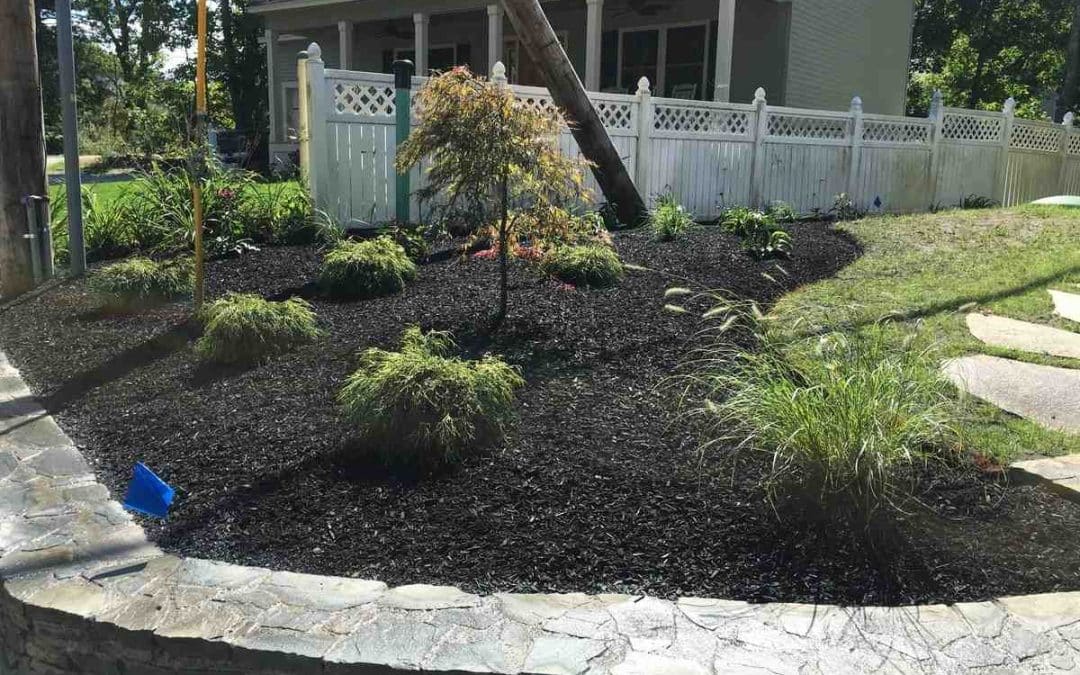
Why Commercial Mulch Installation Matters for Your Property
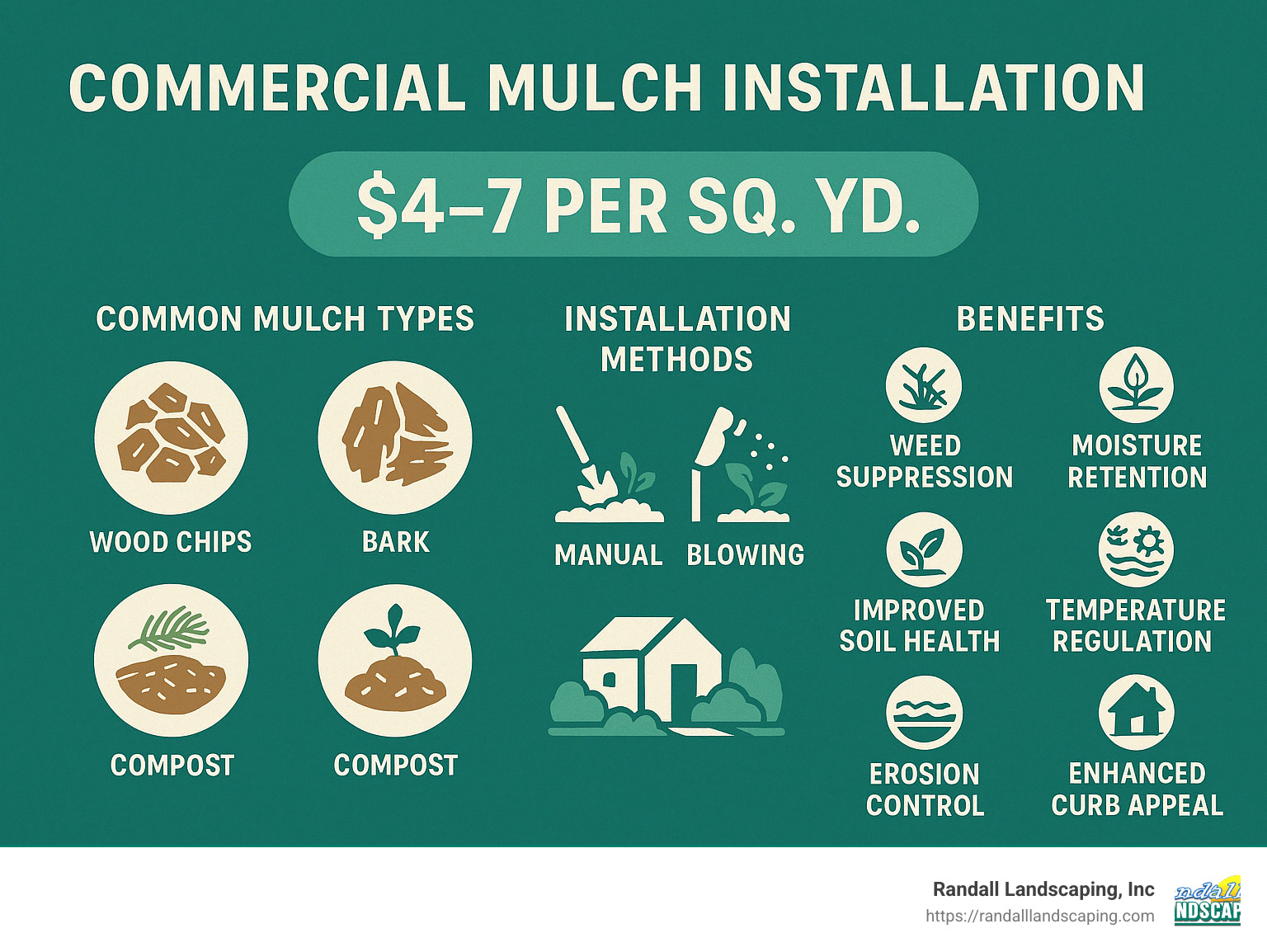
If you’re considering commercial mulch installation, here’s a quick snapshot of what you need to know:
- Average Cost: Typically ranges from $40 to over $120 per cubic yard (including materials and labor). (Based on industry averages, not actual pricing at Randall Landscaping.)
- Common Mulch Types: Organic (wood chips, bark, pine needles) and inorganic (rubber, stone).
- Installation Methods: Traditional manual spreading or advanced mulch blowing.
- Benefits: Weed suppression, moisture retention, improved soil health, temperature regulation, erosion control, and improved curb appeal.
Properly mulched commercial landscapes aren’t just visually attractive—they protect plants, reduce maintenance, and help your business make a great first impression. But, choosing the right mulch type and installation method can be tricky.
I’m Tommy Randall, owner of Randall Landscaping. I’ve spent nearly two decades providing expert commercial mulch installation services in Massachusetts and New Hampshire, helping businesses like yours keep their landscapes healthy and attractive.
The Benefits of Commercial Mulch Installation
When it comes to maintaining a commercial landscape, commercial mulch installation can be one of your best—and most cost-effective—investments. Fresh mulch instantly brightens up your property’s appearance, but the benefits don’t stop there.
At Randall Landscaping, we’ve watched countless Merrimack Valley and Southern New Hampshire properties transform through the power of mulch. From weed control to moisture retention, let’s explore the many rewarding advantages mulch offers your commercial property.
Weed Suppression and Soil Moisture in Commercial Mulch Installation
Let’s be honest: nobody likes pulling weeds. (Okay, maybe there’s someone out there, but probably not you.) Thankfully, professional mulch installation provides a highly effective physical barrier, preventing weeds from taking root and germinating. Mulch reduces weed seed exposure to sunlight and blocks weeds from breaking through the soil surface, cutting down significantly on unsightly weed growth.
This means fewer weeds, less frequent use of chemical herbicides, and way less manual labor. As our landscape operations manager likes to say, “Most property managers don’t realize how much time and money they’re spending on weed control until they implement a proper mulching program. We’ve seen maintenance costs drop by as much as 30% after installing quality mulch at the right depth.”
But mulch isn’t just about holding back weeds—it also works wonders for moisture conservation. Properly installed mulch dramatically slows evaporation from the soil surface, meaning your plants stay hydrated longer with less watering. Commercial properties with mulch beds typically see reduced water runoff during heavy rains and more consistent moisture levels for plants.
During the hot summer months here in Methuen, Lawrence, Andover, and across our region, we’ve seen properly mulched landscapes need up to 50% less supplementary watering compared to unmulched areas. If saving water (and money on irrigation bills) sounds good to you, commercial mulch installation is definitely the way to go.
Soil Temperature Regulation and Erosion Prevention
If you’ve been around New England for any length of time, you know our weather loves to swing between extremes. Hot summers, freezing winters—it’s tough out there for landscape plants. Thankfully, mulch acts like a comfy blanket for your soil, moderating temperature fluctuations and protecting your landscaping year-round.
In winter, mulch acts as insulation, protecting delicate plant roots from freezing temperatures. In summer, mulch keeps soil temperatures cooler, preventing stress and damage to plants. In fact, our soil management specialist has observed soil temperature differences as much as 15 degrees between mulched and unmulched beds during summer heatwaves. That kind of difference can be the deciding factor between plants that thrive and those that struggle.
And let’s not forget about erosion control. Commercial properties with slopes or areas prone to water runoff benefit tremendously from mulch installation. Heavy rains in areas like North Andover, Salem, and Windham can lead to rapid erosion, washing away valuable topsoil and leaving unsightly channels. Mulch reduces erosion by absorbing rainfall, slowing water movement, and maintaining soil structure.
By investing in professional commercial mulch installation, you not only protect your landscape’s health—you also help avoid costly repairs after storms. It’s a win-win scenario for your landscape, your budget, and your peace of mind.
Types of Mulch for Commercial Use
Choosing the right mulch for your commercial property can feel overwhelming with so many options out there. At Randall Landscaping, we love making this process easy, helping our clients select the perfect mulch type based on their unique property needs and goals.
Mulches generally fall into two main categories: organic and inorganic. Both types have their distinct advantages, and the best choice depends on your property’s specific characteristics, maintenance budget, and aesthetic preferences.
Organic vs. Inorganic Mulch
Organic mulch is made from natural materials that break down over time, enriching your soil and supporting plant health. Common examples you’ll find in commercial landscaping include double-shredded hardwood bark, pine bark nuggets, pine straw (pine needles), cedar mulch, hemlock mulch, and composted leaf mulch.
Organic mulches typically last about 1 to 3 years before they need replenishing. As they slowly decompose, they contribute nutrients back into the soil, improving its structure and fertility. Plus, they’re biodegradable and environmentally friendly!
On the other hand, inorganic mulch doesn’t break down—instead, it’s designed for durability and long-term use. Popular inorganic options include rubber mulch (often made from recycled tires), stone or gravel mulch, landscape fabric (often used beneath organic mulch to control weeds), recycled glass mulch, and synthetic mulch materials.
Inorganic mulches are longer-lasting, with a typical lifespan of 5 years or more. While they don’t enrich your soil directly, they offer excellent weed suppression and consistent appearance. They’re a smart choice for areas that need minimal maintenance and maximum durability.
To help you quickly compare the differences between the two, here’s a handy table:
| Feature | Organic Mulch | Inorganic Mulch |
|---|---|---|
| Lifespan | 1-3 years; needs regular replenishment | 5+ years; minimal replacement needed |
| Cost (average based on internet data) | $40 – $75 per cubic yard installed | $70 – $200+ per cubic yard installed |
| Soil Benefits | Adds nutrients and improves soil structure | No soil improvement benefits |
| Appearance | Natural look; variety of colors/shades | Uniform, consistent appearance |
| Environmental Impact | Biodegradable, sustainable | Non-biodegradable; some options recyclable |
| Weed Suppression | Good to excellent | Excellent |
| Heat Retention | Moderate | High (especially stone and rubber) |
| Installation Complexity | Standard installation | May require additional preparation |
At Randall Landscaping, we’ve found that double-shredded hardwood mulch remains the most popular organic choice for commercial properties in our area. Not only does it look fantastic, but it also offers a great balance of value, aesthetics, and functionality that our clients appreciate.
Selecting the Right Mulch Type for Your Commercial Property
Finding the perfect mulch type depends on several key factors. Ask yourself a few simple questions before making your choice:
First, what’s your aesthetic goal? Do you want a natural, rustic appearance—or a more polished, professional look? Organic mulches, like hardwood mulch or pine bark nuggets, provide a natural appeal, while inorganic materials like stone or rubber offer more uniformity.
Second, what’s your maintenance budget? Organic mulch will need occasional replenishing as it breaks down, while inorganic mulch typically needs less frequent maintenance.
Third, what are the site conditions? If your property has slopes or areas prone to erosion, heavier inorganic mulches such as stone can offer added stability. Shaded, flat landscaping beds might be ideal for organic mulch options that improve soil quality and moisture retention.
Next, consider the property’s usage. Is the mulched area high-traffic—like a pathway, playground, or busy storefront? Durable inorganic mulches or certified playground mulch might be safer, more practical options.
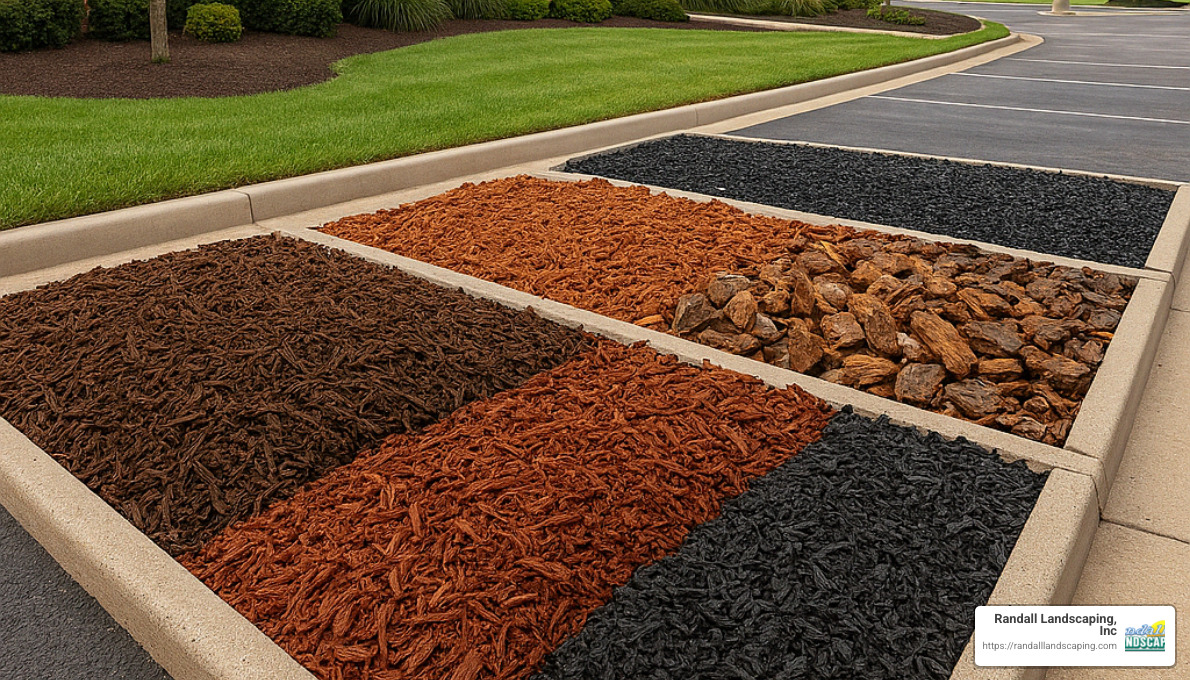
Lastly, think about color. Mulch typically comes in natural shades like red, brown, or black. Choosing the right color can complement your landscape design and help your business stand out positively.
Here in the Merrimack Valley and Southern New Hampshire, we’ve seen these choices work particularly well for local commercial properties:
- Office parks and corporate campuses often prefer double-shredded hardwood mulch in brown or black, providing a professional, tidy appearance.
- Retail centers frequently choose colored mulch (red or black) to grab attention and improve curb appeal.
- Industrial properties benefit from durable, low-maintenance pine bark nuggets that handle tough conditions.
- Playgrounds and recreational areas need special safety-certified playground mulch or rubber mulch to protect children and visitors.
- Restaurants and hospitality businesses love cedar or pine mulch for their attractive appearance and pleasant aroma.
Whether your goal is to wow customers, reduce maintenance, or protect your landscaping investment, selecting the right mulch type is key. At Randall Landscaping, we’re here to help you every step of the way in your commercial mulch installation journey!
Commercial Mulch Installation Methods
When it comes to commercial mulch installation, the method you choose can make all the difference in your project’s success. At Randall Landscaping, we’ve refined our approach over nearly two decades, using both time-tested traditional methods and cutting-edge techniques depending on what works best for each property.
Mulch Blowing vs. Traditional Commercial Mulch Installation Methods
Remember those days when mulch installation meant a crew with wheelbarrows, shovels, and lots of manual labor? That traditional approach still has its place in our toolkit. It involves delivering bulk mulch to your property and our team carefully spreading it by hand throughout your landscape beds.
But I’ve got to tell you about the game-changer in our industry: mulch blowing technology. This innovation has completely transformed how we approach larger commercial mulch installation projects.
“The first time I saw a mulch blower in action, I couldn’t believe how much time it saved,” shares one of our crew leaders. “What used to take us two full days with a team of four can now be completed before lunch.”
The benefits of mulch blowing for commercial properties are substantial:
Efficiency is perhaps the most dramatic advantage. Our blower trucks can apply 20-50 cubic yards per hour, compared to about 8 cubic yards using traditional methods. For perspective, that’s like finishing a job in one day that would have taken three days the old-fashioned way.
Reach is another major benefit. Have those awkward corners behind buildings or areas where trucks can’t easily access? Our blower hoses can reach up to 300 feet from the truck, making it perfect for properties with limited access points. We’ve even applied mulch to rooftop gardens up to 20 stories high!
The material savings might surprise you too. Blown mulch typically requires 10-20% less material while achieving the same coverage depth. The pneumatic application creates a more uniform layer across your landscape, eliminating those too-thick and too-thin spots that can happen with manual spreading.
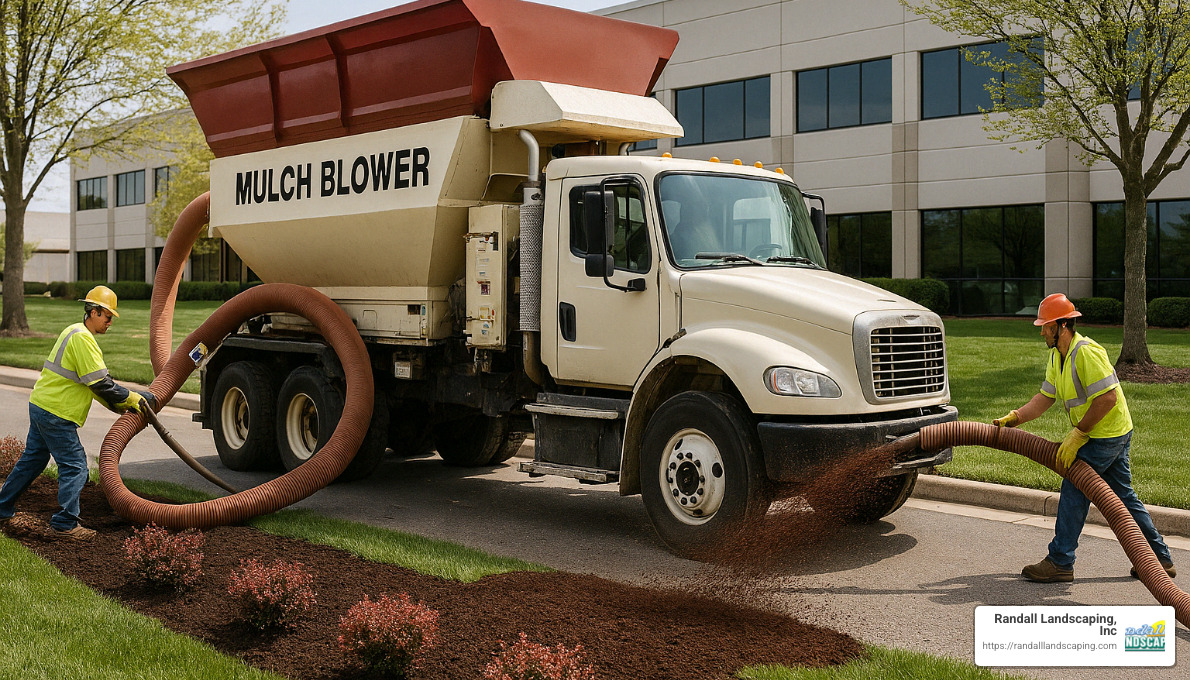
Perhaps best of all for your business operations, mulch blowing causes minimal disruption. There’s less foot traffic and equipment moving across your property, which means less damage to existing plants and turf. For busy commercial sites in places like Andover or North Reading, this means your customers and employees won’t have to steer around our work for days on end.
That said, traditional installation still shines in certain situations. For smaller projects or areas requiring extremely precise application around delicate plantings, the careful touch of manual installation can’t be beat.
When we evaluate your property, we consider factors like project size, site accessibility, budget, time constraints, and your landscape’s specific features before recommending the best approach for your needs.
Cost Considerations for Commercial Mulch Installation
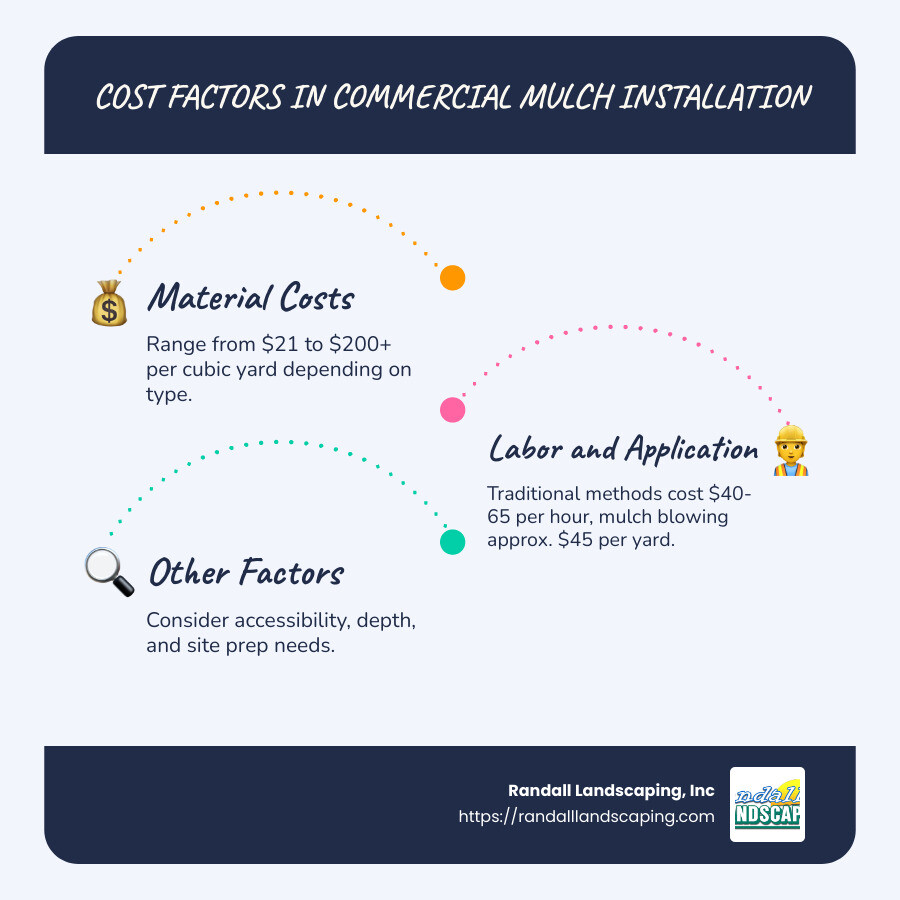
Let’s talk dollars and cents, because I know this matters for your budgeting. Based on industry data (not our specific pricing at Randall Landscaping), commercial mulch installation typically ranges from $40 to over $120 per cubic yard installed, with several factors affecting where your project might fall in that range.
Material costs vary widely based on the type of mulch you select. Basic hardwood mulch generally runs $21-45 per cubic yard, while premium options like cedar or pine bark might range from $30-60 per cubic yard. If you’re looking at colored mulches for visual impact, expect to pay $25-50 per cubic yard. Specialty options like rubber mulch can run significantly higher, from $70 to $200+ per cubic yard.
The installation method also impacts your bottom line. Traditional installation labor typically costs $40-65 per man-hour, while mulch blowing services often run approximately $45 per yard for installation plus material costs. If your beds need extra preparation work like weeding or edging before mulch goes down, that can add $40-70 per hour to the project.
Other factors that influence your final cost include:
Property accessibility (harder-to-reach areas require more labor or specialized equipment), application depth (3″ requires 50% more material than 2″), site preparation needs (like removing old mulch or extensive weeding), and even seasonal timing (peak season installations might cost more due to demand).
“When comparing quotes for commercial mulch installation, look beyond just the price per yard,” suggests our client services manager. “A lower quote might not include bed preparation or cleanup, while a slightly higher quote might offer a much more complete service. It’s all about understanding what you’re actually getting.”
For large commercial properties spanning several thousand square feet, we can often provide volume discounts. Some contractors charge a flat rate per cubic yard installed, while others (like us) prefer to provide detailed quotes that clearly outline what’s included in the service.
At Randall Landscaping, we pride ourselves on transparent, detailed quotes for all commercial projects throughout the Merrimack Valley and Southern New Hampshire. While we can’t share our specific pricing in this article (every property is unique!), we’re always happy to visit your site and provide a customized quote custom to your property’s specific needs.
Common Mistakes to Avoid in Mulch Installation
Even the best-quality mulch won’t deliver great results if it’s installed incorrectly. At Randall Landscaping, we’ve seen it all when it comes to commercial mulch installation—the good, the bad, and the “what were they thinking?” scenarios. Over the years serving commercial properties in Merrimack Valley and Southern New Hampshire, we’ve noticed some common mistakes businesses make. Let’s explore these common pitfalls and how to avoid them, so your landscape stays healthy, attractive, and thriving.
“Nothing livens up your commercial landscape like a fresh layer of mulch.”
That’s undeniably true—but only if applied correctly. Let’s look at how to get mulch installation just right.
Ensuring Proper Mulch Depth and Application
When it comes to commercial mulch installation, one of the most common missteps we see is mulch depth. Believe it or not, it’s possible to have too much of a good thing!
Overmulching happens when mulch layers exceed 4 inches. This extra-thick layer can smother plant roots, trap moisture against trunks and stems (leading to rot), and even invite pests. You’ve probably seen “mulch volcanoes”—those cone-shaped piles of mulch around tree trunks that seem popular but actually harm trees. They’re tempting to some landscapers who think they’re being generous, but trust us: your trees don’t appreciate the gesture.
On the other side, undermulching (less than 2 inches) leaves your landscape beds vulnerable. Too little mulch doesn’t adequately suppress weeds, won’t retain moisture effectively, and breaks down quickly, forcing you to mulch more often—and increasing maintenance costs.
So what’s the sweet spot? For most commercial properties, aim for a mulch depth between 2 to 4 inches. For general landscape beds, 2 to 4 inches provides excellent weed suppression and moisture retention. Established trees and shrubs do great with around 2 to 3 inches, while newly planted areas can benefit from a slightly thicker layer of 3 to 4 inches. When simply refreshing mulch, a light top-dressing of 1 to 2 inches works well.
Here’s a pro tip from Randall Landscaping: When mulching around trees, always leave a gap of about 2 to 3 inches between the mulch and the trunk. Keeping mulch away from the trunk prevents moisture buildup, which protects your tree bark from disease and rot.
Site Preparation and Maintenance
Another common mistake we see in commercial mulch installation is neglecting proper site preparation. Think of it like painting your office walls—if you don’t patch holes, remove dirt, or prime correctly first, the paint won’t stick or look great for long. Landscaping works much the same way. Skipping essential prep work reduces mulch’s effectiveness and shortens its lifespan.
Before installing mulch, Randall Landscaping follows a careful preparation approach. We start by thoroughly weeding landscape beds. Removing weeds first stops them from pushing through your fresh mulch layer later.
Next, clearly defined edges between turf and landscape beds are established. Besides looking sharp and professional, defined edges help mulch stay in place and prevent grass from creeping into your mulched beds.
We also assess the existing soil condition. If soil compaction or drainage problems exist, we address those before applying mulch. Good drainage and aerated soil make it easier for mulch to do its job effectively.
If your landscape currently has old mulch, we evaluate whether it should be removed or left in place. Often, blending existing mulch into the soil adds organic matter, reduces waste, and lowers removal costs—making it more environmentally friendly as well.
Lastly, we take special care to ensure mulch doesn’t bury plant crowns or tree root flares. Protecting these areas allows your plants to breathe and flourish.
After a proper commercial mulch installation, ongoing maintenance is crucial. We recommend an annual mulch refresh—typically done in the spring season—to maintain color, weed suppression, and moisture retention benefits.
Periodic cultivation, such as lightly loosening the mulch surface, prevents compaction and keeps air and water flowing freely. Weed removal should happen promptly as weeds appear; mulch helps reduce weeds significantly but won’t eliminate them completely without occasional weeding.
Finally, remember to touch up mulch that’s shifted due to heavy rain, foot traffic, or wind. Regular maintenance ensures your commercial landscape continues looking its best year-round.
By steering clear of these common mulch installation mistakes, your property will enjoy maximum benefits: healthier plants, reduced maintenance, a fresh professional look, and real cost savings over time.
Enhancing Aesthetics with Mulch in Commercial Landscapes
Beyond its practical benefits, commercial mulch installation makes a powerful visual impact on your property’s appearance. Let’s face it—first impressions matter, especially in business. Your landscape often creates that all-important first impression for clients, customers, and employees who visit your property.
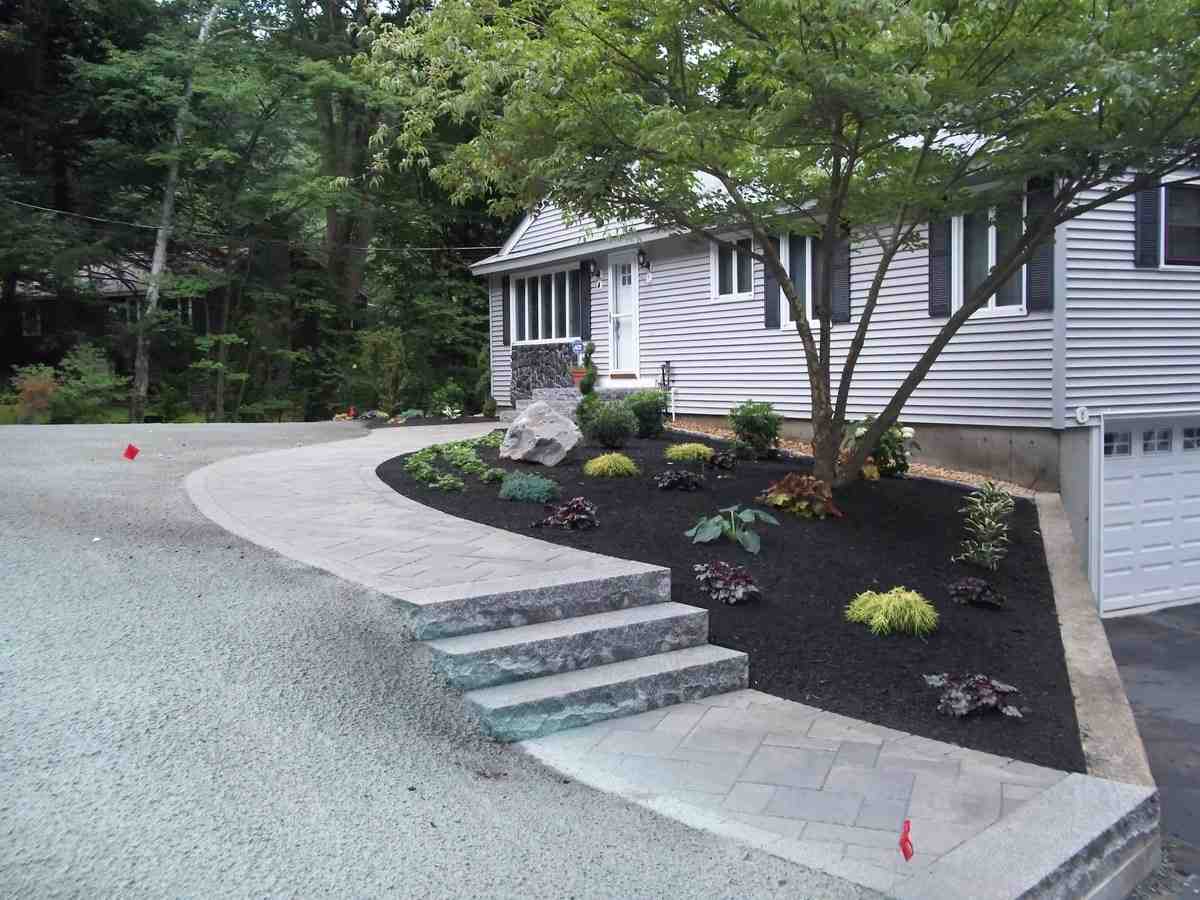
Our design consultant often jokes that fresh mulch is like “makeup for your landscape.” And it’s true! We’ve had clients amazed at how a single mulch refresh gives the entire property a brand-new look, without the cost or hassle of a full landscape renovation.
If your business is located in competitive areas like Methuen, Andover, or North Reading, you know the importance of standing out from the crowd. Beautiful landscaping can actually become a competitive advantage. Here’s how commercial mulch installation improves your property’s visual appeal:
Mulch adds color definition and contrast. Think of mulch as the backdrop for your landscape canvas. Dark or vibrant mulch colors allow your plants, flowers, and ornamental shrubs to stand out, creating visual interest and focal points. Choosing the right mulch color can even complement the architectural style of your building, bringing harmony and unity to the entire property.
Mulch creates that clean, manicured look. There’s nothing quite like fresh mulch to signal attention to detail and professionalism. Crisp edges and neatly mulched beds convey that your business takes pride in its appearance. A tidy, intentional landscape tells visitors that your company values quality and care—qualities that customers naturally associate with the business itself.
Mulch refreshes your property each season. Annual mulch applications send a strong visual cue that you’re actively caring for your property. When spring rolls around and fresh mulch appears, visitors see that your business is thriving, attentive, and vibrant. Mulch also provides an easy way to cover up winter’s harsh effects, hiding bare patches, old leaves, and debris.
Surprisingly, there’s even research linking attractive landscaping to increased customer satisfaction. For retail and service businesses, beautiful landscaping can encourage customers to spend more time on your property—and even positively affect their perception of your products and services. Who knew that a little mulch could have such a big impact?
At Randall Landscaping, we’ve helped countless businesses across the Merrimack Valley and Southern New Hampshire improve their curb appeal through thoughtful mulch choices. Whether you’re going for the sleek, professional look of black mulch for an office park, or the warm, inviting feel of cedar mulch for your hospitality business, we’ll help you find the perfect match for your brand and property.
The right mulch choice is truly a simple yet powerful tool for unifying your landscape, boosting curb appeal, and setting your business apart from the competition.
Environmental Benefits of Using Mulch in Commercial Landscaping
Today, sustainability isn’t just a buzzword—it’s a core value for many businesses we work with in the Merrimack Valley and Southern New Hampshire. And the good news is, your commercial landscaping decisions can have a positive impact on the environment. Commercial mulch installation is one of the simplest, most effective ways your business can accept eco-friendly landscaping practices.
One of the biggest environmental benefits mulch offers is water conservation. Proper mulching reduces soil evaporation, helping to maintain moisture levels. This means you can significantly cut down on your property’s irrigation needs, saving valuable water resources (and reducing your water bills). This benefit becomes especially noticeable during dry summer months in communities like Dracut, Georgetown, and Boxford.
Another eco-friendly advantage of mulch is reduced chemical use. Since mulch naturally prevents weeds from growing, your landscape maintenance team won’t need to rely as much on chemical herbicides. By decreasing chemical applications, you not only protect the environment—you also make your commercial property safer and healthier for employees, customers, and visitors. In fact, some of our commercial clients have reported reducing their herbicide use by up to 70% after investing in proper mulch installation.
Besides conserving water and minimizing chemical use, mulch—especially organic mulch—actively contributes to improving soil health. As organic mulch gradually breaks down, it enriches the soil by adding nutrients. This boosts soil structure, improves fertility, and encourages beneficial microorganisms—all of which translate into healthier, more resilient plants. In short, mulch helps create a stronger, self-sustaining landscape ecosystem.
Believe it or not, your choice of mulch can also help fight climate change through carbon sequestration. Organic, wood-based mulches actually lock carbon into the soil as they decompose, keeping it out of the atmosphere. Choosing locally sourced mulch further reduces transportation emissions. By opting for these natural mulch materials, your business supports regional forestry practices, reduces landfill waste, and actively participates in the natural carbon cycle. Pretty neat for something as simple as mulch, right?
At Randall Landscaping, we’re excited to see more and more local businesses embracing sustainability. Many of our commercial clients in towns like Andover and North Andover are specifically requesting organic, locally sourced mulch options. It’s a choice that not only aligns with their environmental values but also resonates positively with customers and employees.
When you choose Randall Landscaping for your commercial mulch installation, you’re making a decision that benefits your property, your business, and our shared environment. Let’s mulch our way to a greener future!
Frequently Asked Questions about Commercial Mulch Installation
How often should mulch be replenished in commercial landscapes?
For most commercial properties in the Merrimack Valley and Southern New Hampshire, we recommend replenishing mulch annually, typically each spring. A fresh layer applied in early spring not only revitalizes your landscape’s appearance after winter but also helps replace mulch that’s naturally decomposed or shifted around during harsh weather.
Annual commercial mulch installation ensures consistent weed suppression, moisture retention, and maintains that professional, welcoming appearance your customers and clients appreciate.
Of course, every property is unique. High-visibility commercial areas, such as main entryways or prominent flower beds, can benefit from an additional light mulch refresh in the fall. This extra application keeps your landscape looking sharp right through winter.
On the other hand, budget-conscious properties or shaded areas might comfortably replenish mulch every other year, provided the existing mulch is regularly maintained and lightly cultivated between applications.
Mulch decomposition rates can vary depending on the mulch type used, rainfall, and sun exposure. For instance, cedar and pine bark mulches generally last longer than traditional hardwood varieties. Mulch under dense tree coverage often lasts longer than mulch in direct sunlight, too.
When we replenish mulch at Randall Landscaping, we typically add about 1-2 inches rather than removing all the old mulch. This sustainable approach enriches your soil while maintaining optimal mulch depth.
What are the cost considerations for commercial mulch installation?
As mentioned earlier, average industry prices for commercial mulch installation range widely—from about $40 up to $120+ per cubic yard installed (please note these are general internet-based averages, not specific Randall Landscaping prices).
Several factors affect your overall mulch installation cost, including your property’s size and layout. Larger, more open properties often benefit from economies of scale, while properties with complex layouts—multiple small beds or tight access points—can require more labor hours or specialized equipment.
The method of mulch application also impacts cost. Traditional manual spreading tends to be more labor-intensive, while mulch blowing technology can increase efficiency. Additional services like edging, bed preparation, and cleanup may also influence your project’s price.
Your choice of mulch type is another key factor. Standard hardwood mulch tends to be the most budget-friendly choice, while premium mulches like cedar or pine bark nuggets, colored mulch, and specialty varieties like rubber mulch command higher initial prices—but may require less frequent replenishment.
Even timing can play a role: early spring installations may see slightly higher costs due to increased demand, whereas off-season installation can sometimes offer cost advantages. Emergency or rush installations typically incur premium pricing.
Here’s a quick budgeting tip: one cubic yard of mulch typically covers around 100 square feet at a 3-inch depth. Calculating the size of your landscape beds and desired mulch depth can help you estimate the volume you’ll need.
Many of our commercial clients in areas like Salem, Windham, and Pelham find value in including annual mulch replenishment as part of their regular landscape maintenance contracts. This helps them lock in consistent pricing, simplifies budgeting, and ensures timely mulch refreshes each year.
How can mulch installation improve the aesthetic appeal of a commercial property?
One of the quickest and most cost-effective ways to give your commercial property a fresh “face-lift” is professional commercial mulch installation. A new layer of mulch immediately improves your property’s visual appeal with sharp colors and clean lines.
Fresh mulch provides a consistent background color, helping your plants and flowers stand out beautifully. The right mulch color can even complement your building’s architecture or match your brand’s colors. This creates visual harmony and reinforces your business identity.
Well-defined, professionally mulched beds help structure your landscape, creating clean, attractive lines and clear visual organization. Mulch clearly separates landscaped areas from lawns and pathways, guiding visitors through your property in a welcoming manner.
Regular mulch application sends a powerful message to visitors and customers: your business takes pride in its appearance and pays attention to detail. This sense of care and professionalism helps build trust and a positive first impression.
We’ve seen clients in competitive areas like Andover, North Andover, and Lawrence experience dramatic visual changes simply by refreshing the mulch before hosting events or important client visits. As our client relations manager loves to say, “A well-timed mulch refresh can turn heads and spark compliments—sometimes more than you’d expect from something as simple as mulch!”
At Randall Landscaping, we understand the powerful impact mulch can have on your property’s aesthetics and your company’s image. That’s why we take pride in providing reliable, high-quality commercial mulch installation services for businesses across the Merrimack Valley and Southern New Hampshire.
Conclusion
Commercial mulch installation is far more than just a facelift for your commercial property—it’s an investment in the health, beauty, and sustainability of your landscape. By helping manage weeds, conserving soil moisture, regulating soil temperature, and controlling erosion, mulch does double-duty, enhancing your property’s curb appeal while significantly cutting back on long-term maintenance headaches.
At Randall Landscaping, we’ve spent nearly two decades partnering with businesses across the Merrimack Valley and Southern New Hampshire. From Amesbury and Andover to Methuen, Salem, and Windham—and every town in between—we know how proper mulching can transform a commercial landscape. Our local expertise means we understand the unique landscaping challenges businesses face in this region, from tough winters to hot summers.
Every commercial property is different—and that’s exactly why we provide customized solutions custom specifically to your needs. When you choose Randall Landscaping for your mulch installation, we take the time to learn about your particular property, including its use, landscape design, plant materials, maintenance budget, and environmental goals. Whether you’re managing an office park, a retail plaza, an industrial site, or a multifamily community, we’ll help select the right mulch type, method, and color to perfectly align with your aesthetic preferences and practical requirements.
We know choosing a landscaping partner is a big decision. At Randall Landscaping, our reputation is built on two simple promises—quality work and 100% reliability. From the first phone call to the final sweep of mulch, our team is dedicated to making your experience positive and hassle-free.
Ready to see how professional commercial mulch installation can make a difference for your business?
Contact Randall Landscaping today for a friendly consultation and a free estimate. Visit our Mulch Installation services page for Haverhill, MA for more info. Need more background on mulch? Check out Mulch on Wikipedia to explore its wide-ranging benefits.
We can’t wait to help you make your commercial landscape the envy of the neighborhood (and maybe even your competitors)!