
Why Understanding Flower Bed Maintenance Cost Matters
Flower bed maintenance cost typically ranges from $100 to $500+ per cleanup, depending on size and condition. Here’s what most homeowners can expect to pay based on industry averages:
- Hourly rates: $30-$150+ per hour (novice to experienced crews)
- Per square foot: $0.10-$0.90+ per sq. ft. for large areas
- Flat rate per bed: $75-$900+ (small to large beds)
- Common add-ons: Mulching ($50-$300+), trimming ($30-$180+ per hour), edging ($1-$9+ per linear foot)
Note: These are average costs based on internet data and do not reflect actual Randall Landscaping pricing.
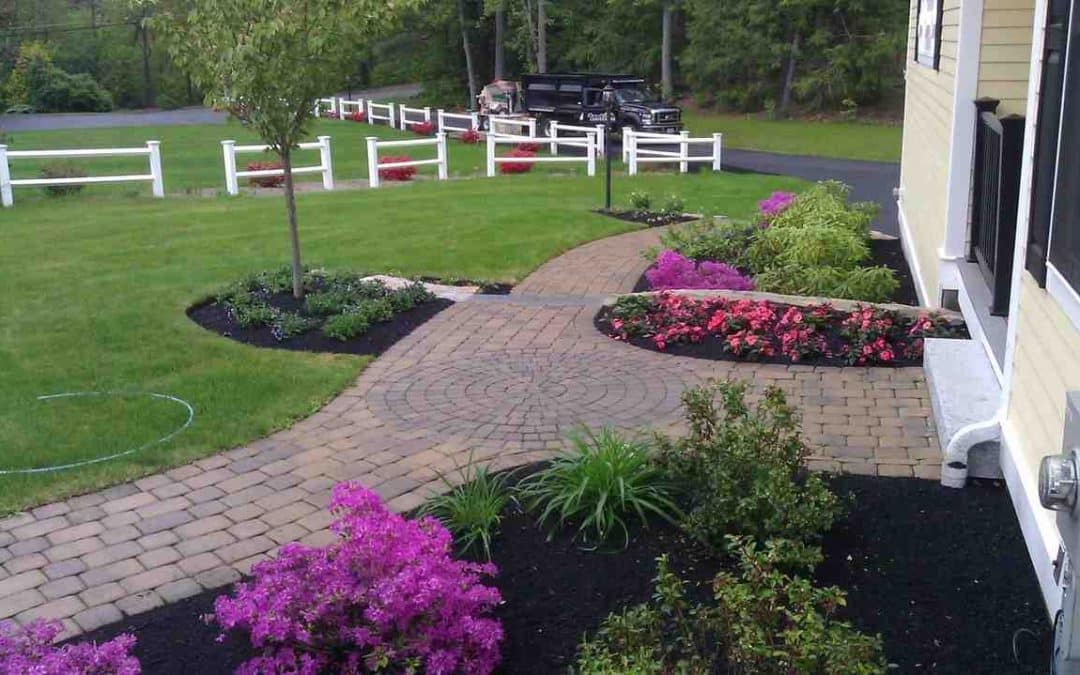
Your flower beds create your home’s first impression. A well-maintained garden doesn’t just look beautiful—it protects your landscaping investment and can boost your property value by thousands of dollars. But many Southern New Hampshire homeowners struggle to find the time for regular weeding, deadheading, and seasonal cleanups while balancing work and family.
The real question isn’t whether flower bed maintenance is worth it. It’s understanding what you should actually pay for quality service and which factors drive those costs up or down.
Some landscaping companies quote $30 per hour for basic cleanup. Others charge $100+ per hour for comprehensive care. The difference? Bed size, current condition, your location, and the scope of services you need. Without this knowledge, you might overpay for simple tasks or underestimate what thorough maintenance really requires.
I’m Tommy Randall, and I’ve been maintaining flower beds across Massachusetts and New Hampshire since 2006 through Randall Landscaping Business. Over the years, I’ve learned that understanding flower bed maintenance cost helps homeowners make smarter decisions about their landscape care and budget effectively for both seasonal cleanups and long-term garden health.
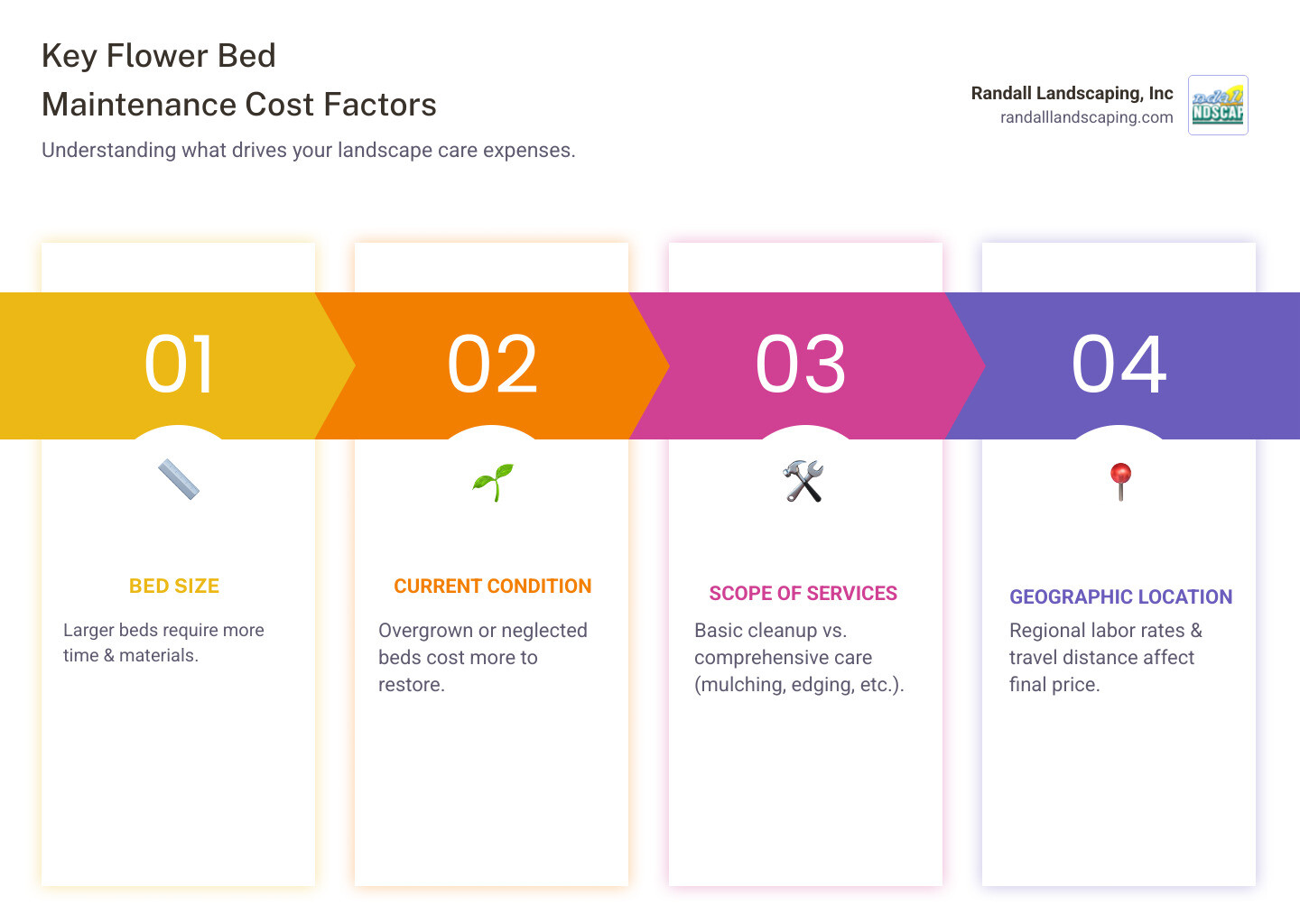
Flower bed maintenance cost terminology:
Understanding the Average Flower Bed Maintenance Cost
When we talk about flower bed maintenance, we’re not just referring to a quick tidying up. It’s a comprehensive service designed to keep your garden beds healthy, vibrant, and beautiful. This typically includes a range of tasks such as:
- Weeding: Removing unwanted plants that compete with your flowers for nutrients, water, and sunlight. This is often the most time-consuming part of a cleanup.
- Deadheading: Removing spent blooms to encourage new growth and prolong flowering.
- Debris Removal: Clearing away fallen leaves, branches, and other organic matter that can smother plants or harbor pests.
- Soil Turning/Cultivation: Lightly aerating the top layer of soil to improve water penetration and nutrient absorption.
The total flower bed maintenance cost can vary significantly, generally falling between $100 and $1,500+ for a single cleanup, based on internet averages. This wide range accounts for the size and current condition of your flower beds, as well as the specific services requested. For a small, well-maintained bed, you might be closer to the lower end, while a large, heavily overgrown bed requiring extensive work will naturally incur higher costs.

Common Pricing Models
Landscaping companies, including our team at Randall Landscaping, use various methods to determine the flower bed maintenance cost. Understanding these models can help you better interpret quotes and choose the service that best fits your needs and budget.
Hourly Rates
This is one of the most straightforward pricing methods. Landscaping companies typically charge an hourly rate for their crew’s time on your property.
- Average Hourly Rate: Based on internet data, the majority of landscaping companies will quote anywhere from $30 to $150+ per hour for flower bed cleanup.
- Novice vs. Experienced Crew: Newer or one-man operations might charge $30–$50 per hour. However, seasoned crews or established companies, like ours, often charge $50–$100 per hour or more, reflecting their experience, efficiency, and the quality of their work. For highly specialized tasks or complex projects, this rate could climb higher.
Hourly rates are beneficial for jobs where the extent of work is hard to predict, such as heavily overgrown beds that might take longer than initially estimated.
Per Square Foot
For larger flower beds or commercial properties, pricing by the square foot can provide a more predictable cost.
- Average Per Square Foot Rate: Typically, this ranges from $0.10–$0.90+ per square foot for cleanup services, according to internet averages.
- Best for Large Areas: This method is often preferred for extensive flower beds where measuring the area is simpler than accurately estimating hours. It helps ensure a consistent price for similar-sized projects.
Flat Rate
A flat rate provides a single, all-inclusive price for a specific job, giving you certainty about the total flower bed maintenance cost upfront. This is usually determined after an on-site assessment.
- Average Flat Rates (based on internet data):
- Small flower bed: $75–$450+
- Medium flower bed: $150–$900+
- Large flower bed: $300–$1,500+
Flat rates are great if you prefer knowing the exact cost before work begins, eliminating surprises. We often use flat rates for routine cleanups or specific, clearly defined projects.
Sample Pricing Breakdown
Let’s look at a hypothetical example of a medium-sized flower bed cleanup to illustrate how these costs can add up. Please remember these are internet averages and not Randall Landscaping’s actual prices.
| Task | Estimated Time/Quantity | Average Internet Cost per Unit | Estimated Cost Range |
|---|---|---|---|
| Weed Removal | 1.5 – 2.5 hours | $50 – $100 per hour | $75 – $250 |
| Shrub Trimming | 1 – 2 hours | $50 – $100 per hour | $50 – $200 |
| Mulch Installation | 2 – 4 bags / 0.5 cubic yd | $15 – $30 per bag / $50 – $150 per cubic yard | $30 – $120 |
| Debris Disposal | Flat fee | $20 – $60 | $20 – $60 |
| Travel Fee | Flat fee | $15 – $45 | $15 – $45 |
| Total Estimated Cost | $190 – $675+ |
This table provides a snapshot of how a medium-sized flower bed (around 250 sq. ft.) requiring weeding, trimming, mulching, debris disposal, and a travel fee could range from approximately $190 to $675+, based on internet averages. The actual price will depend on the factors we’ll discuss next.
Key Factors That Determine Your Final Price
No two flower beds are exactly alike, and neither are their maintenance needs. That’s why we always provide custom quotes after an on-site assessment. Several key factors influence the final flower bed maintenance cost for your property in the Merrimack Valley or Southern New Hampshire.
Bed Size and Complexity
It might seem obvious, but the sheer size of your flower bed plays a huge role. More square footage means more time spent weeding, mulching, and tending to plants. But it’s not just about the numbers; complexity matters too:
- Total Square Footage: Larger beds require more labor and materials.
- Bed Shape: Intricate, curvilinear, or multi-tiered beds demand more precision and time than simple rectangular ones.
- Accessibility: Is the bed easily accessible from a driveway or path, or is it tucked away in a corner, requiring our team to carry tools and materials a greater distance? Easy access can shave off labor time.
Current Condition and Debris
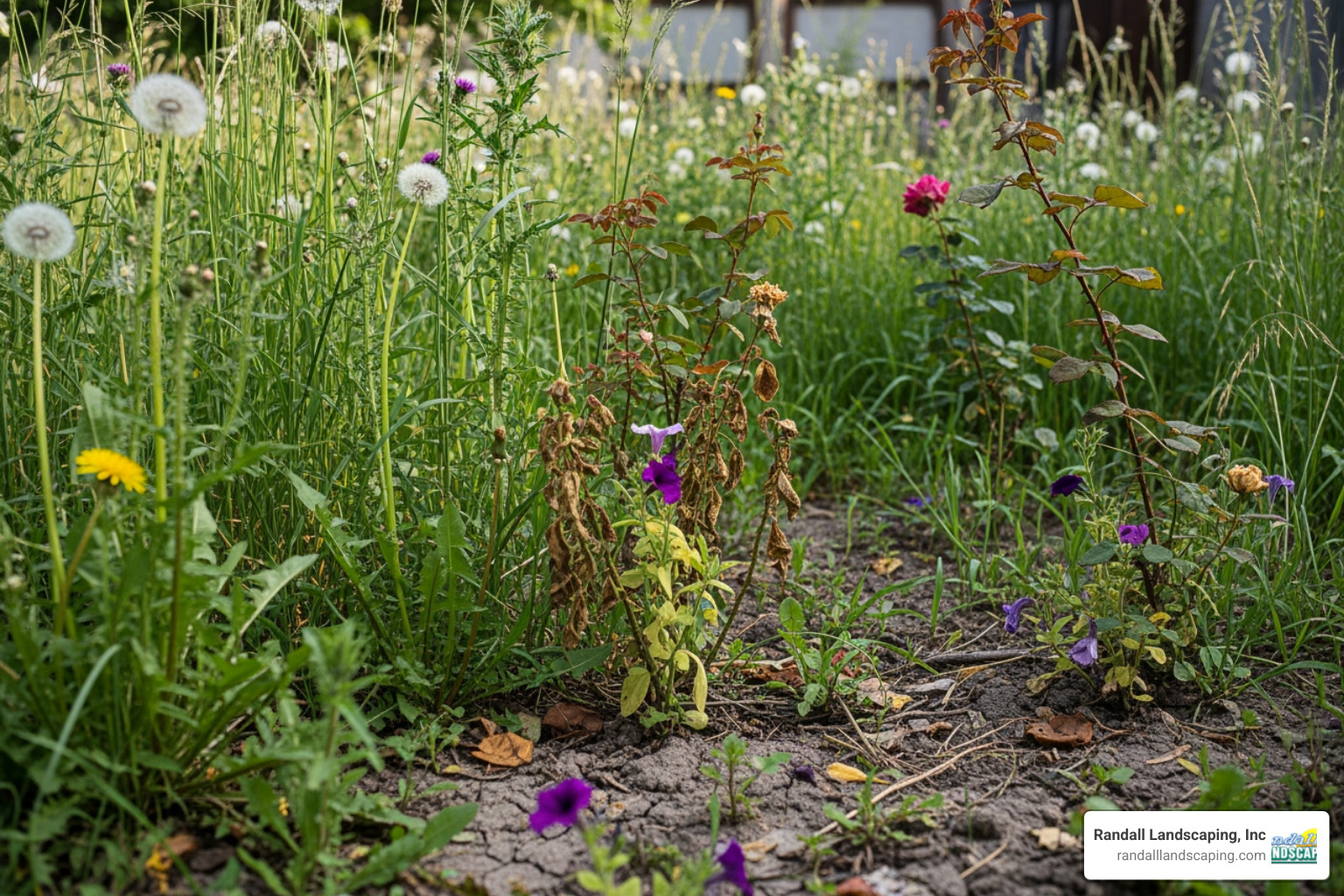
The current state of your flower bed is a major determinant of the cleanup effort required. A neglected bed will always cost more to restore than one that’s received regular attention.
- Weed Density: A bed overrun with weeds will take significantly longer to clear. Based on internet averages, manually pulling weeds can cost between $50 to $150+ per hour for a 2-person crew, so a very weedy bed can quickly add up.
- Dead Plant Removal: Removing dead or diseased plants requires extra care and disposal.
- Leaf and Branch Cleanup: If your beds are buried under a thick layer of leaves or branches, especially after a storm, this adds to the cleanup time and potential disposal fees. Leaf removal services alone can cost between $150 to $500+ on average, depending on the volume.
- Debris Disposal Fees: Hauling away large volumes of organic debris often incurs additional charges.
Geographic Location and Labor
Where you live in the Merrimack Valley or Southern New Hampshire can also affect pricing. Labor costs vary by region, and travel time to your property is often factored into the quote.
- Regional Price Variations: Landscaping services in more affluent areas or those with higher costs of living generally have higher hourly rates.
- Travel Distance: If your property is far from our base of operations, a travel fee might be applied to cover fuel and crew time.
- Plant Hardiness Zones: While not directly a cost factor for maintenance, your local USDA Plant Hardiness Zone (which you can find using the USDA Plant Hardiness Zone map) influences the types of plants that thrive in your area. Choosing plants well-suited to your zone can reduce long-term maintenance needs and costs.
Scope of Services
Are you looking for a basic weed-and-go, or a comprehensive spa day for your flower beds? The more services you request, the higher the overall flower bed maintenance cost will be.
- Basic Cleanup: This typically includes weeding, deadheading, and light debris removal.
- Comprehensive Care: This might involve deep weeding, soil cultivation, mulching, edging, shrub trimming, and seasonal planting.
- Specialized Needs: Do you need pest and disease control, soil testing, or amendments? These services add to the complexity and cost. We offer a range of specialized services, including Mulch and Edging Services to keep your beds pristine.
Beyond Basic Cleanup: Popular Add-On Services
Sometimes, a basic cleanup isn’t enough to achieve the garden of your dreams. That’s where add-on services come in! These additional tasks can significantly improve your flower beds’ health, boost curb appeal, and provide long-term benefits, often saving you time and effort in the long run.
Mulch Installation
Mulch is like magic for your garden beds. It’s a layer of material applied to the surface of the soil, offering numerous benefits:
- Weed Suppression: Mulch acts as a barrier, preventing weed seeds from germinating and making it easier to pull any that do sprout.
- Moisture Retention: It helps the soil retain water, reducing the need for frequent watering.
- Temperature Regulation: Mulch insulates the soil, keeping roots cooler in summer and warmer in winter.
- Nutrient Enrichment: Organic mulches break down over time, adding valuable nutrients to the soil.
For a comprehensive guide on this essential service, check out our Mulch Installation Complete Guide.
- Average Cost (based on internet data): Mulch installation can cost $50–$300+ per bed, or if priced by volume, $30 to $110 per cubic yard. Bagged mulch typically runs $3 to $10+ per bag. The type of mulch (e.g., bark, wood chips, pine needles, stone) will also affect the price.
Shrub Trimming and Pruning
Healthy, well-shaped shrubs can define your flower beds and add structure to your landscape. Trimming and pruning go beyond aesthetics; they’re crucial for plant health.
- Plant Health: Removing dead, diseased, or overgrown branches improves air circulation and prevents pest and disease issues.
- Shaping: Regular trimming helps maintain the desired size and shape of your shrubs, preventing them from overwhelming your flowers.
- Promoting Growth: Strategic pruning can encourage fuller, healthier growth and more abundant blooms.
- Average Cost (based on internet data): Trimming shrubs typically costs $30–$180+ per hour. Some companies might charge per bush, with costs ranging from $6 to $25+ per bush on average.
Professional Edging
Edging creates a crisp, clean line between your flower beds and your lawn, walkways, or other landscape features. It’s the finishing touch that makes a garden look professionally maintained.
- Clean Separation: Edging visually defines the bed, giving it a polished appearance.
- Preventing Grass Encroachment: It acts as a barrier, stopping grass from creeping into your flower beds, which significantly reduces future weeding efforts.
- Material Variety: Edging can be made from various materials, including plastic, metal, rubber, composite, wood, stone, brick, concrete, or pavers, each with different aesthetic and durability characteristics.
- Average Cost (based on internet data): Professional edging can cost $1–$9+ per linear foot, depending on the material and installation complexity. Plastic edging is typically the most affordable, while stone or concrete can be at the higher end.
Fertilizing and Planting New Flowers
To keep your flower beds bursting with color and life, sometimes they need a little extra boost or a fresh start with new plants.
- Nutrient Replenishment: Over time, soil nutrients get depleted. Fertilizing provides essential elements for strong, healthy plant growth and vibrant blooms. Adding fertilizers can cost between $20 and $75+ per bed, or $103 to $343 for a broader application, based on internet averages.
- Seasonal Color Updates: Whether you want to refresh your annuals for a new season or introduce new perennials, planting new flowers can completely transform the look of your beds. We encourage Sustainable Garden Practices to ensure your new plants thrive.
- Average Cost (based on internet data): Planting new flowers can add $50–$600+ to your bill, depending on the number and type of plants. Individual plants vary widely in cost, from a few dollars for common annuals like Marigolds to $30 or more for specialty perennials like Calla Lilies or established rose bushes. Landscapers may also charge $15 to $45 per square foot to plant flowers.
Installation vs. Maintenance: A Cost Comparison
It’s important to differentiate between the one-time investment of installing a new flower bed and the ongoing costs of maintaining an existing one. While both contribute to your home’s curb appeal, they involve different financial commitments.
The Cost to Install a New Flower Bed
Creating a brand new flower bed is an exciting project, but it involves more than just buying plants. The initial setup requires significant effort and resources.
- Average Cost (based on internet data): The average cost to install a new flower bed is around $2,370, including labor and materials. However, this can range widely from $1,100 to $5,800+ for most projects. A small, simple bed might be on the lower end, while a large, complex design with extensive prep work could be much higher.
- Site Preparation: This is often the most labor-intensive part. It might include:
- Grass Removal: Costs can range from $0.85 to $2.50+ per square foot, based on averages.
- Shrub and Bush Removal: On average, if existing greenery needs to go, this can add $380 to $1,170.
- Soil Amendment: Adding new topsoil costs approximately $10 to $50 per cubic yard, and compost costs $20 to $75+ per cubic yard on average.
- Plant Costs: As discussed, individual plants vary greatly in price.
- Labor: Most landscaping companies charge $50 to $150+ per hour for labor during flower bed installation, based on internet averages. Actual labor rates will vary by region, company, and project complexity.
The Long-Term Flower Bed Maintenance Cost
Once your beautiful new flower bed is installed, the journey isn’t over! Ongoing maintenance is crucial to protect your investment and ensure your plants flourish year after year.
- Annual vs. One-Time Cleanup: While a one-time cleanup can address immediate issues, annual or seasonal maintenance (typically spring and fall) is essential for long-term health. These routine services prevent small problems from becoming large, expensive ones.
- Seasonal Needs: Spring cleanups prepare beds for the growing season, while fall cleanups put them to bed for winter. These often include weeding, mulching, pruning, and debris removal.
- Preventing Higher Future Costs: Regular maintenance prevents weed infestations from getting out of control, reduces the risk of plant diseases, and keeps soil healthy. Neglecting maintenance for even one season can lead to a significantly higher flower bed maintenance cost for the next cleanup. Think of it like changing the oil in your car—a small regular expense prevents a much larger repair bill down the road. This proactive approach is something we champion in our Commercial Landscape Maintenance services, as well.
Frequently Asked Questions about Flower Bed Maintenance Cost
We understand you likely have questions about keeping your flower beds looking their best without breaking the bank. Here are some of the most common inquiries we receive:
How often should flower beds be maintained?
The ideal frequency depends on several factors, including the types of plants you have, your local climate, and your aesthetic preferences. However, here’s a general guideline:
- Seasonal Cleanups: We highly recommend two major cleanups per year: one in spring to prepare beds for new growth, and another in fall to clear debris and prepare for winter dormancy. This is a routine service typically done in these seasons.
- Monthly or Bi-weekly Weeding: For most flower beds, a quick weeding session every two to four weeks during the growing season is sufficient to keep weeds at bay.
- As-Needed Deadheading: Deadhead spent blooms regularly throughout the flowering season to encourage continuous blooming and maintain a tidy appearance.
Can I save money with DIY maintenance?
Absolutely! Many homeowners enjoy the therapeutic benefits of gardening and choose to handle some or all of their flower bed maintenance themselves.
- DIY Pros (Cost Savings): Doing it yourself significantly reduces labor costs. For example, based on internet averages, while professional flower bed installation can cost between $1,100 and $3,175, DIY installation for small to medium beds can cost as little as $100 to $500 for materials and tools. Tasks like weeding, deadheading, and light mulching are well within the grasp of most homeowners.
- DIY Cons (Time, Tools, Expertise): The biggest drawbacks are time commitment and the need for proper tools and knowledge. If you’re short on time, lack the right equipment, or aren’t sure how to properly prune a specific shrub, DIY can quickly become frustrating or even lead to costly mistakes. As the saying goes, “it never hurts to consult with a pro” because “that might be at the risk of making mistakes that could cost you down the road.”
For larger projects, specialized tasks like tree trimming, or if you simply don’t have the time, hiring a professional is often the most efficient and effective solution.
How does flower bed care compare to other landscaping services?
Flower bed maintenance is an integral part of overall landscape care, often complementing other services to create a cohesive and beautiful outdoor space. Its costs are generally on par with or less than more intensive landscaping projects.
For example, the average lawn mowing cost can range from $30 to $150+ per hour, or $50 to $250 per service, which is comparable to basic flower bed cleanup. More extensive landscaping projects, such as installing a new patio, retaining wall, or a full landscape design, will naturally involve significantly higher costs due to materials, specialized labor, and complexity.
Flower bed maintenance focuses on the living, ornamental aspects of your yard, ensuring the health and beauty of your plants. It’s often bundled with other routine services like lawn care to provide a comprehensive maintenance package.
A Worthwhile Investment in Your Home’s Beauty
Understanding the true flower bed maintenance cost is about more than just numbers; it’s about making informed decisions for your home and landscape. We’ve seen how factors like bed size, current condition, location, and the scope of services all play a role in determining your final price. While DIY can save money, professional services offer expertise, efficiency, and peace of mind.
At Randall Landscaping, we believe that a beautiful flower bed is a worthwhile investment. It improves your curb appeal, increases your property value, and provides a delightful space for you and your family to enjoy. Our commitment to quality work and 100% reliability ensures that homeowners and businesses in the Merrimack Valley and Southern New Hampshire receive exceptional landscape care.
For a professional assessment and to keep your landscape pristine, explore our comprehensive Landscape Maintenance Services. Let us help you cultivate the garden of your dreams!