
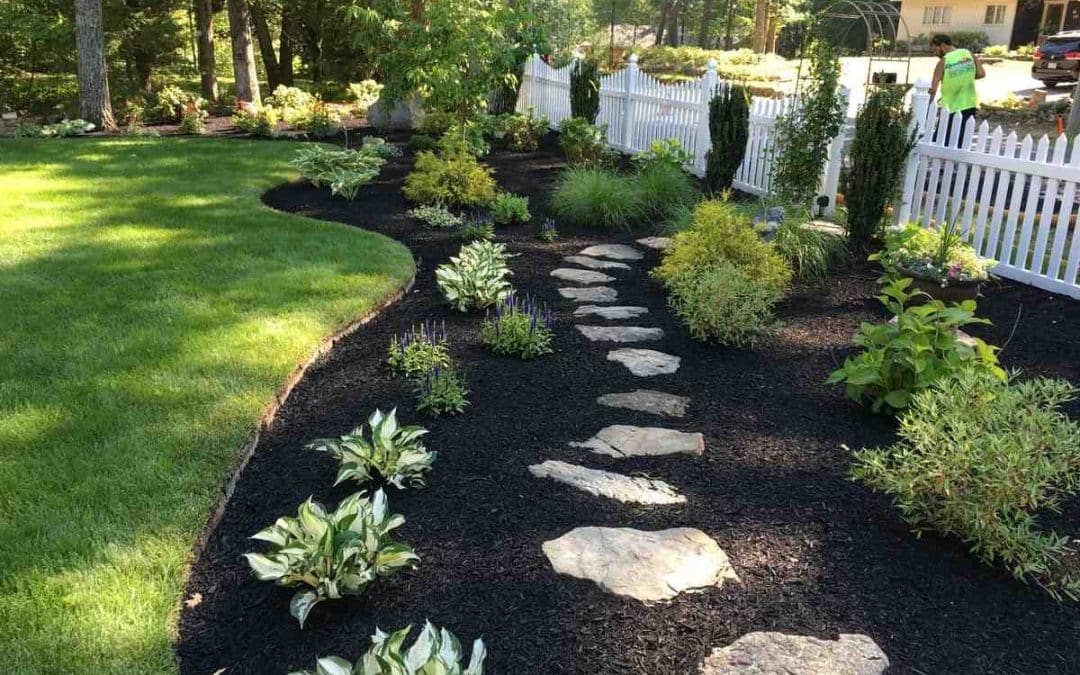
Do You Need Mulch for a Raised Garden Bed? Here’s the Short Answer
Do you need mulch for a raised garden bed? The short answer is: not strictly required, but highly recommended.
Here’s a quick summary:
| With Mulch | Without Mulch | |
|---|---|---|
| Moisture retention | Significantly better | Raised beds dry out faster |
| Weed suppression | Strong barrier | Weeds emerge more easily |
| Soil temperature | Regulated and stable | More temperature swings |
| Soil health over time | Improves as organic mulch breaks down | Depends on other amendments |
| Root protection in winter | Good with 2+ inch layer | Roots more exposed to frost |
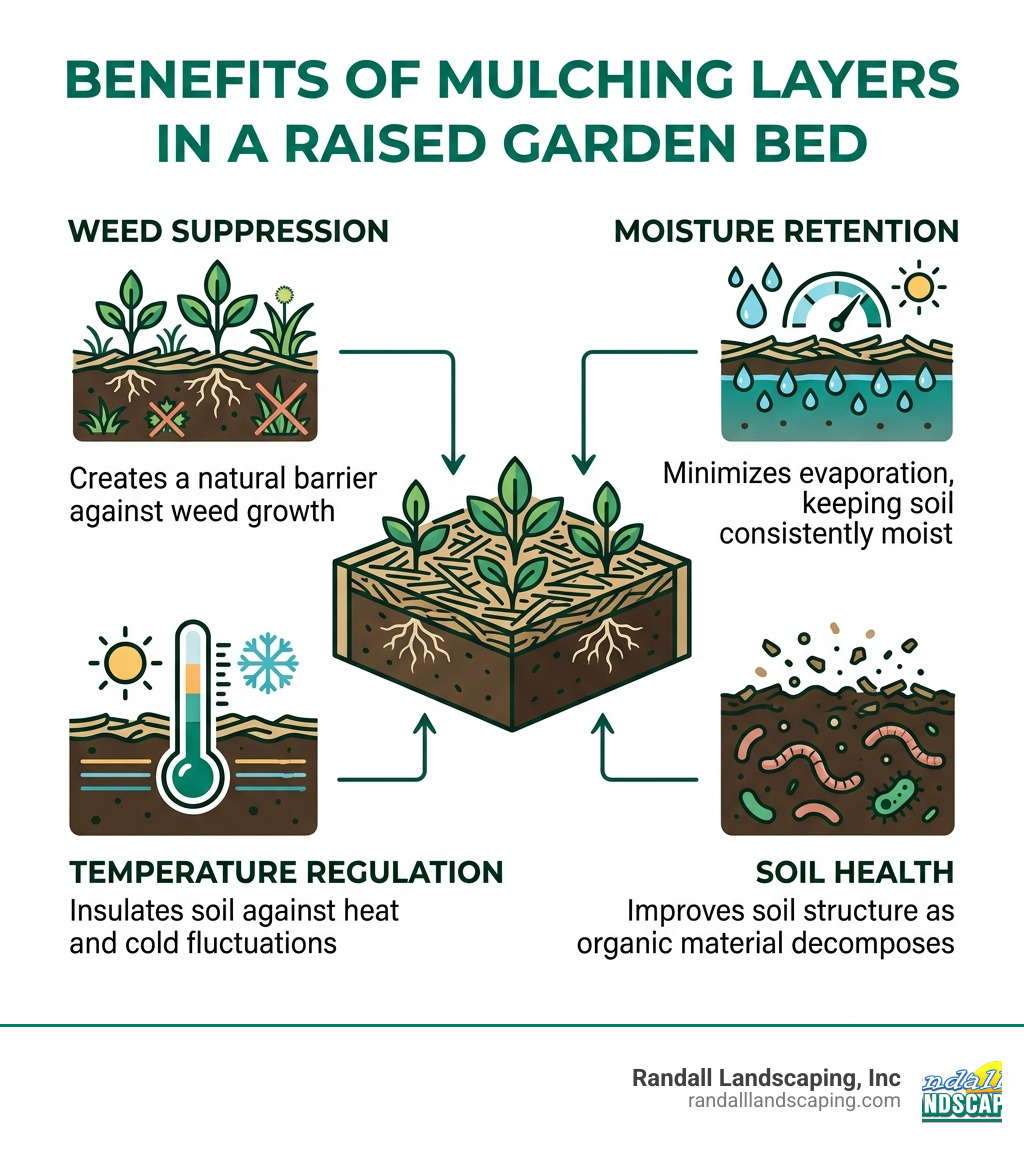
Raised beds are especially prone to drying out quickly and temperature fluctuations — more so than in-ground gardens. A 2–4 inch layer of organic mulch directly addresses both problems at once, while also cutting down on weeding time.
Mulch is optional if you use intensive planting (covering bare soil with plants) or regularly top-dress with finished compost. But for most home gardeners, mulch is the simpler, lower-maintenance path to a healthier bed.
I’m Tommy Randall, owner of Randall Landscaping, Inc., and with nearly 20 years of hands-on landscaping experience across Massachusetts and Southern NH, I’ve seen how answering the question do you need mulch for a raised garden bed can make or break a garden’s success season after season. In this guide, I’ll walk you through everything you need to know — from choosing the right material to applying it correctly.
Key do you need mulch for a raised garden bed vocabulary:
Do You Need Mulch for a Raised Garden Bed?
When we talk to homeowners in the Merrimack Valley or Southern New Hampshire, the conversation often turns to efficiency. We all want a beautiful garden, but nobody wants to spend their entire Saturday pulling weeds. This is where the question of whether Should You Put Mulch in Your Raised Garden Bed? becomes vital.
Raised beds are essentially large containers. Because they sit above the natural grade, they are exposed to more wind and sun, which leads to rapid moisture evaporation. Without a protective layer, your high-quality soil can turn into a dry, crusty brick in the heat of July. Mulch acts as a blanket, keeping that moisture where it belongs: near the roots.
Beyond hydration, Mulch for Weed Control is perhaps the biggest “pro” in the mulch column. While raised beds start with fewer weeds than in-ground plots (since you’re using fresh soil), seeds still blow in on the wind or are dropped by birds. A thick layer of mulch blocks the sunlight these seeds need to germinate.
Furthermore, mulch helps with nutrient cycling. As organic mulch decomposes, it turns into humus, adding organic matter back into the soil. This prevents soil erosion during our heavy New England rainstorms and keeps the soil structure loose and airy. In short, while your plants might survive without it, they will thrive with it.
Choosing the Best Mulch Materials
Not all mulches are created equal, especially when you are growing vegetables or delicate perennials. Choosing the right material depends on what you’re growing and your aesthetic goals.
Organic vs. Inorganic Mulch
For most raised beds, we recommend organic options. These materials were once living and will eventually break down, feeding your soil microbes. Inorganic options like pea gravel or landscape fabric are better for permanent paths or ornamental sections where you don’t plan to dig often.
| Mulch Type | Best For | Pros | Cons |
|---|---|---|---|
| Straw | Vegetables/Seeds | Lightweight, cheap, reflects heat | Can contain grain seeds; looks “farm-like” |
| Shredded Leaves | Most Gardens | Free, nutrient-rich, attracts worms | Can mat down if not shredded |
| Wood Chips | Perennials/Paths | Long-lasting, attractive | Can tie up nitrogen if mixed into soil |
| Compost | Heavy Feeders | Adds immediate nutrients | Doesn’t suppress weeds as well as straw |
When looking for the Best Mulch for Vegetable Garden use, straw (not hay!) is a gold standard. It’s easy to move aside when you’re ready to plant and provides a clean surface for squash or cucumbers to rest on. If you’re looking for Environmental Mulch options, shredded fallen leaves are hard to beat—they’re a free gift from your yard every autumn.
Why you need mulch for a raised garden bed made of metal
Metal raised beds have become a massive trend in 2026, but they come with a specific challenge: temperature fluctuations. Metal conducts heat faster than wood. While this helps the soil warm up earlier in the spring, it can lead to overheated roots in the peak of summer.
Using Eco-Friendly Mulch Options like light-colored straw or wood shavings helps reflect some of that solar radiation. This keeps the soil temperature consistent, protecting heat-sensitive crops like lettuce or spinach. It also provides an aesthetic finish that complements the sleek look of modern metal beds.
When do you need mulch for a raised garden bed replacement?
Mulch isn’t a “set it and forget it” feature. Because organic materials decompose, you’ll need to keep an eye on the depth.
- Spring Planting: This is the most common time for Landscape Mulch Installation. Wait until the soil has warmed up and you’ve finished your initial planting.
- Fall Protection: In our neck of the woods (places like Pelham, NH or Dracut, MA), a fresh layer of mulch in late October can protect perennial roots from the “freeze-thaw” cycle that often heaves plants out of the ground.
- Annual Maintenance: We generally recommend loosening the old mulch with a rake once a year to prevent it from becoming a hydrophobic “crust” and adding an inch or two of fresh material to maintain that 2–4 inch sweet spot.
Proper Application Techniques and Depth
Applying mulch incorrectly can actually do more harm than good. We’ve all seen the “mulch volcanoes” piled high against tree trunks—don’t do that to your garden plants!
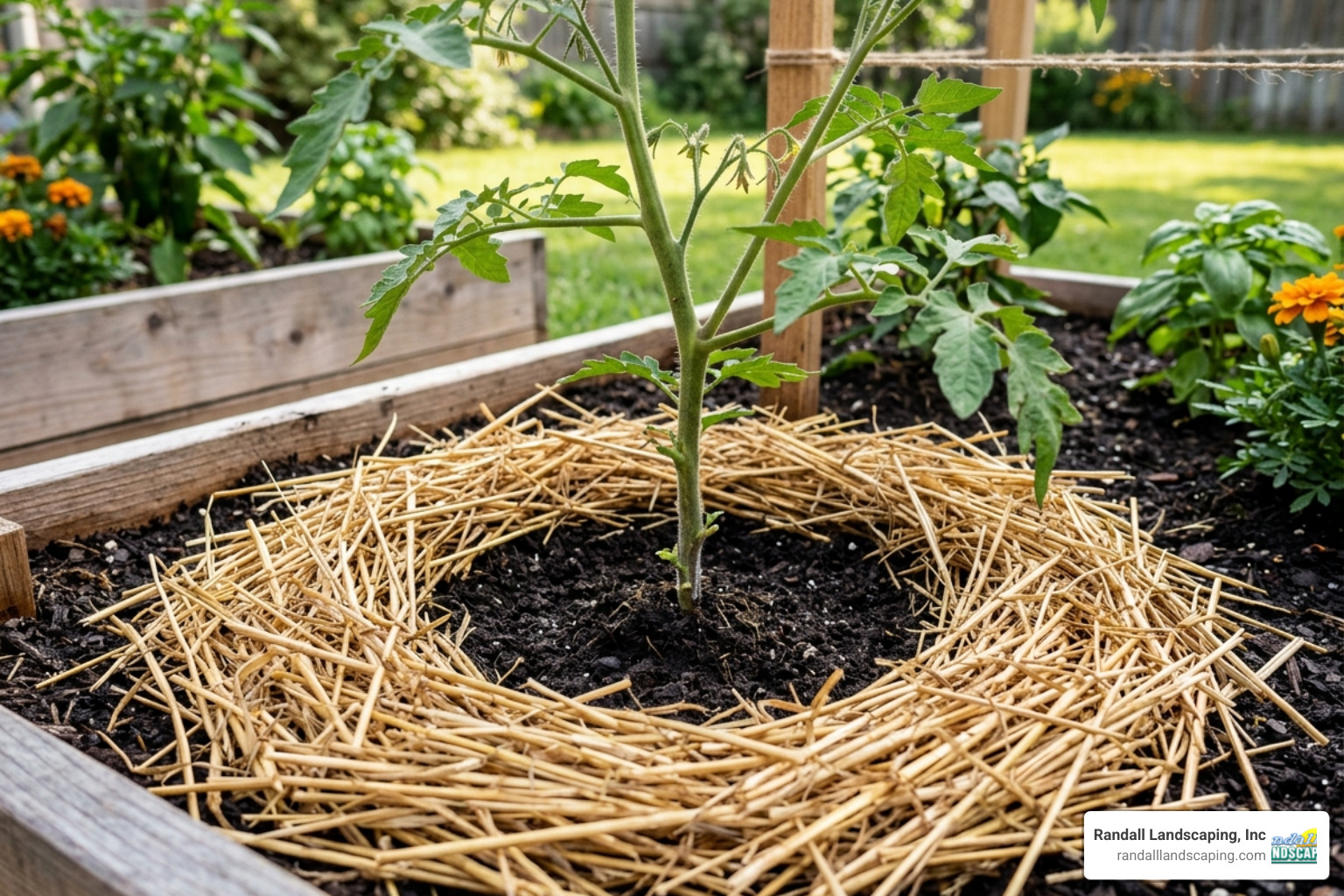
The “Donut” Method
When you are Garden Bed Mulching, always leave a small gap (about an inch) around the base of the plant stem. Piling mulch directly against the stem traps moisture against the “skin” of the plant, which can lead to rot, fungal diseases, and a happy home for munching insects. Think of it like a donut: the plant is the hole, and the mulch is the delicious ring around it.
Finding the Right Depth
How much do you actually need?
- Standard Depth: Aim for 2 to 4 inches. This is deep enough to stop weeds but thin enough to let oxygen reach the soil.
- For Seeds: If you are direct-sowing seeds, do not mulch over them immediately. Wait until they have germinated and are at least 2–3 inches tall. Then, apply a thin 1-inch layer of Moisture Retaining Mulch like finely shredded leaves.
- Winter Protection: If you’re putting the bed to sleep for the winter, you can go a bit heavier—up to 4 inches—to insulate the soil.
A Note on Nitrogen Tie-Up
There is a common gardening myth that wood chips “steal” nitrogen from the soil. The truth is that nitrogen tie-up only happens at the very surface where the wood touches the soil. Unless you are tilling fresh wood chips into the dirt, your plants’ roots (which are deeper down) will be just fine. To be safe, you can always add a thin layer of compost or an organic nitrogen fertilizer before you lay down your wood-based mulch.
Potential Drawbacks and Troubleshooting
While we love mulch, it isn’t without its quirks. Understanding The Best Mulch for Raised Garden Beds also means knowing what can go wrong.
Anaerobic Decay and “Sour” Mulch
If mulch is piled too deep or kept too wet without airflow, it can undergo anaerobic decomposition. You’ll know this has happened if the mulch smells like vinegar, ammonia, or rotten eggs. This “sour mulch” is acidic and can actually kill young plants. If your mulch smells funky, spread it out and turn it over with a garden fork to let it air out in the sun for a few days before putting it near your plants.
Pest Habitats
Mulch is a cozy home. Unfortunately, it’s cozy for things like slugs, snails, and earwigs too. If you notice a lot of slug damage, try using a “dryer” mulch like pine needles or wait until the wet spring weather passes before applying straw.
Mold and Fungi
You might occasionally see a bright yellow growth that looks like… well, “dog vomit fungus” (that’s the actual common name!). While it looks alarming, most fungi growing in mulch are harmless decomposers. Just rake them into the mulch or scoop them out if they bother you. Our Mulch Installations Complete Guide covers more on long-term maintenance and troubleshooting.
Average Costs for Mulch and Installation
If you’re looking to have your beds professionally mulched, it’s helpful to know the ballpark figures. That these are average costs based on internet data and not actual costs for Randall Landscaping.
Prices can vary wildly based on the quality of the material (pure hemlock vs. a budget blend) and how far the truck has to travel.
- Bulk Mulch Delivery: Generally ranges from $45 to $185 per cubic yard. The high end usually includes premium, dyed, or specialized organic barks delivered to your door.
- Bagged Mulch: If you only have one small bed, bags might be easier. However, per cubic yard, bagged mulch can cost significantly more—sometimes 2 to 3 times the price of bulk.
- Professional Spreading: If you want a crew to do the heavy lifting, expect to pay for labor. Total costs for delivery and professional installation can range from $150 to $600+ for a standard residential project, depending on the volume and complexity of the beds.
For those in our service area, we often suggest checking our Mulch Delivery Cost page for more localized insights on logistics.
Frequently Asked Questions about Raised Bed Mulching
Is mulch necessary in hot and humid climates?
In extremely hot and humid areas, mulch can sometimes be a double-edged sword. If the air is thick with moisture and there’s no breeze, a thick layer of mulch can trap too much moisture, leading to root rot or excessive mold. In these specific cases, mulch is optional. Some gardeners prefer to use a very thin layer of compost or simply practice intensive planting to shade the soil without trapping stagnant air.
How do you need mulch for a raised garden bed with seeds?
Seeds are delicate. If you put 3 inches of wood chips over a lettuce seed, that little guy is never seeing the light of day.
- Sow your seeds in bare soil.
- Wait for germination.
- Once the seedlings have a few “true leaves” and are a few inches tall, gently tuck a light mulch (like grass clippings or straw) around them.
- Keep the layer thin (about 1 inch) until they are fully established.
What is the difference between mulch and compost?
This is the most common question we get!
- Compost is a soil amendment. It is nutrient-dense and meant to be mixed into the soil or used as a “top-dressing” to feed the plants. It doesn’t do a great job of stopping weeds because weeds love to grow in compost.
- Mulch is a soil covering. Its primary job is protection—blocking weeds and holding in water.
Think of compost as the “food” and mulch as the “roof.” You need both for a happy home!
Conclusion
At the end of the day, gardening should be a joy, not a chore. By answering the question do you need mulch for a raised garden bed with a resounding “yes,” you are setting yourself up for a season with less watering, fewer weeds, and healthier plants. Whether you prefer the rustic look of straw or the clean finish of dark pine bark, that protective layer is the secret weapon of successful gardeners from Andover to Windham.
At Randall Landscaping, Inc., we’ve built our reputation on quality work and 100% reliability. We understand the specific climate challenges of the Merrimack Valley and Southern New Hampshire because we live and work here too. If you’re ready to take your garden to the next level but don’t want to deal with the mess of bulk delivery and the back-breaking work of spreading it yourself, we’re here to help.
From professional Garden Bed Mulching Services to complete landscape redesigns, we bring the expertise and the equipment to get the job done right the first time. Happy gardening, and may your raised beds be the envy of the neighborhood this season!