
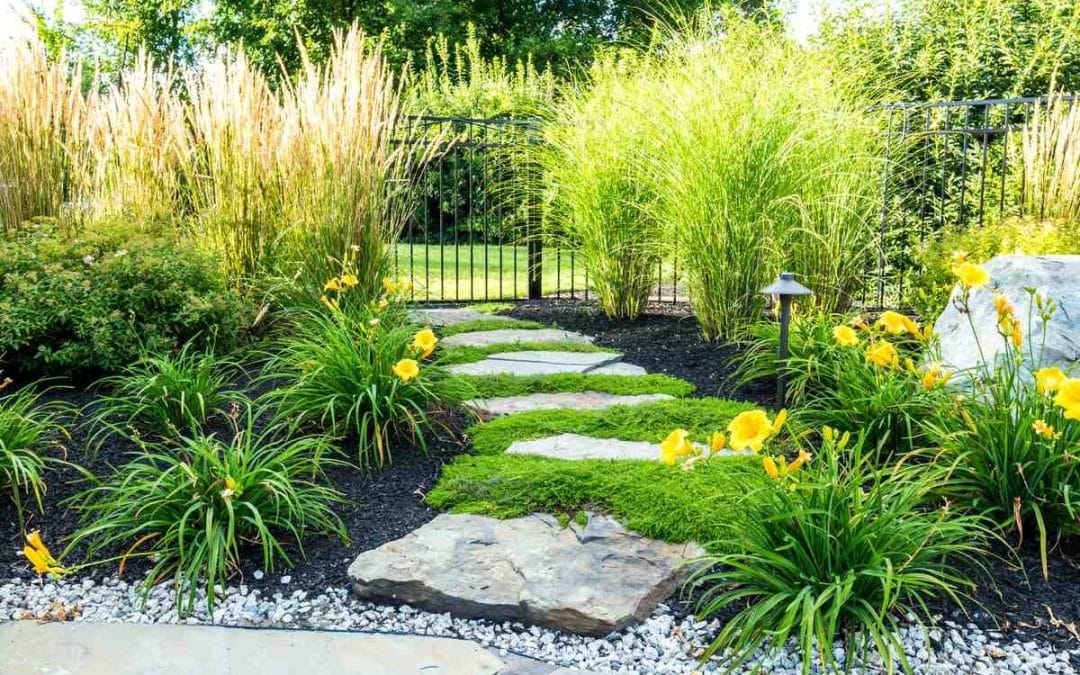
Why Garden Light Installation Can Transform Your Outdoor Space
Garden light installation is one of the most rewarding upgrades you can make to your home’s exterior — and it’s more doable than most homeowners think.
Here’s a quick overview of how to install garden lights:
- Plan your layout — Walk your garden at night and mark where you want light
- Choose your system — Low-voltage (12V) or solar, depending on your space
- Calculate transformer wattage — Add up fixture watts, then add 20% buffer
- Lay your cable — Bury 4–6 inches deep along your planned route
- Connect your fixtures — Use waterproof connectors, match wire colors
- Test before burying — Confirm everything works before covering cables
- Mount and secure — Cover cables, adjust fixture angles, you’re done
The benefits go well beyond looks. Garden lighting improves safety on walkways, deters intruders (a home burglary occurs every 13 seconds in the U.S.), and can cut outdoor energy use by up to 70% when you use LED bulbs. Today’s low-voltage LED systems make it easier than ever to get a high-end result on a weekend afternoon.
That said, a poorly planned install — wrong transformer size, lights in the shade, cables laid too shallow — can turn a fun project into a frustrating one fast.
I’m Tommy Randall, owner of Randall Landscaping, Inc., and I’ve been designing and overseeing garden light installation projects across Southern New Hampshire and the Merrimack Valley since 2006. In this guide, I’ll walk you through everything I’ve learned — so you get it right the first time.
Garden light installation basics:
- Landscape Contractors Methuen MA
- Pelham Landscaping
Planning Your Landscape Lighting Design
Before you grab a shovel, you need a plan. We always tell our clients in places like North Andover and Salem, NH, that the best designs aren’t about lighting up everything; they’re about lighting up the right things.
A great trick we use is the “Flashlight Method.” Wait until it’s dark, grab a high-powered flashlight with an adjustable beam, and head outside. Shine it on your favorite oak tree, your stone walkway, or that retaining wall you just had installed. This nighttime simulation helps you see exactly how shadows will fall and where a spotlight might be too harsh or a path light too dim.
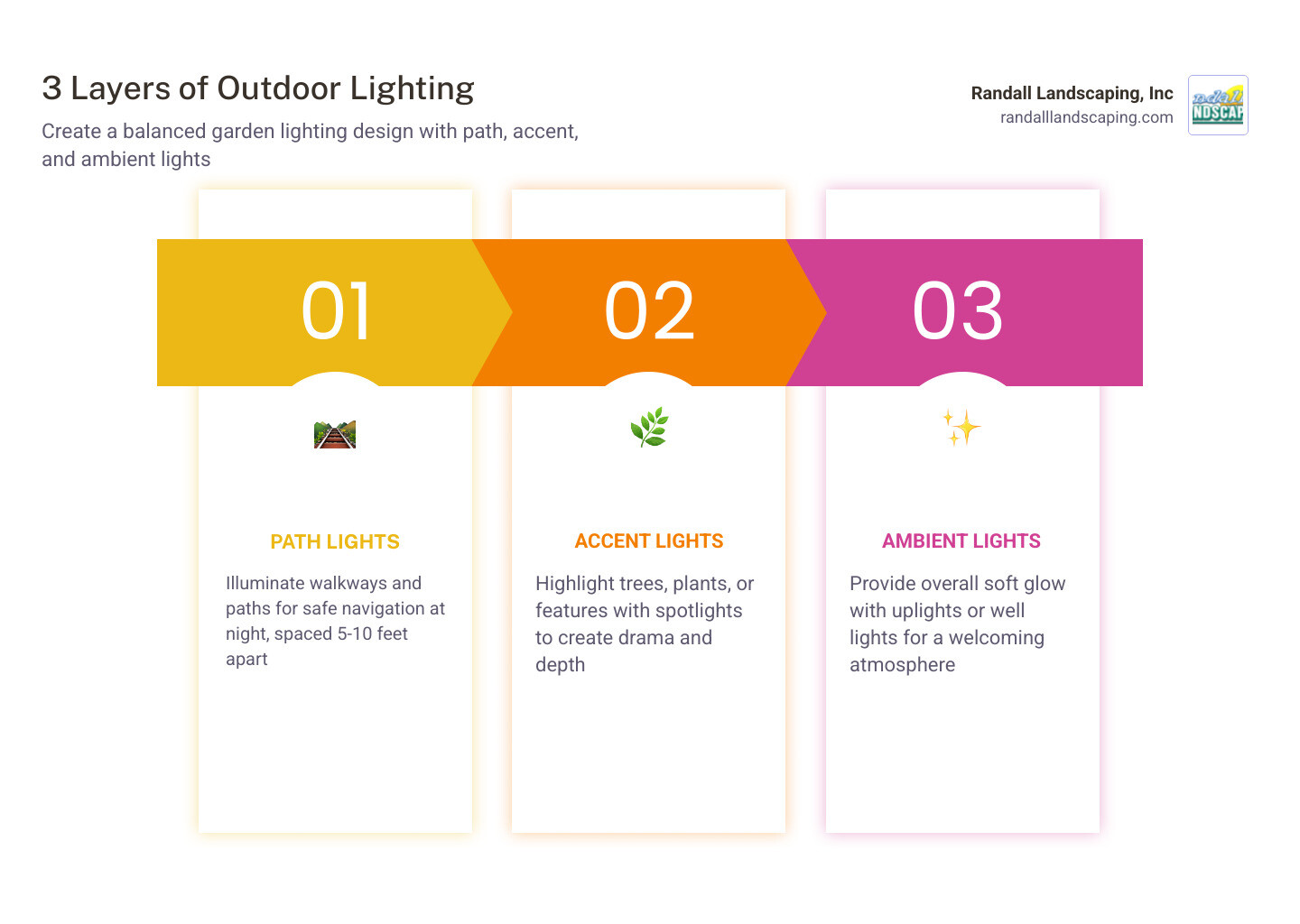
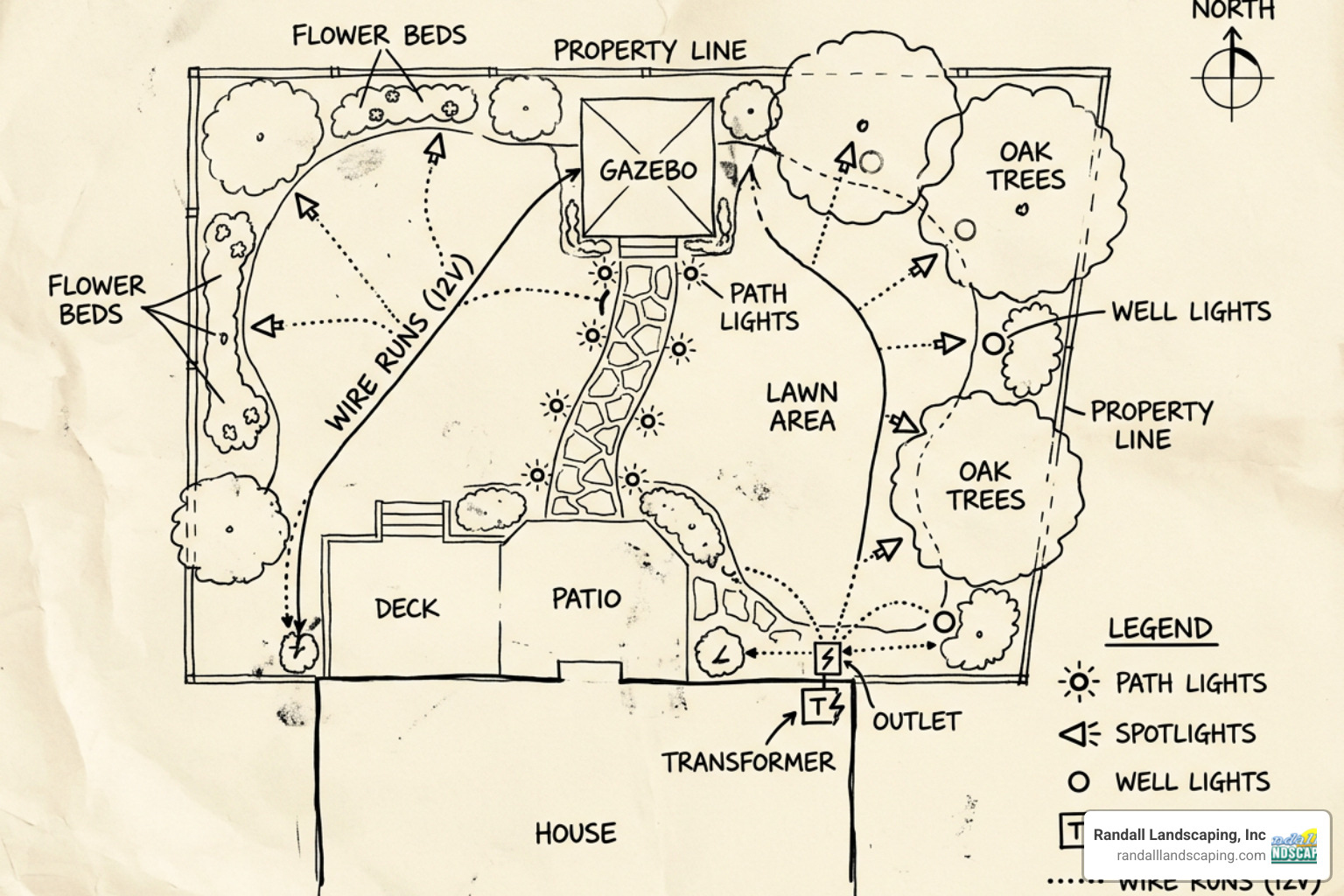
When sketching your layout, consider these four main types of lights:
- Path Lights: These guide the way. Use one light for every 5 to 10 feet of walkway.
- Spotlights: These have narrow beams to highlight focal points like flagpoles or statues.
- Floodlights: These provide a wider beam for large areas like the side of a garage or a broad garden bed.
- Well Lights: These are buried in the ground to shine upward, perfect for illuminating the base of a tree or a wall without seeing the fixture itself.
According to Architectural Digest, the right fixture can completely change the “vibe” of your space. A minimal oval sconce feels modern, while a textured glass lantern adds warmth to a traditional stone path. If you’re looking for more info about landscape lighting in Methuen, MA, the goal is subtle layers, not a landing strip for a 747.
Selecting Fixtures for Specific Areas
Choosing the right “tool” for the job is essential. For walkways, you want downward-facing light to prevent glare. For trees, “up-lighting” creates drama, especially with evergreens in our snowy New Hampshire winters.
Pay close attention to IP Ratings. This tells you how weatherproof a fixture is. For most garden lights, an IP65 rating is great, but if you’re doing underwater lighting in a pond or waterfall, you’ll need a much higher rating.
Also, understand Lumens vs. Watts. In the old days, we looked at watts to tell how bright a bulb was. With modern LEDs, watts only tell you how much energy is used. Lumens tell you the brightness. For context, a typical 60-watt incandescent bulb can be replaced by an LED that uses only 9 watts but produces the same amount of light!
Step-by-step Garden Light Installation for Low-Voltage Systems
Low-voltage systems (12V) are the gold standard for DIY garden light installation. They are safe, energy-efficient, and you don’t need to be a licensed electrician to handle the wiring.
What You’ll Need:
- Low-voltage transformer
- 12/2 outdoor-rated wire (the “main line”)
- LED fixtures
- Waterproof wire connectors
- Shovel or trowel
- Wire strippers
- Voltmeter (optional but helpful)
The Process:
- Mount the Transformer: Place it near a GFCI-protected outdoor outlet. Keep it at least a foot off the ground.
- Lay the Cable: Run your 12/2 wire along your planned route. Leave about 6-12 inches of “slack” at each light location. This is crucial—if a plant grows or you decide to move a light slightly, you’ll be glad you have that extra wire.
- Trenching: Use a shovel to create a shallow trench (about 4–6 inches deep). In our region, you don’t need deep trenches because the voltage is low, but you want it deep enough to avoid the lawnmower.
- Connect the Lights: Most modern kits use “clip-on” connectors. However, for a professional-grade seal, we recommend stripping the wires and using waterproof wire nuts filled with silicone.
- Test the System: Before you bury a single inch of wire, plug in the transformer and turn it on. If a light flickers, check the connection.
- Bury and Secure: Once everything is glowing perfectly, tuck the wires into the trench and cover them with soil or mulch.
For more community tips and project photos, you can join the Landscape Lighting Forum for project advice.
Choosing the Right Transformer for Your Garden Light Installation
The transformer is the “brain” of your system. It takes the 120V power from your house and drops it down to 12V. To choose the right one, add up the total wattage of all the bulbs you plan to install.
The 20% Rule: If your total wattage is 80 watts, don’t buy an 80-watt transformer. You want a 20% buffer to account for “voltage drop” (the loss of power as the wire gets longer) and future expansion. In this case, a 100-watt transformer is perfect.
Modern transformers come with great features like:
- Photoelectric Cells: These automatically turn the lights on at dusk and off at dawn.
- Timers: Set specific hours for your lights to run.
- Weatherproof Covers: Essential for our New England rain and snow.
Common Mistakes to Avoid During Garden Light Installation
Even the best DIYers can trip up. Here are the “big ones” we see in towns like Boxford and Windham:
- Over-lighting: Your backyard shouldn’t look like a used car lot. Use light sparingly to create depth.
- Shallow Wiring: If the wire is just sitting under the grass, a rogue rake or an aerator will find it. Aim for at least 4 inches.
- Ignoring Utility Lines: Even for shallow digging, it’s smart to know where your gas or water lines are.
- Poor Splicing: Electrical tape is not a waterproof seal. Use gel-filled connectors to prevent corrosion.
- Voltage Drop: If the last light on your run looks dimmer than the first, your wire run might be too long or your wire gauge too thin.
If you are integrating lights into a new hardscape design, it’s often easier to lay the conduits before the pavers go down.
Exploring Solar-Powered Garden Light Installation Methods
If you want zero wires and zero electricity costs, solar is the way to go. While solar used to be weak and unreliable, modern LED and battery technology has made it a viable option for many homeowners in the Merrimack Valley.
The key to solar success is Sunlight Exposure. These lights need 4 to 6 hours of direct sunlight to stay bright through the night. If you have a heavily shaded yard in North Reading or Andover, solar might struggle, especially in the winter when the days are shorter.
Six Methods for Solar Integration
There are more ways to use solar than just sticking a stake in the ground. Here are six popular methods:
- Ground Stakes: The classic choice for garden beds and path edges.
- Hanging Lanterns: Use S-hooks to hang these from tree branches or pergolas.
- Wall-Mounted Sconce: Great for fences or the side of a shed where wiring is difficult.
- Deck and Step Lights: These usually screw directly into the wood to illuminate stairs.
- Underwater Solar Pucks: Waterproof discs that float in a pool or sit at the bottom of a birdbath.
- Bistro String Lights: Solar-powered “Edison” bulbs that can be strung between trees for a festive vibe.
Safety, Maintenance, and Estimated Costs
Safety is paramount. Always ensure your transformer is plugged into a GFCI (Ground Fault Circuit Interrupter) outlet. This is a special type of outlet that shuts off power instantly if it detects a leak, preventing shocks. Also, keep your transformer at least 30 feet away from any water features like pools or ponds.
Maintenance is pretty simple but necessary:
- Clean the Lenses: Dust and pollen can block up to 30% of the light output. Wipe them down once a month.
- Check for “Slack”: After a heavy frost or spring thaw in Southern NH, wires can sometimes “heave” out of the ground. Simply tuck them back in.
- Trim Plants: Don’t let your beautiful new lawn or shrubs grow over your fixtures.
- Winterization: In our area, high-quality professional fixtures can stay out all winter, but cheaper plastic solar lights might crack in extreme cold and are better stored in the garage.
For long-term care, check out more info about landscape maintenance.
Understanding the Investment
How much does garden light installation actually cost? It varies wildly based on the quality of the fixtures and the size of your yard.
| Feature | DIY Solar | DIY Low-Voltage | Professional Install |
|---|---|---|---|
| Initial Cost | $50 – $300 | $200 – $1,200 | $1,500 – $6,000+ |
| Lifespan | 1-3 years | 10-15 years | 20+ years |
| Brightness | Low to Medium | High (Adjustable) | High (Expertly Aimed) |
Note: These are average costs based on internet data and not actual costs for Randall Landscaping.
Factors that affect the price include the number of fixtures, whether you choose brass or plastic, and the complexity of the wiring (e.g., running wire under a paver driveway). A high-end professional system can easily exceed $6,000 for large estates with dozens of zones and smart home integration.
DIY vs. Professional Installation: When to Call the Experts
We love a good DIY project, but there are times when calling a pro is the smarter move. If your project involves cutting through concrete, installing new high-voltage circuits, or navigating complex local building codes and permit requirements, an expert touch is best.
At Randall Landscaping, Inc., we provide 100% reliability and quality work for homeowners throughout the Merrimack Valley and Southern New Hampshire. We don’t just “stick lights in the ground”—we design a cohesive system that highlights your home’s architecture and provides safety for your family. If you’re in Dracut, Georgetown, or Pelham and want a “done-for-you” paradise, we’re here to help.
Whether it’s residential landscaping or a complex commercial lighting setup, professional installation ensures that your wires are buried at the correct depth and your transformer is perfectly balanced to avoid premature bulb burnout.
Frequently Asked Questions about Garden Light Installation
How many lights do I need for my garden path?
A good rule of thumb is one light every 5 to 10 feet. You want the “pools of light” to just barely touch each other. If they overlap too much, it looks cluttered; if there are big dark gaps, it’s a tripping hazard.
Can I mix solar and low-voltage lights in the same area?
You certainly can! Many homeowners use low-voltage for the “heavy lifting” (like driveways and front entries) and solar for decorative accents in far corners of the yard where running a wire would be too difficult.
How deep should I bury my low-voltage cables?
In most of our service areas like Amesbury or Plaistow, 4 to 6 inches is plenty. This keeps the wire safe from garden tools and most lawn maintenance. If the wire has to cross a high-traffic area, you might want to go a bit deeper or run it through a piece of PVC pipe for extra protection.
Conclusion
A successful garden light installation is the finishing touch on a beautiful home. It boosts your curb appeal, increases your property value, and—most importantly—makes your outdoor space usable long after the sun goes down.
Safety and security are huge factors. Statistics show that well-lit homes are much less likely to be targeted by burglars. Plus, there’s nothing quite like pulling into your driveway in Salem or Atkinson and seeing your home glowing warmly to greet you.
If you’re ready to transform your yard but want the peace of mind that comes with professional expertise, contact Randall Landscaping, Inc. for a professional consultation. We’ve been lighting up the Merrimack Valley for nearly two decades, and we’d love to help you find your glow.