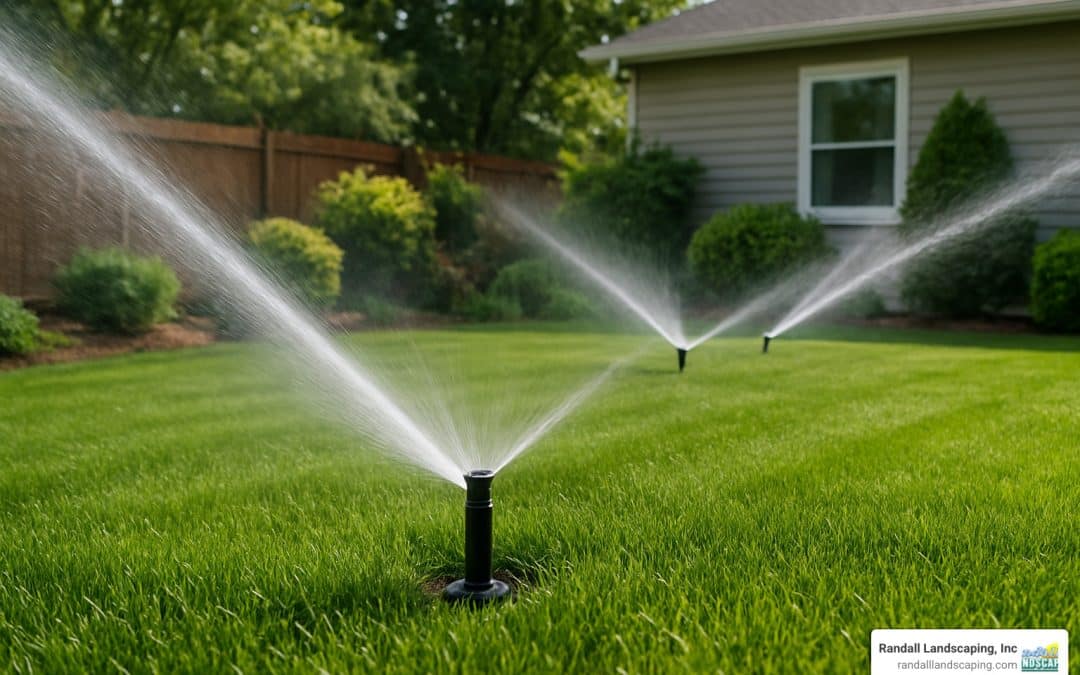
Transform Your Yard with Modern Irrigation
A professional sprinkler system is an automated irrigation solution that delivers precise watering to your landscape, saving time, water, and money. Here’s what makes these systems essential for today’s homeowners:
- Water Savings: Reduces water usage by up to 30% compared to manual watering
- Convenience: Automated timers allow set-it-and-forget-it lawn care
- Precision: Delivers water exactly where and when needed
- Property Value: Increases curb appeal and home resale value
- Healthier Landscape: Ensures consistent, even coverage for optimal plant health
When considering a professional sprinkler system, you’ll need to understand key elements like operating pressure (ideally 40-75 PSI), water flow requirements (minimum 6 GPM for most residential systems), and zoning options for your specific landscape needs.
Tired of dragging hoses around your yard every summer? You’re not alone. Many homeowners struggle with maintaining a lush, green lawn during hot summer months while also trying to conserve water. A properly designed irrigation system solves both problems simultaneously.
Unlike manual watering or basic hose-attached sprinklers, professional systems are engineered specifically for your property’s unique characteristics. They account for sun exposure, soil type, plant varieties, and even microclimates within your yard.
Modern systems have evolved far beyond simple timers and spray heads. Today’s professional installations often include smart controllers that adjust watering schedules based on weather forecasts, rain sensors that prevent watering during rainfall, and high-efficiency nozzles that minimize waste through evaporation and runoff.
I’m Tommy Randall, owner of Randall Landscaping with over 18 years of experience designing and installing professional sprinkler systems throughout Massachusetts and New Hampshire, where I’ve helped hundreds of homeowners achieve lush, sustainable landscapes while minimizing water usage.
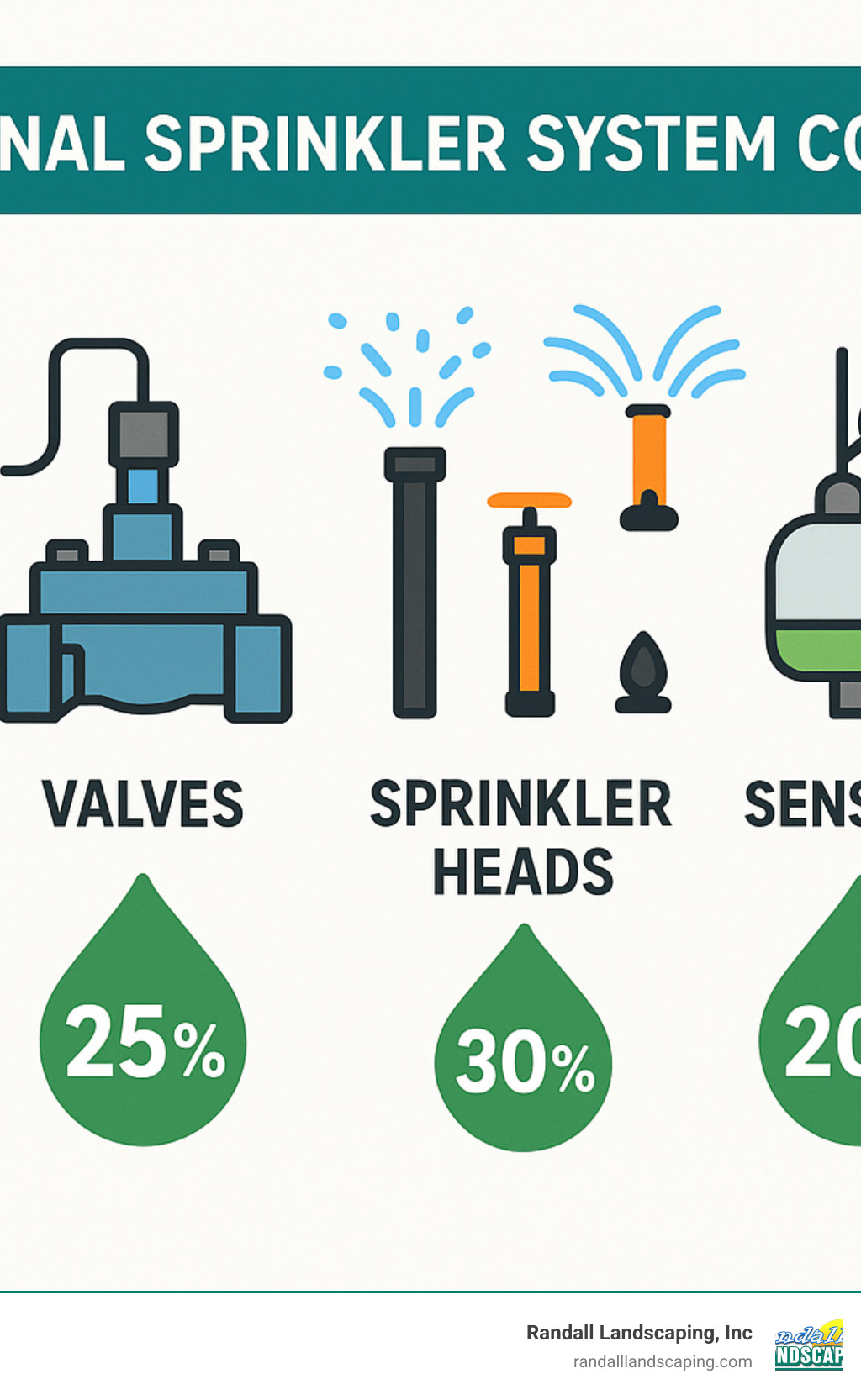
Professional sprinkler system basics:
– professional sod installation
– professional sod installation near me
Why Invest in a Professional Sprinkler System
Let’s face it—maintaining a gorgeous lawn in New England takes work. As I chat with homeowners across the Merrimack Valley, one question comes up consistently: “Is a professional sprinkler system really worth it?”
My answer, after 18 years in the business, is a resounding yes. The benefits go far beyond just convenience (though waking up to a perfectly watered lawn without lifting a finger is pretty nice).
When you install a proper irrigation system, you’re making an investment that pays you back in multiple ways. Think about those summer evenings you’ve spent dragging hoses around your yard—now imagine reclaiming that time for family barbecues or simply relaxing on your patio. A professional sprinkler system handles the work while you enjoy your life.
Beyond the time savings, these systems deliver water with surgical precision. This means healthier grass with deeper roots, dramatic reductions in water waste, and ultimately, lower utility bills. Many of our clients are surprised to find their systems essentially pay for themselves over time through water savings alone.
And let’s not forget what happens when it’s time to sell—homes with irrigation systems typically command higher values and attract more buyer interest.
Main Benefits at a Glance
The game-changer with a professional sprinkler system is the perfectly even coverage. Even the most dedicated manual waterer can’t match the consistency of a properly designed system. You know those frustrating brown patches that appear despite your best efforts? They’re usually the result of uneven watering—a problem that disappears with professional installation.
For busy families throughout Southern New Hampshire, the “set-and-forget” nature of these systems provides incredible peace of mind. Your landscape receives exactly what it needs, whether you’re home, at work, or enjoying a well-deserved vacation. No more asking neighbors to water while you’re away or rushing home to rescue wilting plants during a heatwave.
There’s something deeply satisfying about pulling into your driveway after a long day and seeing a lush, green lawn that practically maintains itself. That’s the stress-free lawn care that our clients tell us they value most.
Water Use & Utility Savings
Perhaps the most compelling reason to install a professional sprinkler system is the water conservation aspect. Modern systems can reduce your outdoor water usage by up to 30%—a significant saving that shows up directly on your utility bills.
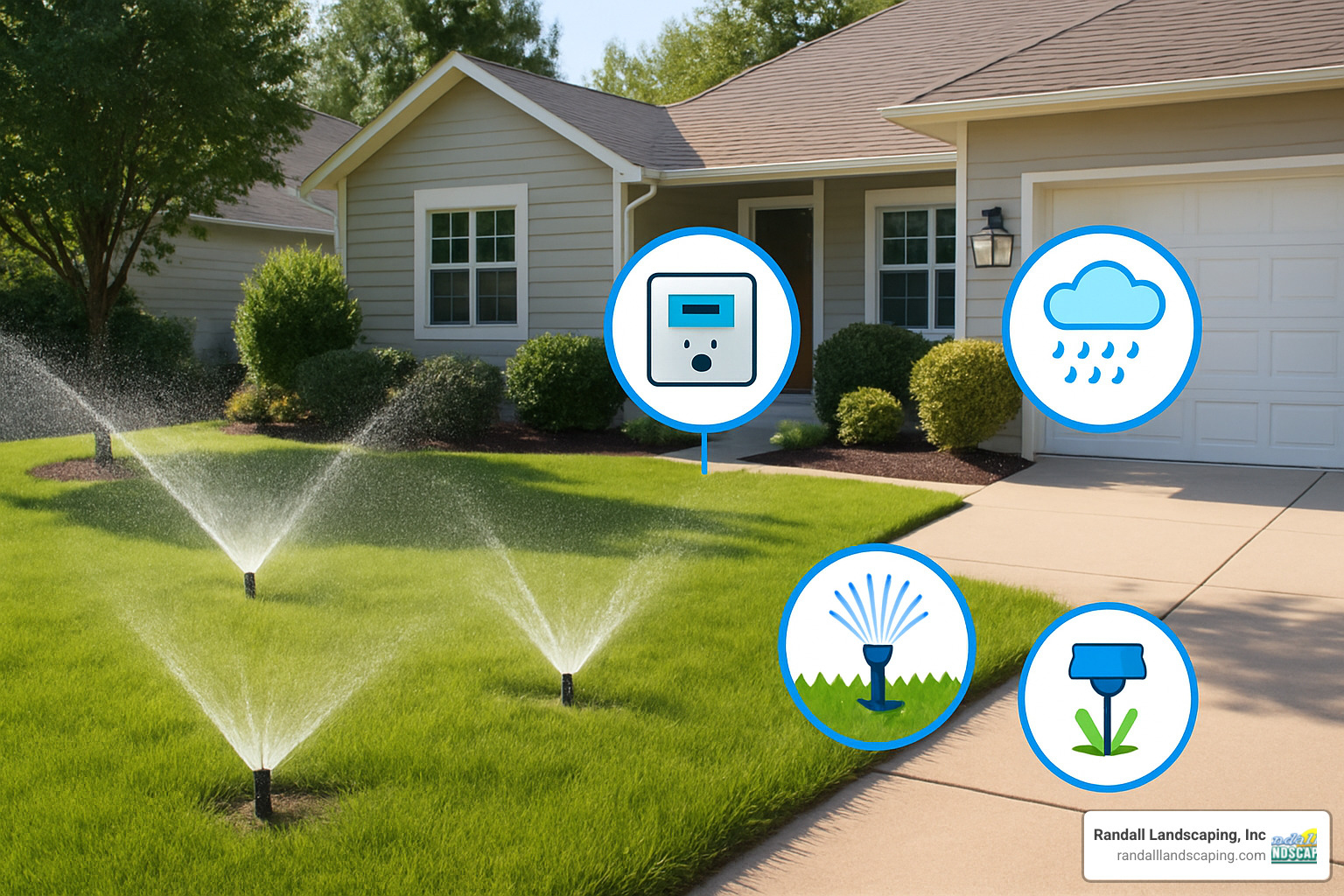
This impressive efficiency comes from smart technology working behind the scenes. Precision timers ensure each zone receives exactly the right amount of water—no more, no less. Rain sensors prevent your system from running during or after rainfall (we’ve all seen those sprinklers running during a downpour—not with our systems!). The most advanced smart controllers take things further by analyzing evapotranspiration (ET) data, essentially the science of how much water evaporates from your soil and plants each day.
These systems make decisions based on actual environmental conditions rather than guesswork. According to scientific research on water-efficient irrigation, this approach can maintain a beautiful lawn while dramatically reducing water consumption.
When comparing manual watering to a professional sprinkler system, the difference becomes clear. Manual watering typically leads to overwatering some areas while underwatering others. With a professional system, every square inch receives precisely what it needs—better results with less water and less effort. That’s what I call smart lawn care.
Sprinkler System Types & Smart Features
When it comes to keeping your yard lush and green, not all professional sprinkler systems are created equal. Your landscape has unique needs, and finding the right irrigation solution makes all the difference in achieving that perfect lawn you’ve been dreaming about.
Rotor Heads
Remember those satisfying rotating sprinklers that make that peaceful “tick-tick-tick” sound? These rotor heads are workhorses for medium to large lawn areas. They distribute water in rotating streams covering an impressive 15 to 50 feet. What makes them special is their slower water application rate, which gives your soil time to properly absorb moisture instead of creating wasteful runoff. Your grass will thank you with deeper, healthier roots.
Fixed Spray Heads
For those cozy corners and smaller sections of your yard, fixed spray heads are the perfect solution. They create a fan-shaped spray pattern covering 3 to 15 feet. While they apply water more quickly than rotors, they’re ideal for flower beds and small lawn sections where precision matters. Many of our Merrimack Valley clients combine these with rotors for a complete system that addresses every inch of their landscape.
Drip Irrigation
If water efficiency is your priority (and with rising utility costs, it should be!), drip irrigation is a game-changer. These systems deliver water directly to plant roots through small tubes with emitters. Almost no water is lost to evaporation or runoff, making them perfect for gardens, flower beds, and shrub areas. Your plants get exactly what they need, exactly where they need it.
Micro-Spray
Think of micro-spray as the perfect middle ground between drip irrigation and spray heads. These systems use tiny spray heads that create a gentle mist over a small area. They’re excellent for ground covers and densely planted areas where you need more coverage than drip but more precision than standard spray heads.
Residential vs Commercial Professional Sprinkler System
While the basics remain the same, residential and commercial systems differ significantly in scale and complexity:
| Feature | Residential Systems | Commercial Systems |
|---|---|---|
| Coverage Area | Typically under 1 acre | Often multiple acres |
| Zone Count | Usually 4-12 zones | Can exceed 50+ zones |
| Water Pressure | 40-75 PSI optimal | Often requires booster pumps |
| Flow Rate | Minimum 6 GPM | Much higher GPM requirements |
| Controller Complexity | Basic to intermediate | Advanced, often networked |
| Cost Range | $2,500-$10,000+ | $10,000-$100,000+ |
For most homes we service in the Merrimack Valley area, we’ve found that residential systems with 6-8 zones strike the perfect balance between excellent coverage and water efficiency. Your specific needs might vary based on your property’s unique characteristics, which is why we always start with a thorough site assessment.
Smart Features That Pay Off
Remember when sprinkler systems were just timers and pipes? Those days are long gone! Today’s professional sprinkler systems have evolved into smart home technology that saves water, time, and money:
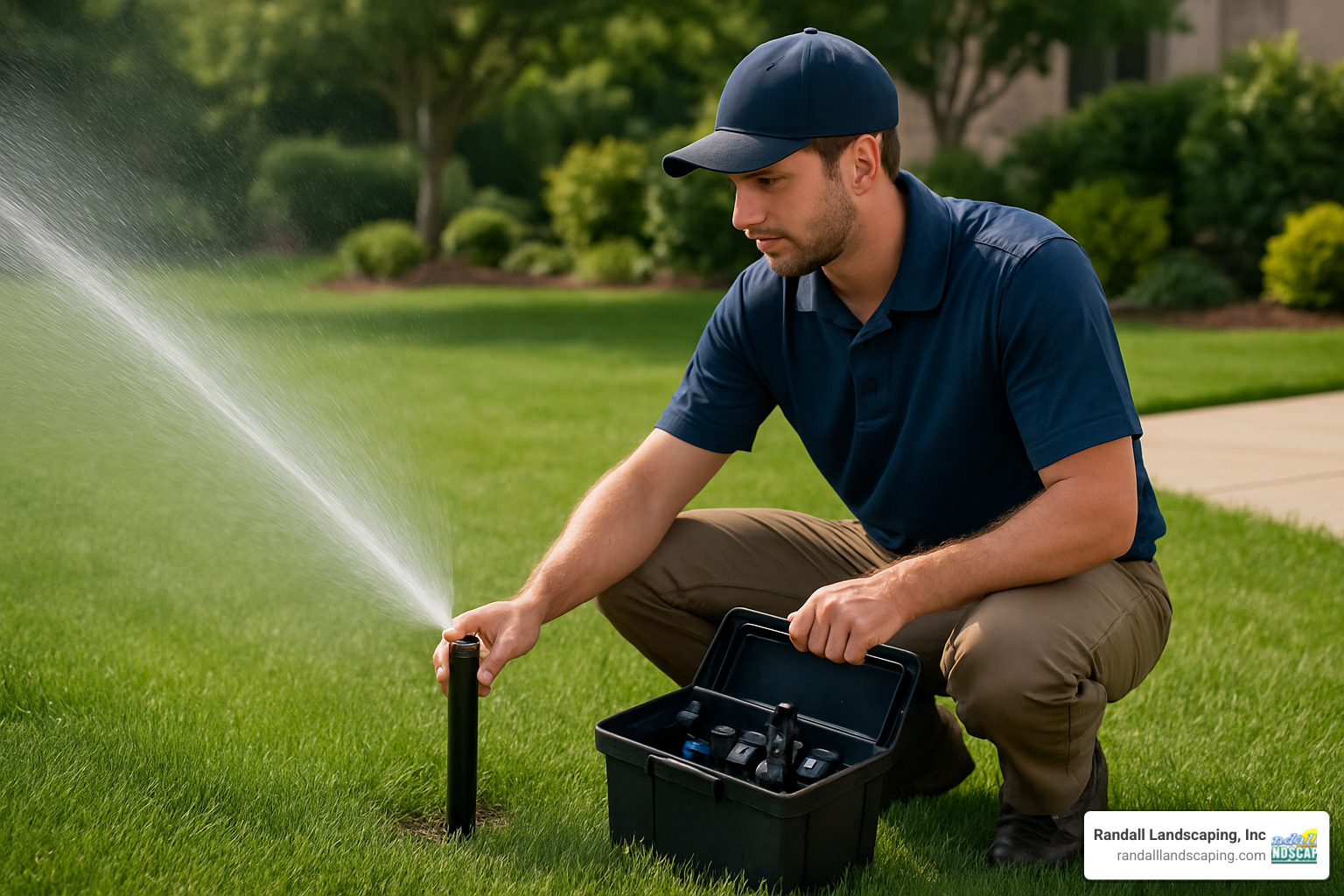
The technology behind modern systems is truly impressive. Weather-based controllers adjust your watering schedule based on local forecasts, automatically skipping watering when rain is coming. Mobile apps let you control your system from the comfort of your couch—or even while you’re on vacation. Many of our clients love showing off how they can turn their sprinklers on and off using voice control through Alexa or Google Home.
Perhaps the most valuable smart features are the ones that protect your investment. Flow meters can detect leaks and automatically shut down your system before minor issues become major problems. And with remote management capabilities, we can monitor your system’s performance and make adjustments without even setting foot on your property.
These aren’t just fancy bells and whistles—they deliver real savings. We’ve seen clients reduce their summer water bills by up to 40% after upgrading from basic timers to smart controllers. That kind of efficiency pairs perfectly with our Landscape Maintenance Services for a truly hands-off approach to lawn care.
At Randall Landscaping, we believe the best systems grow with you. That’s why we design with the future in mind, making it easy to add zones or upgrade controllers as your landscape evolves and technology advances.
Designing, Sizing & Installing
Creating the perfect professional sprinkler system starts with thoughtful planning and precise execution. When we approach a new installation at Randall Landscaping, we begin with a comprehensive site audit that leaves no stone unturned.
We carefully examine your soil type and how water moves through your property, map out sunny versus shaded areas, catalog your existing plants and their specific water needs, and measure every slope and elevation change. We even test your water source to determine exact pressure and flow rates. This detective work might seem excessive, but trust me—it’s the foundation of a system that will serve you well for years.
One non-negotiable component is the backflow preventer. This device isn’t just a good idea—it’s typically required by local building codes, and for good reason. It prevents irrigation water from flowing backward into your drinking water supply. We take this installation seriously, ensuring both your family’s safety and your legal compliance.
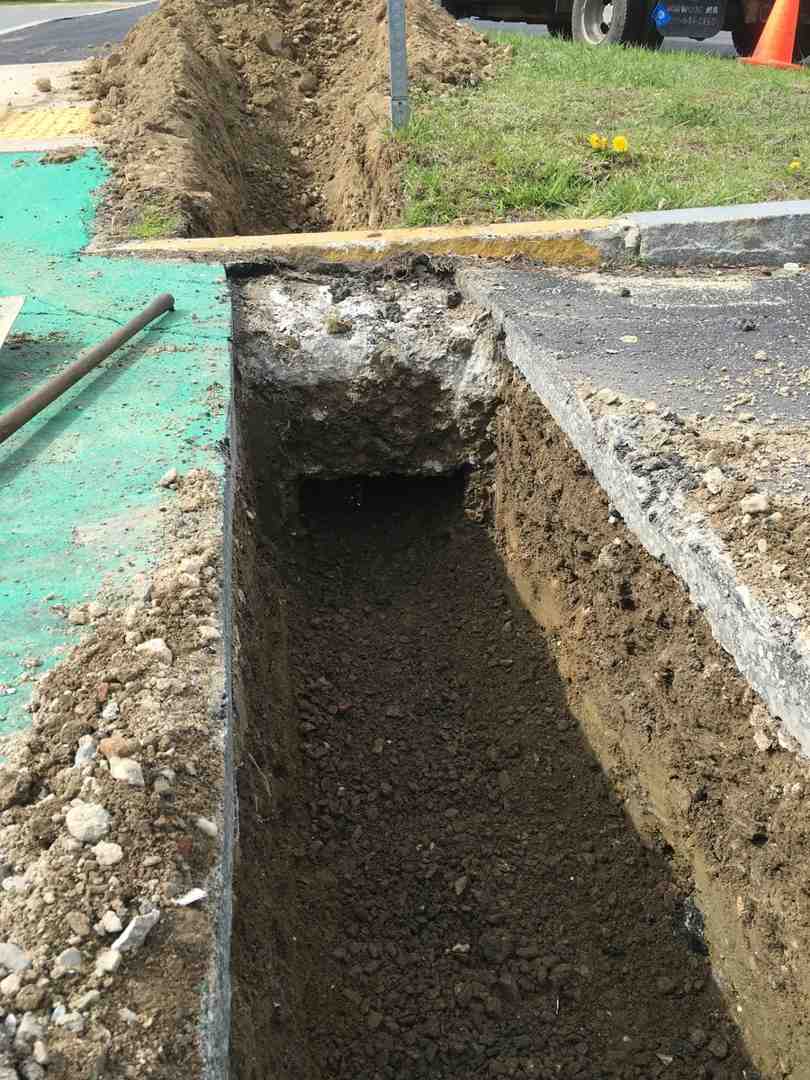
Good news for those worried about their pristine lawns: modern installation methods have come a long way. We often use trench-less pipe pulling techniques that minimize disruption to your established landscape. This approach lets us snake irrigation lines beneath your lawn with surprisingly little visible impact. Your neighbors might not even realize you’re having work done!
While some manufacturers market DIY-friendly systems with quick-connect fittings, professional installation ensures pipes are placed at the proper depth, with appropriate slope for drainage, and protected from potential freeze damage—critical considerations in our New England climate.
For clients planning a landscape overhaul, our Landscape Design & Installation services can incorporate irrigation planning from the very beginning, creating a seamless integration of plants and watering solutions.
Calculating Zones & Sprinkler Heads
Determining the right number of zones isn’t guesswork—it’s math. We start by measuring your property’s water flow rate (gallons per minute or GPM) and water pressure (ideally between 40-75 PSI for residential systems).
With these numbers in hand, we calculate the square footage of different areas of your landscape, noting sun exposure variations that significantly affect water requirements. Those sunny spots facing south? They’ll need more water than the shaded north side of your house—about 30% more, actually. We also identify slopes that might cause runoff if watered too quickly.
Each irrigation zone needs to stay within your available water flow. Here’s a simple example: if your property delivers 12 GPM, and each spray head requires 2 GPM, you shouldn’t install more than 6 heads per zone. Exceeding this limit results in poor performance and uneven coverage.
Different landscape features often need their own dedicated zones: full-sun lawn areas, shaded lawn sections, flower beds and gardens, and trees and shrubs all have distinct watering requirements. According to research on zone run times, using evapotranspiration data helps determine precise watering durations for each zone, making your system even more efficient.
Step-by-Step Professional Installation
While no two properties are identical, our installation process follows a time-tested sequence that ensures quality results:
First, we create a detailed map showing all components, zones, and pipe routes—essentially the blueprint for your entire system. We then obtain any necessary permits from local authorities and mark all underground utilities to prevent accidental damage (hitting a gas line is nobody’s idea of a good time).
Next comes the installation of your backflow preventer and connection to the water source, followed by strategic placement of main lines and valve boxes. We then run lateral lines to each sprinkler head location and install the heads according to our design plan.
The final phase involves wiring and installing the controller, connecting all valves, and then conducting thorough testing of the entire system. We make painstaking adjustments to ensure optimal performance, often spending hours fine-tuning head patterns and pressure to achieve perfect coverage.
A complete professional installation typically takes 1-3 days depending on the size and complexity of your property. For those technically inclined, the 32ETI Installation Instructions Project provides an interesting glimpse into the detailed work involved in proper installation.
At Randall Landscaping, we take pride in creating irrigation systems that blend seamlessly with your landscape while delivering years of trouble-free performance. The right system isn’t just about keeping your lawn green—it’s about doing so efficiently, automatically, and with minimal environmental impact.
Maintenance, Troubleshooting & Seasonal Prep
Your professional sprinkler system is like a faithful garden companion that needs regular care to keep your lawn looking its best. Here in the Merrimack Valley and Southern New Hampshire, where we experience everything from scorching summers to freezing winters, seasonal maintenance isn’t just recommended—it’s essential.
Think of maintenance as preventive medicine for your irrigation system. Regular check-ups help catch small issues before they become expensive problems. We typically recommend inspecting your sprinkler heads every few months to ensure they’re properly aligned and not spraying your driveway or house instead of your lawn. Optimal system pressure (between 30-50 PSI) ensures your sprinklers deliver water efficiently rather than creating mist that blows away.
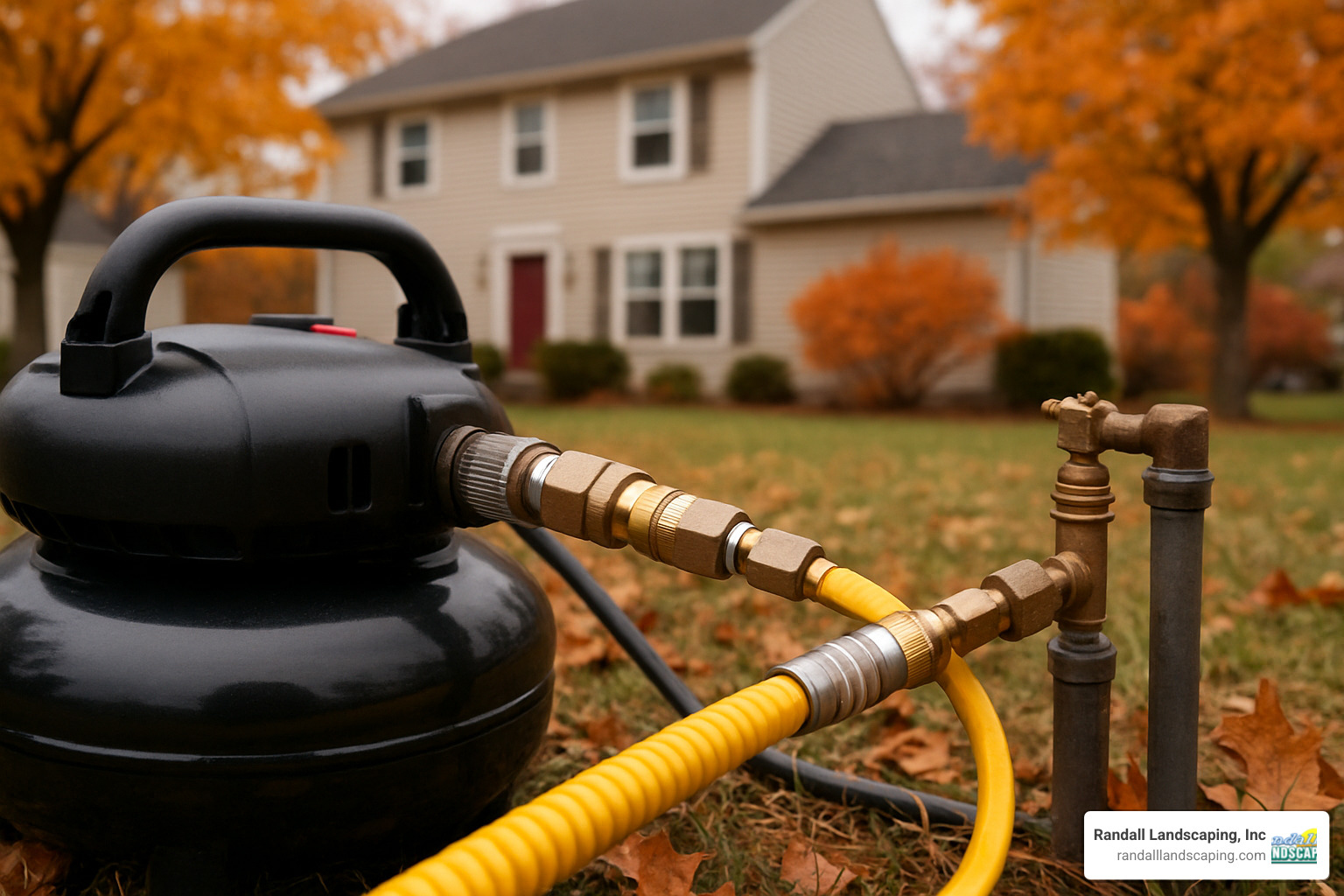
When you choose our Professional Sprinkler Installation service, we don’t just install and disappear. We provide personalized guidance on maintaining your specific system through all four seasons.
Routine Checkups for a Professional Sprinkler System
Your professional sprinkler system follows the rhythm of New England’s seasons, with different needs as the weather changes:
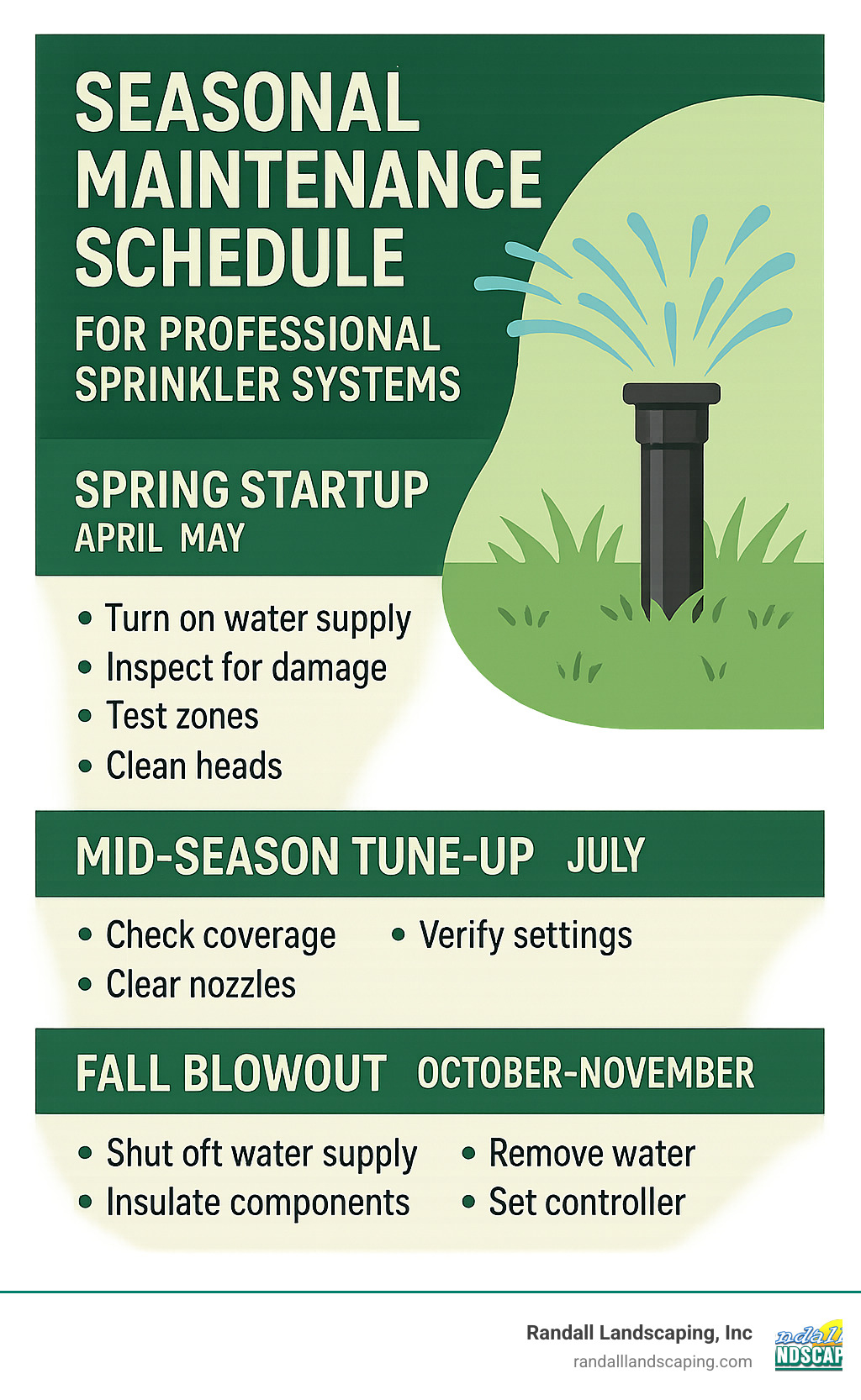
When spring arrives (typically April-May), it’s time for the all-important startup. This involves carefully turning on your water supply, checking for any damage winter might have left behind, and testing each zone. This is also the perfect time to reprogram your controller for spring’s moderate watering needs. Think of it as waking your system from hibernation.
By mid-summer (July), when your system is working its hardest, a tune-up ensures everything continues running smoothly. We check that your lawn is receiving even coverage, clear any nozzles that might have become clogged with debris, and adjust controller settings to handle the summer heat efficiently.
As autumn leaves begin to fall (October-November), it’s time to prepare for winter with a proper system blowout. This critical service removes all water from your pipes using compressed air before freezing temperatures arrive. We also insulate exposed components and set your controller to its winter mode.
Diagnosing & Fixing Common Issues
Even the most reliable professional sprinkler systems occasionally develop quirks. Recognizing the symptoms helps you address problems quickly:
When you notice an uneven spray pattern or reduced coverage from a sprinkler head, you’re likely dealing with a clogged nozzle. The fix is surprisingly simple—just remove the nozzle, give it a gentle cleaning with water or a soft brush, and reinstall it.
If you spot what looks like a mini geyser in your yard, you’ve got a broken head that needs attention. This common issue usually requires digging around the head, unscrewing it from the riser, and replacing it with a matching new one.
Sometimes a whole zone refuses to turn on or off—a classic sign of valve failure. Checking the solenoid and diaphragm can identify whether a simple repair or complete valve replacement is needed.
When multiple heads show reduced water flow, you might have a crushed pipe, often caused by growing tree roots or heavy equipment. Locating and replacing the damaged section solves the problem.
Low pressure affecting multiple heads suggests a systemic issue. Check for leaks, verify your water pressure at the source, and make sure your zones aren’t overloaded with too many heads.
Winterization Essentials
Winter in New England is beautiful, but it can be brutal on your professional sprinkler system. Proper winterization isn’t just a good idea—it’s absolutely necessary to prevent costly freeze damage.
First, shut off the main water supply dedicated to your irrigation system. This is typically a separate valve located near where your main line enters your home or in a valve box.
Next, drain your backflow preventer according to its specific manufacturer instructions. This critical component prevents contamination of your drinking water and is particularly vulnerable to freezing.
The most important step is removing water from all pipes using compressed air. We recommend using between 40-80 PSI maximum—enough pressure to clear the lines without damaging components.
Don’t forget to insulate any exposed components, particularly backflow preventers that may be above ground. Foam insulation sleeves work well for this purpose.
Finally, set your controller to “rain” or “off” mode for the winter, but don’t disconnect the power. Many smart controllers need to maintain their programming throughout the winter.
Skipping winterization is a costly gamble. When water freezes inside pipes, it expands with tremendous force, causing pipes to crack or burst. Repairing freeze damage typically costs between $200 for minor repairs to $2,000 or more for extensive damage—much more than the cost of proper winterization.
At Randall Landscaping, we’ve seen what happens when systems aren’t properly winterized, and we’d much rather help you prevent those problems than fix them later. Your irrigation system is an investment worth protecting through all seasons.
Cost, Value & Buyer Checklist
Investing in a professional sprinkler system is a significant decision for any homeowner. Let’s break down what you can expect to pay and the value you’ll receive in return.
The cost of irrigation systems varies widely based on property size, system complexity, and the features you choose:
For residential properties, basic systems typically run $2,500-$4,500, while mid-range systems with smart features generally cost $4,500-$7,500. If you’re looking for a premium system with full automation capabilities, expect to invest $7,500-$10,000+. Commercial properties naturally require more extensive systems, with costs ranging from $10,000 to well over $100,000 depending on acreage and requirements.
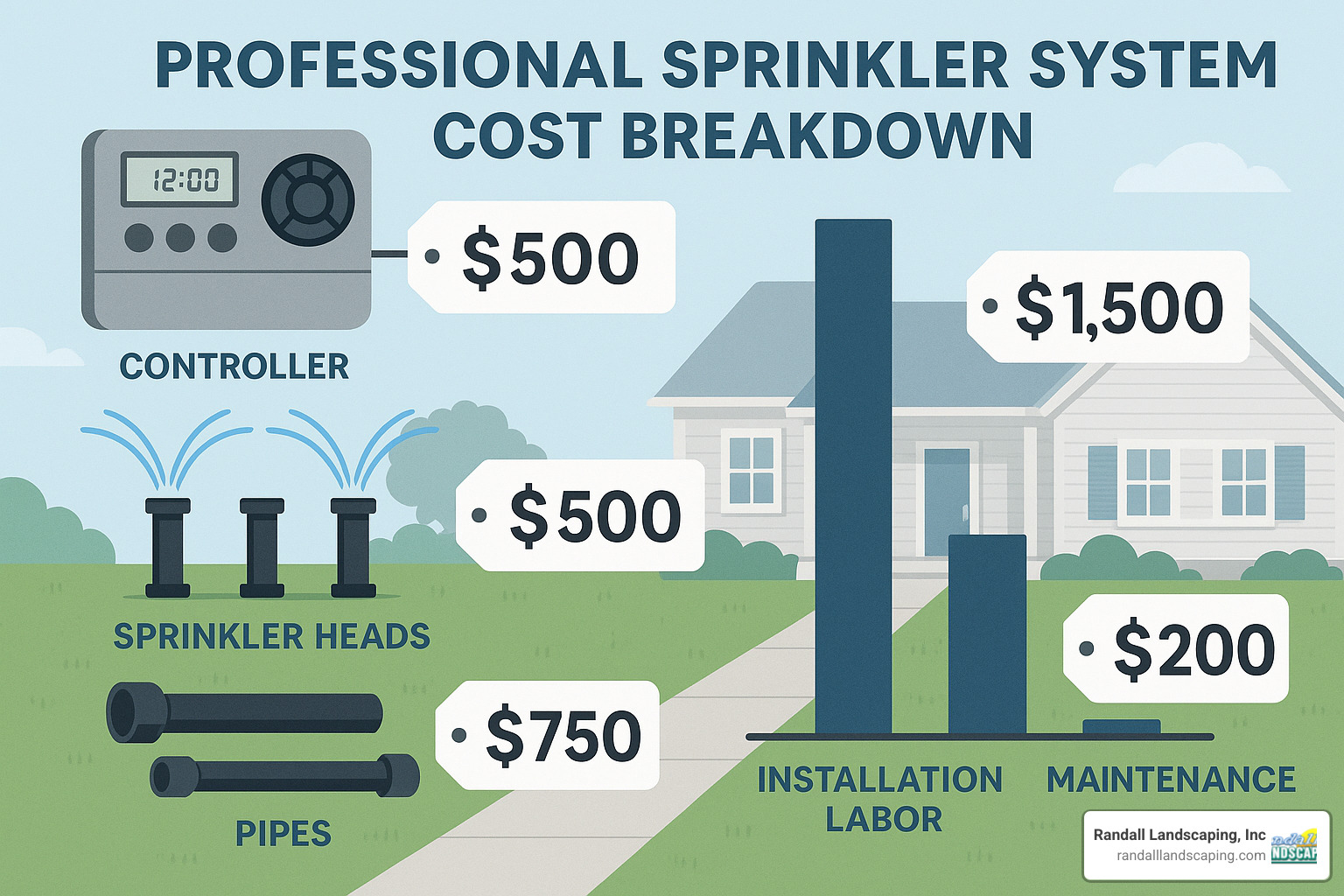
Beyond installation, you’ll want to budget for annual maintenance to keep your system running efficiently. Spring startup services typically cost $50-$150, mid-season adjustments range from $75-$200, and fall winterization runs $75-$250. Many homeowners opt for full-service annual packages, which range from $150-$1,200 depending on system size and service level. These are average costs based on internet data and not actual costs for Randall Landscaping.
But what about the return on your investment? This is where the true value becomes clear. A well-designed professional sprinkler system can increase your property value by 5-10% – a significant return when you consider the average home price in the Merrimack Valley area. You’ll also enjoy water bill reductions of up to 30% compared to manual watering, potentially saving hundreds of dollars annually.
Perhaps the most immediate benefit is the time you’ll reclaim – most of our clients report saving 2-3 hours of weekly maintenance time during growing seasons. That’s over 50 hours each summer you can spend enjoying your beautiful lawn rather than maintaining it!
Most quality systems come with warranties ranging from 1-5 years on parts and labor, providing peace of mind along with your new installation. At Randall Landscaping, we stand firmly behind our work with comprehensive warranties that protect your investment.
For a personalized assessment of what a system would cost for your specific property, we invite you to Contact Us for a no-obligation consultation.
Signs You Need an Upgrade or Audit
Even the best professional sprinkler system eventually needs updating. Here’s how to tell when it’s time for an upgrade or professional audit:
Those persistent brown patches in your lawn despite regular watering often signal distribution problems with your current system. Similarly, if you’ve noticed significantly higher water bills without increased usage elsewhere in your home, your irrigation system may be leaking underground or running inefficiently.
Major landscape changes such as new garden beds, expanded patios, or mature tree growth can dramatically alter your property’s watering needs. A system designed for your landscape five years ago might not adequately serve your yard today.
Technology evolves quickly – if your controller is more than 10 years old, you’re missing out on smart features that could substantially reduce water usage and improve convenience. Likewise, as trees and shrubs grow, they can interfere with spray patterns, creating dry spots and wasted water.
A professional irrigation audit examines your entire system for efficiency and function. These assessments typically cost $150-$500 but often identify issues that save many times that amount in water costs and landscape preservation.
What to Look for in a Pro
Choosing the right professional for your irrigation needs is just as important as selecting the right system. Here’s what separates the true professionals from the rest:
First, verify licensing and certification – qualified professionals should have irrigation-specific credentials that demonstrate their expertise. Ask about their experience with properties similar to yours; an installer who primarily works with small urban lots might not be ideal for your sprawling suburban landscape.
Always insist on clear, detailed quotes that specify exactly what you’re getting – vague estimates often lead to surprise costs down the road. The best professionals offer a satisfaction guarantee that demonstrates their confidence in their work quality.
Don’t hesitate to request and check references from previous clients. A reputable company will gladly provide these, and speaking with past customers offers invaluable insight into what you can expect.
Finally, prioritize professionals with knowledge of local conditions – the unique climate challenges of the Merrimack Valley and Southern New Hampshire require specific expertise to address properly. A system designed for Florida won’t perform optimally in our New England environment.
At Randall Landscaping, we pride ourselves on meeting all these criteria and delivering 100% reliable service to every client. We understand that your landscape is a significant investment, and we’re committed to helping you protect and improve it with the right irrigation solution.
Frequently Asked Questions about Professional Sprinkler Systems
How often should a system be serviced?
Your professional sprinkler system needs regular TLC to keep your lawn looking its best. Think of it like seasonal check-ups for your car – preventative maintenance saves you from costly repairs down the road.
For homeowners in the Merrimack Valley and Southern New Hampshire, we typically recommend a three-point service schedule:
Spring startup in April or May when we wake your system from its winter slumber, check for any damage, and reprogram for the growing season.
A mid-summer check in July helps catch any issues during peak watering season when your system is working hardest.
Fall winterization in October or November is absolutely critical in our New England climate to prevent freeze damage that could destroy pipes and components.
Beyond these seasonal visits, a complete system audit every 3-5 years helps identify efficiency improvements and keeps your system running at peak performance. Many of our long-term clients tell us this regular maintenance schedule has extended their system’s lifespan by years.
What smart tech saves the most water?
Smart irrigation technology has come a long way, and the water savings can be substantial. When clients ask which upgrades deliver the biggest bang for their buck, I usually point to weather-based smart controllers first. These intelligent devices can slash water usage by 15-30% by automatically adjusting watering schedules based on local weather conditions.
Soil moisture sensors are another game-changer, saving 20-40% by ensuring your system waters only when the soil actually needs it. Think of them as the difference between guessing when your plants need water and knowing for sure.
Even simple technologies like rain sensors make a huge difference by preventing your system from running during or after rainfall – something we see quite often with traditional timers.
For flower beds and gardens, drip irrigation achieves up to 90% efficiency compared to 65-75% for traditional spray heads, delivering water directly to plant roots with minimal waste.
When we combine these technologies in a thoughtfully designed system, many of our clients see their overall irrigation water usage drop by up to 50% compared to basic timer-based systems. That’s good for both your wallet and the environment.
Can a system run on well water without pressure issues?
Yes! A professional sprinkler system can absolutely thrive on well water, but it requires some special planning. We’ve installed dozens of successful systems on well water throughout Southern New Hampshire, so I can speak from experience here.
The key is understanding your well’s specific capabilities. We’ll need to verify your well can produce enough gallons per minute to support the system – this is non-negotiable for proper function. Your pressure tank might need upgrading to maintain consistent pressure throughout watering cycles.
Well water often requires additional filtration to prevent tiny sediment particles from clogging sprinkler heads. We typically design zones to be slightly smaller to accommodate the potentially lower flow rates from residential wells.
In some cases, especially with deeper wells or properties on hills, we might recommend a booster pump for optimal performance. This ensures every sprinkler head receives the pressure it needs to distribute water evenly.
During our initial consultation, we’ll evaluate your well system’s capacity and design an irrigation solution that works perfectly within those parameters. Many of our well-water clients are surprised at how efficiently their systems run with the right design approach.
Have more questions about professional sprinkler systems? We’re always happy to chat – just reach out through our contact page and we’ll help you determine the best solution for your property.
Conclusion
A professional sprinkler system isn’t just a luxury—it’s a smart investment that pays dividends in curb appeal, property value, and environmental responsibility. The technology has come so far in recent years, combining water-saving efficiency with set-it-and-forget-it convenience that homeowners from a decade ago could only dream about.
Here at Randall Landscaping, we’ve spent years perfecting the art and science of irrigation system design and installation throughout the Merrimack Valley and Southern New Hampshire. We’ve seen how the right system transforms struggling lawns into lush, green oases—all while reducing water usage and freeing up countless hours of weekend maintenance time.
I can’t tell you how many clients have told me they wish they’d installed their system years earlier. Whether you’re breaking ground on a new home, refreshing your existing landscape, or simply tired of the endless cycle of moving sprinklers and dragging hoses, a professionally designed irrigation system solves problems you might not even realize you have.
The peace of mind that comes with knowing your landscape is receiving exactly the right amount of water—even when you’re on vacation or too busy to think about lawn care—is truly invaluable. And with modern smart features, you’ll never again worry about being “that neighbor” whose sprinklers run during a rainstorm!
Ready to enjoy a greener, healthier yard without the hassle? We’d love to discuss how a custom-designed professional sprinkler system can transform your property. Our team proudly serves communities throughout the region, including Amesbury, Andover, Atkinson, Boxford, Dracut, Georgetown, North Andover, North Reading, Pelham, Salem, Windham, Methuen, Lawrence, Plaistow, and all across the Merrimack Valley.
For those thinking about a complete lawn renovation alongside your new irrigation system, our new lawn installation services provide the perfect complementary solution for a total landscape change.
Your dream lawn is just a phone call away—let’s make it happen together!