Why Environmental Mulch Matters for Your Garden
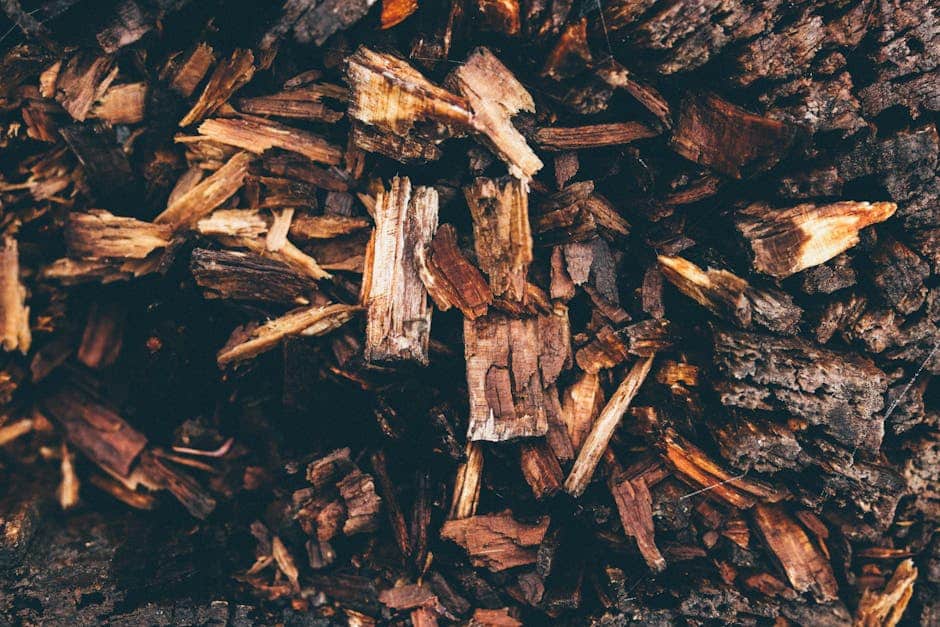
Environmental mulch refers to materials that are sustainably sourced, minimize ecological impact, and improve soil health as they break down. The best options include:
- Organic mulches like wood chips, bark, compost, leaf mold, and straw.
- Locally sourced materials from repurposed tree or yard waste.
- Undyed, untreated options free from chemical contaminants.
- Byproducts from sustainable forestry or local tree services.
Avoid: Dyed mulch (potential toxins), rubber mulch (leaches chemicals), and cypress mulch (destroys wetland habitats).
Many homeowners want to improve their outdoor spaces with choices that benefit the environment. While conventional mulches can look appealing, they may introduce toxins, deplete soil nitrogen, or contribute to habitat destruction. Environmental mulch, on the other hand, works with nature.
Research shows that carbon-based mulches add organic matter and nutrients to the soil, feeding beneficial microbes and earthworms. Composted mulches can increase soil nitrogen, hold more water, and may reduce fire risk compared to wood-based alternatives. Using repurposed materials—like woody waste from local tree services—also keeps valuable organic matter out of landfills.
I’m Tommy Randall, owner of Randall Landscaping. Since 2006, we’ve helped homeowners throughout Massachusetts and Southern NH make smart choices about environmental mulch for healthier, more sustainable landscapes. This guide will walk you through choosing the right eco-friendly mulch for your property.
What Makes Mulch “Environmental”?
True environmental mulch considers the entire lifecycle of the product—where it came from, how it was made, and what happens as it breaks down. It’s about making choices that benefit your plants and the planet.
The Role of Sourcing and Production
The journey your mulch takes before it arrives at your property matters. The best environmental mulch comes from materials that would otherwise go to waste, such as wood chipped from local tree removals. This approach keeps organic matter in circulation and reduces the carbon footprint of your landscaping.
Local sourcing is crucial. When mulch travels hundreds of miles, transportation emissions add up. Choosing nearby sources means fresher material and a smaller environmental impact. We always avoid mulch that contributes to logging threatened species or destroying critical habitats like old-growth forests. Your garden shouldn’t come at the cost of another ecosystem. For more information, see our Mulch and Edging Services.
Understanding Recycled Materials in Mulch
Some of the best eco-friendly mulches come from recycled materials like organic waste that gets a second life in your garden.
Clean construction lumber can be ground into excellent natural wood mulch. Yard trimmings—leaves, branches, and plant debris—can be composted or shredded into nutrient-rich mulches.
The critical part is ensuring these recycled sources are contaminant-free. This means no painted or chemically treated wood. These contaminants can leach into your soil and harm your plants, pets, and family. Reputable suppliers should be transparent about where their recycled materials come from and how they are processed. If they can’t answer, it’s a red flag.
Organic vs. Inorganic Mulch: A Gardener’s Guide
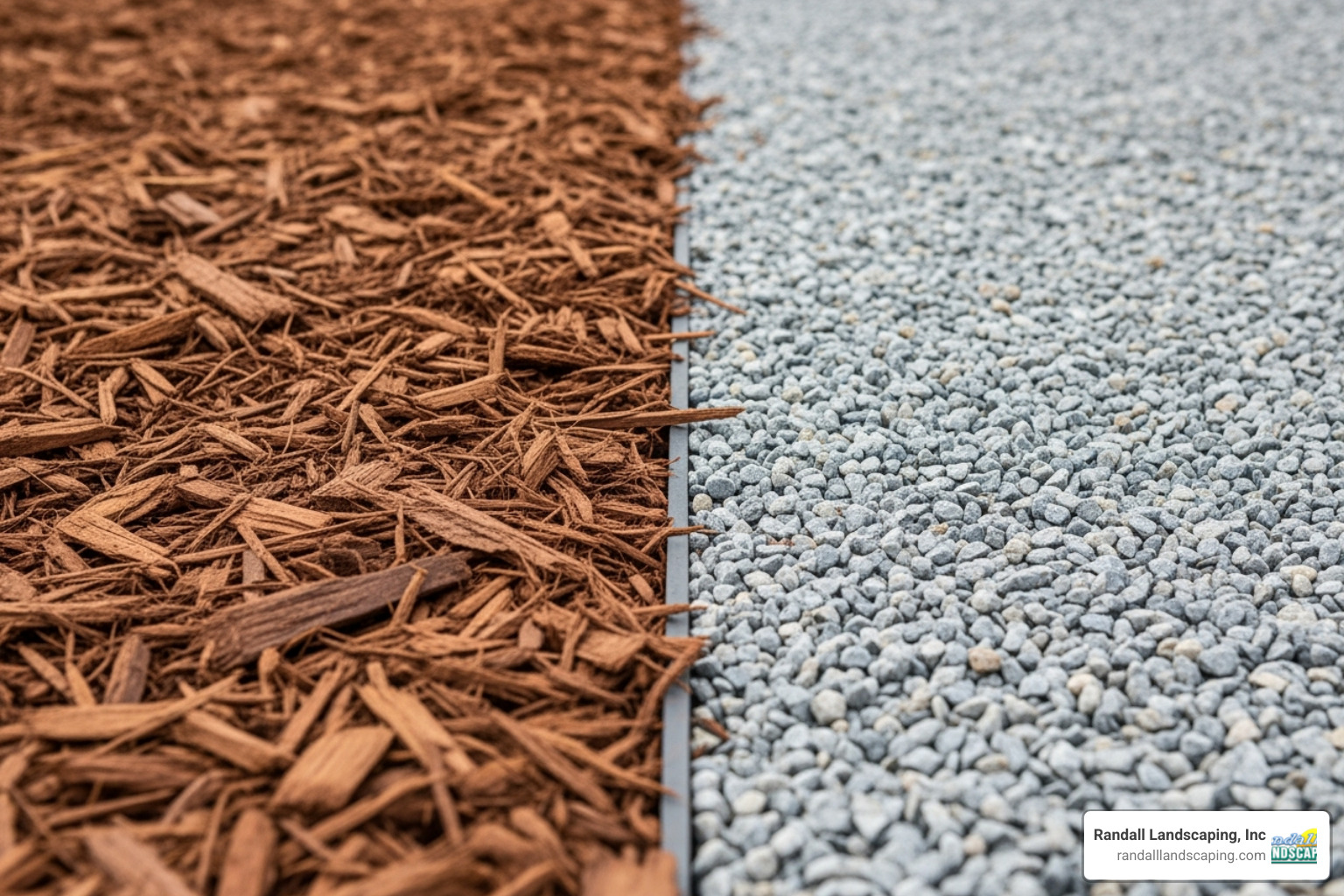
Mulch falls into two categories: organic and inorganic. While both have benefits, their impact on your garden and the environment differs significantly.
The Benefits of Organic Mulch
Organic mulches are derived from natural materials that were once living. As they decompose, they release valuable nutrients, improve soil structure, and feed a thriving underground ecosystem of microbes and earthworms.
Research shows that composted yard waste can dramatically increase soil nitrogen and water retention. Studies also suggest composted mulches are less combustible than wood-based options.
Popular organic options include:
- Wood Chips and Bark: These break down slowly, providing sustained soil enrichment and weed suppression.
- Pine Needles (Pine Straw): Lightweight and a byproduct of paper production, this mulch is perfect for acid-loving plants.
- Leaf Mold: Made from decomposed leaves, this is a free, sustainable option that’s rich in nutrients.
- Compost: A powerhouse that improves soil fertility, microbial life, and water retention. What’s Unique About Composted Mulches?
- Straw: Ideal for vegetable gardens, it protects fruit from soil contact and provides insulation. Use straw, not hay, to avoid weed seeds.
Organic mulches embody environmental mulch principles: they are biodegradable and contribute to sustainable gardening.
The Uses for Inorganic Mulch
Inorganic mulches don’t decompose, so they won’t add nutrients to your soil. However, they have their place in landscape design.
Their main advantage is longevity and weed suppression. Gravel and pebbles create a permanent, low-maintenance ground cover, valuable in arid climates or for pathways and rock gardens. Crushed rock serves similar purposes and is often used for driveways or as a base for hardscaping.
Landscape fabric is often used under mulch as an additional weed barrier, allowing water and air to pass through.
While organic mulches need replenishment, inorganic options are a long-term solution for low-maintenance zones. Organic mulches offer a natural, earthy look, while inorganic options provide clean lines and a more structured appearance.
Mulch to Avoid: Hidden Environmental Downsides
Some mulches that look appealing carry hidden environmental costs that can harm your soil, plants, and the broader ecosystem. Here are the options to avoid.
The Problem with Dyed Mulch
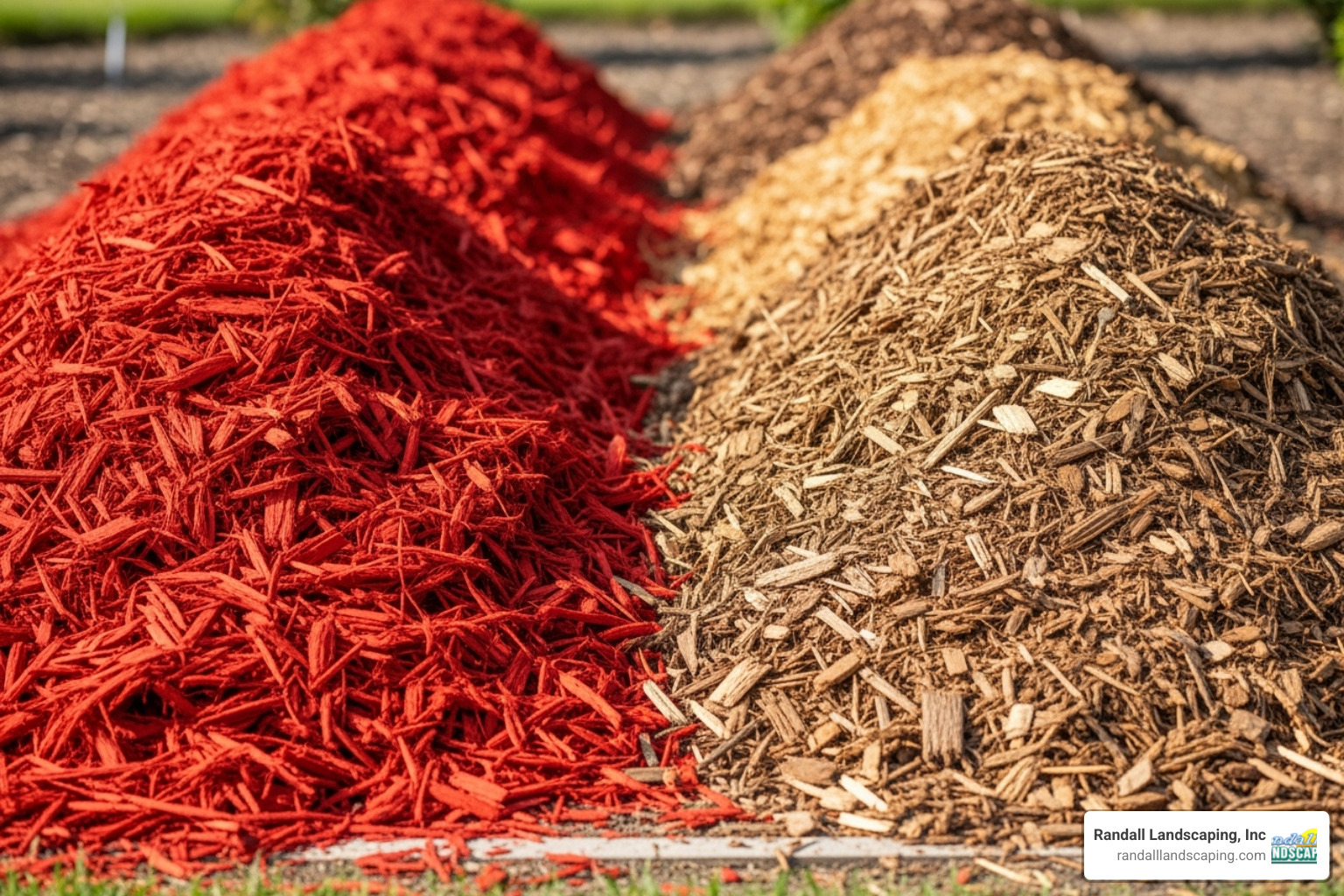
While vibrant, dyed mulches often come from recycled construction debris. This wood can contain CCA-treated wood (chromated copper arsenate), paint, and other chemical residues. These contaminants can leach into your soil and groundwater, posing risks to plants and family health.
There’s another issue: nitrogen depletion. As these heavily processed mulches slowly decompose, they can rob nitrogen from the soil, leaving plants stunted and yellowing. A few extra months of color isn’t worth potentially contaminating your soil.
Why Rubber Mulch Isn’t a Green Choice
Rubber mulch is marketed as eco-friendly because it’s made from recycled tires, but the reality is less rosy. Tires contain a cocktail of chemicals, heavy metals (like zinc), and petroleum byproducts. As rubber mulch weathers, these toxic substances leach into your soil and water, harming soil organisms and plants.
Unlike organic environmental mulch, rubber provides zero nutrients or organic matter to your soil. It is also a flammability concern; once ignited, it burns hot and releases toxic fumes. Recycling tires is important, but not as garden mulch.
The Cypress Mulch Controversy
Cypress mulch is known for being rot-resistant, but its sourcing is a major problem. Much of the cypress mulch on the market comes from the old-growth forest destruction of vital wetland ecosystems. These ancient forests support incredible biodiversity, filter water, and prevent flooding.
This unsustainable harvesting occurs because cypress trees grow extremely slowly. A tree that took centuries to mature is ground into mulch that lasts only a year or two. Unless you can verify a genuinely sustainable source, it’s best to choose alternatives like cedar or locally sourced hardwood chips that don’t carry this environmental baggage.
Choosing and Using Your Ideal Environmental Mulch
Making the right choice involves considering both environmental impact and your garden’s specific needs.
How to Identify Truly Eco-Friendly Options
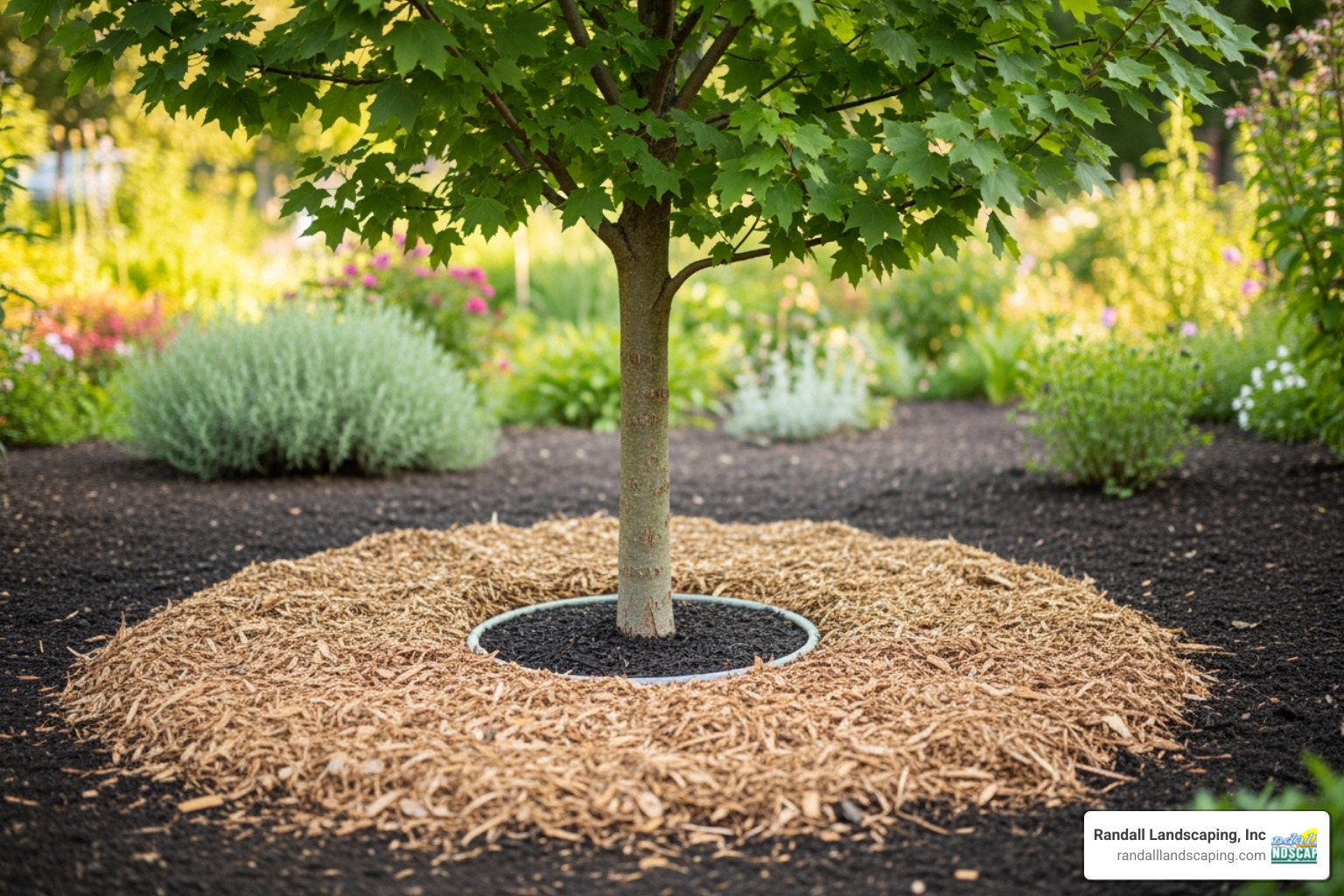
Finding genuinely eco-friendly mulch requires asking the right questions. Prioritize organic materials that will break down and feed your soil. Ask your supplier about the source: Where did it come from and how far did it travel? Local sourcing significantly reduces the carbon footprint.
Look for undyed and untreated options. If you can find mulches from repurposed materials—like chips from tree service companies or local yard trimmings—even better. You can also make your own highly effective mulch from fallen leaves. Leaf mold is free, effective, and zero-waste.
For larger projects, our team at Randall Landscaping offers efficient mulch installation blowing services for even coverage.
The Role of Environmental Mulch in Your Garden
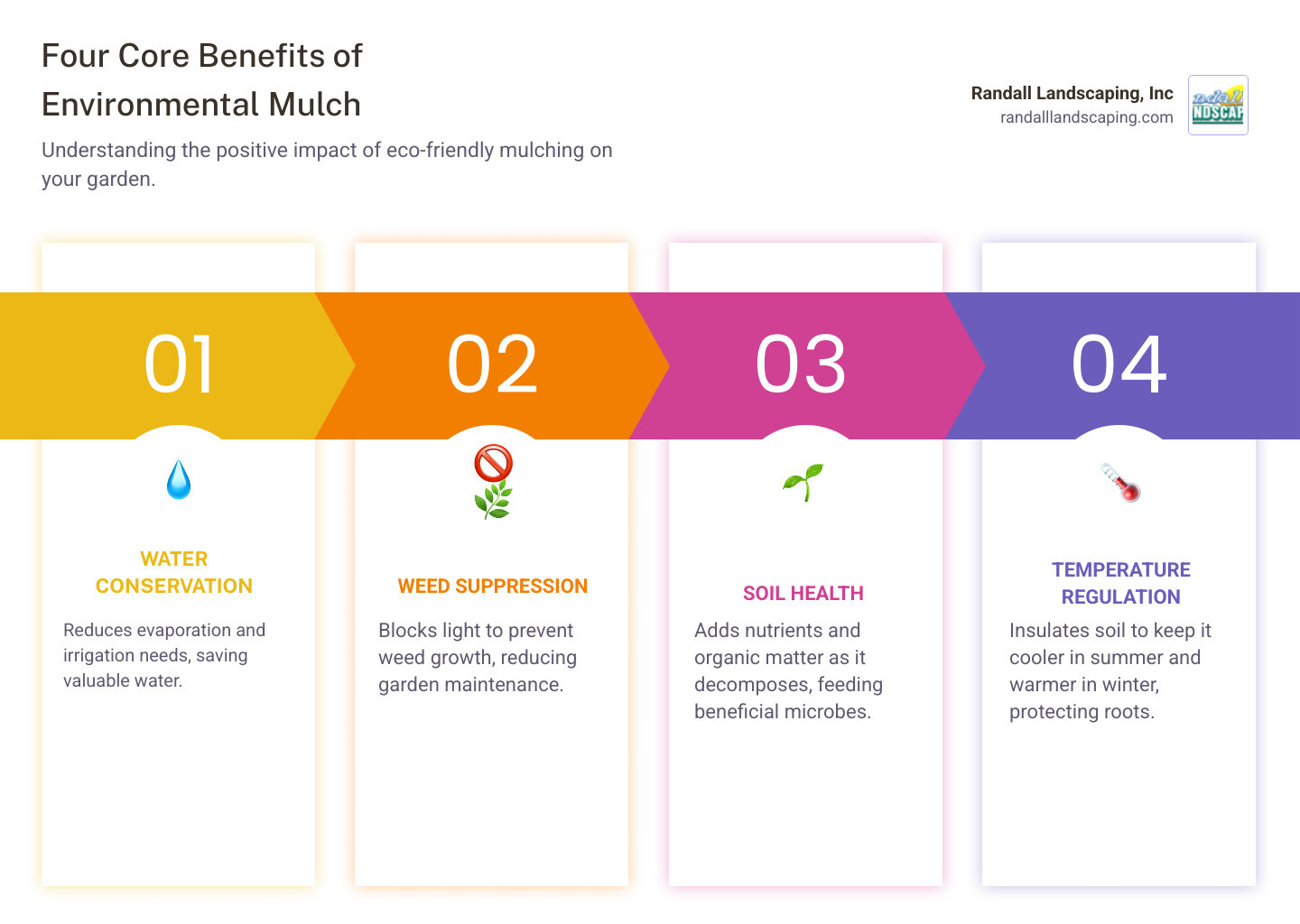
Beyond aesthetics, environmental mulch builds a healthier garden ecosystem. As it decomposes, it releases nutrients, improves soil structure, and nourishes beneficial microbes. Key benefits include:
- Water Conservation: Mulch acts as a protective blanket, reducing evaporation and making it an excellent moisture retaining mulch.
- Weed Suppression: A good layer blocks sunlight, preventing weed growth without chemical herbicides. It’s a natural mulch for weed control.
- Temperature Regulation: It insulates soil, keeping roots cooler in summer and warmer in winter, reducing plant stress.
Aesthetic Choices and Average Costs
You don’t have to choose between sustainability and style. Natural environmental mulch offers a wide palette of colors and textures, from the rich browns of shredded bark to the warm, reddish tones of hemlock or cedar. Fine-ground compost creates a smooth look, while coarser wood chips add dimension.
As for costs, mulch pricing varies by type, quality, and location. Based on general internet data, you can expect to pay anywhere from $20 to over $100 per cubic yard. Basic wood chips might be $20-$30 per yard, while premium aged or composted products could reach $40-$100 per yard or more. Please note that these are average costs based on internet data and not actual prices for Randall Landscaping.
Frequently Asked Questions about Environmental Mulch
Here are answers to common questions about environmental mulch to help you feel confident in your choices.
How often should I replace environmental mulch?
This depends on the type. The beauty of environmental mulch is that it’s supposed to break down to enrich your soil.
- Wood chips and bark mulches break down slowly, typically lasting 1 to 3 years. Topping up with an inch of fresh mulch annually usually suffices.
- Finer materials like compost and leaf mold decompose faster, delivering nutrients more quickly. You’ll likely need to replenish these annually.
When the mulch layer is thin (less than 2 inches) or weeds are appearing, it’s time for a refresh. The fact that it’s disappearing is a sign it’s working.
Is it safe to use mulch from a tree I had removed?
Yes, using chips from a removed tree is a fantastic way to create your own environmental mulch. It’s the ultimate in local sourcing. However, it’s crucial to know why the tree was removed.
- Healthy Tree: If removed for storm damage or construction, the chips are an excellent, free resource.
- Diseased Tree: Do not use chips from a diseased tree (e.g., Dutch elm disease, oak wilt) on garden beds, as this can spread pathogens. Instead, hot-compost the chips to kill pathogens, or use them on non-planting areas like pathways.
Always ask the tree service about the tree’s health status.
What is the best environmental mulch for a vegetable garden?
Vegetable gardens need nutrient-rich mulch that retains moisture and suppresses weeds.
- Compost: This is the superstar for vegetable gardens. It slowly releases nutrients, improves soil structure, and boosts moisture retention.
- Straw: An excellent choice for fruiting vegetables like strawberries and squash, as it keeps fruit off the soil. Be sure to use clean straw, not hay, which contains weed seeds.
- Leaf mold: Rich in organic matter, it improves water-holding capacity, and is gentle enough for sensitive seedlings.
These options provide the weed suppression, moisture retention, and nutrient delivery that vegetables need. For more guidance, see our guide on the Best Mulch for Vegetable Garden.
Create a Healthier, Greener Landscape
Choosing environmental mulch is a conscious decision with positive ripple effects. By selecting organic, locally sourced, and sustainable materials, you are feeding your soil, conserving water, reducing the need for chemicals, and keeping waste out of landfills.
Every application of environmental mulch is an investment in a healthier ecosystem. Your plants become more resilient, your soil thrives, and you support practices that protect natural habitats for future generations.
Here in the Merrimack Valley and Southern New Hampshire, we’ve seen how the right mulching choices transform landscapes. At Randall Landscaping, Inc., we’ve built our reputation on quality work and 100% reliability. We care about creating outdoor spaces that bring joy while respecting the environment. Whether you need guidance on selecting mulch, professional installation, or comprehensive landscape maintenance, our team brings years of local expertise to every project.
We are committed to helping you find solutions that work for your landscape goals, aesthetic preferences, and values.
Ready to improve your garden with the right eco-friendly mulch? Explore our Eco-Friendly Mulch Options and let’s work together to create a landscape that’s healthier, greener, and more vibrant than ever before.