
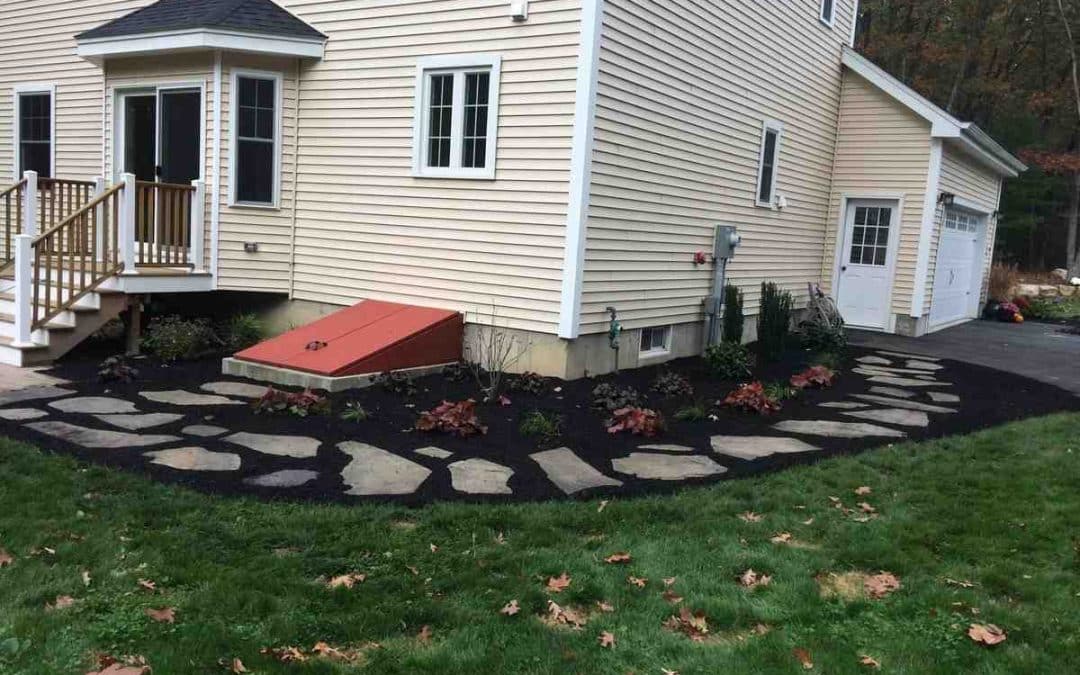
Your First Step to a Low-Maintenance, Beautiful Garden
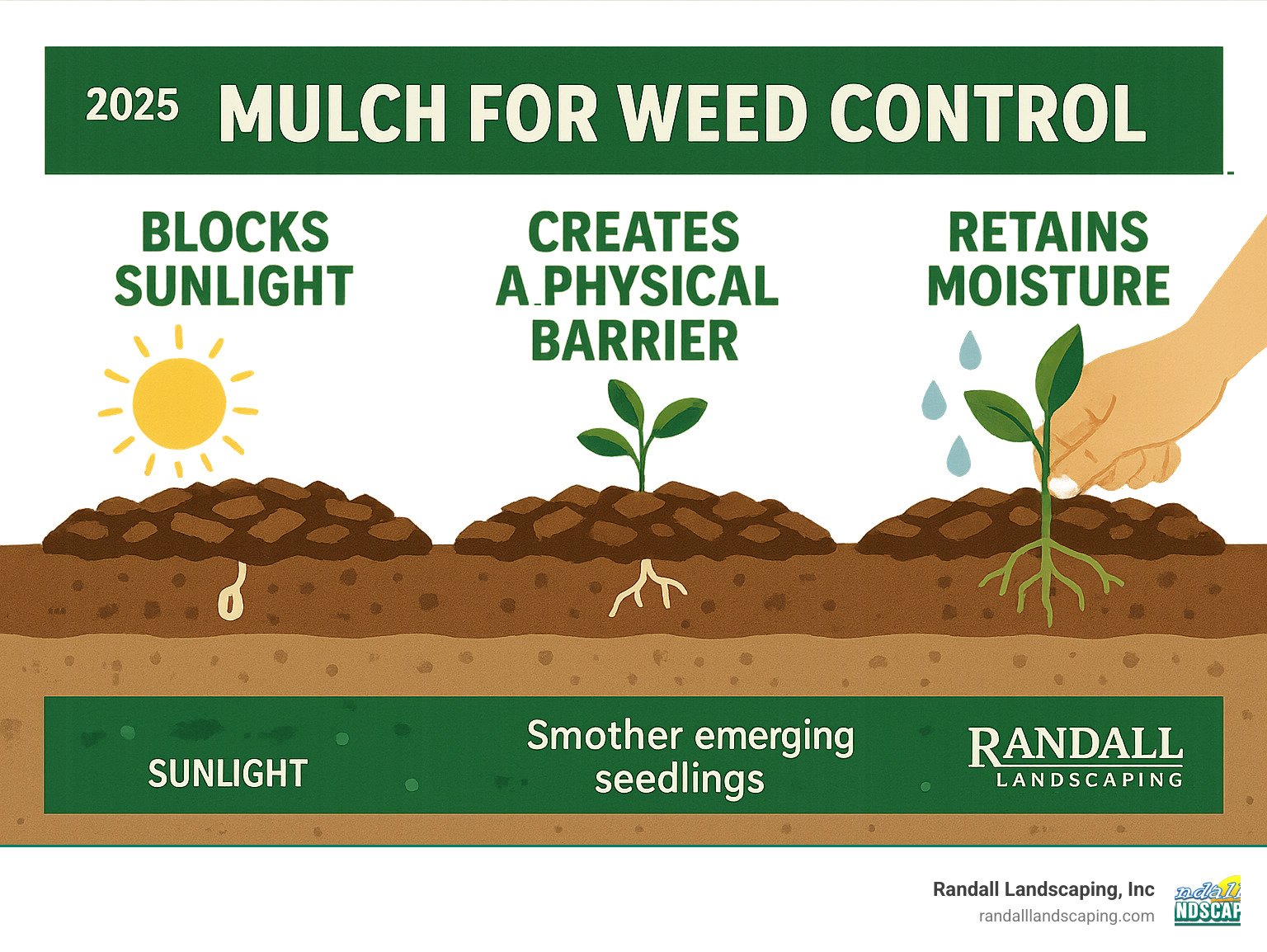
Mulch for weed control is one of the most effective and natural ways to keep your garden beds pristine without spending hours on your hands and knees pulling weeds. Here’s how it works:
- Blocks sunlight – Prevents weed seeds from germinating by cutting off their light source
- Creates a physical barrier – Makes it harder for existing weeds to push through to the surface
- Retains moisture – Keeps soil consistently moist, making any breakthrough weeds easier to pull
- Reduces weeding time – Can cut your weeding from hours every week to just 5 minutes once a month
Are you tired of spending your weekends battling the same weeds over and over again? You’re not alone. As one frustrated gardener put it: “Are you fed up with spending all your free time weeding in your garden, only to have the area you weeded be full of weeds three days later?”
The good news is that a simple 2-4 inch layer of mulch can solve this problem for months at a time. Research shows that mulching can reduce weeding tenfold while providing your plants with better growing conditions.
I’m Tommy Randall, and over my 18 years running Randall Landscaping, I’ve seen how mulch for weed control transforms gardens from high-maintenance headaches into low-maintenance havens. Our mulch installation services have helped countless homeowners in Massachusetts and New Hampshire reclaim their weekends while maintaining beautiful, weed-free landscapes.
Mulch for weed control glossary:
What is Mulch and How Does It Stop Weeds?
Think of mulch as nature’s blanket for your garden. It’s any material you spread over the soil surface to cover and protect it – from wood chips and shredded bark to grass clippings and decorative stones. The U.S. Department of Agriculture’s Natural Resources Conservation Service calls mulching “one of the easiest and most beneficial things you can do for your soil.”
Mulch for weed control works by attacking the problem at its source. Weeds are opportunistic – they need sunlight, water, and nutrients to survive. When you lay down a proper layer of mulch, you’re essentially cutting off their lifeline at multiple points in their growth cycle.
The beauty of this approach is its simplicity. Instead of constantly reacting to weeds after they’ve already sprouted, you’re preventing them from getting started in the first place. Our Garden Bed Mulching services have shown homeowners throughout the Merrimack Valley that a well-mulched garden can stay virtually weed-free for months with minimal effort.
The Science of Smothering Weeds
Here’s where the magic happens. Most weed seeds are programmed by nature to need light before they’ll germinate. It’s their way of ensuring they don’t waste energy sprouting deep underground where they can’t survive.
When you spread mulch over your garden bed, you’re creating a light-blocking barrier that tricks these seeds into staying dormant. Even the stubborn seeds that don’t need light to germinate still need sunlight once they sprout to begin photosynthesis – the process that converts sunlight into the energy they need to grow.
Research shows that mulches suppress annual weeds by limiting the light required for weed establishment. It’s like putting a lid on a pot of potential problems before they can bubble over.
But what about the really determined weeds that somehow manage to push through? This is where the physical barrier effect becomes your best friend. These breakthrough weeds have already exhausted most of their stored energy fighting through the mulch layer. They emerge weak and struggling, making them incredibly easy to spot and remove.
The loose, moist environment under the mulch also means that any weeds you do need to pull come out effortlessly – roots and all. No more wrestling with stubborn weeds in hard, compacted soil. For comprehensive information on how mulch impacts plant growth and weed suppression, you can review this scientific review of mulch impacts.
More Than Just Weed Control: The Added Perks
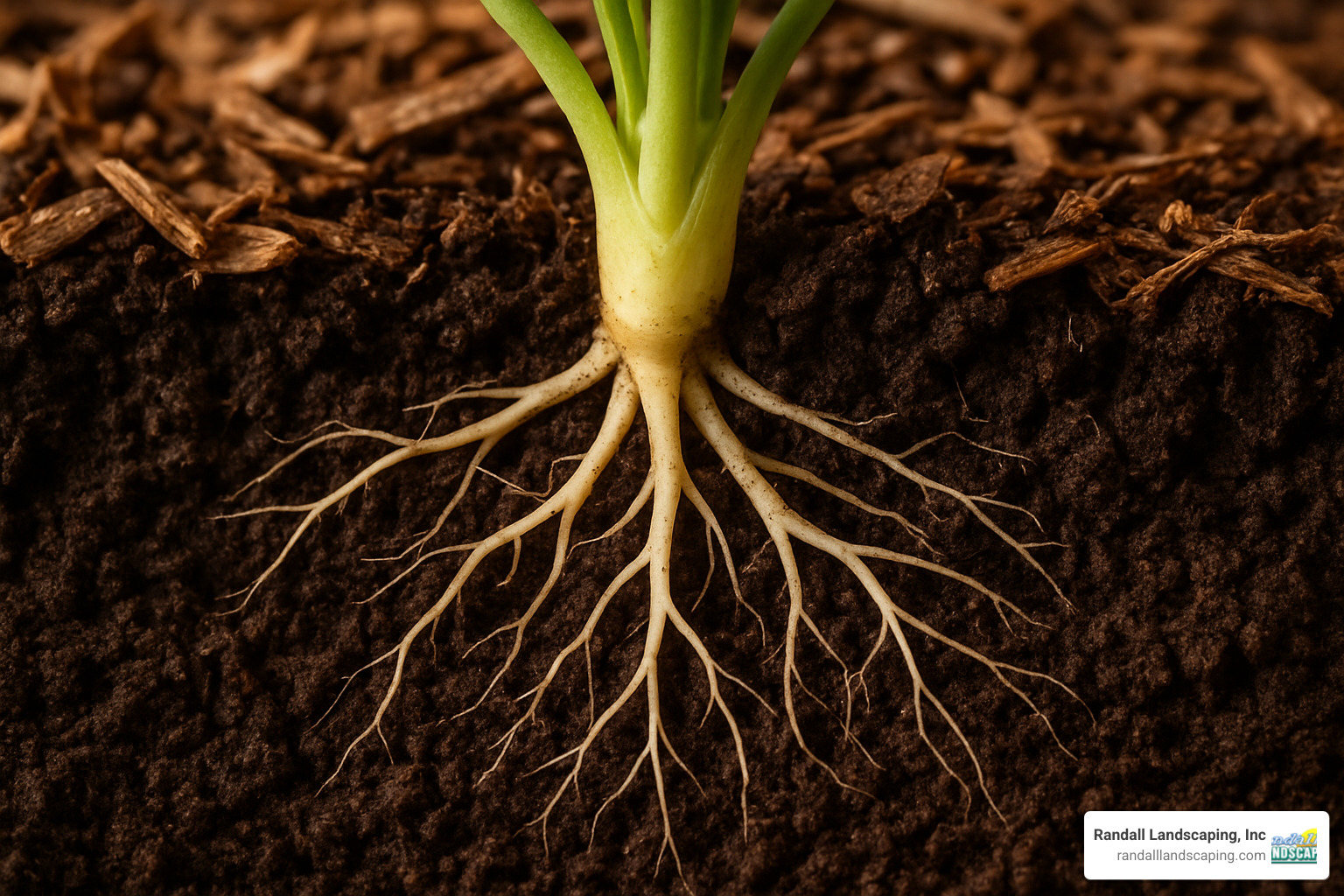
While you might start with mulch for weed control, you’ll quickly find it’s like getting a Swiss Army knife when you only needed a screwdriver. The benefits extend far beyond just keeping weeds at bay.
Moisture retention is perhaps the most immediately noticeable benefit. Mulch can reduce water evaporation by up to 70%, which means your plants stay happier during those hot New England summers, and your water bill stays lower too. It’s like giving your garden its own personal water conservation system.
The temperature regulation aspect is equally impressive. Mulch acts as insulation, keeping soil cooler when it’s blazing hot and warmer when frost threatens. Your plant roots get protection from temperature extremes, and you get an extended growing season.
Soil structure improvement happens gradually as organic mulches decompose. They’re constantly adding organic matter to your soil, improving its ability to hold water in sandy conditions and drain better in clay soils. It’s like having a slow-release soil amendment that works 24/7.
Erosion prevention might not seem glamorous, but it’s crucial during our heavy spring rains and summer storms. Mulch protects your soil from washing away, keeping your garden beds intact and your plants properly anchored.
And let’s not forget the aesthetic appeal. A fresh layer of mulch gives your landscape that crisp, professional look that makes your neighbors wonder if you hired a crew. It’s the finishing touch that ties everything together.
Our Moisture Retaining Mulch services have helped countless homeowners across Southern New Hampshire find that solving their weed problem was just the beginning of creating a healthier, more beautiful garden.
Choosing Your Weapon: Types of Mulch
Picking the right mulch for weed control is like choosing the right tool for a job—one size never fits all. Mulches fall into two camps: organic (they break down and feed the soil) and inorganic (they last a long time but add no nutrients). Our Eco-Friendly Mulch Options cover both styles.
| Organic Mulches | Inorganic Mulches |
|---|---|
| Decompose over time | Permanent/long-lasting |
| Improve soil health | No soil benefits |
| Need periodic top-ups | Minimal upkeep |
| Natural look | Consistent, modern look |
| Lower upfront cost | Higher upfront cost |
Organic Mulches: Feed the Soil, Starve the Weeds
- Bark Mulch – Classic, attractive, and usually effective for 2-3 years.
- Cedar Mulch – Pleasant scent and natural insect resistance; lasts 5-8 years.
- Pine Mulch/Pine Needles – Budget-friendly; needles are perfect for acid-loving plants.
- Wood Chips – Great for pathways. Let fresh chips age a year before placing around veggies.
- Grass Clippings – Free and quick, but break down fast. Use only untreated lawn clippings.
- Shredded Leaves – Another free option that enriches soil. Shred first so they don’t mat.
- Compost – Superb soil amendment but, by itself, too fine for reliable weed suppression.
Inorganic Mulches: Set It and Forget It

- Decorative Stone – River rock or pea gravel delivers near-permanent weed control and a tidy look.
- Landscape Fabric – Not a mulch, but the ideal underlayer for stone or gravel beds.
- Gravel – Tough and excellent for drainage; perfect for walkways or driveways.
Always lay quality landscape fabric under stone or gravel. It keeps the rocks from sinking and stops soil from creeping up to the surface—two simple moves that make weeds think twice.
The Ultimate Guide to Using Mulch for Weed Control
Good mulch isn’t just dumped—it’s installed. A weekend spent doing it right can save you dozens of weeding hours later.
Step 1: Prepare the Bed
Clear out every weed, edge the bed for a crisp border, and rake the soil smooth. Starting clean means weeds have nowhere to hide. Our Mulch and Edging Services handle these chores if you’d rather skip straight to the fun part.
Step 2: Decide on a Barrier (Optional)
- Landscape fabric – Best under stone or gravel; lets air and water through.
- Cardboard – Free, biodegradable, and improves soil as it breaks down.
- Newspaper – Works like cardboard but decomposes faster.
Whichever you choose, overlap seams by 6 inches and keep it permeable—plastic sheets trap water and suffocate roots.
Step 3: Apply the Right Depth
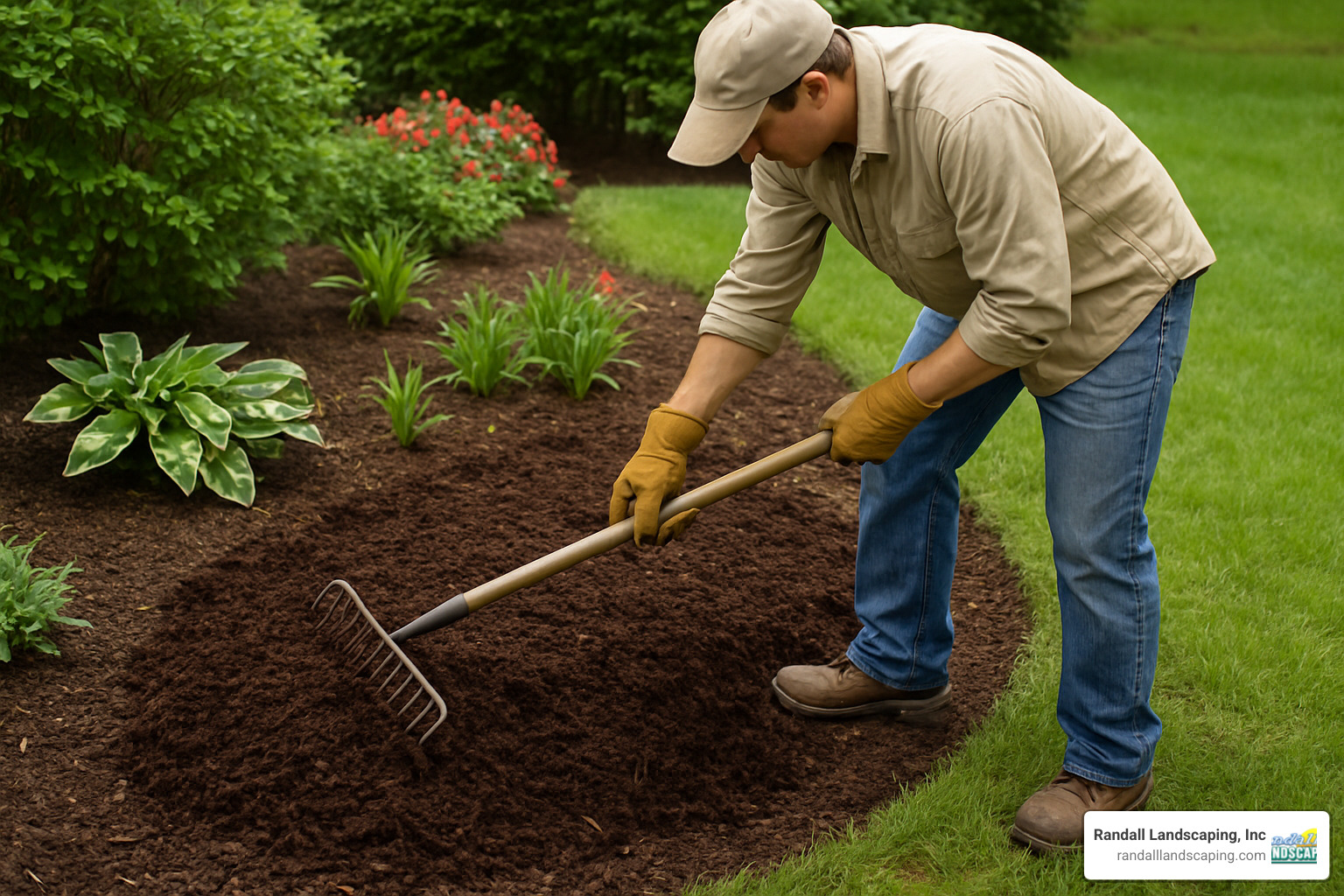
Aim for 2-4 inches. Finer mulches stay on the low side; chunky bark can go a bit thicker. Fighting bindweed or crabgrass? Go 4-6 inches in those hot spots only. Keep mulch 2-3 inches away from stems and never create “mulch volcanoes” around trees.
Need a no-mess install? Our Mulch Installation Blowing Services spread material evenly and at the right depth—fast.
Common Mulching Challenges and How to Solve Them
Even great mulch isn’t perfect. Here are the issues we see most—and easy fixes.
- Nitrogen “steal.” Surface mulch won’t rob roots of nitrogen; problems only occur if you till wood chips into the soil.
- Artillery fungus. Choose aged mulch and maintain good drainage to prevent those sticky black spores.
- Slugs & snails. Don’t over-water and keep mulch to 2-4 inches; pests hate drier conditions.
- Weeds sneaking through. Pull them as soon as they appear. Loose, moist mulch makes removal a breeze.
Affordable (or Free) Mulch Sources
- Municipal yard-waste sites often give residents compost or chips for little to no cost.
- Tree-service companies may drop off aged wood chips free.
- Buying in bulk beats bagged mulch—$25-$75 per cubic yard in many areas, vs. $150-$300 in bags.*
- Shred your own leaves each fall and store for next season.
These figures are average internet prices, not actual costs for Randall Landscaping. High-end specialty mulches can exceed $225 per cubic yard—over three times the low end.
The bottom line: maintain proper depth, pull any breakthrough weeds quickly, and source quality material. Follow those three rules and mulch will keep your garden—and your weekends—clear of weeds.
Frequently Asked Questions about Mulch for Weed Control
When is the best time of year to apply mulch?
The timing of your mulch application can make a huge difference in how well it controls weeds. After 18 years of installing mulch across New England, I’ve found that spring and fall are your best windows – each offering unique advantages for mulch for weed control.
Spring application works beautifully when you time it right. Wait until your soil has warmed to at least 65°F (usually March through May in our area), but get that mulch down before weeds start their major growth spurt. This timing gives you maximum weed suppression right when you need it most – during the peak growing season.
Fall application is my personal favorite for getting ahead of the game. When you mulch in October or November, you’re protecting your plants through winter while setting up a barrier against next spring’s weeds. The mulch has months to settle and begin its slow decomposition process before the growing season kicks in.
Here in New England, many of our clients find success with a combination approach: a major mulch application in spring with a light top-up in fall. This keeps weed control consistent year-round while protecting plants through our harsh winters.
How often do I need to replace or top up my mulch?
This is probably the most practical question homeowners ask, and the answer depends entirely on what type of mulch you choose. Understanding the lifespan of different mulches helps you plan your garden maintenance and budget.
Wood chips and bark mulch typically need refreshing every 2-3 years. You’ll know it’s time when the mulch has decomposed enough that you can see significant soil between the pieces. This is actually a good thing – it means the mulch has been doing its job of improving your soil!
Cedar mulch is the marathon runner of the mulch world, lasting 5-8 years before needing replacement. Yes, it costs more upfront, but when you calculate the long-term value, it’s often the most economical choice for mulch for weed control.
Straw or grass clippings are on the opposite end of the spectrum – they need annual replacement, sometimes more frequently during the growing season. They’re great for vegetable gardens where you want quick decomposition, but not ideal if you’re looking for low-maintenance weed control.
Pine needles hit the sweet spot for acid-loving plants, lasting 2-3 years while gradually lowering soil pH for blueberries, azaleas, and rhododendrons.
Watch for these signs that it’s time to refresh your mulch: visible soil between mulch pieces, mulch that’s broken down into fine particles, and increased weed growth. Don’t wait until weeds take over – a timely top-up is much easier than starting over.
Will too much mulch harm my plants?
Here’s where good intentions can go very wrong. Yes, too much mulch can absolutely harm your plants – and I’ve seen it happen more times than I’d like to count. The “more is better” mentality that works for many garden practices can be deadly when it comes to mulch.
Applying mulch deeper than 4 inches creates a whole host of problems. Root rot becomes a serious risk because excessive mulch keeps soil too wet and limits oxygen to plant roots. This creates perfect conditions for fungal diseases that can kill even established plants.
Stem rot is another major concern when mulch gets piled against tree trunks or plant stems. The constant moisture against the bark creates an invitation for rot that can kill the entire plant. We call these “mulch volcanoes” around trees, and they’re one of the most common landscaping mistakes we see.
Nutrient problems develop when very thick mulch prevents proper air and water circulation. Plants may show signs of nutrient deficiencies even in healthy soil because the roots can’t function properly in the oxygen-poor environment.
Pest issues multiply in overly thick mulch, which provides ideal habitat for rodents and other pests that can damage plants. Voles, in particular, love to tunnel through thick mulch layers and gnaw on tree roots and bark.
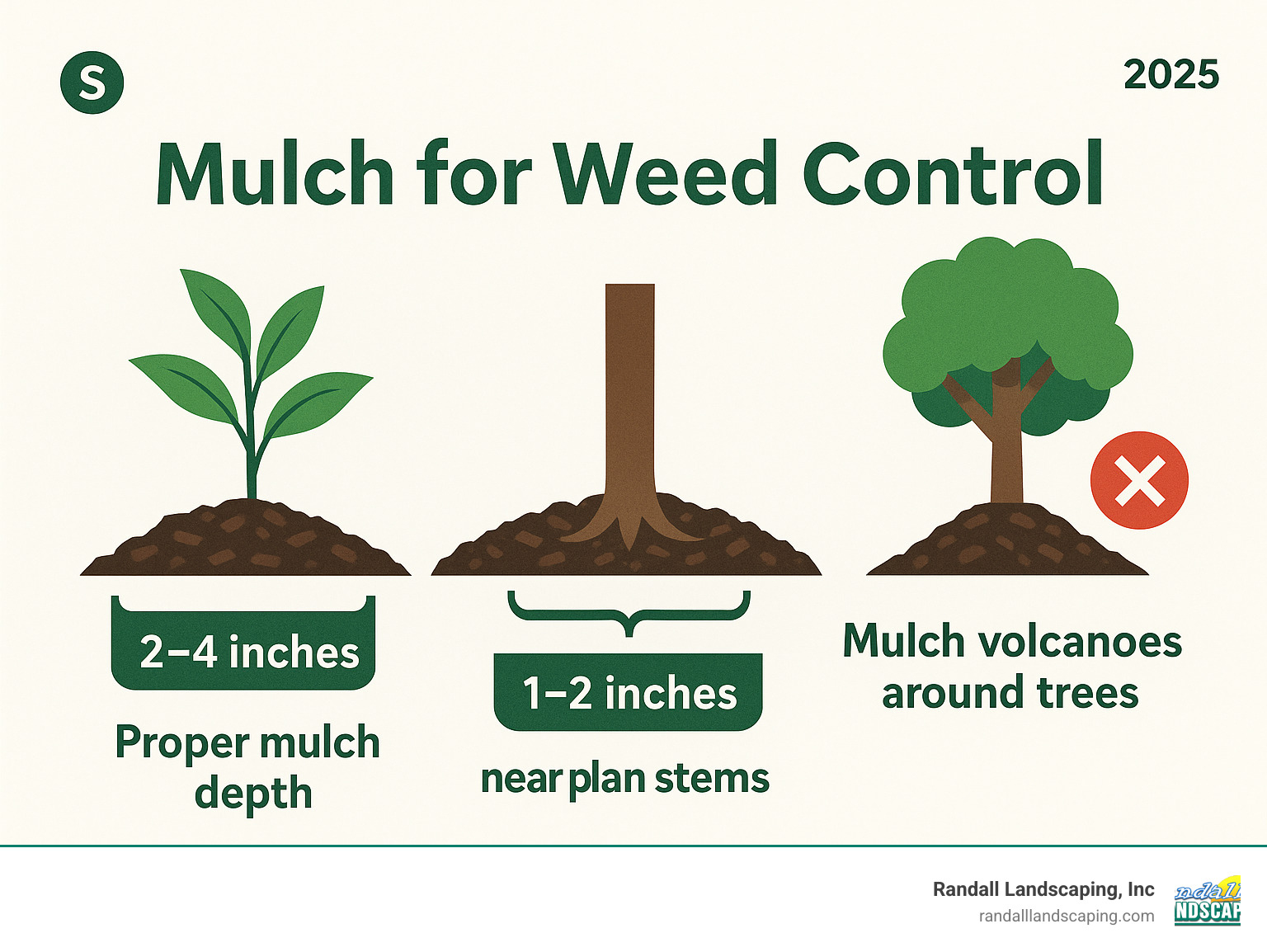
Remember: mulch for weed control works best at 2-4 inches deep, kept at least 2-3 inches away from plant stems and tree trunks. This depth gives you excellent weed suppression without creating problems for your plants. When in doubt, err on the side of less rather than more – you can always add more mulch, but fixing mulch damage to plants is much harder.
Reclaim Your Weekends with Professional Mulching
After 18 years of helping homeowners across the Merrimack Valley and Southern New Hampshire, I can tell you that mulch for weed control is one of the best investments you can make in your landscape. It’s not just about having a prettier yard – it’s about fundamentally changing how you spend your time outdoors.
Think about it: instead of spending every Saturday morning hunched over pulling weeds, you could be enjoying your coffee on the patio, playing with the kids, or actually relaxing in the garden you worked so hard to create. That’s the real magic of proper mulching.
Weed suppression that cuts your weeding time by 90% isn’t just a nice-to-have – it’s life-changing. When you consider that a properly mulched garden bed maintains this level of weed control for 2-3 years with minimal maintenance, the math becomes pretty compelling.
But the benefits go far beyond just saving time. Water conservation becomes automatic when mulch reduces evaporation by up to 70%. Your plants stay healthier during dry spells, and your water bill stays lower all summer long. The improved soil health from decomposing organic mulch creates a foundation that makes your entire landscape more resilient.
Here’s what really matters: the time savings give you back your weekends. Instead of dreading yard work, you’ll actually look forward to spending time in your outdoor space.
Professional installation makes all the difference. We’ve seen too many well-intentioned DIY mulching projects that either don’t control weeds effectively or actually harm plants through improper application. Getting the depth right, choosing the correct mulch type for your specific plants, and applying it at the right time of year – these details matter enormously for long-term success.
For homeowners in Haverhill, North Andover, Andover, Salem, Windham, and throughout our service area, professional mulching services ensure you get maximum weed control with minimal effort. Our team understands exactly which mulches work best in our New England climate and how to apply them for lasting results.
For a perfect application without the hassle, the expert team at Randall Landscaping provides professional mulch installation services in Haverhill, MA and the surrounding areas, ensuring your garden gets the best protection against weeds.
We’ve helped thousands of homeowners transform their landscapes from high-maintenance chores into low-maintenance showcases. The difference is remarkable – not just in how the landscape looks, but in how our clients feel about their outdoor spaces.
Ready to reclaim your weekends? Contact us today to learn how our professional mulching services can give you the weed-free garden you’ve always wanted, plus all the time to actually enjoy it.