
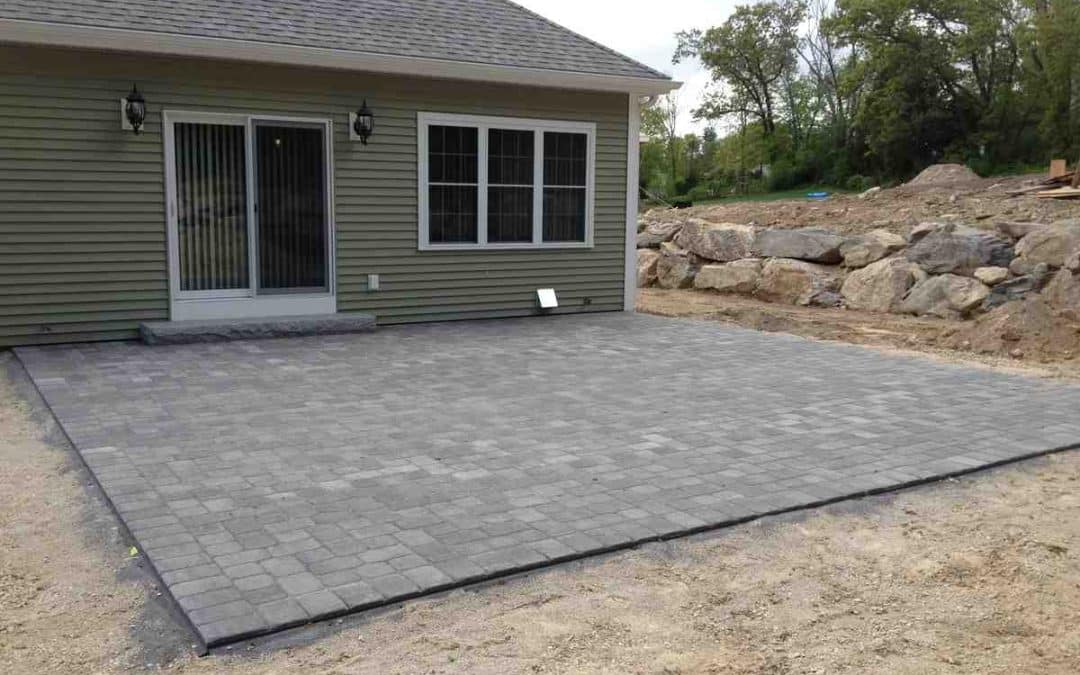
Your Backyard Deserves Better: A Guide to Patio Installation Near You
Patio installation near me is one of the smartest investments a homeowner can make to expand usable outdoor space and boost property value. But finding the right local pro — one who understands your soil, climate, and local codes — makes all the difference between a patio that lasts decades and one that cracks or shifts within a few years.
Here’s what to know right away:
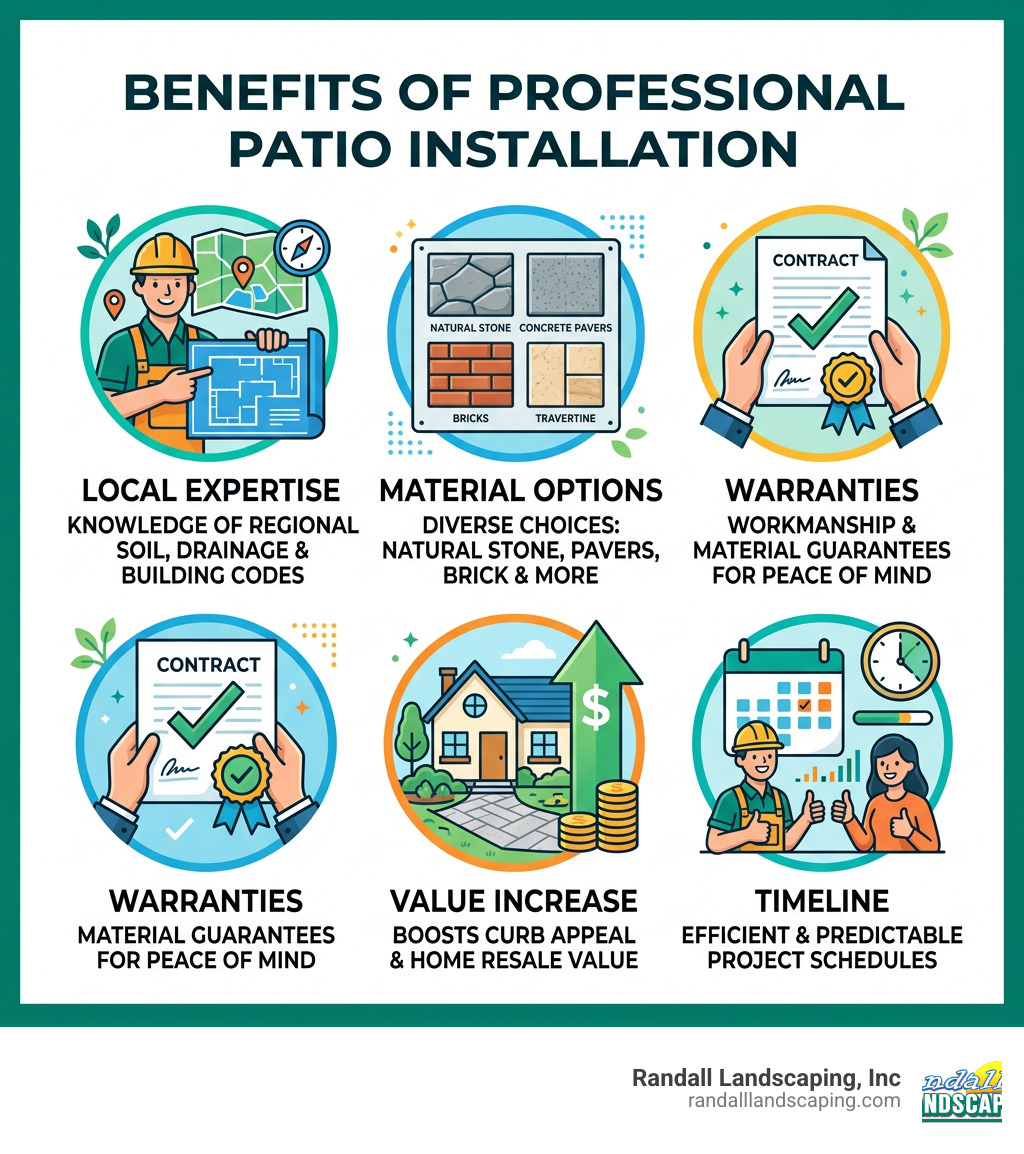
- Local installers understand regional soil conditions, drainage challenges, and building codes
- Common patio materials include concrete pavers, natural stone, brick, travertine, and stamped concrete
- Most professional patio projects take between 1 and 3 weeks from start to finish
- Reputable contractors offer free consultations, transparent pricing, and written warranties
- A well-built patio can significantly increase your home’s curb appeal and resale value
I’m Tommy Randall, owner of Randall Landscaping, Inc., and I’ve been designing and building custom patios across Massachusetts and Southern NH since 2006 — helping homeowners just like you find the best patio installation near me solution for their property and budget. In this guide, I’ll walk you through everything you need to know to make a confident, informed decision.
Basic Patio installation near me vocab:
Choosing the Right Materials for Your Outdoor Space
When you start searching for Patio installation near me, the first big decision you’ll face is the “what.” What is this patio going to be made of? The material you choose dictates the look, the maintenance level, and the longevity of your outdoor living area. In the Merrimack Valley and Southern New Hampshire, we have to be particularly careful about materials that can handle our freeze-thaw cycles.

Concrete Pavers
Pavers are the most popular choice for a reason. They are incredibly durable and resistant to the cracking that often plagues solid concrete slabs in our New England climate. Because they are individual units, they can shift slightly with the ground without breaking. They come in a staggering array of colors, shapes, and sizes, allowing for Custom paver patio designs that range from modern to rustic.
Natural Stone
If you want a look that is truly unique, natural stone is the way to go. Materials like flagstone, bluestone, and fieldstone offer an organic aesthetic that manufactured products just can’t quite replicate. Each piece is different, creating a one-of-a-kind tapestry under your feet. While it requires a skilled hand for installation, the result is a timeless space that ages beautifully.
Travertine
Travertine is a form of limestone that brings a touch of luxury and elegance to any backyard. It’s naturally cool to the touch, making it a fantastic choice if your patio gets a lot of direct summer sun. It offers a sophisticated color palette of tans, silvers, and creams. We often recommend travertine for homeowners looking for a high-end, resort-style feel.
Brick
Brick is the classic choice for historic homes in towns like Andover or Boxford. It offers a warm, traditional look that never goes out of style. Modern clay bricks are extremely durable and colorfast, meaning your patio will look the same in twenty years as it does on day one.
For more detailed insights into how these materials are used in permanent structures, you can explore our Hardscaping overview or dive deep into Patio Design and Construction to see which fits your home’s architecture best.
Why Local Expertise Matters for Your Patio Installation
You might see national chains or big-box stores offering installation services, but there is a distinct advantage to hiring a local Patio Construction Company. We don’t just work here; we live here. We know exactly what the ground is doing in Salem, NH, versus Dracut, MA.
Soil Composition and Drainage
Our region has a mix of rocky soil, clay, and sandy loam. A “one-size-fits-all” approach to a patio base will lead to settling and puddling. Local experts understand how to grade your land so that water moves away from your foundation, preventing basement leaks and ice patches in the winter. Proper water management is the invisible part of a patio that is actually the most important.
Regional Climate
The “Frost Heave” is a real enemy of hardscaping in New England. If a patio isn’t built with a deep, well-compacted aggregate base, the expansion of freezing water in the soil will literally pop your stones out of place. We build our patios to be flexible yet sturdy enough to survive a harsh North Reading winter.
Local Building Codes and Permits
Every town, from Atkinson to Georgetown, has its own set of rules regarding setbacks from property lines and permeable surface ratios. We are familiar with the local permit offices and can help ensure your project is fully compliant, saving you from potential fines or issues when you eventually sell your home. Choosing Patio Design from a local pro means your design is grounded in local reality.
The Professional Step-by-Step Process for Your Patio Installation
A patio is only as good as the work you can’t see. While the finished surface gets all the glory, the preparation is where the real magic happens. Here is how we ensure your installation stands the test of time.
1. Site Assessment and Planning
We start by looking at your yard’s “bones.” Where does the sun hit? Where does the water flow? We discuss your goals—are you hosting big BBQs or looking for a quiet reading nook? This is where we finalize the Patio Design.
2. Excavation and Grading
We don’t just scrape the surface. We excavate deep enough to remove organic material (like grass and roots) that will rot and cause the patio to sink. We then grade the subsoil to ensure a slight slope (usually 1 inch for every 8 feet) away from your home.
3. Base Installation
This is the most critical step. We lay down layers of crushed stone and gravel, compacting them with heavy machinery until the base is as solid as a rock. This aggregate layer provides the drainage and support needed to prevent shifting.
4. Paver Laying and Edging
Once the base is perfectly level (or perfectly sloped), we lay the pavers in your chosen pattern. We use professional-grade edge restraints to keep the stones from “creeping” outward over time. Precision is key here; we ensure every cut is clean and every line is straight.
5. Polymeric Sand
To finish, we sweep polymeric sand into the joints. Once misted with water, this sand hardens, locking the pavers in place and acting as a powerful deterrent against weeds and ants.
Whether you are looking for Patio paver installation services or a completely Custom paver patio, following this rigorous process is how we guarantee a 100% reliable result.
Understanding Patio Costs and Value
We believe in transparency. When you search for Patio installation near me, you’ll find a wide range of prices. It’s important to understand what goes into those numbers.
Note: These are average costs based on internet data and not actual costs for Randall Landscaping.
Across the industry, average installation ranges from $15 to $75+ per square foot depending on material complexity and site conditions.
- Standard Concrete Pavers: Typically on the lower to mid-end of the scale.
- Natural Stone and Travertine: Usually fall into the higher range due to material costs and the intensive labor required to fit irregular shapes.
- Site Prep: If your yard requires significant clearing, tree removal, or major regrading, this will influence the final price.
While the upfront cost is a factor, consider the “Return on Investment.” A professional Backyard patio construction project can recoup a significant portion of its cost in added home value. More importantly, it adds “lifestyle value”—giving you a place to make memories for years to come.
Enhancing Your Space with Custom Hardscape Features
A patio is a great start, but it’s often the “extras” that turn a simple stone area into a true outdoor living room. When we design Custom outdoor patios, we love to incorporate features that extend the usability of the space.
- Fire Pits and Fireplaces: These are the ultimate gathering spots. They allow you to enjoy your patio late into the cool New Hampshire autumn evenings.
- Seating Walls and Pillars: Why clutter your patio with plastic chairs? Built-in stone walls provide permanent seating and help define the “edges” of your outdoor room.
- Outdoor Kitchens: From simple grill surrounds to full-blown kitchens with stone veneer and granite countertops, we can help you take the cooking outside.
- Lighting: Integrated LED lighting in steps and walls ensures your patio is safe and beautiful after the sun goes down.
By combining Patios and walkway installations, we can create a cohesive flow from your driveway to your back door, making your entire property feel connected and intentional.
Frequently Asked Questions About Patio Installation
Do I need permits or approvals for building a patio?
In many cases, ground-level patios do not require a traditional building permit because they aren’t considered “permanent structures” in the same way a deck or a room addition is. However, zoning laws regarding “impermeable surface” (how much of your lot can be covered by stone or concrete) are very common in the Merrimack Valley. If you live in a community with a Homeowners Association (HOA), you will almost certainly need their approval on the design and materials before we break ground. We recommend checking with your local town hall in places like Pelham or Windham to be 100% sure.
How long does a typical patio installation project take?
For a standard-sized residential patio, the actual construction phase usually takes between 1 and 3 weeks. Factors that can extend this timeline include large-scale excavations, the addition of complex features like outdoor kitchens, and—the one thing we can’t control—the New England weather. If we have a week of heavy rain, we have to wait for the ground to be workable to ensure the base is compacted correctly. We always provide a clear schedule before we start so you know exactly what to expect.
What maintenance is required to keep a patio looking new?
One of the best things about modern patios is that they are relatively low-maintenance, but “low” doesn’t mean “no.”
- Sweeping: Keep leaves and debris off the stone to prevent organic staining.
- Re-sanding: Every 5-7 years, you may need to top off the polymeric sand in the joints to keep them locked tight.
- Sealing: While not always required, applying a sealer can help protect the stone from salt, oil, and UV fading, keeping the colors vibrant.
- Weed Prevention: If your joints are properly filled with polymeric sand, weeds shouldn’t be an issue. If you do see one, pull it early!
For a deeper dive into long-term care, check out our Paver walkway contractors ultimate guide.
Conclusion
Investing in a professional patio is about more than just laying down some stones; it’s about creating a foundation for your home’s outdoor life. At Randall Landscaping, Inc., we pride ourselves on being the reliable choice for homeowners throughout the Merrimack Valley and Southern New Hampshire. We don’t just aim for a beautiful finish; we aim for a structure that stays beautiful and functional for decades.
From the first shovel in the ground in Dracut to the final sweep of sand in Atkinson, our focus is on quality craftsmanship and your total satisfaction. If you are ready to stop searching for Patio installation near me and start building, we are here to help.
Start your project with a professional patio construction company today and let’s build something great together.