

Transform Your Yard with a Timeless Brick Path
Making a walkway with bricks is a classic DIY project that turns muddy trails into beautiful, durable paths. Here’s a quick overview:
- Plan your design – Choose the path’s width, shape, and brick pattern.
- Excavate – Dig a trench 6-8 inches deep, slightly wider than the path.
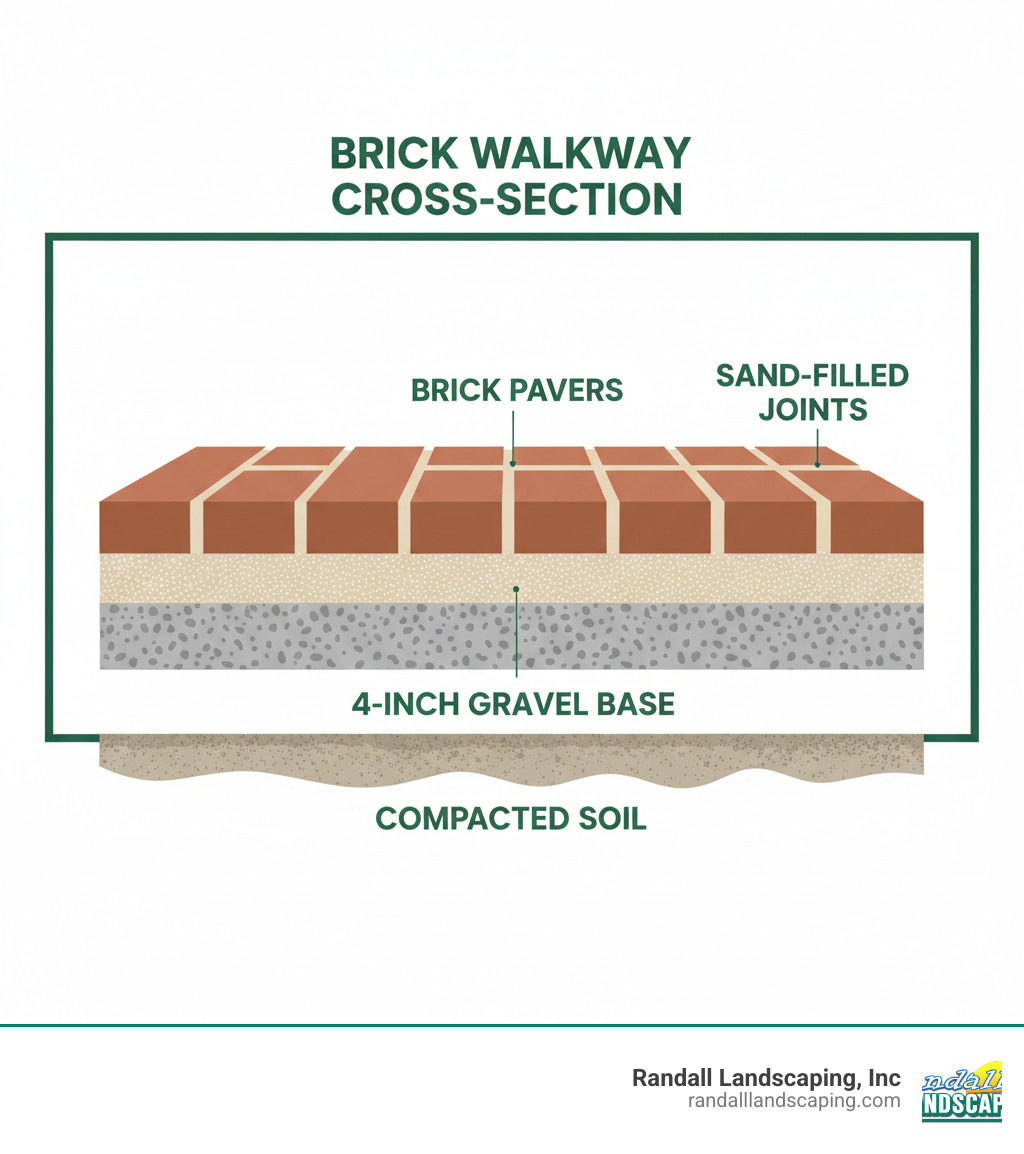
- Build the base – Add 4 inches of compacted gravel, then 1 inch of sand.
- Lay the bricks – Set bricks in your chosen pattern, tapping each into place.
- Secure and finish – Install edging, sweep sand into joints, and compact.
Materials needed: Paving bricks, crushed gravel, coarse sand, landscape fabric, and paver edging.
Budget: Expect to spend $200-$900 for a 20-foot path, depending on materials.
Time: Plan for 8-10 hours of work, likely over a weekend.
A brick walkway solves the problem of muddy trails while adding charm and value to your property. Unlike concrete that cracks, a properly installed brick path on a sand and gravel base stays flat and beautiful for decades. The project requires no specialized skills—just patience, basic tools, and a willingness to move some material.
Brick walkways are a timeless choice for good reason. They’re incredibly durable, don’t require mortar for easier installation and repair, and look better with age. The satisfaction of creating something permanent with your own hands is hard to beat.
I’m Tommy Randall, owner of Randall Landscaping, and I’ve been designing and installing hardscapes throughout Massachusetts and New Hampshire since 2006. Making a walkway with bricks is one of my favorite projects to recommend to homeowners because it delivers professional results at a fraction of the cost of hiring a contractor—if you’re willing to put in the work.
Planning Your Perfect Brick Walkway
Before you grab that shovel, let’s talk about planning. Time spent on design now will save you from headaches later. A well-planned path becomes a beautiful feature that ties your landscape together.
Choosing Your Design and Pattern
First, consider how you’ll use the path. A main entrance walkway should be 3 to 4 feet wide, allowing two people to walk side-by-side. Garden paths can be narrower, around 2 to 3 feet.
Straight paths are classic and easier to build, while curved paths add visual interest but require more brick cutting. If you opt for curves, keep them gentle. Think about how the path will connect to existing features like patios or walls for an integrated look. For more ideas on integrating landscape elements, see our hardscaping services.
The brick pattern affects both appearance and stability. Here are the most common choices:
| Pattern | Aesthetics | Installation Difficulty | Stability |
|---|---|---|---|
| Running Bond | Classic, simple, linear | Easy | Good for foot traffic, common for walkways |
| Herringbone | Neat, intricate, creates movement | Moderate to High | Excellent, interlocking pattern resists shifting |
| Basketweave | Rustic, charming, distinctive squares | Moderate | Very stable, good for patios and wider paths |
For your first project, Running Bond is a great choice for professional results without complex cuts.
Essential Materials for making a walkway with bricks
Gathering all your materials beforehand is key to a smooth project.
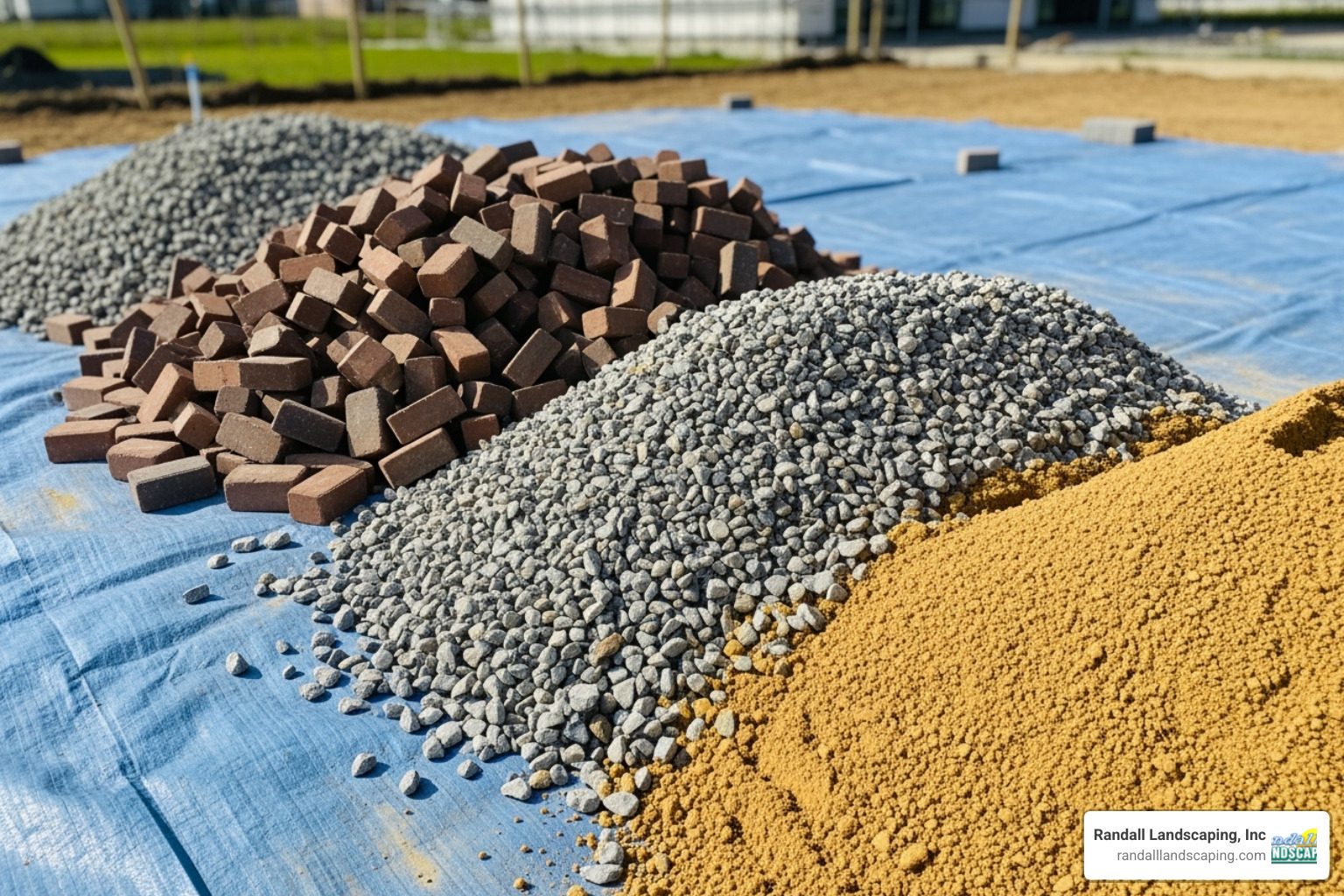
- Paving bricks: Use pavers rated for ground contact, not wall bricks. They are denser and withstand traffic and weather. Plan on 4.5 to 5 bricks per square foot.
- Crushed gravel (¾-inch): This forms your 4-inch foundation. Use “¾-inch minus” or “Class II” for best compaction. You’ll need about 1 ton per 100 square feet.
- Coarse sand: This creates the 1-inch setting bed. Washed concrete sand works well. Budget 1 cubic yard for every 80 square feet.
- Paver edging: Plastic, composite, or brick edging secured with 10-inch spikes prevents bricks from shifting.
- Landscape fabric: A heavy-duty fabric prevents weeds and keeps base layers separate from the soil.
My golden rule: add 10% overage to all material quantities to account for cuts and mistakes. For a historic look, consider salvaged bricks, but be prepared for more adjustment work due to size variations.
Tools for the Job
Having the right tools makes the job much easier. You can rent larger items like a plate compactor or brick saw.
- Excavation: Shovel, spade, wheelbarrow
- Base Preparation: Hand tamper (for small jobs) or a rented plate compactor (recommended), garden rake
- Layout & Leveling: Stakes, mason’s line, tape measure, 4-foot level
- Brick Laying: Rubber mallet, knee pads
- Cutting & Finishing: Brick saw (rented) or hammer and chisel, safety glasses, gloves, utility knife
For more details on professional-grade equipment, explore our hardscape products page.
Budget and Time Estimates
For a 20-foot walkway, material costs typically range from $200 to $900 or more. This wide range depends on your choice of bricks (salvaged vs. new), edging, and regional prices for gravel and sand. Please note: These are average costs based on internet data and do not reflect Randall Landscaping’s pricing.
Time-wise, plan for 8 to 10 hours for a 20-foot path, likely spread over a weekend. Complex designs or longer paths will take more time. Base preparation is the most time-consuming part.
For detailed technical guidance, the University of Missouri Extension offers an excellent resource in their guide to Building Brick Walks and Patios.
Making a walkway with bricks is achievable for a DIYer, but it’s a significant project. Be prepared with a solid plan and realistic expectations.
Step-by-Step Guide to Making a Walkway with Bricks
With your plan in place, it’s time to get your hands dirty. Follow these steps for a professional-quality installation.
Step 1: Excavate the Path
Proper excavation is the foundation of a long-lasting walkway.
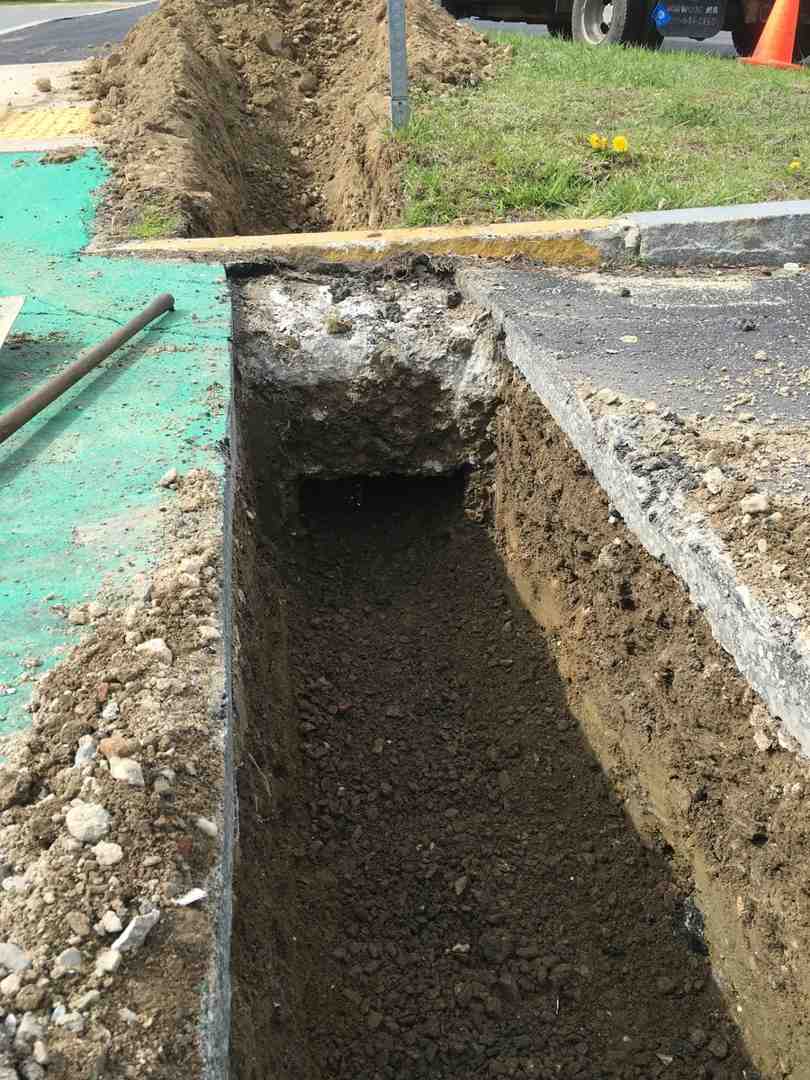
First, lay out the path. Use stakes and string for straight lines or a garden hose to visualize curves. Once satisfied, mark the outline on the ground with spray paint, adding a few inches on each side for working room.
Next, dig a trench 6-8 inches deep. The depth should accommodate a 4-inch gravel base, a 1-inch sand bed, and the thickness of your bricks. Make the trench wider than the final path to allow for edging. Important: Call 811 before you dig to have utility lines marked.
Finally, ensure a slight slope for drainage. A slope of ¼ inch per foot away from any structures will prevent water from pooling. Use a level to check the grade as you dig.
Step 2: Build a Solid Foundation
A solid foundation prevents bricks from shifting and provides crucial drainage, which is essential for preventing frost heave in climates like ours in Massachusetts and New Hampshire.
First, lay landscape fabric across the bottom of the trench, overlapping seams by 6 inches. This separates the soil from your base and blocks weeds.
Next, add a 4-inch layer of crushed gravel. Spread it evenly with a rake.
Finally, compact the gravel thoroughly. For any path over 10 feet, rent a plate compactor. It’s worth the cost. Run it over the gravel multiple times until the base is solid and you can walk on it without leaving footprints. This step is critical for a durable walkway.
For more insights on creating durable outdoor surfaces, check out our walkway installation services page.
Step 3: Add the Sand Setting Bed
The 1-inch sand bed provides a level surface and allows for fine adjustments when setting the bricks.
Add a 1-inch layer of coarse sand over the compacted gravel.
To level the sand perfectly, use a screed board. A straight 2×4 works well. A pro tip is to lay two 1-inch pipes on the gravel as guides for your screed. Drag the board across the pipes to create a perfectly flat surface. Remove the pipes and fill in the gaps. This forgiving layer is key to achieving a professional finish when making a walkway with bricks.
Step 4: Lay the Bricks
Now for the rewarding part: laying the bricks.
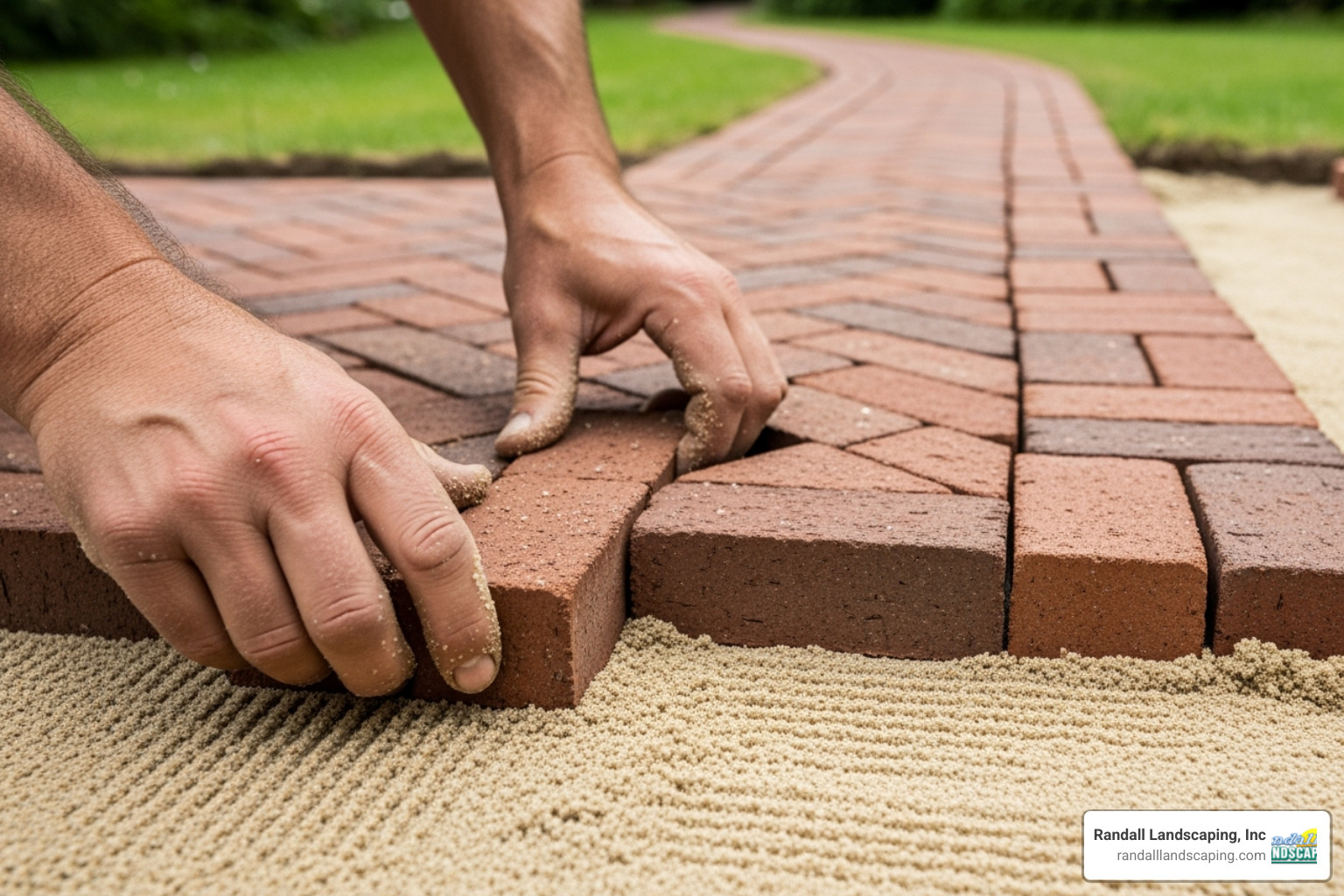
Start from a corner or a solid edge like a driveway or patio to ensure a straight line.
Set bricks in your chosen pattern, placing them gently on the sand bed with minimal gaps (about ⅛ inch).
Tap each brick gently with a rubber mallet to set it into the sand.
Continuously use a level to check for an even surface across multiple bricks. Adjust individual bricks by adding or removing small amounts of sand underneath them. This meticulous process is what ensures a smooth, professional finish.
Step 5: Secure with Edging and Joint Sand
These final steps lock your walkway together.
First, install paver edging snugly against the outer bricks. Secure it with 10-inch spikes every 12 inches to prevent the bricks from spreading over time.
Next, sweep polymeric sand over the dry bricks until all joints are full. This special sand contains polymers that harden when wet, locking bricks in place and resisting weeds. Use a push broom to work it into every gap.
Then, compact the path with a plate compactor to settle the sand deep into the joints. You may need to add more sand and sweep again.
Finally, lightly mist the walkway with water to activate the polymeric sand. Follow the sand manufacturer’s instructions carefully to avoid washing out the polymers. Allow the path to cure for at least 24 hours.
Finishing Touches and Long-Term Care
Your walkway is almost complete. These final steps and maintenance tips will ensure it looks great and lasts a lifetime.
Handling Curves and Special Conditions
Every yard has unique challenges. Here’s how to handle them:
- Curves and Cuts: For clean cuts around curves, rent a wet saw. For a more rustic look, score the brick with an angle grinder and snap it with a brick chisel. Always wear safety glasses and gloves.
- Climate: In areas with heavy frost, like New England, use a deeper 6-inch gravel base instead of 4 inches to prevent frost heave. Ensure your pavers are rated for severe weather.
- Soil Type: If you have heavy clay soil, which retains water, proper grading and a well-compacted base are even more critical for drainage.
Best Practices for making a walkway with bricks last
With your beautiful new brick walkway in place, a little regular care will keep it looking pristine for decades.

- Regular Sweeping: Sweep every few weeks to remove debris that can encourage weed growth.
- Top Up Joint Sand: Check the joints annually and add more polymeric sand as needed, especially after the first year.
- Pull Weeds Promptly: If any weeds appear, pull them immediately before their roots can establish.
- Seal the Walkway (Optional): Sealing your path every 3 to 5 years can protect the color from fading and make it easier to clean.
For more comprehensive guidance on maintaining all types of outdoor surfaces and creating beautiful outdoor spaces, visit our patios and walkway installations page.
Frequently Asked Questions about Brick Walkways
What’s the difference between a brick paver and a regular wall brick?
This is a crucial distinction. Brick pavers are engineered for ground use. They are denser, harder, and less porous to withstand foot traffic, moisture, and freeze-thaw cycles common in our New England climate.
Regular wall bricks (or “face bricks”) are softer and more porous. If used for making a walkway with bricks, they will crack and crumble within a few seasons. Always use pavers specifically rated for ground contact and severe weather.
Do I really need a gravel base for my brick walkway?
Yes, absolutely. The gravel base is not optional; it’s the most critical part of a long-lasting walkway. It provides a stable foundation to prevent bricks from shifting or sinking. More importantly, it ensures proper drainage. This drainage is what prevents frost heave—the destructive cycle where freezing water pushes bricks out of alignment.
Skipping the gravel base to save time or money will almost certainly lead to a failed walkway that costs more to fix later. A minimum of 4 inches of compacted gravel is essential (6 inches in cold climates).
How do I prevent weeds from growing between the bricks?
A two-pronged approach is best. First, lay heavy-duty landscape fabric at the bottom of your excavated trench to block weeds from growing up from the soil. Second, use polymeric sand to fill the joints between your bricks. When activated with water, this sand hardens into a solid yet flexible barrier that resists both weeds and insects. If an occasional weed does appear, pull it promptly.
Conclusion
Making a walkway with bricks is a deeply satisfying project that adds timeless beauty, durability, and value to your home. You’re not just building a path; you’re crafting a permanent feature that will serve your family for decades.
However, this project demands significant physical labor and attention to detail. From digging the trench to ensuring proper slope and compaction, the work requires both muscle and precision. Mistakes in the base preparation can lead to a walkway that shifts or has drainage problems.
If the thought of that work feels overwhelming, or if you want the peace of mind that comes with professional craftsmanship, the expert team at Randall Landscaping is here to help. We create beautiful, durable hardscapes throughout the Merrimack Valley and Southern New Hampshire, handling every detail from start to finish. We stand by our quality work and 100% reliability.
Whether you DIY or hire a pro, a brick walkway is a fantastic investment. For more professional insights, consult our Paver Walkway Contractors Ultimate Guide.