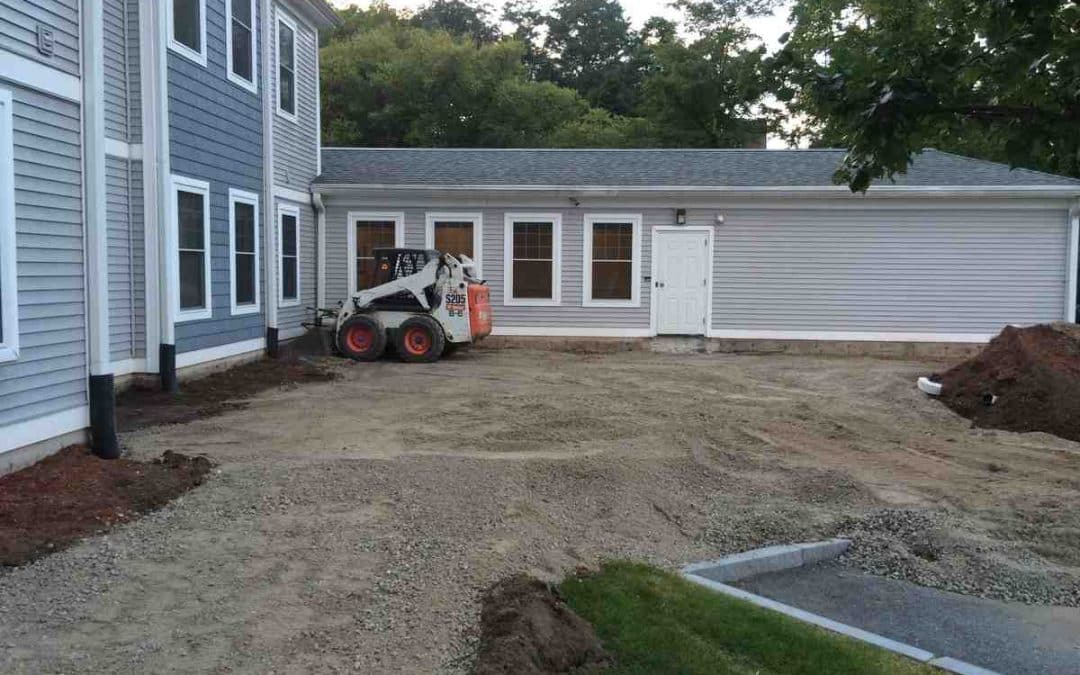
Why Getting Your Ground Ready for Sod Makes or Breaks Your New Lawn
Getting your yard ready for sod is the single most important step in the entire process — and it happens before a single roll of grass touches the ground.
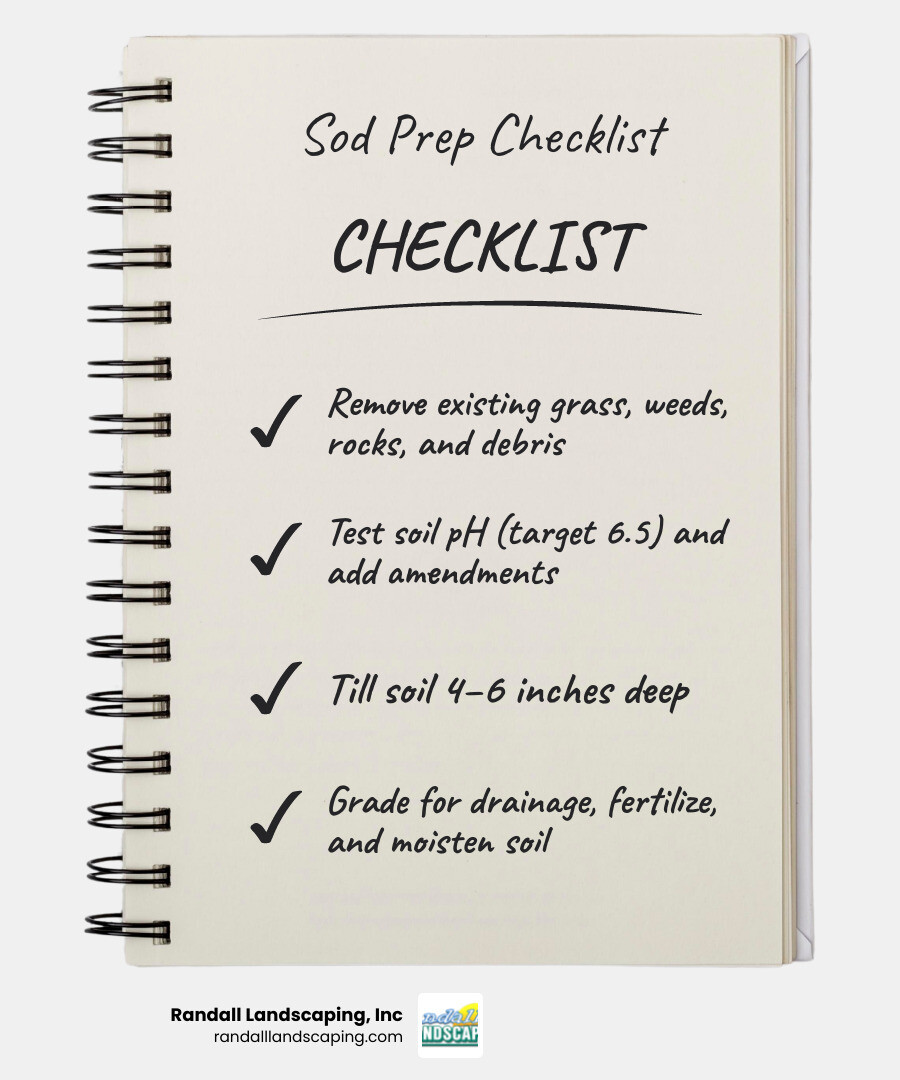
Here’s a quick overview of the essential steps:
- Remove existing grass, weeds, rocks, and debris
- Test your soil pH (target 6.5) and add amendments
- Till the soil 4–6 inches deep to loosen it
- Grade the yard so water drains away from structures
- Add topsoil or compost to reach a 4–6 inch total depth
- Apply starter fertilizer and rake it into the top 1–2 inches
- Moisten the soil lightly right before laying sod
Even the best-quality sod will struggle — or fail entirely — if the ground underneath isn’t properly prepared. Poor prep leads to shallow roots, dry patches, uneven growth, and water pooling. Good prep means your sod roots in within 10–14 days and stays healthy long-term.
It’s May 2026, and homeowners across Southern New Hampshire are heading into prime sod installation season. Getting this foundation right now sets your lawn up for the rest of the year.
I’m Tommy Randall, owner of Randall Landscaping, Inc., and I’ve been helping homeowners in Massachusetts and New Hampshire with getting yard ready for sod — and every step of the installation process — since 2006. In this guide, I’ll walk you through exactly what we do on every job site to give new sod the best possible start.
Getting yard ready for sod word list:
Clearing the Canvas: Removing Old Grass and Debris
Before we can think about the “new,” we have to deal with the “old.” Many homeowners are tempted to take shortcuts here, but skipping the clearing phase is a recipe for disaster. If you leave old grass or weeds underneath your new sod, they will rot, creating air pockets that prevent the new roots from reaching the soil. Worse, those old weeds might just grow right through your expensive new carpet of green.
Weed Removal and Herbicide
The first step in getting yard ready for sod often starts several weeks before the sod arrives. If your yard is currently a jungle of crabgrass and dandelions, you should apply a broad-spectrum herbicide. This ensures that the root systems of those pesky weeds are completely dead. We recommend doing this at least two weeks in advance to give the chemicals time to work and dissipate. For those looking for a chemical-free approach, covering the area with heavy black plastic for a full season can solarize the soil, though most of our clients in North Andover and Salem prefer the faster turnaround of professional clearing.
Removing the Turf
Once the vegetation is dead, it needs to be removed. In our experience, the best way to do this without breaking your back is by using a power sod cutter. This tool slices under the grass roots, allowing you to roll up the old turf like a rug.

If you are tackling this as a DIY project, How to Master the Sod Installation Process Without Breaking Your Back offers great tips on handling this heavy machinery. You want to get down to bare “dirt to dirt” contact.
Debris and Rock Clearing
After the turf is gone, your “rough grade” might reveal hidden treasures—and by treasures, I mean buried rocks, construction debris, or old tree stumps. You must remove anything larger than 2 or 3 inches. If left in the ground, these items create “hot spots” where the sod will dry out faster because there isn’t enough soil depth for the roots to hold moisture. To understand why this total removal is better than just laying over the top, check out The Ultimate Guide to Installing Sod Over Your Current Lawn.
For more general tips on the transition from old to new, How to Lay Sod to Start a New Lawn provides an excellent baseline for homeowners.
Soil Science: Testing and Amending for Success
You wouldn’t build a house on a swamp without a foundation, and you shouldn’t lay sod on “dead” soil. Soil is a living ecosystem, and getting yard ready for sod means making sure that ecosystem can support life.
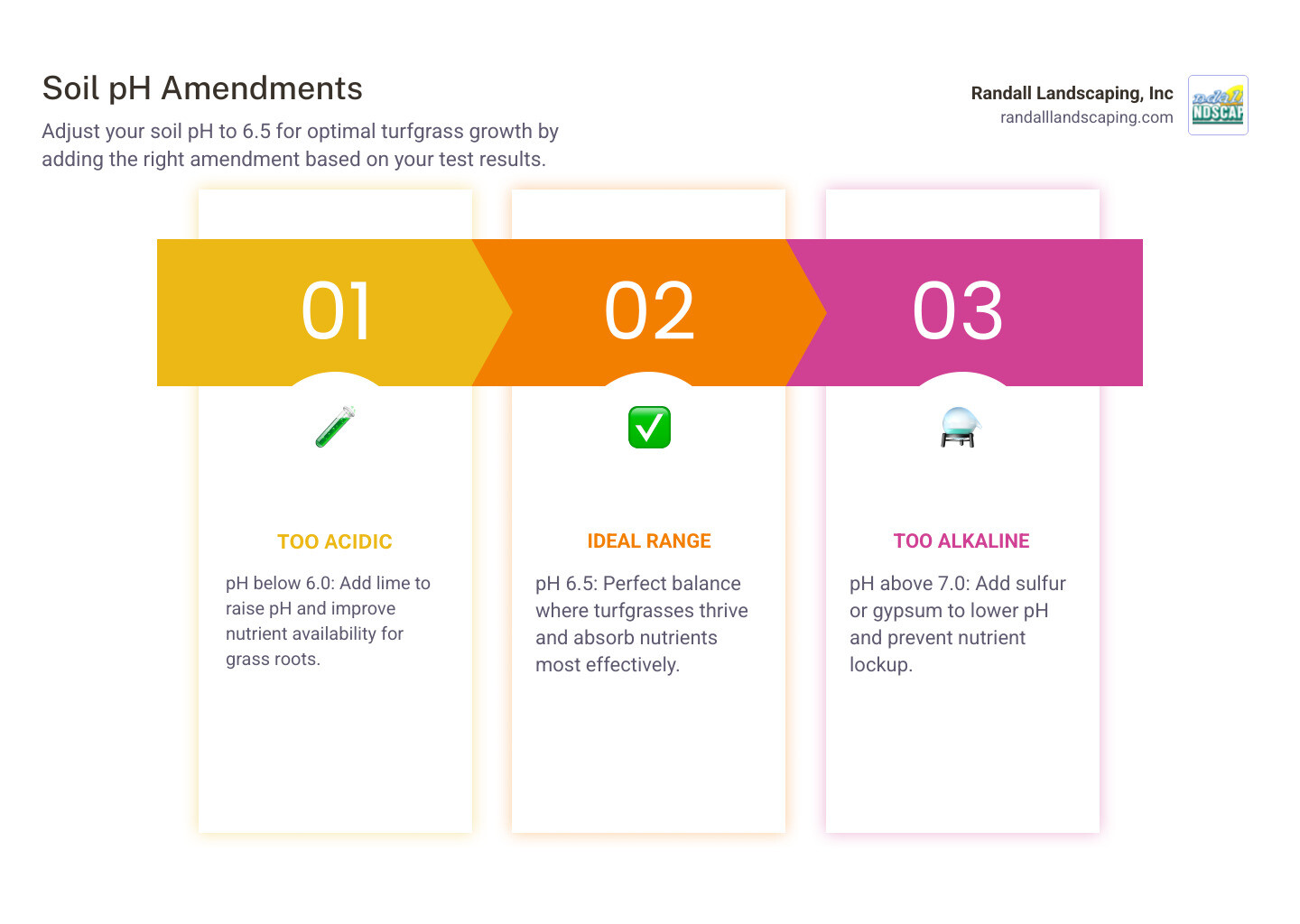
The Magic Number: pH 6.5
Most turfgrasses in the Merrimack Valley thrive in slightly acidic soil, specifically a pH of 6.5. If your soil is too acidic (common in our pine-heavy areas like Windham or Atkinson), the grass can’t “eat” the nutrients you give it.
Testing and Amendments
We always suggest a soil test through a local extension office or a high-quality kit. This tells us exactly what is missing.
- If soil is too acidic (pH below 6.0): We add lime to raise the pH.
- If soil is too alkaline (pH above 7.0): We add sulfur or gypsum to lower it.
Adding Organic Matter and Topsoil
Most New England yards benefit from adding 2 to 3 cubic yards of organic matter or compost per 1,000 square feet. This is especially true if you have heavy clay or very sandy soil. You want your finished, prepped dirt to be at least 6 inches deep. This ensures your sod has plenty of room to grow deep, drought-resistant roots.
For a deeper dive into which grass types work best with our local soil profiles, see our Ultimate Grass Sod Guide. If you’re starting from scratch with a New Lawn Installation, these soil steps are non-negotiable for a 100% reliability guarantee.
Tilling and Grading: Getting Yard Ready for Sod
Now that the soil is amended, it’s time for the heavy lifting. This is where the physical structure of your yard is formed.
Tilling for Root Penetration
If your yard has been a construction site or a high-traffic play area, the soil is likely as hard as a brick. New sod roots are tender; they can’t punch through compacted clay. We use a rototiller to loosen the soil to a depth of at least 4 to 6 inches.
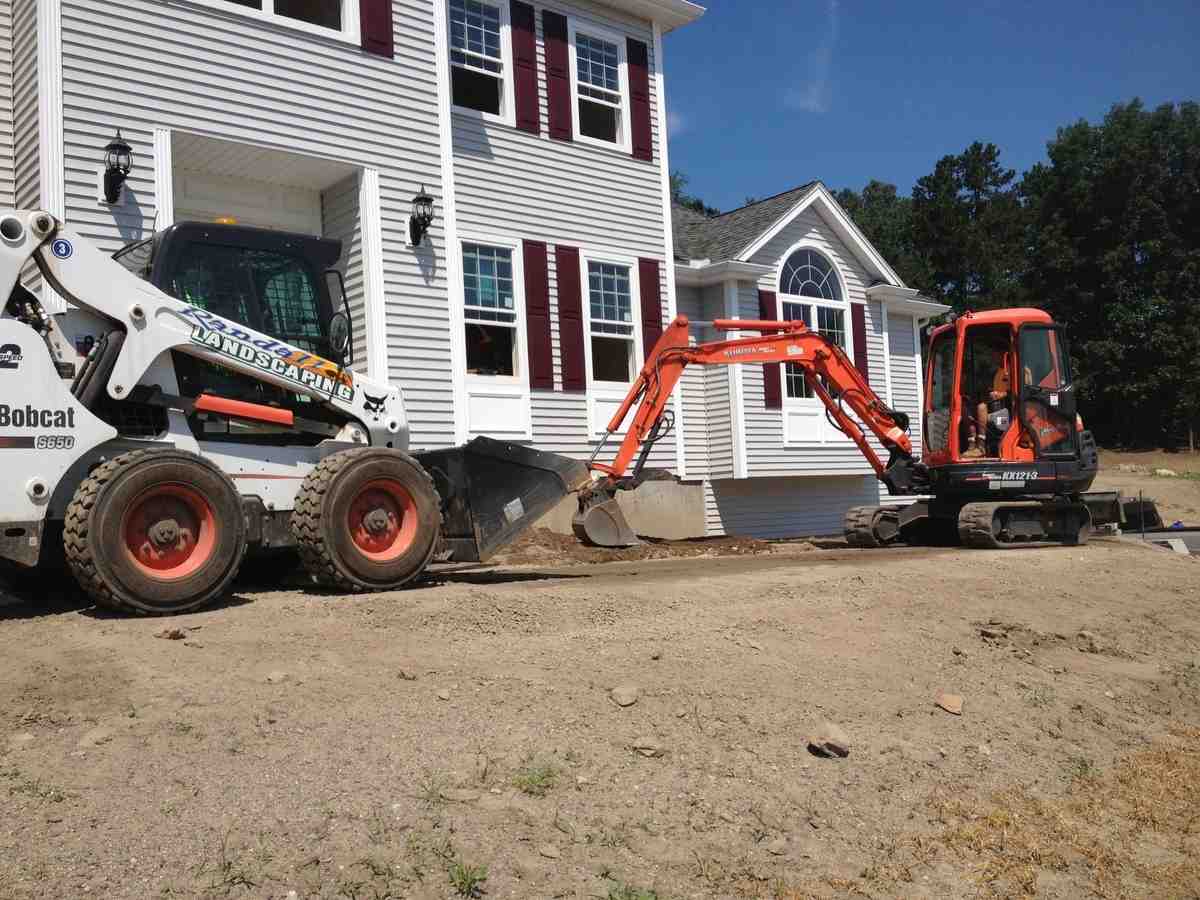
This introduces oxygen and allows for better water drainage. If you skip this, your sod might look great for a week but will eventually “suffocate” as the roots fail to establish. For more on the technical side of this, How to Install Sod: A Step-by-Step Guide for Homeowners provides a great breakdown of the tilling process.
Grading and Drainage
This is perhaps the most technical part of getting yard ready for sod. You must ensure the yard slopes away from your home’s foundation to prevent basement flooding.
- Rough Grading: Use a tractor-mounted box blade or a heavy rake to fill in low spots and knock down hills.
- The 3/4 Inch Rule: Your final soil level should be approximately 3/4 of an inch below the level of your driveways, sidewalks, and patios. Why? Because sod has its own thickness. If you level the dirt flush with the sidewalk, the finished grass will be an inch higher, creating a tripping hazard and making it impossible to edge properly.
For those in areas like Dracut or Methuen with tricky slopes, our Lawn Installation Complete Guide and our specific page on Sodding Lawn offer professional insights into mastering these levels.
Final Touches: Fertilizing and Leveling the Surface
We are almost there! The ground is clear, the soil is rich, and the grade is perfect. Now we need to prep the “bed” for the sod to sleep in.
Starter Fertilizer
Before the sod goes down, we apply a starter fertilizer. Look for a ratio like 18-23-12 (Nitrogen-Phosphorus-Potassium). Phosphorus is the key here—it encourages rapid root growth. We rake this into the top 1–2 inches of soil so it is sitting right where the new roots will find it.
Rolling for Stability
Once the soil is loose and fertilized, we use a water-filled lawn roller. This might seem counter-intuitive after we just tilled it, but the goal isn’t to pack it back down into a brick. Instead, we want to settle the soil just enough to remove large air pockets and identify any remaining low spots.
Pro Tip: If you walk across the yard and your footprints are deeper than 1/2 inch, the soil is too loose and needs more rolling.
The Final Moisture Check
Right before the sod arrives, lightly moisten the soil. You don’t want mud, but you want the soil to be cool. If you lay fresh, moist sod onto bone-dry, hot soil, the soil will actually suck the moisture out of the sod roots, causing immediate stress.
For a complete checklist of these final moments, consult our Ultimate Sod Installation Guide or learn How to Plant a Lawn from Sod to ensure your seams are tight and your growth is even.
Frequently Asked Questions about Getting Yard Ready for Sod
How soon before installation should I start getting yard ready for sod?
Ideally, you should start the process about two weeks before your delivery date. This gives you time to kill weeds, wait for the herbicide to work, and tackle the physical labor of tilling and grading. Remember to order about 10 percent more sod than you think you need to account for cutting around curves and waste. If you’re curious about how this prep affects the bottom line, check out our breakdown of Sod Installation Price.
Can I lay sod directly over existing sand or dead grass?
The short answer is: No. You need “dirt to dirt” contact. Laying sod over dead grass creates a barrier of organic thatch that prevents roots from knitting into the ground. It also creates air pockets that dry out the sod. While some regions with extremely sandy soil (like parts of Florida) have different amendment needs, here in the Merrimack Valley, we focus on removing all old vegetation to prevent failure. To see the difference between a quick-fix and a professional job, read DIY vs Pro: Understanding Professional Lawn Installation Techniques.
What are the average costs for professional yard preparation?
Based on average internet data, professional yard preparation and sod installation can range significantly. You might see prices anywhere from $0.80 to $3.50 per square foot for the full service, including prep. Factors like the size of the yard, the amount of old debris to be hauled away, and the quality of topsoil needed will drive these costs. For a more detailed look at the numbers, visit our page on the Cost of Laying Sod. Note: These are average costs based on industry data and not actual quotes for Randall Landscaping, Inc.
Conclusion
Getting yard ready for sod is a labor of love—and a lot of literal labor. But when you see that first lush, green carpet roll out across a perfectly prepared foundation, every hour spent tilling and grading becomes worth it.
At Randall Landscaping, Inc., we pride ourselves on being 100% reliable. Whether you are in Boxford, Pelham, or Georgetown, we understand the local soil conditions and the unique challenges of our New England climate. We don’t just “lay grass”; we build the foundation for a lawn that will last for years.
If you’re ready to skip the back-breaking work and ensure your new lawn is a success from day one, we are here to help. From initial site clearing to the final moisture check, our team provides the quality work you deserve.
Ready for a transformation? Contact us today for Professional Sod Installation and let’s get your ground ready for the best lawn on the block.