

Why Walkway Installation Transforms Your Property
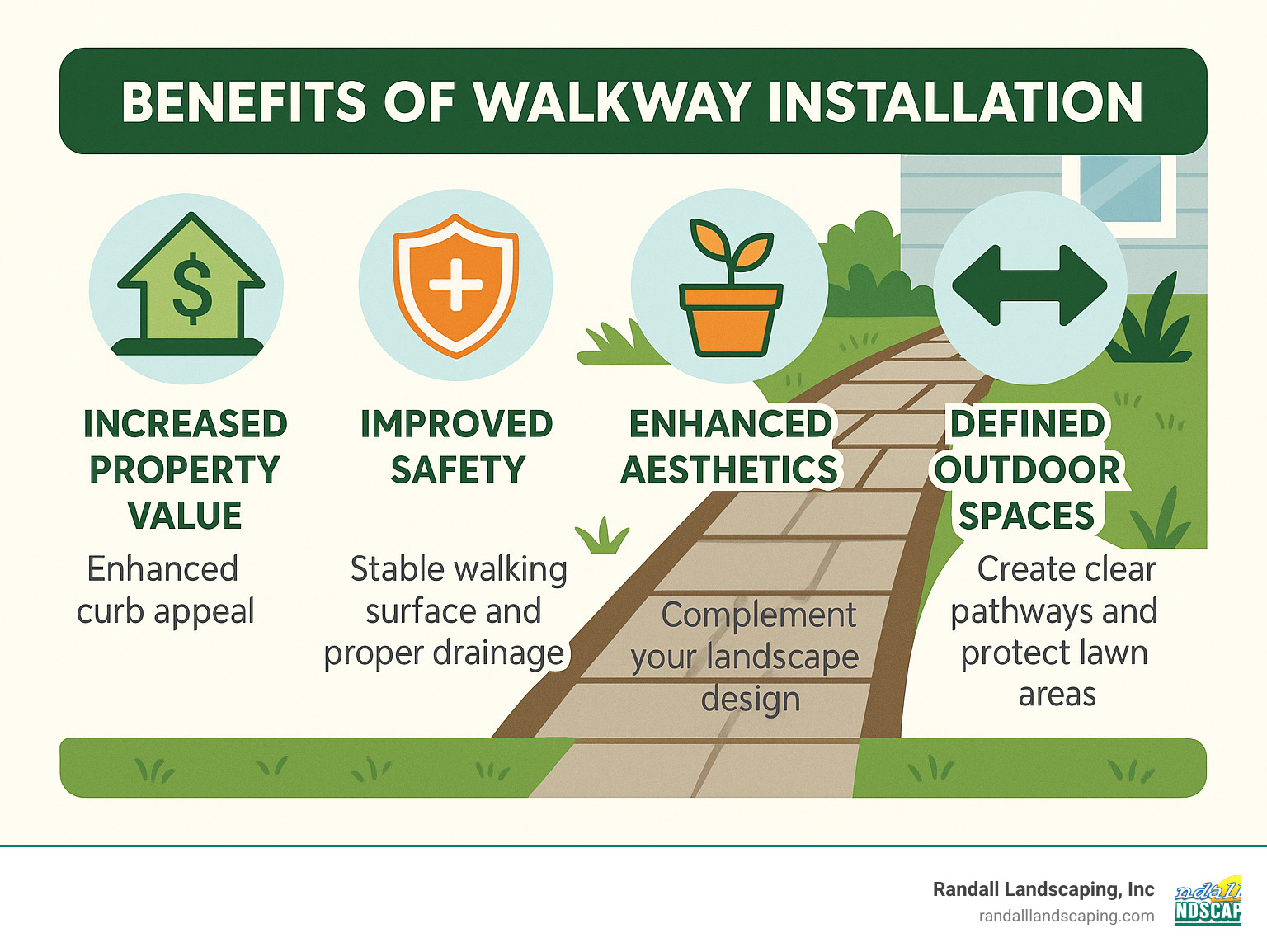
Walkway installation creates durable, attractive pathways that connect different areas of your property, enhancing both curb appeal and safety.
Key Steps for Walkway Installation:
- Planning – Choose materials, measure space, and design the path.
- Excavation – Dig 6-8 inches deep with a proper drainage slope (1/4″ per foot).
- Base Preparation – Add a 4-6 inch compacted gravel base.
- Installation – Lay pavers, stones, or gravel with proper spacing.
- Finishing – Install edge restraints and fill joints with sand.
Common Materials & Costs:
- Gravel paths: ~$100 per 10 feet
- Professional installation: $8-$30 per linear foot (average costs based on internet data, not actual Randall Landscaping prices)
- Paver walkways: $8-$60+ per square foot depending on materials
A well-installed walkway guides visitors, protects your lawn, and can significantly increase property value. However, many homeowners underestimate the physical demands. As one DIY enthusiast noted: “This is a very difficult, dirty, and back breaking project. It is not easy.”
Success depends on proper planning and execution, from ensuring adequate drainage to creating a stable base. Each step is crucial for long-term durability.
I’m Tommy Randall, owner of Randall Landscaping. Since 2006, I’ve helped Massachusetts and New Hampshire homeowners with walkway installation and hardscaping projects. With nearly two decades of experience, I understand the challenges DIYers face and the techniques that ensure professional, lasting results.
Relevant articles related to walkway installation:
- decomposed granite walkway installation
- how to install a bluestone walkway
- how to install crushed gravel walkway
Planning Your Perfect Walkway
Creating a beautiful walkway starts with thoughtful planning. A well-planned path does more than connect your driveway to your door; it boosts curb appeal, potentially increases property value, protects your lawn, and provides safe footing year-round.
The planning process involves three key decisions: defining the walkway’s purpose and path, selecting the right materials, and setting a realistic budget. For a comprehensive approach, our landscape design services can integrate your walkway into a complete outdoor vision, while our hardscaping services can bring it all together.
Defining the Purpose and Path
First, ask what job your walkway needs to do. Is it a main entrance path, a meandering garden trail, or a practical connector? The purpose drives the design. A primary entrance should be direct and welcoming, while a garden path can be more winding to encourage leisurely strolls.
Width is crucial. While three feet is the minimum for comfortable walking, four to five feet creates a more inviting experience, allowing two people to walk side-by-side.
Choose between straight and curved paths. Straight walkways are efficient and suit modern homes. Curved paths add visual interest and can make a yard feel larger. A well-designed walkway creates an intuitive flow, guiding visitors naturally without them cutting across your lawn.

Choosing the Right Walkway Materials
Material selection impacts aesthetics, maintenance, and cost. Each option has its own personality and practical considerations.
| Material Type | Cost (Relative) | Durability | Installation Difficulty (DIY) |
|---|---|---|---|
| Pavers | Medium | High | Medium-High |
| Gravel | Low | Medium | Easy |
| Natural Stone | High | High | Medium-High |
Pavers (concrete or brick) are versatile workhorses, available in many colors and shapes to create stable, interlocking surfaces that handle heavy traffic and weather extremes.
Natural stone like flagstone and bluestone offers unique, high-end beauty but can be challenging to install due to irregular shapes. Decomposed granite provides a softer, more casual feel.
Gravel is budget-friendly, easy to install, and provides excellent drainage. As one expert noted, “A simple gravel trail won’t break your back—or your budget.” It does require occasional raking to stay neat.
In the Merrimack Valley and Southern New Hampshire, our freeze-thaw cycles demand materials that handle frost well. Your home’s style should also guide your choice—classic brick for a Victorian or sleek concrete for a modern ranch. See more options on our hardscape products page.
Budgeting for Your Walkway Project
Understanding costs helps you plan realistically.
Please note: The following cost estimates are average costs based on general internet data and are not actual prices for Randall Landscaping, Inc. For a precise quote custom to your specific project, please contact us directly.
Professional installation typically runs from $8 to over $60 per square foot, depending on materials and complexity. This range covers everything from a basic paver path to an intricate natural stone design.
DIY gravel paths are the most budget-friendly, costing around $100 per 10 feet. DIY paver projects are also affordable, as the base materials are reasonably priced.
Don’t forget tool costs. Renting essential equipment like a plate compactor adds to the budget but is crucial for a solid base. Tool rental is far less than hiring a pro.
Final costs depend on size, material, design complexity, and site conditions. Start with a clear vision, get accurate measurements, and price out materials. Add 10-15% for unexpected needs to create a realistic budget.
Step-by-Step Guide to Walkway Installation
Understanding the walkway installation process ensures success, whether you’re doing it yourself or working with a professional. Each step builds on the last to create a beautiful, functional path.

Essential Tools and Materials
Having the right tools is critical. You’ll need a shovel, wheelbarrow, tape measure, level, and rubber mallet. A tamper or plate compactor is essential for a stable base; renting one is well worth the cost. You’ll also need marking paint, stakes, and string to lay out the path. For cutting pavers, a masonry saw or angle grinder is necessary. Always use safety glasses, gloves, a dust mask, and ear protection.
Materials include your chosen pavers, stone, or gravel. The foundation requires gravel base material (crushed stone or limestone screening) and leveling sand. You’ll also need edge restraints to prevent shifting and polymeric sand to fill joints and deter weeds. This DIY walkway guide offers more helpful tips.
Ground Preparation and Excavation
This is where the hard work begins. Proper ground prep is critical for a walkway that won’t sink or shift.
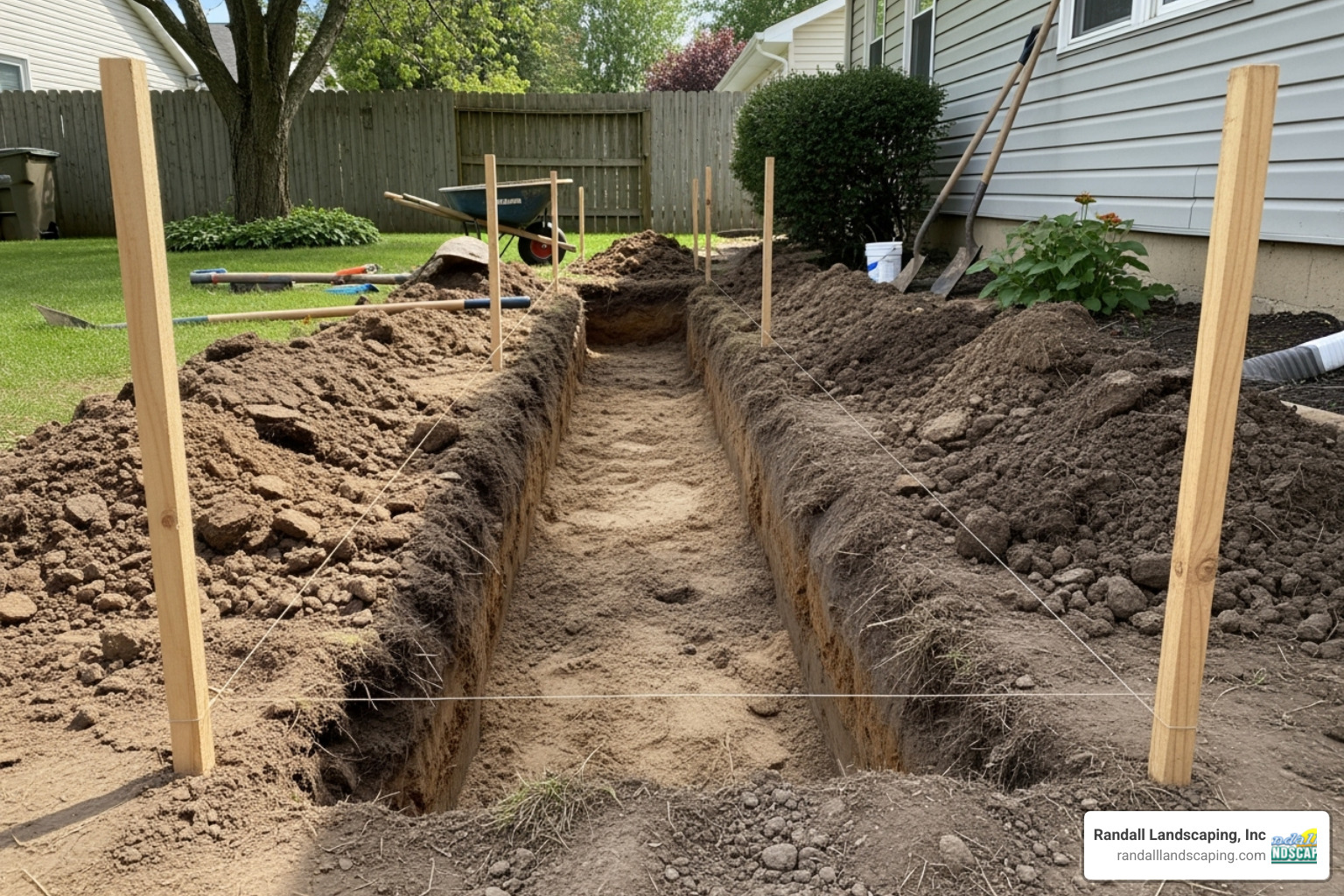
First, mark your path using spray paint or stakes and string. It’s easier to adjust the layout now than after digging.
Next, remove the sod and dig about 8 inches deep for a paver walkway. This depth accommodates the base material, sand, and pavers.
Proper drainage is crucial. The walkway needs a 1/4-inch drop per foot, sloping away from your house to prevent water pooling and frost damage.
Creating a Stable Base
A properly compacted base separates a professional-quality walkway from one that fails.
Lay landscape fabric over the excavated soil to block weeds and prevent the base from mixing with the soil.
Add the base material in 2-inch layers, compacting each one thoroughly with a plate compactor. This step is physically demanding but prevents future settling.
Finally, add a 1-1.5 inch layer of leveling sand. A pro trick is to use two pipes and a board to “screed” the sand perfectly level, creating a smooth bed for the pavers.
Laying Pavers and Finishing Touches
Now the walkway takes shape.
Start with border stones and use string lines for alignment. Lay the main pavers from a fixed point, like your house, maintaining consistent 1/4-inch gaps for jointing sand.
Use a rubber mallet to gently tap each paver into place, checking for levelness as you go. Cut pavers as needed with a masonry saw.
Install edge restraints and secure them with spikes every 12 inches. This prevents the walkway from spreading apart over time.
Compact the entire surface again with the plate compactor to lock the pavers into the sand bed. Then, sweep polymeric sand into the joints, blow off the excess from paver surfaces, and lightly mist with water to activate it. Let it cure for 24 hours before use. For more techniques, see our patio paver installation services page.
Navigating Challenges and Ensuring Longevity
Even a well-planned walkway installation can present challenges like unexpected slopes or tricky curves. Understanding how to tackle these issues and maintain your walkway is key to its longevity.
Handling Curves, Slopes, and Different Soil Types
Curves add visual appeal but require finesse. Mark the curve with a hose or paint, then use a masonry saw to carefully cut pavers to fit the line.
Slopes require careful drainage management. For gentle slopes, a 1/4-inch per foot gradient is sufficient. For slopes steeper than 15 degrees, we often incorporate integrated steps or terraces for safety and comfort. Retaining walls can also create stable, level sections on steep inclines.
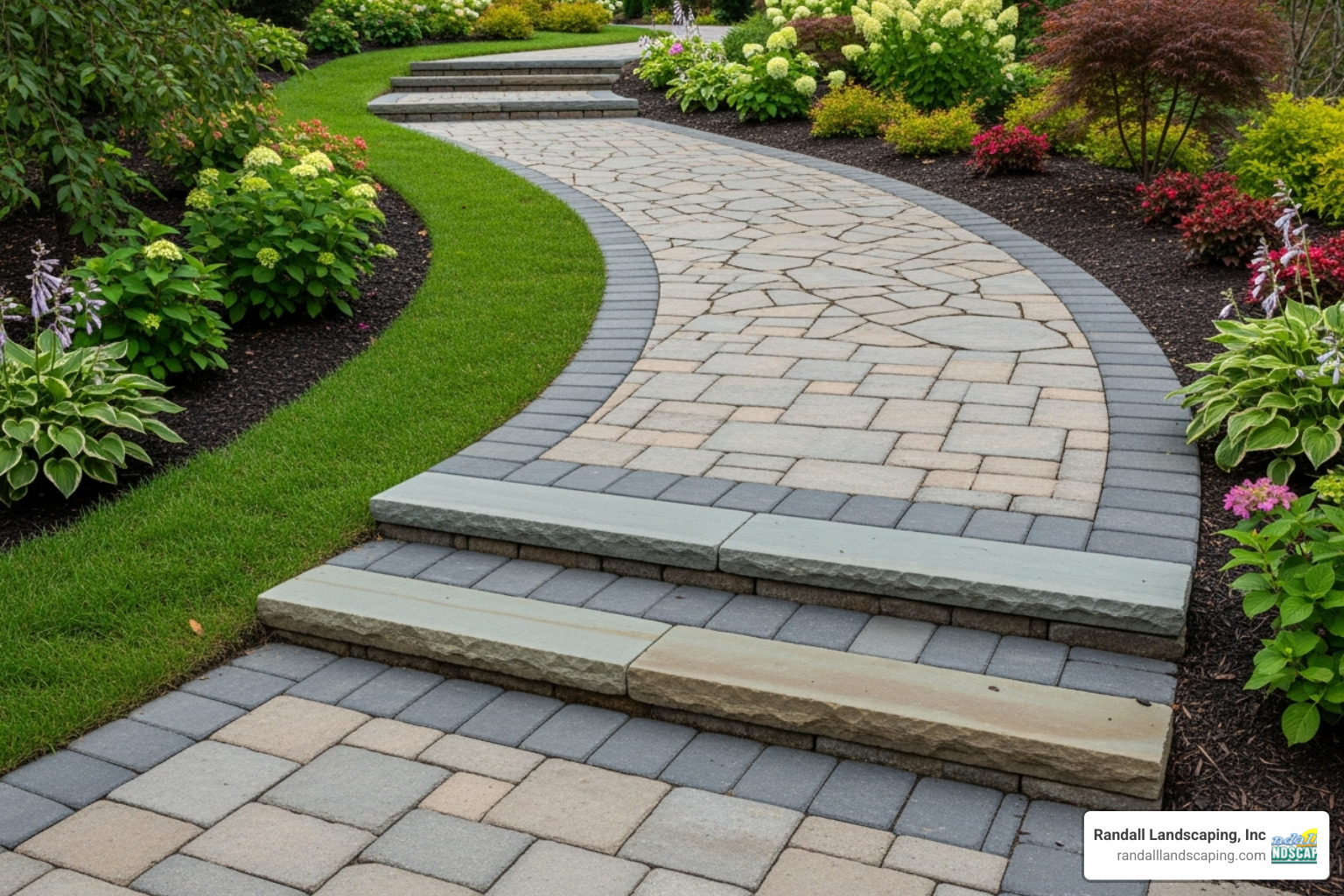
In New England, our clay soils and freeze-thaw cycles demand special attention. Clay holds moisture, so extra drainage and a stable subgrade are vital. A properly compacted base and flexible jointing materials like polymeric sand allow for slight movement during temperature swings, preventing cracks and shifting.
Common Walkway Installation Mistakes to Avoid
Learning from common mistakes is easier than fixing them. As one homeowner said, “Imagine carefully laying each paver, only to have it shift or create a water pool right after your hard work—it’s quite frustrating, isn’t it?”
- Improper Base Preparation: This is the #1 cause of failure. Skimping on excavation depth or compaction leads to shifting and an unsightly appearance that requires costly repairs.
- Poor Drainage: Forgetting the 1/4-inch per foot slope causes water to pool, leading to erosion, moss, and damage.
- Skipping Edge Restraints: These are vital for holding pavers in place. Without them, your walkway will spread apart.
- Using the Wrong Sand: Use proper bedding sand for the base and polymeric sand for the joints. Regular sand won’t work and can cause issues.
- Inadequate Weed Barrier: Improperly installed landscape fabric can allow weeds to push through the joints.
For more details on avoiding these issues, check this resource on common walkway installation mistakes.
Walkway Maintenance for Lasting Beauty
A little TLC will keep your walkway looking fantastic for years.
- Regular Cleaning: Sweep weekly to remove dirt and debris that can encourage weed growth.
- Weed Control: Pull any occasional weeds by hand or use a spot treatment to keep them from spreading.
- Refresh Jointing Sand: If polymeric sand erodes over time, simply sweep in fresh sand and mist with water to reactivate.
- Fix Loose Pavers: Address any loose or uneven pavers quickly by lifting the paver, adjusting the sand beneath it, and resetting it.
- Power Washing: For a deep clean, use a power washer on a gentle setting to avoid dislodging jointing sand.
If maintenance feels overwhelming, our landscape maintenance services can keep your property looking its best.
DIY vs. Hiring a Professional
For walkway installation, homeowners face a key choice: do it yourself or hire a professional. The right decision depends on your skill, time, and budget. While many DIY projects start with enthusiasm, some end with a call to a professional for help. The key is to know your limits before you start digging.
The DIY Approach: Is It Right for You?
The DIY route offers significant cost savings, as you only pay for materials and tool rentals. There’s also a deep sense of accomplishment in building something with your own hands.
However, be realistic about the challenges. This work is physically demanding. As one DIYer noted, “This is a very difficult, dirty, and back breaking project. It is not easy.” It involves moving tons of material and spending days on your hands and knees. It’s also more time-consuming than many expect, often stretching over several weekends.
The risk of costly mistakes is real. Poor base preparation or drainage can lead to problems that are expensive to fix later.
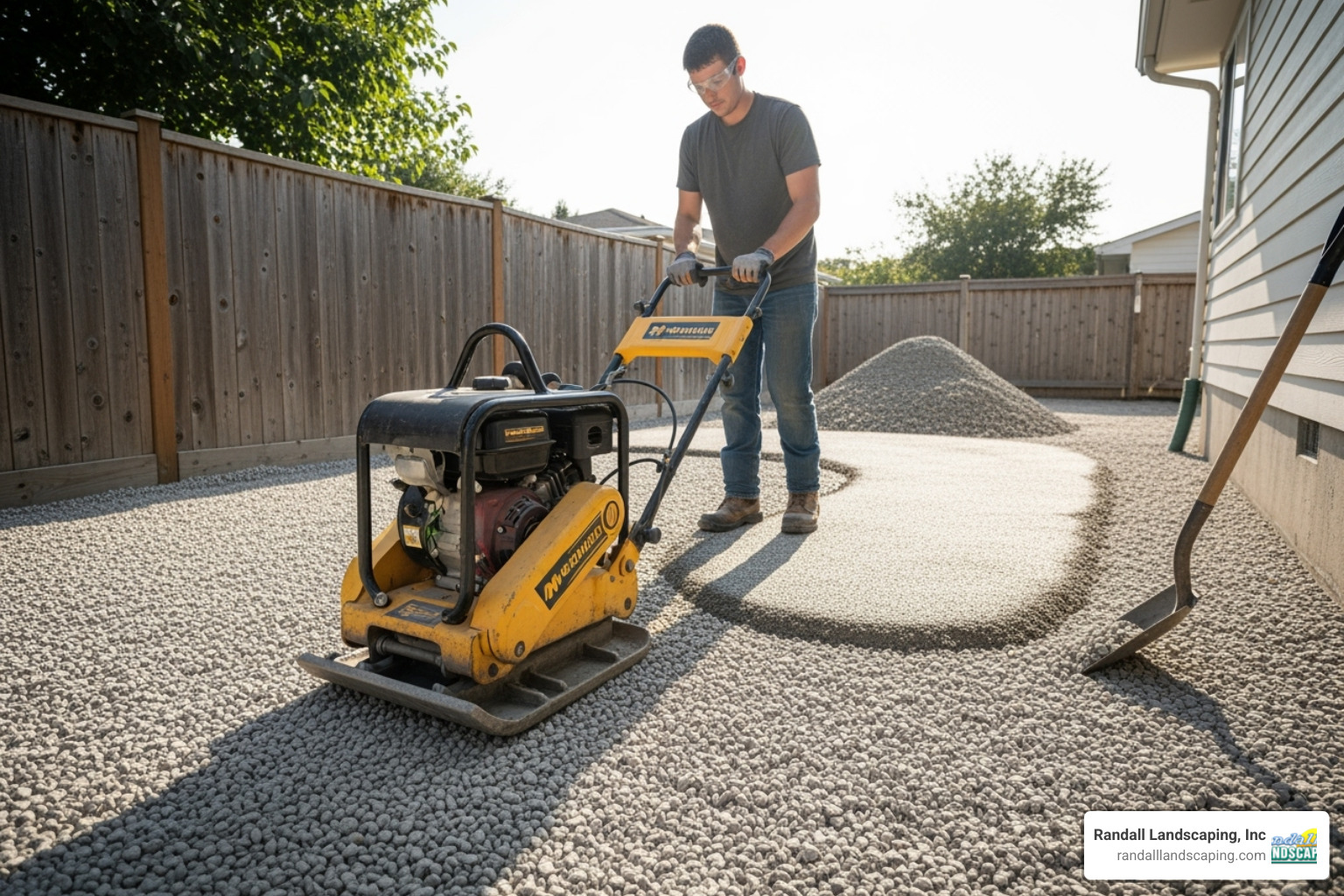
If you proceed, safety is paramount. Always wear gloves, safety glasses, and steel-toed boots. Use ear and dust protection with power equipment, and lift with your legs, not your back.
Why Hire a Professional Landscape Paver Contractor?
After nearly two decades in the business, I can attest to the advantages of professional installation.
- Expertise and Experience: We understand local soil types, proper drainage techniques, and the best materials for the New England climate. We’ve solved every challenge imaginable.
- Proper Equipment: Our heavy-duty compactors, laser levels, and professional saws deliver superior results that DIY tools can’t match.
- Efficiency: What takes a homeowner several weekends, we can often complete in a few days, minimizing disruption to your property.
- Guaranteed Quality: We stand behind our work, giving you peace of mind that the job is done right and built to last.
We also handle local codes, complex designs, and drainage challenges that can derail a DIY project. Professional installation delivers a high-quality, durable walkway without the strain or risk. If you’re ready to explore this option, find professional landscape paver contractors who can create a walkway that lasts.
Frequently Asked Questions about Walkway Installation
After nearly two decades of walkway installation projects in the Merrimack Valley and Southern New Hampshire, we’ve answered countless homeowner questions. Here are the most common ones:
How wide should a walkway be?
For basic function, a minimum of 3 feet is recommended. This allows for comfortable single-person walking. However, for a main entrance, we suggest 4 to 5 feet. This width allows two people to walk side-by-side and creates a more generous, welcoming appearance that improves your home’s design.
How do I ensure my walkway drains properly?
Proper drainage is critical and must be established during excavation. The key is to create a slope of about 1/4-inch per foot, directing water away from your home’s foundation. This gentle, consistent grade prevents water from pooling, which can cause moss growth, erosion, and frost damage in our New England winters. For challenging sites, we may incorporate solutions like French drains.
Can I install a walkway over an existing concrete path?
While technically possible with thin pavers and adhesive, we only recommend this if the existing concrete is in perfect condition—no cracks, heaving, or settling. Most old concrete paths have flaws that will eventually transfer to the new surface.
For a durable, long-lasting result, removing the old concrete is the best practice. This allows us to install a properly compacted base and create the crucial drainage slope, ensuring your new walkway will perform flawlessly for decades. It’s worth doing it right from the ground up.
Conclusion
A well-designed and expertly installed walkway does more than create a path; it’s an investment that boosts curb appeal, improves safety, and adds value to your property.
The success of any walkway installation hinges on careful planning and execution. Critical steps like ground preparation, base compaction, and proper drainage are the foundation for a walkway that will last for decades.
While a DIY approach can be rewarding, it is physically demanding and carries the risk of costly mistakes. For complex designs, challenging sites, or the peace of mind that comes with guaranteed quality, hiring an experienced contractor is a wise choice. Professional installation ensures expertise, efficiency, and a durable result.
For homeowners throughout the Merrimack Valley and Southern New Hampshire, Randall Landscaping, Inc. is ready to bring your vision to life. With nearly two decades of quality workmanship and a commitment to 100% reliability, we create lasting improvements you’ll enjoy every day.
Ready to transform your property with a beautiful new path? Contact us today for a professional walkway installation!