

Why Cedar Mulch is a Popular Choice for Flower Gardens
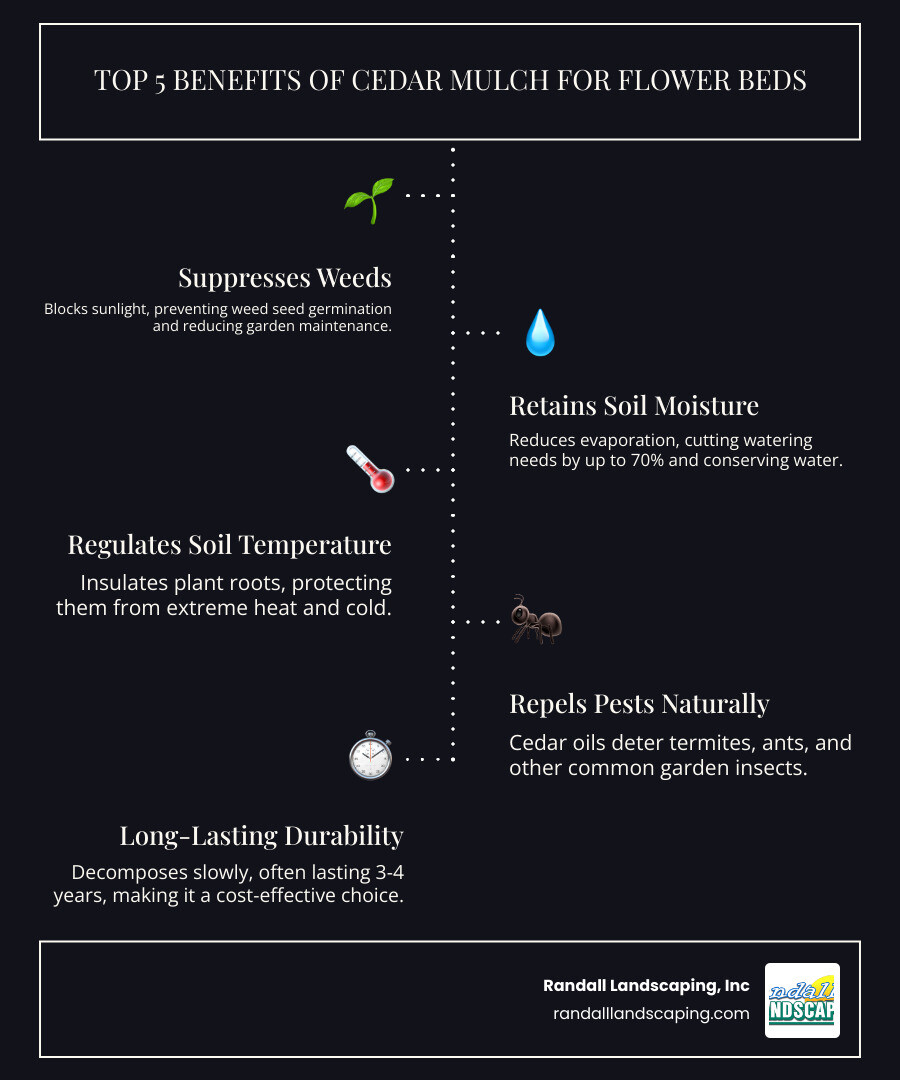
Cedar mulch for flower beds is a top choice for gardeners, offering weed suppression, moisture retention, and natural pest resistance. Here’s a quick overview:
Key Benefits:
- Weed Control: Blocks sunlight to prevent weed seed germination
- Moisture Retention: Reduces watering needs by up to 70%
- Temperature Regulation: Insulates plant roots from extreme heat and cold
- Pest Deterrent: Natural oils repel termites, ants, and other insects
- Long-Lasting: Decomposes slowly, lasting 3-4 years
Potential Drawbacks:
- Can deplete soil nitrogen as it decomposes
- May repel beneficial insects and pollinators
- Not ideal for vegetable gardens or annuals
- Dyed versions may contain chemicals
Made from shredded or chipped cedar tree bark, this renewable, organic material is layered over topsoil to improve plant health and reduce maintenance.
I’m Tommy Randall, owner of Randall Landscaping Business. Since 2006, I’ve helped homeowners in Massachusetts and New Hampshire choose the right cedar mulch for flower beds. Understanding its benefits and limitations will help you decide if it’s right for your garden.
The Benefits: Why Cedar Mulch is a Gardener’s Favorite
Experienced gardeners often choose cedar mulch for flower beds because its combination of practical benefits and visual appeal creates healthy, beautiful gardens.
Superior Moisture Retention and Temperature Control
Cedar mulch for flower beds acts as an insulating blanket over your soil, dramatically slowing water evaporation. This keeps flowers hydrated longer and reduces watering frequency. Studies show that organic mulches—like cedar mulch and bark mulch—are particularly effective at retaining soil moisture compared to bare soil. This is a game-changer for homeowners wanting healthier plants with less effort. Learn more in our guide on moisture retaining mulch.
Cedar mulch also regulates soil temperature. In summer, it keeps soil cooler, protecting roots from heat stress. In winter, it insulates against freezing and helps prevent frost heave. This stable environment promotes stronger root systems and healthier blooms.
Natural Weed and Pest Barrier
A thick layer of cedar mulch for flower beds makes weeding far less frequent. By blocking sunlight, it prevents weed seeds from germinating. This means fewer weeds and more time to enjoy your garden. For more strategies, see our tips on mulch for weed control.
Cedar mulch also naturally repels certain insects. Its woodsy aroma comes from natural oils that many pests dislike. Research indicates that cedar is effective at repelling certain insects like termites, ants, and cockroaches. While not a cure-all, it makes flower beds less inviting to unwanted visitors, potentially reducing the need for chemical pesticides.
Aesthetic Advantages and Longevity of Cedar Mulch for Flower Beds
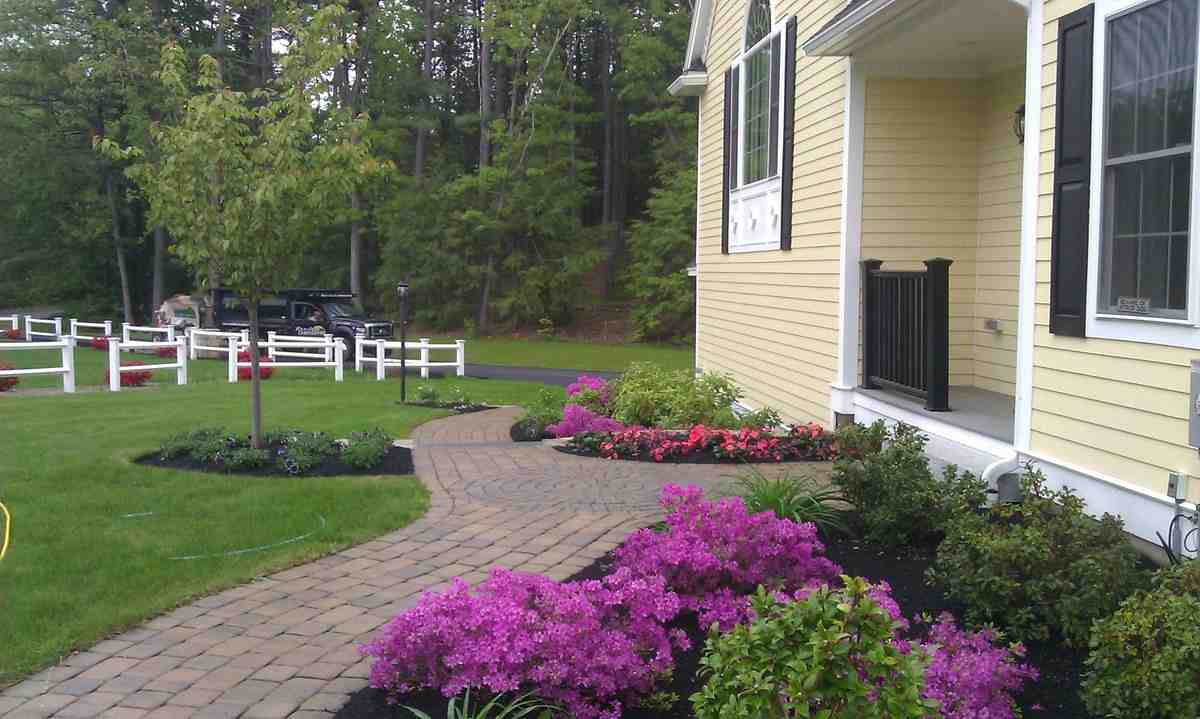
Cedar mulch for flower beds improves curb appeal with its rich, reddish-brown color, providing a perfect backdrop for blooms. It creates clean, defined edges and a polished look, while its aroma adds a pleasant sensory experience. For more ideas, explore our guide on garden bed mulching.
Cedar’s longevity is a key benefit. It decomposes much slower than many other organic mulches, with an application lasting one to three years or more. This slow breakdown means less frequent replacement, saving you time, labor, and money. Its durability makes cedar a cost-effective choice in the long run.
The Drawbacks: When to Reconsider Cedar Mulch for Flower Beds
While cedar mulch for flower beds has impressive benefits, it’s not always the perfect solution. At Randall Landscaping, we believe in informed decisions, so let’s discuss when cedar might not be the best choice.
Impact on Soil Health and Plant Growth
As cedar mulch for flower beds decomposes, microorganisms can pull nitrogen from the soil. This “nitrogen tie-up” can leave plants looking pale and stunted. To prevent this, use cedar mulch only on the soil surface around established perennials and shrubs, not annuals. Avoid tilling it into the soil and consider a nitrogen-rich fertilizer if you see yellowing leaves. For more on this, see our guide to environmental mulch.
Cedar also contains natural allelopathic compounds that can inhibit seed germination and slow seedling growth. This is great for weed control but problematic for starting new flowers from seed. Therefore, cedar mulch is best used around mature, established plants.
Its slow decomposition means it adds few nutrients back to the soil. If your goal is to enrich the soil, a faster-decomposing mulch like compost may be a better choice.
Effects on Garden Ecosystem and Pollinators
The same natural oils in cedar that repel pests can also discourage beneficial insects like ladybugs and lacewings.
More importantly for flower gardens, cedar’s repellent properties may deter pollinators like bees and butterflies. This could lead to fewer flower visits and less vibrant blooms. If creating a pollinator-friendly garden is a priority, cedar mulch may not be the best choice.

While mulch is vital for a healthy soil biome, cedar’s slow decomposition and chemical compounds may not support the vibrant microbial life that faster-decomposing mulches do. A study has shown that mulch plays a huge role in maintaining a healthy soil biome, and while cedar helps regulate temperature and moisture, it might alter the underground ecosystem.
The Issue with Dyed Cedar Mulch
Dyed cedar mulch, available in black, red, or brown, has drawbacks. Many use chemical colorants that may leach into the soil, raising concerns about their long-term effects on soil health, especially for edibles. We advocate for natural garden solutions.
Practically, dyed mulch fades much faster than natural cedar, particularly in full sun. The color can look washed out in a single season, negating cedar’s longevity benefit. Natural cedar ages gracefully, maintaining its appearance longer.
For homeowners in the Merrimack Valley and Southern New Hampshire, we recommend natural, undyed cedar mulch. Explore other options on our eco-friendly mulch options page.
How to Properly Apply Cedar Mulch in Flower Beds
Proper application is key to maximizing the benefits of cedar mulch for flower beds and avoiding common mistakes that can harm your plants.
Step-by-Step Application Guide
Proper bed preparation is crucial. Start by thoroughly weeding the area and moistening the soil.
- Clean the bed: Remove all weeds, debris, and excessive or compacted old mulch for a fresh start.
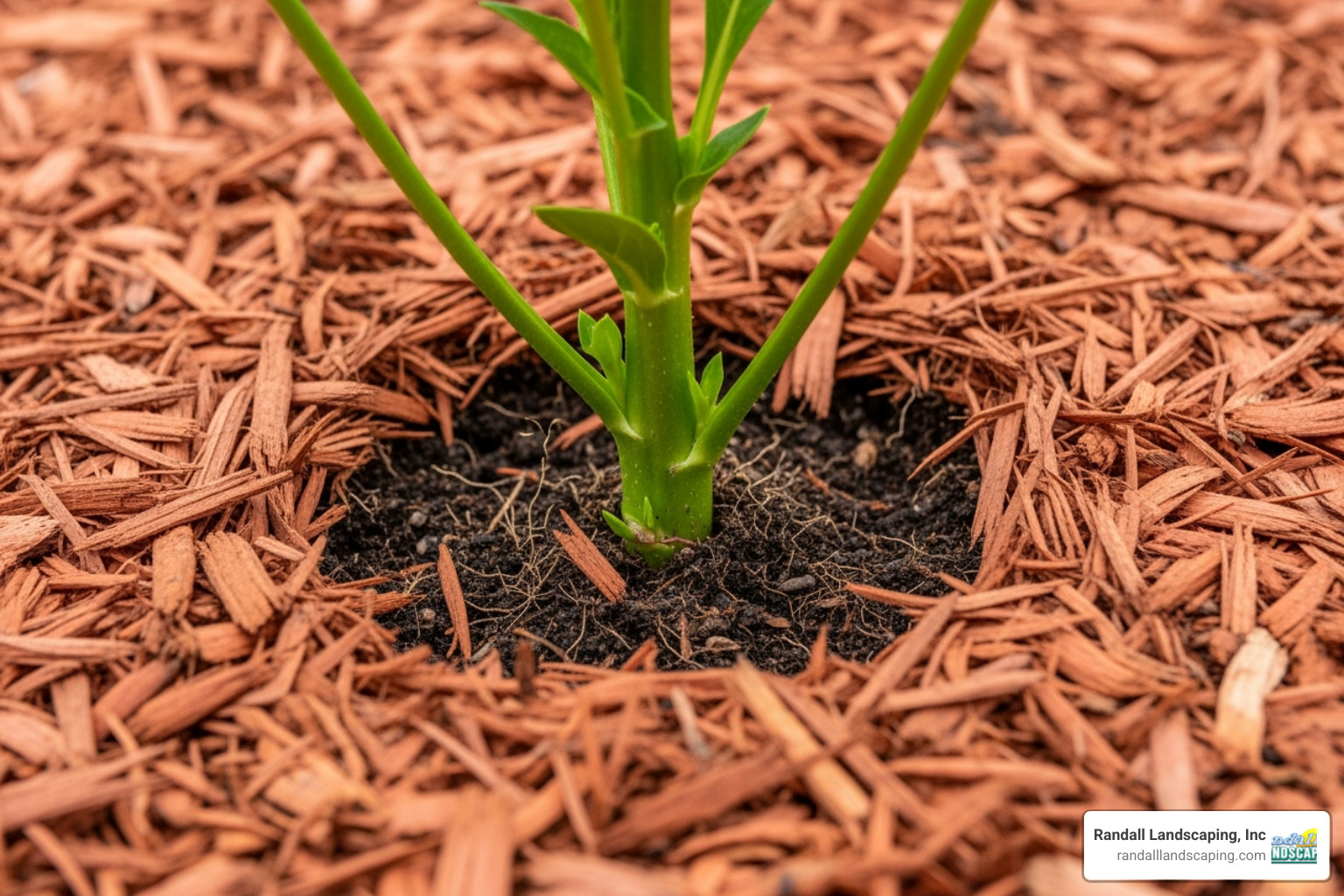
- Apply a 2-3 inch layer: This depth is ideal for weed suppression and moisture retention. Too thin is ineffective; too thick can suffocate plants and encourage fungal growth.
- Avoid “mulch volcanoes”: Never pile mulch directly against plant stems or tree trunks. This common mistake traps moisture, causing rot and disease. As The Royal Horticultural Society advises, leave a gap of a few inches around the base of each plant to allow for air circulation.
- Water thoroughly: After spreading, water the mulch to settle it, prevent it from blowing away, and ensure good soil contact.
For a comprehensive guide, visit our mulch installations complete guide.
How Often to Replace Cedar Mulch
One of cedar mulch’s best qualities is its longevity. It decomposes slowly, typically lasting 1 to 3 years before needing a full replacement, saving you time and money.
Over time, cedar mulch will compact and its color will fade. To maintain its effectiveness and appearance, we recommend a yearly “topping up” each spring. Adding a fresh, 1- to 2-inch layer replenishes the protective barrier, restores the vibrant color, and keeps beds looking neat. You’ll know it’s time to refresh when the color has faded, the layer has compacted, or more weeds are appearing.
For professional help refreshing your beds, our mulch and edging services can keep your garden looking its best.
Cedar Mulch Alternatives and Cost Comparison
While cedar mulch for flower beds is a great choice, it’s not the only option. Understanding the alternatives can help you find the perfect match for your garden and budget.
- Pine Bark Mulch: Similar to cedar in appearance and weed control, it lasts 1-3 years and breaks down slightly faster, adding some organic matter to the soil.
- Hardwood Mulch: A widely available and less expensive option that provides good weed suppression. It breaks down in 1-2 years, improving soil structure, but can sometimes form a water-repellent crust.
- Pine Needles: An excellent, long-lasting (2-4 years) choice for acid-loving plants like azaleas. It’s airy, won’t compact, but can be pricier and less effective against heavy weeds.
- Straw: Inexpensive and great for vegetable gardens, it adds nutrients as it breaks down. However, it’s less attractive for ornamental beds and can contain weed seeds.
- Compost: The best option for enriching soil with nutrients, but it breaks down quickly (6-12 months) and offers only fair weed suppression. It’s ideal for vegetable gardens. Learn more in our guide on the best mulch for vegetable garden.
- Shredded Leaves: A free, sustainable option that’s excellent for soil health. Shred them first to prevent matting. While not as polished as commercial mulches, they are highly effective.
- River Rock/Pea Stone: A permanent, low-maintenance option with a modern look. It doesn’t enrich the soil, can get very hot in summer, and is expensive upfront.
Here’s a quick comparison:
| Mulch Type | Longevity | Cost (Average per bag) | Weed Control | Soil Benefits |
|---|---|---|---|---|
| Cedar Mulch | Long (3-4 years) | $5 – $15+ | Excellent | Low (slow decomposition) |
| Pine Bark Mulch | Medium (1-3 years) | $4 – $12+ | Good | Low to Medium |
| Hardwood Mulch | Medium (1-2 years) | $3 – $10+ | Good | Medium |
| Pine Needles | Long (2-4 years) | $5 – $15+ | Good | Low (acidifies soil slightly) |
| Straw | Short (6-12 months) | $8 – $20+ (bale) | Good | High (adds nutrients) |
| Compost | Short (6-12 months) | $5 – $15+ | Fair | Excellent (adds nutrients) |
A note on pricing: The costs listed are general estimates based on online data and vary by location and whether you buy in bags or bulk. Bagged mulch can exceed $100 per cubic yard, while bulk mulch is more economical for large projects, often ranging from $30 to $60+ per cubic yard. These prices do not reflect Randall Landscaping’s pricing. For an accurate, custom quote, please contact us directly. Learn more about budgeting on our mulch delivery cost page.
The best choice depends on your plants, soil, budget, and aesthetic goals. Cedar excels for longevity and appearance in perennial beds, but other options may be better for different needs.
Frequently Asked Questions about Cedar Mulch
Over the years, we’ve heard just about every question imaginable about cedar mulch for flower beds. Here are the answers to the most common ones.
Can I use cedar mulch in my vegetable garden?
We don’t recommend it. While excellent for ornamental gardens, vegetable patches have different needs. Cedar breaks down very slowly and can tie up soil nitrogen, which is vital for hungry vegetable plants. Its natural compounds can also stunt the growth of young seedlings.
Tilling cedar mulch into the soil worsens nitrogen depletion. It’s best used around permanent plants like perennials and shrubs. For vegetables, we recommend mulches that break down quickly and enrich the soil, such as compost or straw. For more guidance, visit our page on the best mulch for vegetable garden.
Will cedar mulch change my soil’s pH?
Like most wood mulches, cedar is slightly acidic. However, its impact on soil pH is minimal and gradual because it breaks down so slowly on the soil surface. For most established plants, this isn’t a problem and can even benefit acid-loving plants like azaleas. For plants that prefer alkaline conditions, monitor your soil pH with a test kit and adjust if needed.
Is the smell of cedar mulch harmful to pets?
The aroma of cedar mulch is generally safe for dogs and cats and can even help deter fleas. However, cedar can be toxic to chickens if ingested, so a different mulch should be used in areas they can access.
For other small pets like rabbits or guinea pigs, supervise them to ensure they don’t eat large quantities of any mulch, as this could cause digestive issues.
Conclusion: Is Cedar Mulch Right for Your Flower Beds?
Deciding if cedar mulch for flower beds is right for you depends on your specific garden goals.
Cedar mulch is an excellent choice for:
- Longevity and Low Maintenance: It excels at weed control, moisture retention, and temperature regulation, all while lasting for years.
- Aesthetics and Pest Control: It provides a polished, professional look and naturally deters some common pests.
Consider alternatives if:
- You have a vegetable garden, as it can deplete nitrogen and doesn’t add nutrients.
- You are growing new seedlings, which can be affected by its natural compounds.
- Attracting pollinators is a top priority, as its scent can deter them.
Cedar mulch for flower beds is outstanding for established perennial and shrub beds. It is less ideal for annual beds or vegetable gardens where soil enrichment is key.
Proper installation is vital for any mulch. For expert advice and professional mulching services near me in the Merrimack Valley and Southern New Hampshire, the team at Randall Landscaping offers reliable, high-quality solutions. We can help you select and apply the perfect mulch to create a vibrant, low-maintenance oasis. Transform your garden with professional mulching services today!