

Why Sustainable Landscape Design Education is Your Gateway to a Greener Future
Sustainable landscape design creates outdoor spaces that work with nature rather than against it, using practices that conserve water, reduce waste, and support local ecosystems while maintaining beauty and functionality.
Key Elements of Sustainable Landscape Design:
- Native plants that require less water and maintenance
- Water conservation through rain gardens and efficient irrigation
- Energy efficiency by strategically placing shade trees
- Soil health improvement through composting and organic practices
- Wildlife habitat creation with pollinator-friendly plantings
- Sustainable materials like recycled hardscaping and permeable paving
The growing interest in eco-friendly landscaping has created a demand for education in this field. As one landscape architecture source notes, “Sustainable landscapes are responsive to the environment, re-generative, and can actively contribute to the development of healthy communities.”
The benefits are compelling: sustainable landscaping can increase energy efficiency by up to 25%, while solar lighting alone can save homeowners between $91.25 and $146 per year. Native plants require less water and are more resistant to local pests, creating healthier ecosystems that practically maintain themselves.
Whether you’re a homeowner looking to reduce maintenance costs, a professional seeking new skills, or someone passionate about environmental stewardship, sustainable landscape design education offers practical knowledge that pays dividends. From university programs to hands-on workshops, the learning paths are as diverse as the gardens they help create.
I’m Tommy Randall, and over my 18 years in the landscaping industry, I’ve seen how sustainable landscape design principles transform both properties and communities. My experience has taught me that the most beautiful landscapes are often those that work in harmony with local climate and ecology.
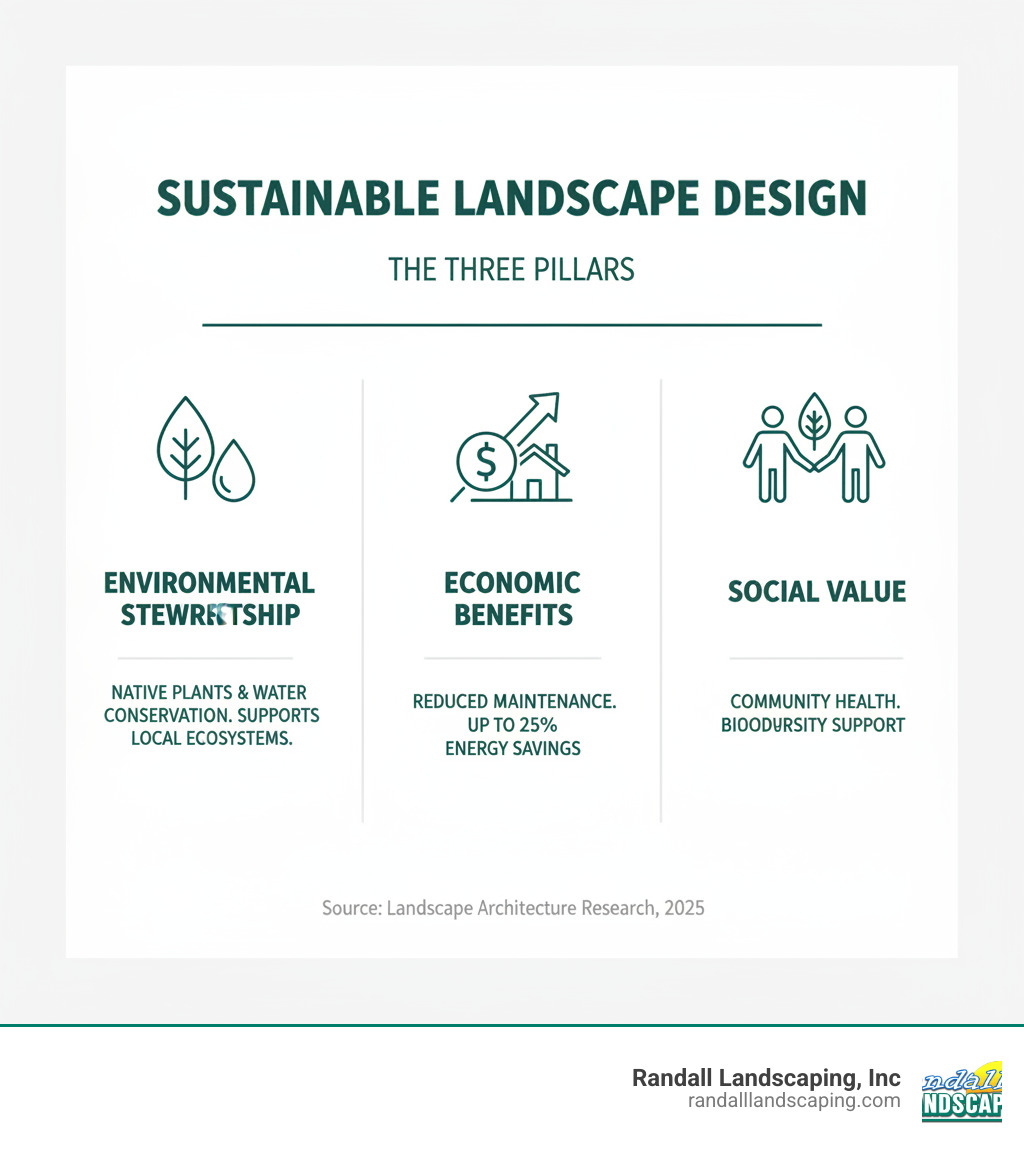
The Foundations: Why Sustainable Landscape Design Matters
This section explores the core principles and tangible benefits of adopting a sustainable approach to landscaping, setting the stage for why education in this field is so valuable.
Core Principles of Sustainable Design
At its heart, sustainable landscape design is about creating beautiful, functional outdoor spaces that are also ecologically sound and socially responsible. It’s a holistic approach where every choice has a ripple effect.
Here are the core principles that guide sustainable design:
- Treating Water as a Resource: We aim to capture, filter, and reuse rainwater with features like rain gardens and permeable paving, rather than letting it become storm drain runoff.
- Conserving Energy: We reduce a landscape’s energy footprint through strategic planting for shade and windbreaks, which cuts home heating and cooling costs, and by using energy-efficient lighting.
- Nurturing Soil and Vegetation: Healthy soil is the foundation of a healthy landscape. We enrich it with compost and organic fertilizers and select plants suited to local conditions, reducing the need for chemicals.
- Reducing Waste: We reduce landfill waste by minimizing construction debris, composting yard waste, and choosing durable, long-lasting materials.
- Creating Wildlife Habitats: We design living landscapes that attract and support local wildlife, like pollinators and birds, by using native plants and providing food and shelter.
- Using Sustainable Materials: We prioritize locally sourced, recycled, or reclaimed materials with a low environmental impact for everything from pavers to garden furniture.
Benefits for Homeowners and the Environment
Embracing sustainable landscape design offers many advantages for your wallet and the planet, with both immediate and long-term positive impacts.
For homeowners, the benefits are clear:
- Lower Water Bills: Drought-tolerant native plants and water-wise irrigation like drip systems significantly reduce outdoor water use, saving you money.
- Reduced Maintenance: Established native plants are more resistant to local pests and diseases, requiring less fertilizer and water. This means less upkeep and more time to enjoy your yard.
- Increased Property Value: A well-designed sustainable landscape improves curb appeal and market value, as buyers increasingly seek eco-friendly, efficient homes.
- Energy Savings: Strategic tree placement is a game-changer. Planting shade trees can cool your home in summer, while deciduous trees allow sunlight to warm it in winter. Research shows that sustainable landscaping design can increase energy efficiency by up to 25%.
- Solar Lighting Savings: Upgrading to solar outdoor lighting can save you between $91.25 and $146 per year compared to traditional lighting, and they work during power outages.
- Reduced Chemical Use: A healthy ecosystem nurtured by native plants and organic practices naturally fends off pests, minimizing the need for harmful pesticides and fertilizers.

From an environmental perspective, the advantages are equally impactful:
- Carbon Sequestration: Trees and healthy soil absorb carbon dioxide from the atmosphere, helping to combat climate change.
- Cleaner Air and Water: Reduced chemical use means less polluted runoff. Permeable surfaces and rain gardens filter stormwater before it reaches natural water bodies.
- Biodiversity Support: Native plants provide essential food and shelter for local wildlife, fostering a thriving ecosystem and maintaining nature’s balance.
The Curriculum: Key Elements of a Sustainable Landscape
Think of sustainable landscape design education like learning to cook—you need to understand the ingredients and the techniques. Whether you’re taking a formal course or teaching yourself, these are the essential building blocks.
Mastering Plant Selection for Sustainability
The plants you choose are the heart of any sustainable landscape. Native plants are your best friends in this endeavor. Having evolved in regions like the Merrimack Valley and Southern New Hampshire, they thrive in our local soil and weather, requiring minimal water, fertilizer, or pest control once established.
Beyond natives, drought-tolerant species are game-changers for water conservation. These hardy plants survive dry spells, reducing stress on your water bill. Xeriscaping takes this further, using water-wise plants to create beautiful, lush spaces that need little to no irrigation.
Ground covers like Ajuga, Lilyturf, or Frogfruit can replace thirsty lawns, creating living carpets that need less mowing and water while attracting beneficial insects.
Creating pollinator-friendly gardens is one of the most rewarding aspects of sustainable design. Planting species that attract bees, butterflies, and other pollinators supports the entire ecosystem and brings your garden to life.
Edible gardens reduce food miles by providing fresh produce right at your door. Picking herbs for dinner from your own backyard is the essence of sustainability.
If you’re ready to explore how these plant choices can transform your property, our Residential Landscaping services can help bring your vision to life.
Water and Energy Conservation Techniques
These strategies directly impact your utility bills and environmental footprint.
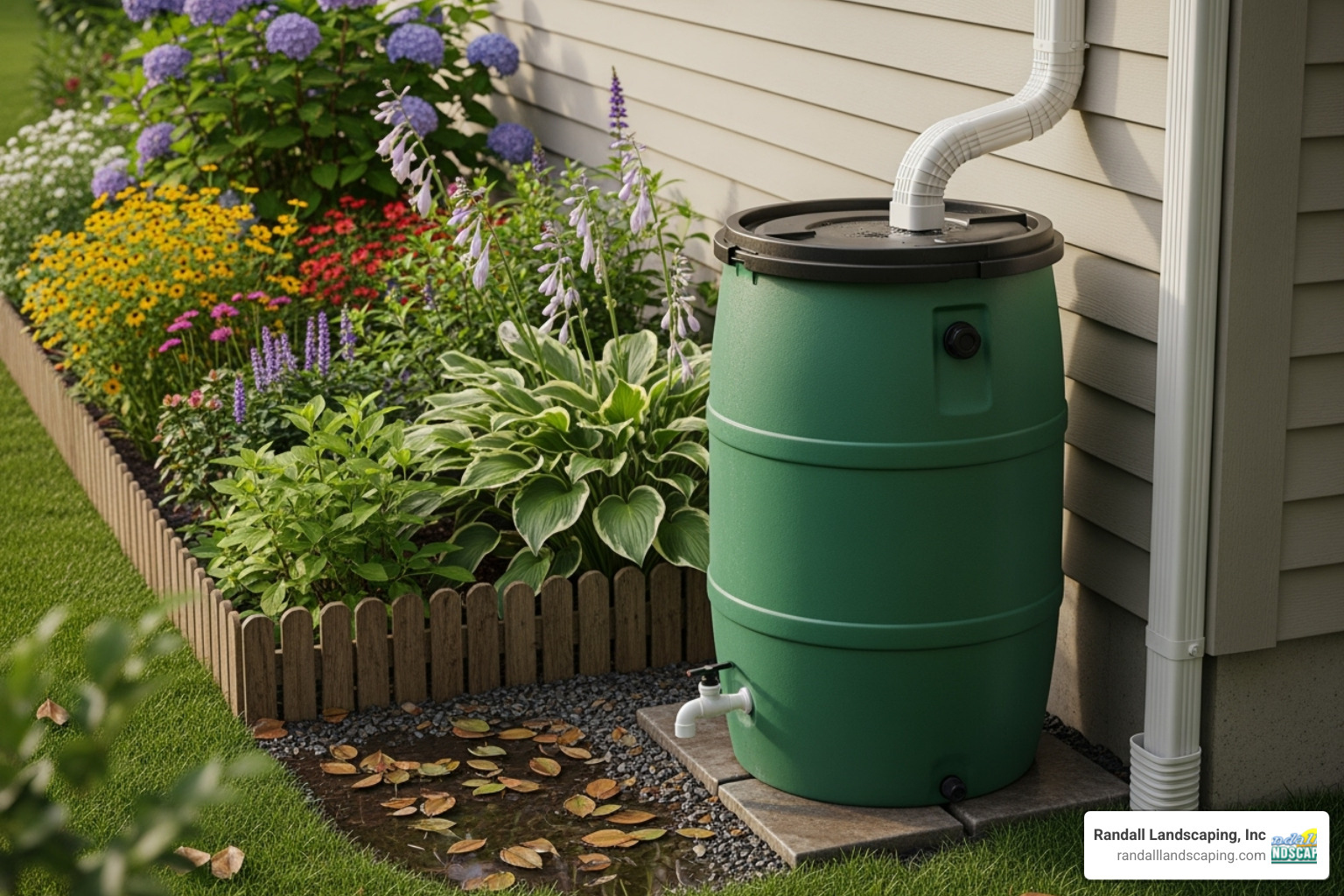
Rain gardens are depressions that capture rainwater from roofs and driveways, allowing it to soak into the ground. They filter pollutants and create beautiful features with water-loving plants.
Permeable paving is a smart alternative to concrete or asphalt. These surfaces let water seep through, preventing flooding and replenishing groundwater.
Drip irrigation is highly efficient, delivering water directly to plant roots to minimize waste. It can reduce water usage by up to 50% compared to sprinklers. Our team specializes in Professional Sprinkler System Installation using these water-smart technologies.
Strategic tree placement acts as natural air conditioning. Deciduous trees provide summer shade and allow winter sun, while evergreens can serve as windbreaks. Understanding where to plant trees around your house can significantly cut energy bills.
Solar and LED lighting complete the energy-saving picture. Solar lights are free to run and work during outages, while LEDs use a fraction of the electricity of traditional bulbs.
Building with the Earth in Mind: Soil, Waste, and Materials
A sustainable landscape’s foundation lies in how we treat the earth and the materials we choose.
Composting turns kitchen scraps and yard debris into a nutrient-rich soil amendment. This reduces waste and the need for synthetic fertilizers.
Choosing the right mulch makes a huge difference. Our Eco-Friendly Mulch Options use organic materials that suppress weeds, retain moisture, and enrich the soil.
Reclaimed and recycled materials like old bricks or weathered stones create stunning, unique hardscapes while reducing the environmental impact of new manufacturing.
Stormwater management involves proper grading and drainage to direct water where it can be naturally absorbed, preventing erosion.
Soil health is paramount. Healthy soil is a living ecosystem we nurture through practices like adding organic matter and avoiding harsh chemicals.
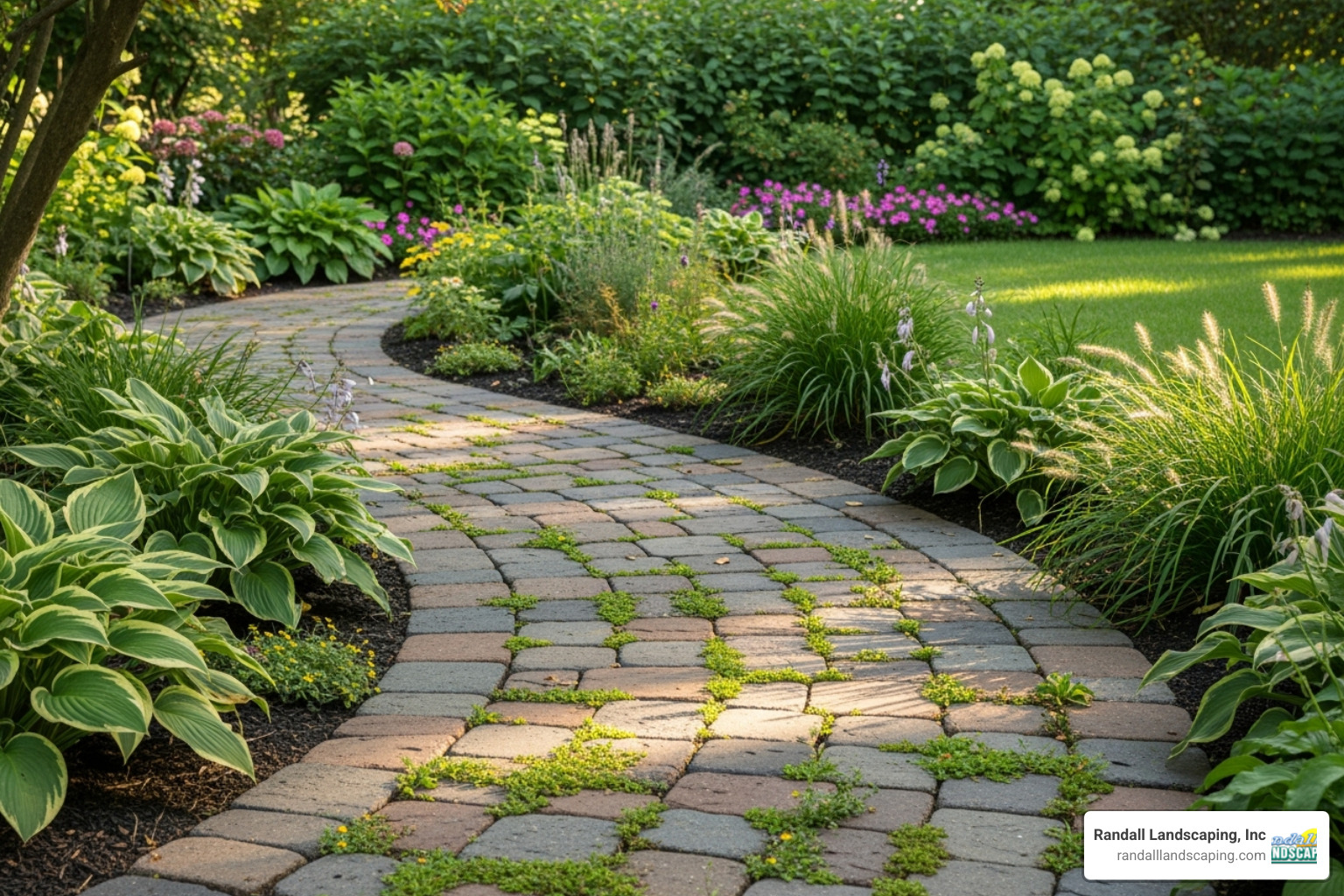
When you’re ready to incorporate sustainable hardscaping, explore our range of Hardscape Products for environmentally conscious options.
Your Educational Path to Sustainable Landscape Design
The journey into sustainable landscape design education is as diverse as the gardens it helps create. Whether you’re dreaming of a career change or want to transform your backyard into an eco-friendly haven, there’s a learning path for you.
Formal Courses and Certifications
For a deep dive into sustainable design, formal education offers a comprehensive foundation.
University programs in landscape architecture or horticulture are the gold standard, combining theory with hands-on practice. Graduates gain a solid understanding of ecosystem-based design.
For structured learning without a full degree, the Master Gardener Series: Sustainable Landscape Design from institutions like Oregon State University is an excellent option. These specialized courses focus on topics like site evaluation and plant selection. A typical 4-6 hour online course might cost around $45 with year-long access to materials, offering great value.
Professional certifications like the Sustainable Sites Initiative (SITES) take your credentials to the next level. SITES provides a comprehensive rating system for sustainable land development, and certification demonstrates your commitment to best practices.
Online courses are more accessible than ever, with self-paced programs on everything from botany to pest management. They offer flexible learning, but hands-on practice is key.
Technical bootcamps focus on design software like AutoCAD or SketchUp. Mastering these tools can open doors to drafting and design roles.
Hands-On Workshops and Self-Study
You don’t need a diploma to make a difference. Many effective sustainable landscapers learn through hands-on experience.
Local workshops from botanical gardens or community colleges are goldmines of practical, region-specific knowledge on topics like rain gardens and native plants—information a generic textbook can’t provide.
Community garden involvement is a great learning experience. Volunteering connects you with experienced gardeners and lets you see techniques in action.
Books like “Bringing Nature Home” by Douglas Tallamy can transform your understanding of how native plants support local ecosystems.
Online resources like the Lady Bird Johnson Wildflower Center Native Plant Database provide incredible depth on native species. Educational modules from universities also offer structured learning on specialized topics.
Following industry blogs keeps you current with evolving best practices and practical tips from professionals.
Practical Steps for Your First Sustainable Landscape Design Project
Ready to start? Breaking your first sustainable landscape design project into manageable steps makes it enjoyable and successful.
Site analysis is your foundation. Observe your space through different seasons. Map features, sun/shade patterns, wet/dry areas, and wind direction. Understanding your site helps you design with it, not against it.
Goal setting creates your design roadmap. Do you want to cut water bills, create a pollinator paradise, grow vegetables, or have a low-maintenance retreat? Write down your goals.
Creating a design plan starts with thinking about “outdoor rooms” for specific functions. Select plants and materials that match your site and goals, and always research mature plant sizes to avoid overcrowding. Our Backyard Landscape Design services can help translate your vision into a professional plan.
Phased implementation is your secret weapon against overwhelm. Start with high-impact areas and work through your design in manageable chunks to make the project more affordable.
Essential tools for DIY projects include measuring tape, graph paper, a soil testing kit, quality gloves, basic shovels and rakes, pruning shears, and a wheelbarrow. Don’t forget access to local plant resources like nurseries or online databases.
While learning these skills is empowering, larger projects often benefit from professional expertise.
Frequently Asked Questions about Sustainable Landscaping
Over my years helping homeowners and businesses create beautiful outdoor spaces, I’ve noticed the same thoughtful questions come up again and again about sustainable landscape design. Let me share the answers to the ones I hear most often.
What is the difference between xeriscaping and sustainable landscaping?
This is a great question. Here’s the difference:
Xeriscaping is one tool in the sustainable toolbox. It’s a water-conservation technique focused on creating landscapes that need little irrigation, using drought-tolerant plants and efficient watering.
Sustainable landscaping is the whole toolbox. It’s a comprehensive approach that includes water conservation but also goes further to address energy efficiency, soil health, biodiversity support, and waste reduction.
In short, all xeriscaping contributes to sustainable landscaping, but sustainable landscaping encompasses much more than just water conservation.
Can sustainable design be applied to a small yard or commercial property?
Absolutely. The principles of sustainable design are scalable—they work for a tiny urban balcony or a sprawling commercial campus.
For small spaces, you might focus on container gardens with native plants, a simple rain barrel system, or a vertical herb garden. Even small patios can be transformed with permeable pavers or pollinator patches.
Commercial properties offer great opportunities for sustainable design. Large-scale native plantings can dramatically reduce maintenance costs and water usage. Permeable parking areas manage stormwater, and strategic tree placement around buildings can cut cooling costs.
We’ve had great success with our Low Maintenance Commercial Landscaping projects, where businesses find that sustainable design isn’t just good for the environment—it’s smart for their bottom line.
What are the average costs for a sustainable landscape?
The budget question is common, and the cost depends on the project’s scope and materials, much like buying a car.
A simple DIY project might run you just a few hundred dollars for a small native garden bed or a rain barrel.
A professional installation with extensive features—like permeable patios, drip irrigation, and mature native trees—could range anywhere from $5,000 to $50,000 or more. The wide range reflects factors like site preparation, materials, and design complexity.
It’s important to consider that while some sustainable materials may have a higher upfront cost, they often lead to long-term savings on water bills and maintenance, making them more economical over time.
These are internet-based averages and not actual costs for Randall Landscaping services. We always recommend a personalized consultation to give you an accurate picture of what your specific vision might cost.
Conclusion
Starting on an educational journey in sustainable landscape design is like open uping a superpower – the ability to create spaces that are gorgeous, earth-friendly, and incredibly practical all at once. It’s about understanding how we can work with nature instead of fighting against it, creating outdoor spaces that thrive for years to come.
Throughout this guide, we’ve explored how the right education can transform your approach to landscaping. From mastering native plant selection to implementing water-saving techniques, from understanding soil health to choosing eco-friendly materials – these skills empower you to make a real difference in your own backyard and beyond.
The beauty of sustainable landscape design education is that it pays dividends immediately. Every native plant you choose, every rain garden you install, and every strategic shade tree you plant contributes to a healthier environment while saving you money on maintenance and utilities. It’s a win-win that keeps giving back.
But here’s the thing – while learning these principles is incredibly empowering, there’s a big difference between understanding the concepts and executing them flawlessly in the real world. Professional implementation requires years of experience, deep knowledge of local growing conditions, and an understanding of how different elements work together over time.
That’s where partnering with seasoned professionals makes all the difference. The team at Randall Landscaping brings 18+ years of hands-on expertise in the unique conditions of the Merrimack Valley and Southern New Hampshire. We understand which native plants thrive in our specific soil types, how to handle our variable weather patterns, and what sustainable solutions work best for our local environment.
We’ve seen how proper installation and material selection can make or break a sustainable landscape project. Our experience ensures your vision becomes reality – built to last and designed to flourish with minimal intervention.
Ready to transform your outdoor space into a sustainable haven that works beautifully for both you and the environment? We’re here to bring your eco-friendly vision to life with the quality and reliability that comes from years of local expertise.
Start your professional Landscape Design Installation today!