
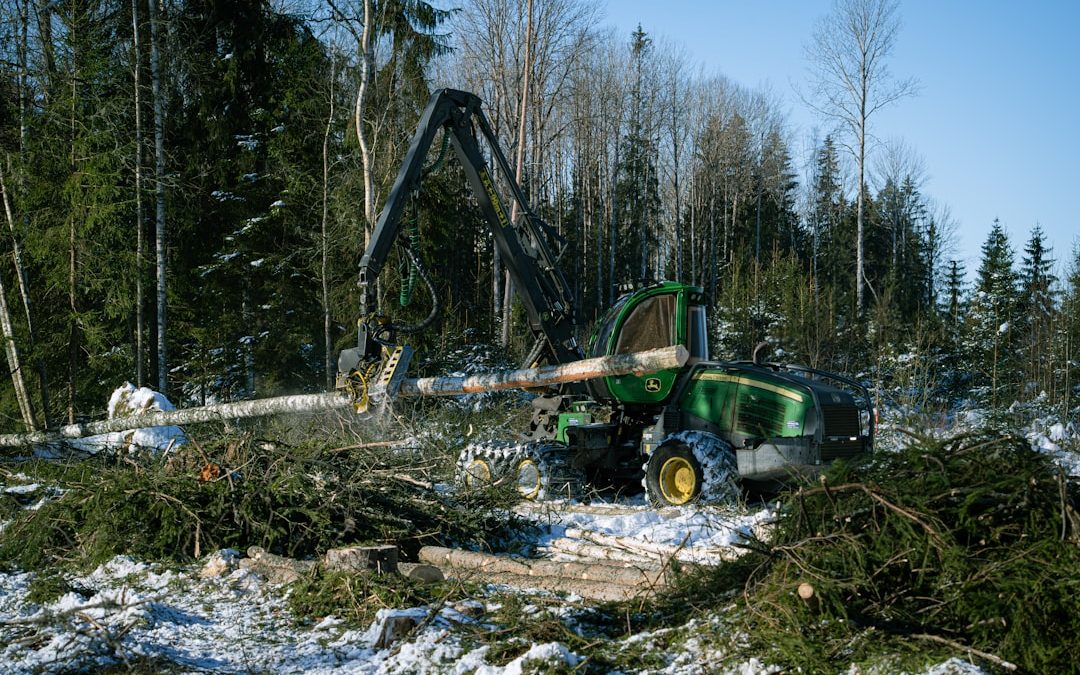
Why Environmentally Friendly Forestry Mulching Is the Smarter Way to Clear Land
Environmentally friendly forestry mulching is a land clearing method that uses a single specialized machine to grind trees, brush, and vegetation into mulch — leaving it on-site to protect soil, reduce erosion, and feed new plant growth.
Here’s a quick summary of the key benefits:
| Benefit | What It Means for You |
|---|---|
| No hauling or burning | Less cost, less pollution |
| Mulch stays on-site | Protects soil and feeds nutrients back in |
| Single-machine process | Faster and cheaper than traditional clearing |
| No chemical herbicides | Safer for people, wildlife, and water |
| Reduces wildfire risk | Removes fuel loads and creates defensible space |
| Promotes native plant growth | Invasive species removed, native flora rebounds |
Traditional land clearing — bulldozing, burning, hauling — strips topsoil, destroys habitats, and leaves land vulnerable to erosion. Forestry mulching flips that script entirely.
Instead of removing organic material, it returns it to the earth. The mulch layer left behind acts like a natural blanket: retaining moisture, suppressing weeds, and slowly releasing nutrients as it decomposes. The American mulch composting market is worth over $1 billion per year — and for good reason. Mulch works.
Whether you own a wooded lot in Southern NH, manage rural acreage, or are clearing land for a new project, understanding this method can save you money and help your land recover faster.
I’m Tommy Randall, owner of Randall Landscaping, Inc., with nearly two decades of hands-on experience in landscape installation and vegetation management across Massachusetts and New Hampshire. My work with environmentally friendly forestry mulching has shown me how the right approach to clearing land makes a real, lasting difference for soil health and long-term property value.

Quick environmentally friendly forestry mulching definitions:
What is Environmentally Friendly Forestry Mulching?
If you’ve ever seen a traditional construction site, you know the drill: massive bulldozers scrape the earth bare, pushing piles of trees and dirt into “slash piles” that are either burned or hauled away in loud, heavy trucks. It’s a bit like using a sledgehammer to hang a picture frame—effective, sure, but it leaves a lot of collateral damage.
Environmentally friendly forestry mulching is a much more surgical approach. Often referred to as “mastication,” this process uses a single machine—typically a high-flow skid steer or a dedicated tracked carrier—equipped with a specialized mulching head. This head features a heavy, rapidly spinning drum outfitted with steel chipper teeth or blades.
As the machine moves through the property, it shreds unwanted vegetation, small trees, and brush right where they stand. Instead of hauling debris off-site, the machine processes it into fragmented wood chips and fibers. This fragmented debris is then spread evenly across the ground. According to a Forestry mulching overview, these heavy-duty machines can clear up to 15 acres of vegetation per day depending on the density of the material and the terrain.
The beauty of this method lies in its “one and done” nature. Because the machine stays on top of the existing ground cover, there is minimal ground disturbance. We aren’t ripping out root systems or destabilizing the topsoil. We are simply changing the form of the vegetation from standing “fuel” to a protective floor covering.
Ecological Advantages of Sustainable Land Clearing
When we talk about “saving your soil,” we mean it literally. In our service areas like Boxford, MA and Atkinson, NH, the local ecosystem relies heavily on the thin layer of nutrient-rich topsoil that takes decades to form. Traditional clearing methods often scrape this layer away, leaving the land sterile and prone to washing away during the first heavy rain.
Soil Health and Nutrient Cycling
Forestry mulching turns what used to be “waste” into a valuable resource. As the shredded vegetation sits on the forest floor, it begins to decompose. This process returns vital nutrients—nitrogen, phosphorus, and potassium—back into the earth, essentially acting as a natural fertilizer. This organic matter enriches the soil, fostering a nurturing habitat for beneficial microorganisms and insects.

Moisture Retention and Erosion Prevention
One of the biggest enemies of New Hampshire and Massachusetts landowners is erosion. Bare soil is easily displaced by wind and rain. The mulch layer created by environmentally friendly forestry mulching acts as a protective blanket. It absorbs the impact of raindrops, preventing them from dislodging soil particles, and slows down surface runoff.
Furthermore, this layer is excellent for moisture retention. It shades the soil from the sun, reducing evaporation and keeping the root systems of the remaining trees hydrated even during our drier summer months. This is backed by Scientific research on mastication fuel treatments, which highlights how these treatments stabilize the site while preparing it for future growth.
Why Environmentally Friendly Forestry Mulching Reduces Carbon Footprints
We are all looking for ways to be a bit greener, and land management is a great place to start. Traditional clearing is a carbon-intensive nightmare. Think about the fuel used by bulldozers to pile debris, the fuel for the trucks to haul it away, and the carbon released into the atmosphere if those piles are burned.
By choosing environmentally friendly forestry mulching, you significantly reduce your project’s carbon footprint:
- No Hauling: All material is processed on-site. This eliminates the need for heavy transport trucks, which reduces road wear in towns like Pelham and Windham and slashes CO2 emissions.
- No Burning: Open burning releases particulate matter and stored carbon into the air. Mulching keeps that carbon locked in the wood fibers, where it eventually works its way into the soil—a process known as carbon sequestration.
- Fuel Efficiency: Because one machine handles the cutting, grinding, and spreading, the total “engine hours” for a project are often much lower than multi-machine traditional clearing.
For those interested in the broader impact of these choices, you can find more info about environmental mulch on our blog.
Promoting Biodiversity and Native Plant Growth
It might seem counterintuitive that “clearing” land can help it grow, but it’s all about what you are clearing. Many properties in the Merrimack Valley are choked with invasive species like buckthorn, bittersweet, or multiflora rose. These plants grow so thick they block sunlight from reaching the ground, effectively “suffocating” native seedlings.
Forestry mulching allows for selective clearing. We can remove the “junk” underbrush while leaving the healthy, mature oaks and maples untouched. This opens the canopy, allowing sunlight to reach the forest floor for the first time in years. This sunlight penetration, combined with the nutrient-rich seedbed created by the mulch, encourages native flora to rebound.
This process is vital for habitat restoration. By removing dense thickets, we create wildlife corridors that allow local animals to move freely. It also creates “edge areas” where different types of vegetation meet, which is where biodiversity truly thrives. You can explore more info about eco-friendly mulch options to see how different materials support different ecological goals.
Practical Applications and Wildfire Prevention
While the environmental benefits are a huge selling point, there are very practical reasons to consider environmentally friendly forestry mulching for your New England property.
Wildfire Prevention and Defensible Space
We don’t often think of New Hampshire as a wildfire hotspot, but “fuel loads” are a real concern. Dead standing timber, thick brush, and “ladder fuels” (low branches that allow fire to climb into the canopy) can turn a small brush fire into something dangerous. Mulching eliminates these hazards by taking that vertical fuel and laying it flat on the ground where it retains moisture and decomposes. This creates a “defensible space” around homes in wooded areas like Salem, NH or North Andover, MA.
Residential and Commercial Applications
- Lot Clearing: If you’re building a home, mulching allows you to see the “lay of the land” without stripping it bare. It provides a clean, walkable surface for surveyors and architects.
- Storm Debris Removal: After a big Nor’easter, fallen branches and uprooted trees can be a mess. Mulching processes this debris quickly, turning a hazard into a tidy layer of wood chips.
- Right-of-Way Maintenance: For utility lines or paths, mulching keeps the area clear without the need for harsh chemical herbicides.
If you’re dealing with persistent weeds in these cleared areas, you can find more info about mulch for weed control to keep your property looking its best.
The Efficiency and Cost-Effectiveness of Forestry Mulching
One of the most common questions we get at Randall Landscaping is: “Is this going to break the bank?” The short answer is usually no—in fact, it often saves money in the long run.
Traditional land clearing involves several distinct stages: felling, piling, loading, hauling, and tipping fees at a disposal site. Each stage requires different equipment and more labor. Forestry mulching collapses all of those steps into one.
| Traditional Clearing Steps | Forestry Mulching Steps |
|---|---|
| 1. Cut down trees | 1. Mulch everything in place |
| 2. Grub out stumps | (Stumps ground to soil level) |
| 3. Pile debris | (No piles created) |
| 4. Load trucks | (No trucks needed) |
| 5. Haul to dump | (No disposal fees) |
| 6. Pay tipping fees | (Free natural fertilizer) |
Pricing Insights
When looking at the market, the cost of these services can vary wildly based on the equipment used and the complexity of the job. Based on average internet data, you might see hourly rates ranging from $150 to $800+ per hour.
Note: These are average costs based on internet data and not actual costs for Randall Landscaping. Factors like travel time, machine size (a small skid steer vs. a 300hp dedicated mulcher), and the type of trees involved will dictate the final price.
Because the process is so fast—heavy duty mulchers can process up to 15 acres a day in light brush—the total project cost is often significantly lower than hiring a crew with a bulldozer and a fleet of dump trucks. Plus, you won’t need to spend extra money on landscape mulch installation later, because the machine has already done the work for you!
Limitations and Choosing the Right Service
As much as we love environmentally friendly forestry mulching, it isn’t a magic wand for every single acre of land. There are a few situations where it might not be the best fit:
- Massive Timber: While horizontal drum mulchers can handle trees up to 30 inches in diameter, it isn’t always efficient to mulch a massive, healthy hardwood if the wood has timber value.
- Extreme Slopes: While tracked machines are stable, very steep or rocky terrain can limit where a machine can safely operate.
- Rock Incompatibility: Mulching teeth are tough, but they don’t like rocks. If your property is essentially a boulder field, the wear and tear on the equipment can make the process prohibitively expensive.
- Soil Moisture: If the ground is extremely “soupy” or a protected wetland, even low-ground-pressure tracks can cause ruts. In these cases, we have to wait for the ground to freeze or dry out.
Choosing a Reliable Provider
When searching for mulching services near me, look for a company that understands the local New England terrain. You want a provider who:
- Uses modern, well-maintained equipment (this prevents fluid leaks and ensures a fine mulch finish).
- Understands selective clearing (not just “mowing everything down”).
- Is fully insured and experienced with local regulations in towns like Dracut or Georgetown.
Frequently Asked Questions about Sustainable Forestry
How does environmentally friendly forestry mulching improve soil health?
It works by mimicking the natural “leaf litter” cycle of a forest but at an accelerated pace. By grinding the wood into small pieces, we increase the surface area, which helps fungi and bacteria break down the wood faster. This adds organic matter to the soil, improves its structure (making it less compacted), and helps with moisture retaining mulch properties.
Is forestry mulching better for the environment than other land clearing methods?
In almost every measurable way, yes. It preserves the topsoil, which is the most important part of the ecosystem. It prevents the air pollution associated with burning and the carbon emissions associated with hauling. Most importantly, it protects the “micro-habitats” of the forest floor that are completely destroyed by bulldozing.
Can environmentally friendly forestry mulching help prevent wildfires?
Absolutely. By reducing “ladder fuels” and thinning out overcrowded stands of trees, we reduce the intensity of a potential fire. A fire that stays on the ground is much easier for local fire departments to manage than a “crown fire” that jumps from treetop to treetop.
Conclusion
Managing land in the Merrimack Valley and Southern New Hampshire requires a balance between our needs as property owners and our responsibility to the environment. Environmentally friendly forestry mulching offers the perfect middle ground. It’s fast, it’s cost-effective, and it leaves your land healthier than it found it.
At Randall Landscaping, Inc., we pride ourselves on 100% reliability and quality work. Whether you are in Amesbury, Pelham, or anywhere in between, we are here to help you reclaim your property without sacrificing your soil.
Ready to transform your land the right way? Get a professional mulch installation guide to learn more about our process, or contact us today to discuss your next project!