
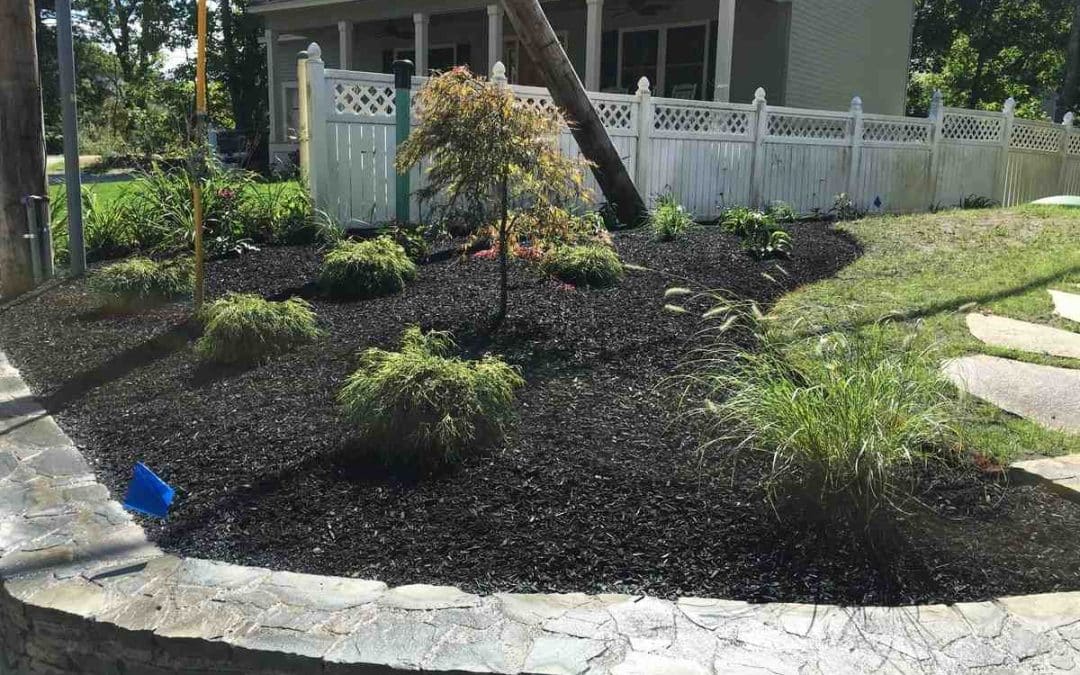
Why Cedar Mulch Stands Out in Garden Landscaping
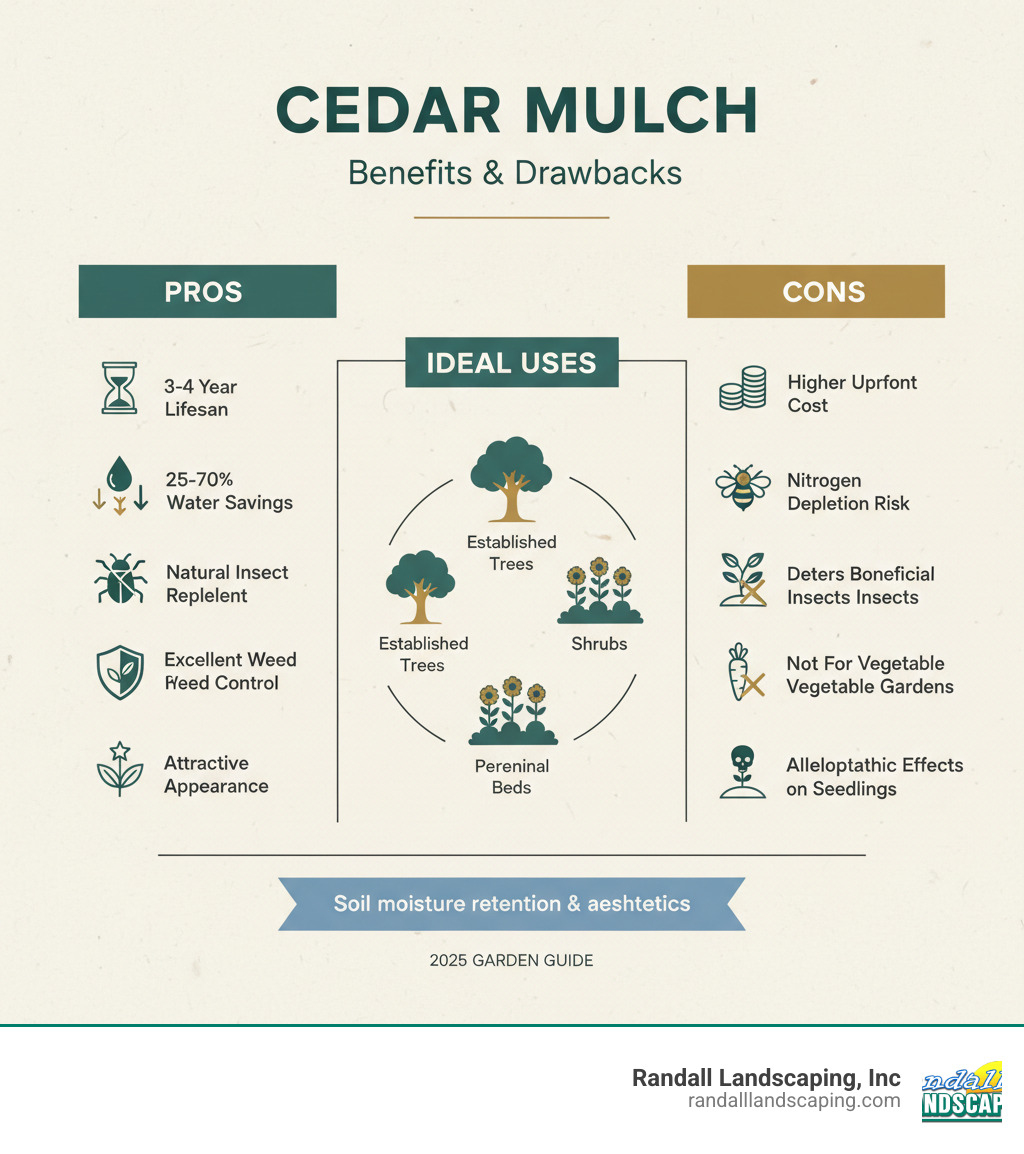
Cedar mulch for garden beds is a premium organic ground cover offering superior longevity, natural pest resistance, and excellent moisture retention. It’s best for established trees, shrubs, and perennial beds, but it is not ideal for vegetable gardens or annuals due to its slow decomposition and properties that can inhibit seed germination.
Quick Assessment of Cedar Mulch:
- Best For: Established shrubs, trees, perennial beds, pathways
- Lifespan: 3-4 years before replacement needed
- Water Savings: Reduces watering needs by 25-70%
- Weed Control: Blocks 80% of weeds when applied correctly
- Cost: Higher upfront ($40-120+ per yard) but lasts longer
- Avoid For: Vegetable gardens, new seedlings, annual beds
Adding mulch is one of the most effective ways to improve plant health and reduce maintenance. Cedar mulch has earned its reputation as a premium choice for its rich color, pleasant aroma, and natural insect resistance. Its fibers knit together to block weeds, and its slow decomposition rate means you won’t need to replace it every season.
However, cedar mulch isn’t a universal solution. Its higher cost and potential to deplete soil nitrogen mean it’s not right for every garden. Understanding when to use it can save you money and help your plants thrive.
I’m Tommy Randall, and since 2006, I’ve installed cedar mulch for garden beds throughout Massachusetts and New Hampshire. Through hundreds of installations, I’ve learned which situations benefit most from cedar and which gardens need a different approach.
What is Cedar Mulch and How is it Made?
Cedar mulch for garden beds is a popular landscaping material made from the bark and wood of cedar trees, typically as a byproduct of lumber production. This process makes it a sustainable choice, as it repurposes materials that would otherwise be discarded.
Cedar trees have natural defenses against insects and decay, and these protective qualities are transferred to the mulch. This is why cedar lasts longer than many alternatives and naturally repels pests without chemical treatments. The manufacturing process is simple: sawmills collect cedar scraps, shred or chip them into garden-ready pieces, and bag the result. For more information on different mulching materials, check out our Mulch Installations Complete Guide.
The Different Forms of Cedar Mulch
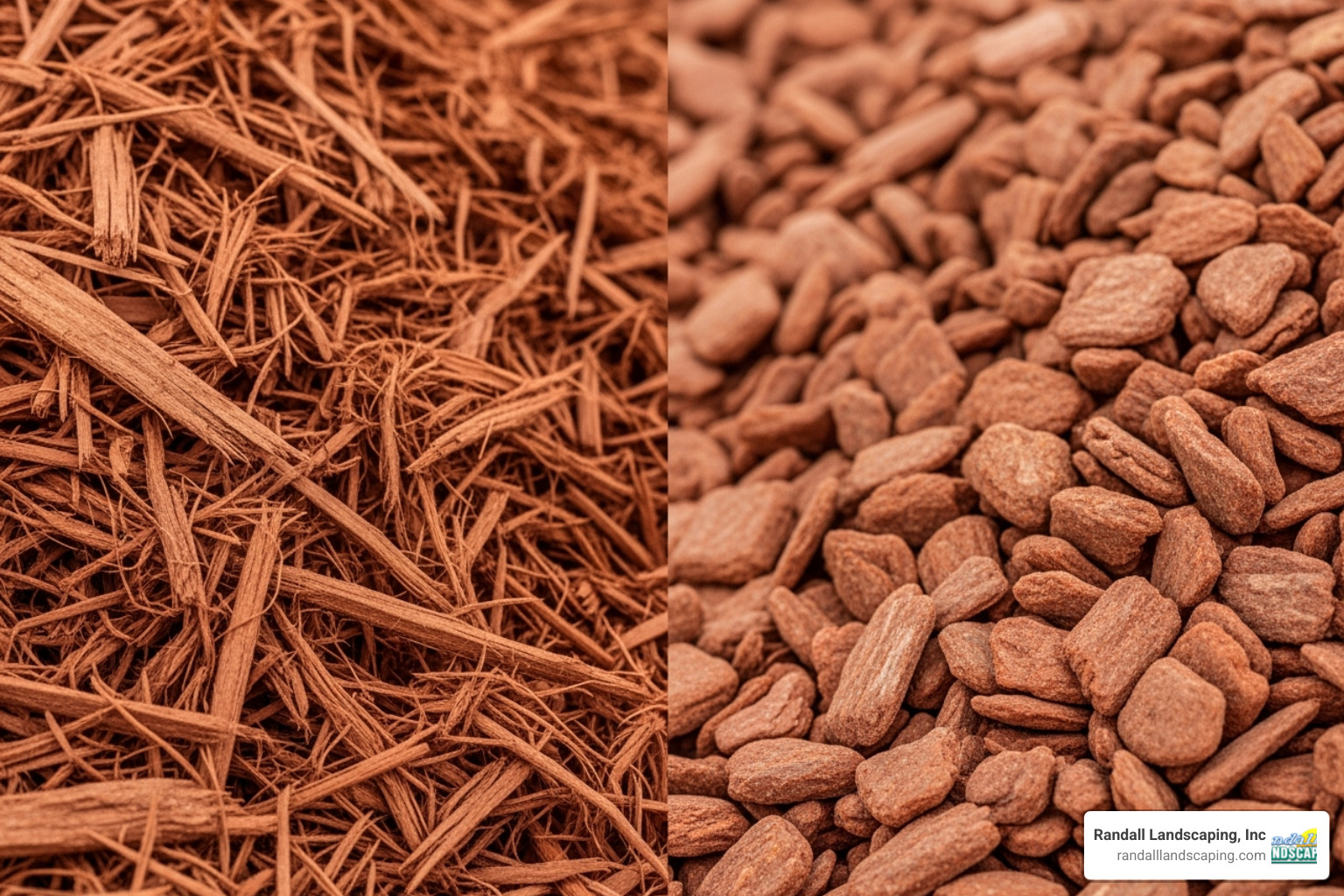
Cedar mulch is available in two main forms: shredded and chipped.
Shredded cedar consists of long, stringy fibers that interlock to form a dense mat. This texture is excellent for staying on slopes and provides superior weed control by blocking sunlight. It offers a natural, rustic appearance.
Cedar chips are chunkier, more uniform pieces that provide a cleaner, more manicured look. They are ideal for formal gardens and pathways but don’t interlock as tightly as shredded varieties.
You will also find natural and dyed cedar mulch. Natural mulch retains its original reddish-brown color and aroma. Dyed versions (often black, brown, or red) offer a consistent look but require caution. While many dyes are vegetable-based and safe, cheaper products may use chemical colorants. In my experience installing cedar mulch for garden beds, natural, undyed cedar provides the most predictable and safe results for your garden.
The Functional Benefits of Using Cedar Mulch for Garden Beds
Spreading cedar mulch for garden beds does more than improve aesthetics; it creates a protective layer that supports plants, conserves resources, and reduces maintenance. As I’ve seen installing mulch throughout the Merrimack Valley, the right choice can transform a garden. That’s why we often recommend cedar for clients seeking long-term solutions through our Garden Bed Mulching services.
Superior Weed and Water Management
Cedar mulch effectively addresses two common garden problems: weeds and water loss.
Weed suppression is a major strength. A proper layer of cedar mulch blocks sunlight from reaching weed seeds, preventing germination. The interlocking fibers of shredded cedar are especially effective, with many clients reporting 80% fewer weeds. For more strategies, see our guide on Mulch for Weed Control.
Water retention is another key benefit. Cedar mulch acts as a blanket, reducing evaporation from the soil. This can reduce your watering needs by 25-70%, saving water and money, which is especially helpful during New England’s unpredictable summers. Learn more about Moisture Retaining Mulch.
Natural Insect Repellent and Durability
Cedar’s distinctive scent comes from natural oils that repel insects. These oils, like thujone, deter common pests such as ants, termites, and mosquitoes without chemical sprays.
What truly sets cedar apart is its durability. It lasts three to four years before needing replacement, which is two to three times longer than many other organic mulches. This slow decomposition rate means less frequent replenishment, making the higher upfront cost a smart long-term investment.
Soil Insulation and Aesthetic Appeal
Cedar mulch also improves growing conditions and improves your landscape’s appearance.
Soil temperature regulation is a crucial benefit. The mulch insulates soil, keeping it cooler in summer and warmer during cool nights, which protects roots from temperature stress. This is important year-round, from Andover, MA, to Atkinson, NH.
The aesthetic appeal is undeniable. The rich, reddish-brown color makes plant foliage and flowers stand out, giving beds a clean, professional finish. Over time, it weathers to an attractive silver-gray, offering a different but equally pleasant look.
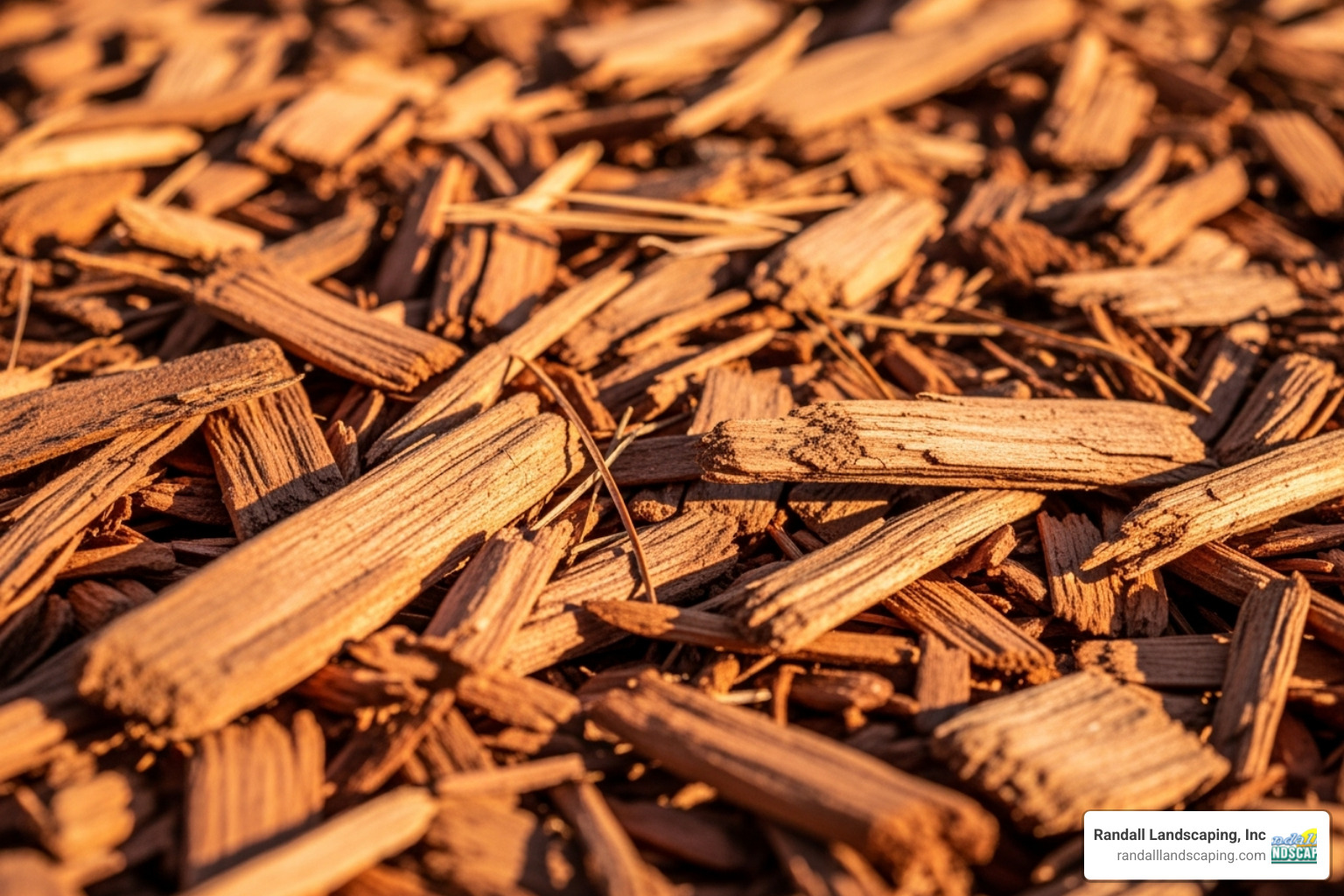
The pleasant, woody aroma is another signature feature that many homeowners appreciate.
Potential Drawbacks and Important Considerations
While cedar mulch for garden beds has many advantages, it’s not a one-size-fits-all solution. Understanding its limitations is key to deciding if it’s right for your landscape.
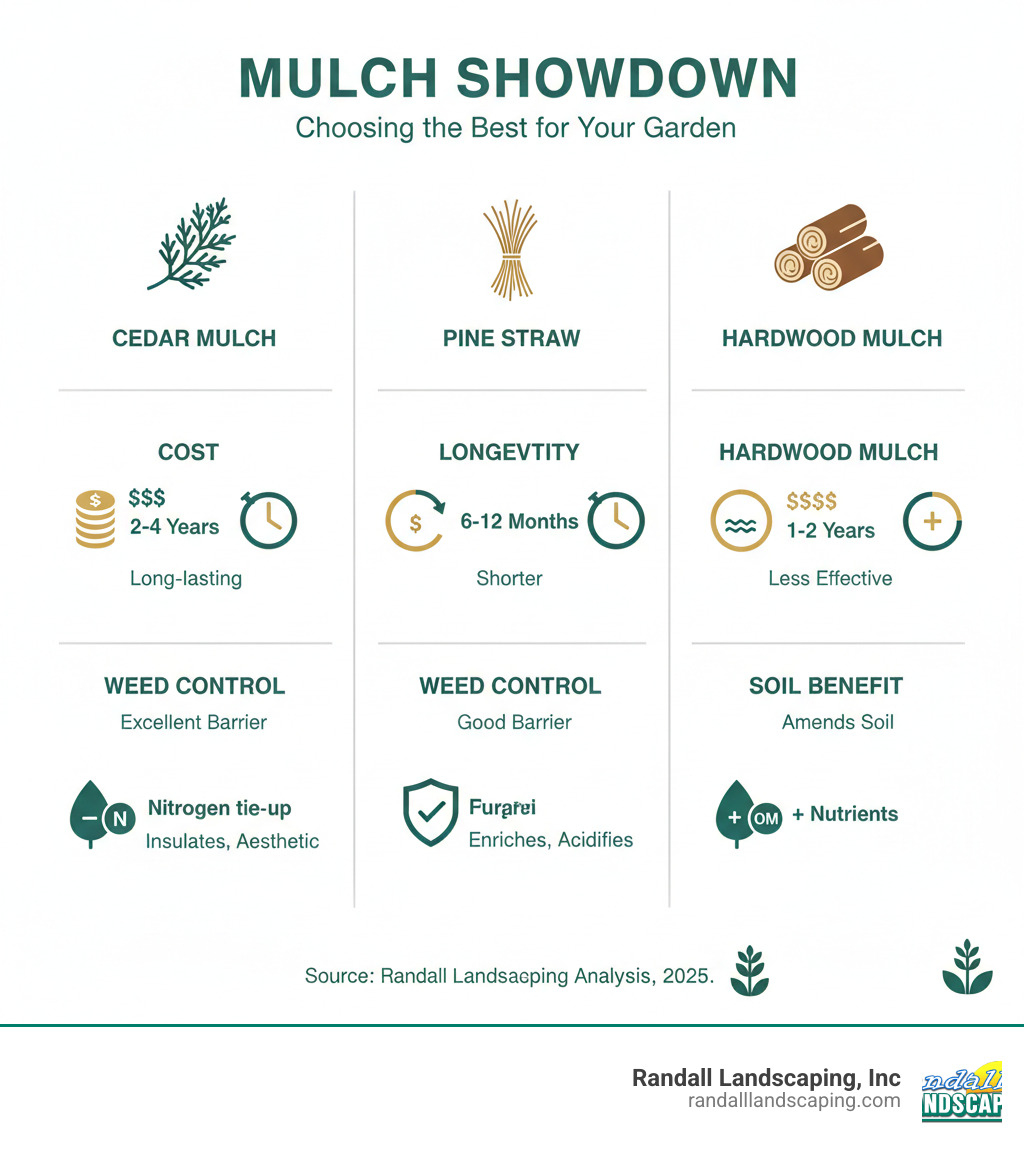
Impact on Soil Chemistry and Plant Growth
The main concerns with cedar mulch involve its effects on soil and plants.
As it decomposes, cedar’s high carbon content can cause temporary nitrogen depletion in the soil, as microorganisms use nitrogen for the breakdown process. This effect is minimal if the mulch is kept on the soil surface and not mixed in.
Cedar also has allelopathic properties, meaning it releases natural compounds that can inhibit seed germination and slow the growth of new plants. This is why experts advise: To avoid this scenario, only use cedar mulch around plants that are permanent. It is perfect for established trees and shrubs but a poor choice for vegetable gardens or annual beds. For better options, see our guide on the Best Mulch for Vegetable Garden. Cedar’s acidifying effect on soil is generally minor and not a concern for most plants in our area.
Effects on Wildlife and the Environment
Cedar’s natural insect-repelling oils can also deter beneficial insects like ladybugs. While there’s no evidence it repels pollinators like bees, its allelopathic effects could reduce the flowering plants they depend on.

Dyed mulch chemicals are another consideration. While many dyes are safe, some products may contain additives that can leach into the soil. Natural, undyed cedar is always the safest choice, especially around pets and children. For more sustainable choices, explore our Eco-Friendly Mulch Options guide.
Cost and Other Practical Concerns
The higher initial cost of cedar is a primary consideration. However, because it lasts three to four years, the cost versus longevity often proves favorable over time compared to mulches that need annual replacement.
Average price range can vary, but internet estimates suggest $40 to over $120 per yard for bulk cedar. These are general market estimates, not Randall Landscaping quotes. For budgeting information, visit our Mulch Delivery Cost page.
Finally, while many enjoy the fragrance, it can be overwhelming for those with scent sensitivities. Also, avoid using cedar in poorly draining, boggy areas, as its high moisture retention can contribute to root rot.
How to Properly Apply and Maintain Cedar Mulch
Correctly applying cedar mulch for garden beds is crucial for a thriving landscape. Proper technique protects your plants and maximizes the mulch’s benefits. If you prefer professional help, our Mulch and Edging Services team can ensure the job is done right.
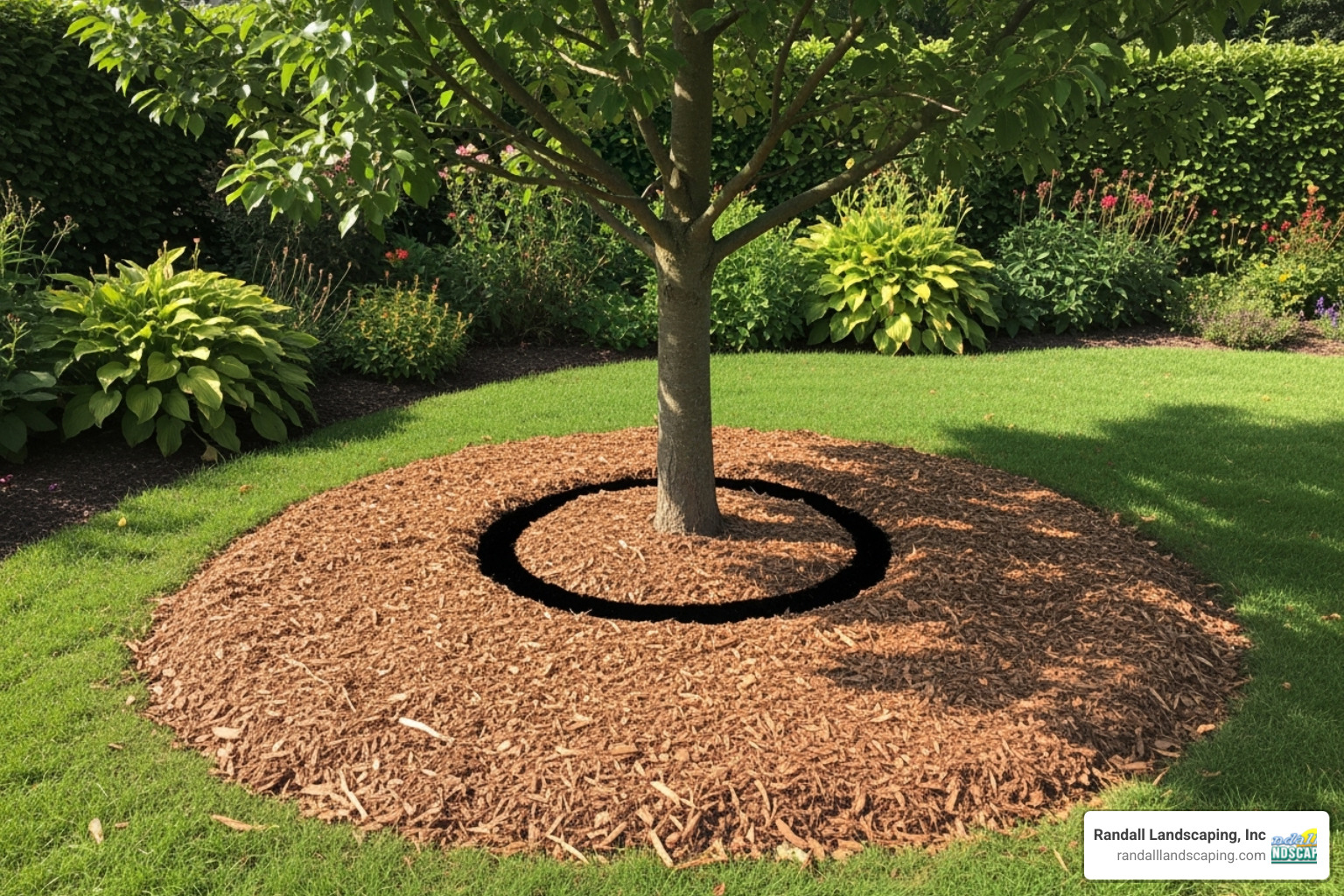
Step-by-Step Application for cedar mulch for garden beds
- Prepare the Bed: Start by pulling all existing weeds, clearing debris, and watering the soil thoroughly to lock in moisture.
- Apply the Mulch: Spread a layer that is 2-3 inches deep once settled. This is thick enough to suppress weeds but allows water and air to reach the soil. For larger cedar chips, you can go up to 4 inches deep.
- Leave a Gap: This is the most critical step. Leave a 2-6 inch gap between the mulch and the base of trees and shrubs. As the Royal Horticultural Society notes, “When mulching around the shrubs stems or trunks of trees, you should leave a gap around the outside of the trunk so that the mulch doesn’t actually touch the tree. This is because wet mulch pressed up against the stem or trunk can cause the plant to rot…“. Piling mulch against trunks, known as “mulch volcanoes,” can cause decay and harm the plant. Always create a “donut” shape around plants, not a cone.
Replenishing and Long-Term Care for your cedar mulch for garden beds
While low-maintenance, a little care keeps cedar mulch effective. We recommend an annual top-up of about one inch to refresh the color, maintain depth for weed control, and replenish pest-deterring oils. Raking the top layer can also refresh its appearance.
Check the depth annually; if it’s less than two inches, add more. When you notice more weeds or the mulch has broken down significantly, it’s time for a full replacement.
After its three to four year lifespan, the mulch will have diminished in effectiveness. Remove the old material and apply a fresh 2-3 inch layer to reset the benefits. For homeowners in our service area who want a hassle-free solution, our Mulch Installation Services team is ready to help.
Frequently Asked Questions about Cedar Mulch
Here are answers to the most common questions we receive about cedar mulch for garden beds.
Is cedar mulch the best choice for all garden plants?
No, cedar mulch is not suitable for all plants. It excels around established, permanent plantings like mature trees, shrubs, and perennials. However, its allelopathic properties (which inhibit seed germination) and tendency to tie up nitrogen make it a poor choice for vegetable gardens and annual flower beds. As experts note, to avoid this scenario, only use cedar mulch around plants that are permanent. For vegetable gardens, use alternatives like straw or compost. See our guide on the Best Mulch for Vegetable Garden for more ideas.
Will cedar mulch make my soil too acidic?
This is a common concern, but the answer is generally no. While cedar mulch has a slight acidifying effect as it decomposes, the change is minor and gradual. For most landscape plants in our region, which often prefer slightly acidic soil, this is not a problem. Unless your soil is already highly acidic or you are growing plants that need alkaline conditions, you are unlikely to notice any negative effects. If you have concerns, a simple soil pH test can provide clarity.
Is dyed cedar mulch safe for my garden and pets?
The safety of dyed mulch depends on the dye. Most modern manufacturers use non-toxic, vegetable-based or iron oxide dyes that are safe for plants, pets, and people. However, cheaper products might use chemical dyes that could be harmful. Since quality control can vary, the safest option is always natural, undyed cedar mulch. This gives you all the benefits of cedar without introducing unknown chemicals into your garden, which is especially important in areas where children and pets play.
Conclusion
As we’ve seen, cedar mulch for garden beds is a premium material that offers significant benefits when used correctly. Its 3-4 year lifespan, excellent water retention, and natural pest resistance make it a powerful tool for creating a low-maintenance, professional-looking landscape.
However, cedar mulch is not a universal solution. Its tendency to tie up nitrogen and inhibit seed germination makes it unsuitable for vegetable gardens and new annuals. It should be seen as a specialized tool, best used around established trees, shrubs, perennial borders, and pathways where its durability and weed-blocking power can truly shine.
The key is to match the mulch to your garden’s needs. If you have established plantings that need long-term coverage, cedar is an excellent choice. For a new vegetable garden, another option would be better.
In the Merrimack Valley and Southern New Hampshire, we’ve installed cedar mulch for garden beds in countless landscapes, from Andover to Salem. Our experience has shown that the most successful projects begin with understanding the homeowner’s goals.
If you’re considering cedar mulch for your landscape and want professional advice, we’re here to help. Explore our Garden Bed Mulching services for an expert application that takes the guesswork out of the process. We are committed to quality work and 100% reliability, ensuring your outdoor spaces look their best.