
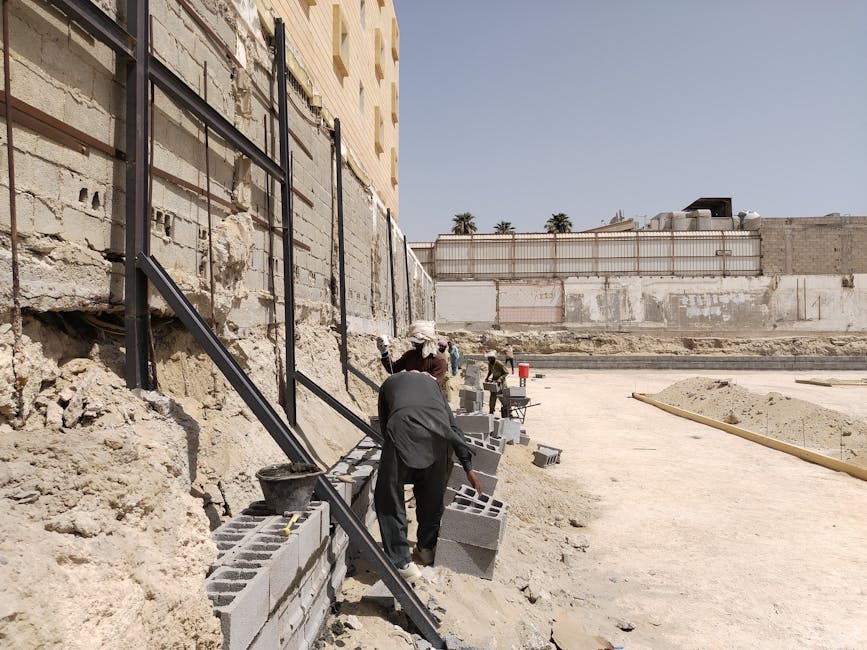
Finding Quality Retaining Wall Builders for Your Property
Retaining wall builders are specialized contractors who design and construct walls to hold back soil and prevent erosion. Finding the right professional requires checking credentials, comparing quotes, and verifying their experience with your specific wall type and local conditions.
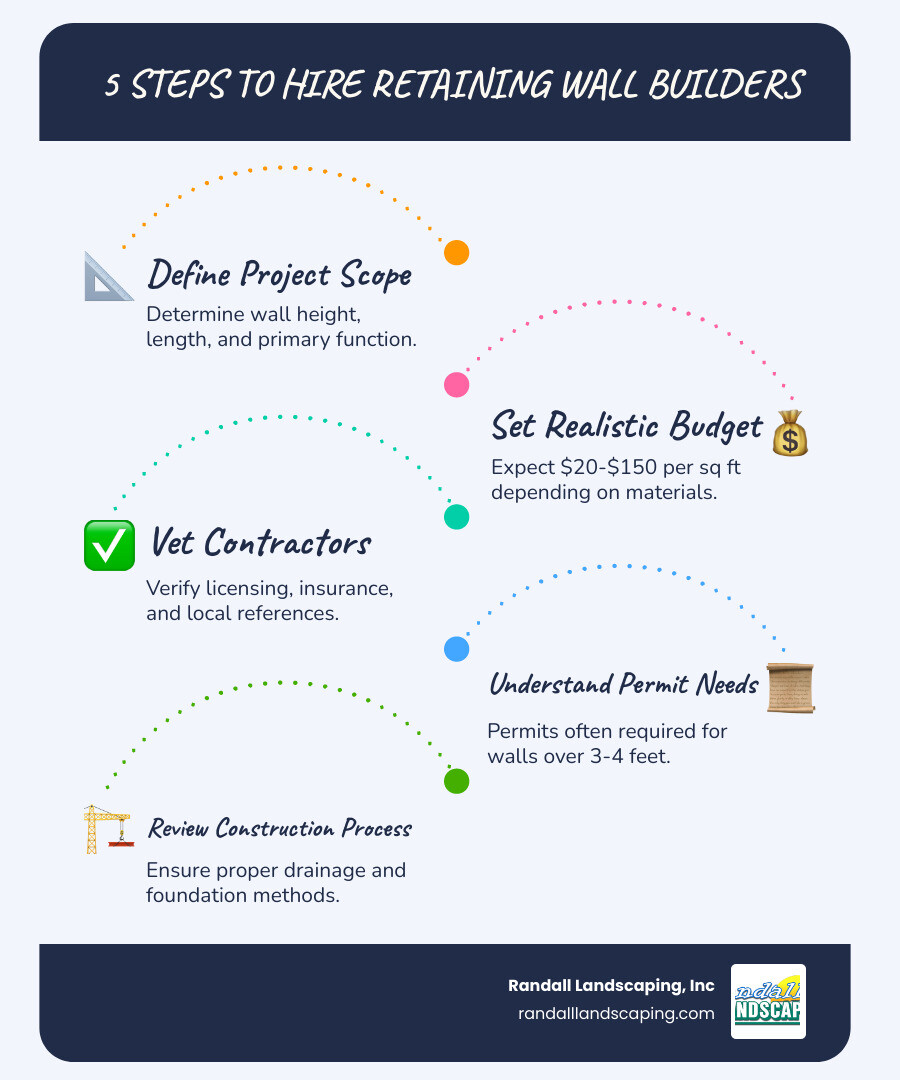
Quick Guide to Hiring Retaining Wall Builders:
- Define your project scope – Determine wall height, length, and primary function
- Set a realistic budget – Expect $20-$150 per square foot depending on materials
- Research and vet contractors – Verify licensing, insurance, and local references
- Understand permit requirements – Most areas require permits for walls over 3-4 feet
- Review the construction process – Ensure proper drainage and foundation methods
A well-built retaining wall can transform your property by preventing soil erosion, creating level garden beds, managing water drainage, and increasing property value. The key to a successful project is choosing experienced retaining wall builders who understand local soil, drainage, and building codes. A quality wall can last from 20 to 200 years, making the right contractor choice crucial.
I’m Tommy Randall, owner of Randall Landscaping. Since 2006, my team and I have installed hardscape features throughout Massachusetts and New Hampshire. My experience shows that the difference between a long-lasting wall and one that fails prematurely is proper contractor selection and installation techniques.
Relevant articles related to retaining wall builders:
Step 1: Define Your Project and Understand the Basics
Before calling retaining wall builders, it’s important to define what you want to accomplish. Are you trying to stop erosion, or are you hoping to create a terraced garden on a steep slope? Understanding your project’s scope guides every decision.
Consider the wall’s primary function and your aesthetic goals. Do you need a purely structural wall, or do you envision a decorative feature? The height and length of the wall will also dramatically impact cost and complexity. At Randall Landscaping, our Hardscaping: Retaining Walls services focus on creating structures that are both functional and beautiful.
Primary Functions of a Retaining Wall
Retaining walls are hardworking structures that solve multiple problems:
- Soil Erosion Prevention: They stop topsoil from washing away during heavy storms.
- Creating Level Tiers: They transform unusable slopes into flat areas perfect for a Patio Design and Construction project, outdoor dining, or a play area.
- Manageable Garden Beds: Built-in beds offer better drainage, easier access, and protection from pests.
- Water Drainage Management: A well-designed wall directs water away from your home’s foundation, preventing costly damage.
- Increased Property Value: By solving problems and adding functional, attractive space, retaining walls boost your home’s value.
Common Retaining Wall Materials and Styles
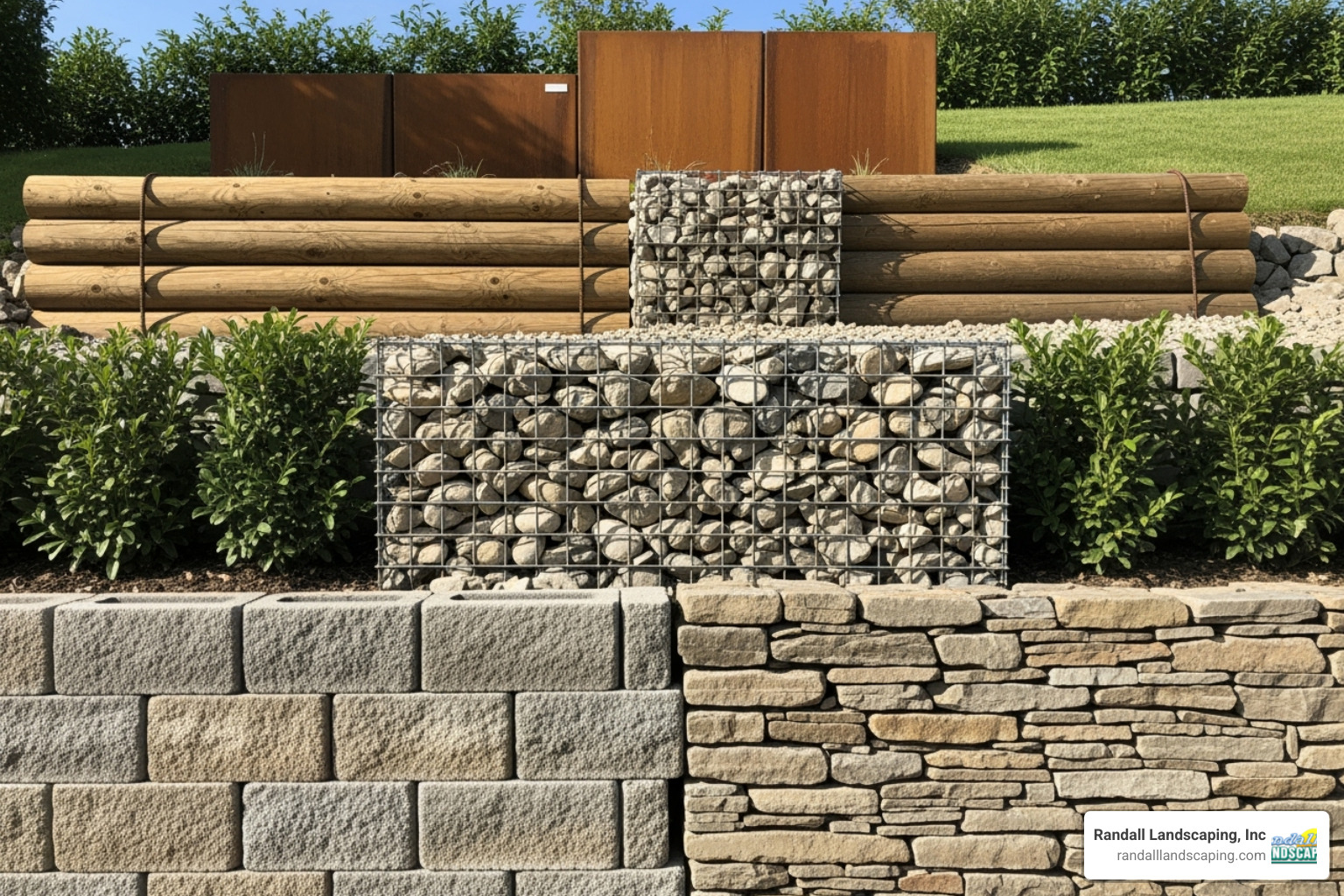
Each material offers unique benefits. Concrete blocks are a popular, durable (50-100 years), and cost-effective choice, available in many styles. Natural stone is a premium option that can last 50-200 years, blending beautifully into the landscape. Our Sandstone Retaining Wall Builders service specializes in these timeless installations. Poured concrete offers a clean, modern look with incredible strength, while timber provides a rustic feel at a lower initial cost but requires more maintenance and has a shorter lifespan (10-20 years).
| Material Type | Durability / Lifespan | Cost (General) | Aesthetics | Maintenance |
|---|---|---|---|---|
| Concrete Blocks | 50-100 years. Strong, interlocking systems. | Mid-range | Versatile, comes in various colors, textures, and sizes. Can mimic natural stone. Uniform appearance. | Low; occasional cleaning, inspect for cracks. |
| Poured Concrete | 50-100+ years. Extremely strong and durable. | Mid to High | Modern, sleek, can be stamped, stained, or textured. Offers clean lines. | Low; inspect for cracks, potential sealing. |
| Natural Stone | 50-200 years. Highly durable and timeless. | High | Rustic, neat, blends seamlessly with natural landscapes. Each stone is unique. | Low; occasional resetting of loose stones, inspect for mortar integrity. |
| Timber | 10-20 years (pressure-treated). Susceptible to rot/decay. | Low to Mid | Natural, rustic look. Can be stacked horizontally or vertically. | High; prone to rot, warping, insect damage; requires sealing/treatment. |
Common construction styles include gravity walls, which use their own weight to hold back soil, and segmental retaining walls, which use interlocking blocks. For taller walls, cantilevered walls provide maximum strength through an engineered L-shaped design.
Aesthetic and Innovative Design Ideas
Modern retaining walls can be exciting design features. Consider these ideas:
- Curved walls create a flowing, organic feel.
- Integrated stairs provide seamless transitions between levels.
- Built-in lighting adds ambiance and safety.
- Planter boxes create raised gardens with excellent drainage.
- Water features like a small waterfall add soothing sounds.
- Mixed materials, such as stone and steel, can create a unique look.
Our team at Landscape Wall Construction helps homeowners design walls that are both beautiful and functional, enhancing your outdoor living experience.
Step 2: Create a Budget and Understand Costs
With a vision in mind, it’s time to create a realistic budget. This is an essential step that helps you make smart decisions about materials, design, and which retaining wall builders to hire. Retaining wall costs can vary dramatically based on materials, labor, project size, and site complexity.
At Randall Landscaping, we believe in transparency and offer a comprehensive selection of Hardscape Products, always explaining what goes into your project’s pricing.
Key Factors Influencing Retaining Wall Cost
When retaining wall builders prepare a quote, they consider several factors:
- Wall Dimensions: Height and length are the biggest cost drivers. Taller walls require more engineering, materials, and labor.
- Material Choice: Costs vary significantly, from budget-friendly timber to premium natural stone.
- Site Accessibility: Difficult access for equipment and materials increases labor costs.
- Soil Conditions: Poorly draining clay, rocky soil, or unstable ground requires extra work and reinforcement.
- Site Preparation: Demolishing old structures ($500-$2,000) or importing/exporting soil ($150-$400 per truckload) adds to the cost.
- Engineering Fees: Taller or complex walls often require professional drawings ($500-$1,500) for safety and permits.
- Labor Rates: Skilled crews in our region typically cost $25 to $50 per person per hour.
Average Project Costs*
Here are some cost ranges to help you plan. Important note: These are national averages for informational purposes only, not actual quotes from Randall Landscaping. Your costs will depend on your location, materials, site conditions, and chosen contractor.
Cost per square foot typically ranges from $20 to $150. Premium designs and complex sites can push costs higher.
- Wood retaining walls: $10 – $40 per square foot. Budget-friendly but have a shorter lifespan.
- Concrete block walls: $20 – $60 per square foot. A popular choice offering great durability and design flexibility.
- Natural stone walls: $30 – $90 per square foot, but can exceed $120 for premium materials. An investment in longevity and beauty.
Total project costs for most homeowners fall between $2,000 and $15,000, though large or complex projects can easily exceed $20,000. A typical 30-foot long, 4-foot high wall might cost between $6,000 and $18,000.
When you get quotes, ensure they are itemized with separate costs for materials, labor, permits, and site prep. This helps you compare retaining wall builders fairly. The cheapest quote isn’t always the best value; a quality wall is a long-term investment.
Step 3: How to Find and Vet Professional Retaining Wall Builders
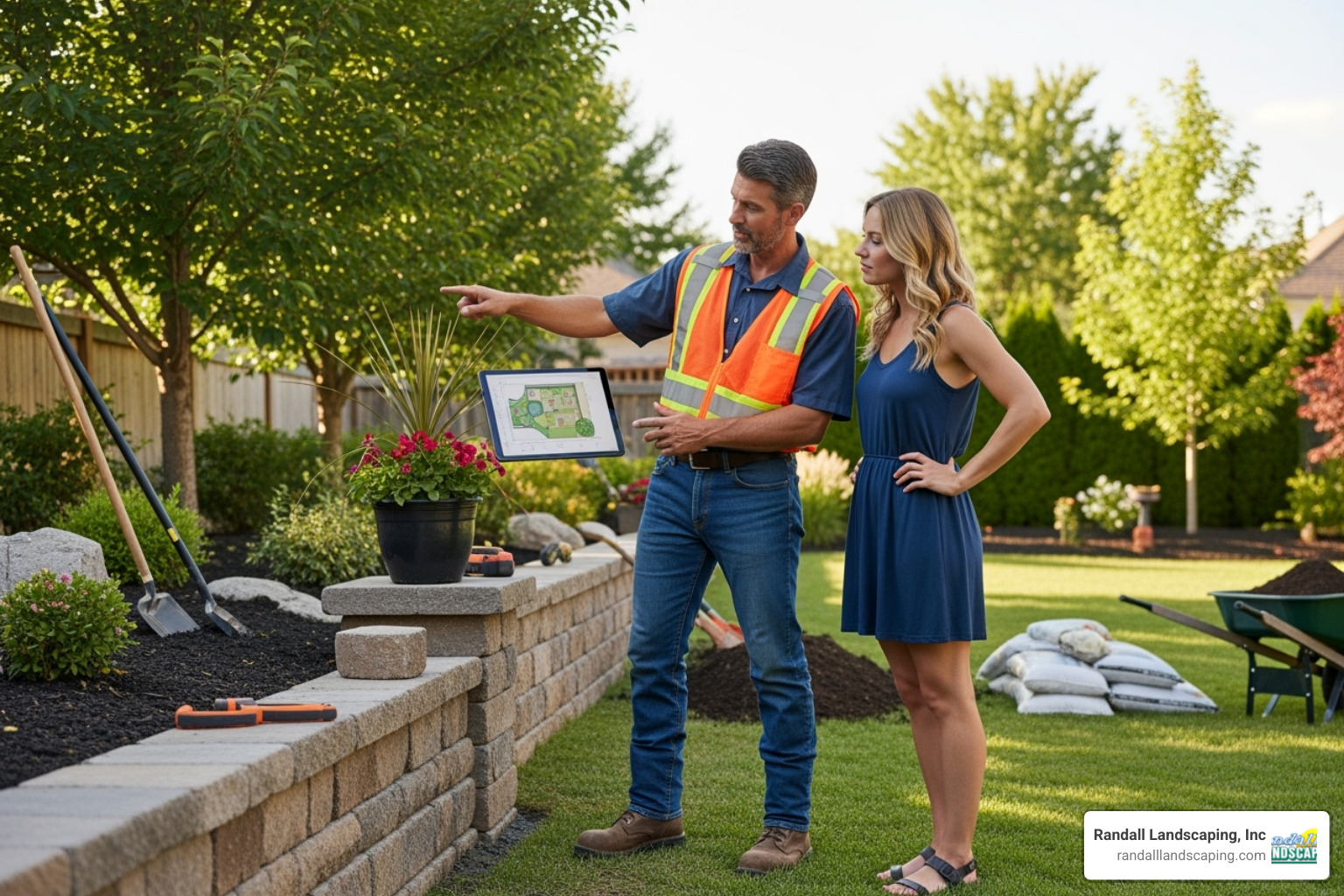
Choosing the right retaining wall builders is the most critical decision you’ll make. A thorough vetting process helps you avoid costly disasters and find a professional who will deliver lasting results. Our Hardscape Companies guide offers more insight into what makes a contractor exceptional.
Where to Find Potential Retaining Wall Builders
Start your search with trusted sources:
- Referrals: Friends, family, and neighbors provide recommendations based on real experiences.
- Online Searches: Use terms like “retaining wall builders near me” to find local contractors. A professional website often reflects their quality of work.
- Landscape Supply Centers: Staff at these businesses know which contractors consistently deliver quality work and buy premium materials.
- Online Reviews: Look for patterns in feedback. Our Customer Reviews page shows the kind of consistent feedback you should look for.
Essential Credentials to Verify
Once you have a shortlist, verify these credentials. This is your protection against liability and poor workmanship.
- Licensing: A legitimate contractor will provide their license number for you to verify with local authorities.
- General Liability Insurance: Request a certificate of insurance directly from their provider to protect yourself from accidents.
- Worker’s Compensation: If the contractor has employees, this is critical. You could be liable for on-site injuries without it.
- Portfolio: Quality builders are eager to share photos and addresses of completed projects.
- References: Contact recent clients and ask about communication, timeliness, and budget adherence.
Key Questions to Ask Potential Retaining Wall Builders
When interviewing contractors, ask these questions to identify true professionals:
- How do you handle local soil and climate? In the Merrimack Valley, we have challenging soil and freeze-thaw cycles. A pro will have a specific plan.
- What is your drainage plan? This is critical. They should clearly explain their use of gravel backfill, drainage pipes, and weep holes. Vague answers are a red flag.
- What is the project timeline? Get a realistic schedule and understand potential delays. Be wary of unusually fast promises.
- What does your warranty cover? Ask for specifics on coverage and duration. The best builders stand behind their work.
- Where do you source your materials? This impacts quality and cost. For technical details, the National Concrete Masonry Association is a good resource.
- Will you provide an itemized quote? A detailed quote separating materials, labor, and other fees allows for fair comparison and prevents surprise charges.
Step 4: Navigating Permits and the Construction Process
After selecting your retaining wall builders, the project moves into the construction phase. Understanding the permit process and construction steps ensures your project runs smoothly. Our experienced Hardscape Landscapers handle these details to make the process seamless for clients.
Permits are not just red tape; they protect you by ensuring your wall meets local safety standards. While your contractor should guide you, knowing what to expect is helpful.
Understanding Local Permit Requirements
Permit rules vary by town, even within the Merrimack Valley and Southern New Hampshire. What’s required in Amesbury might differ from rules in Atkinson.
- Wall height is the main trigger. Most towns require permits for walls over 3 to 4 feet tall.
- Surcharges (added weight from a driveway or steep slope above the wall) often trigger permit requirements regardless of height.
- Property lines can also affect permit needs.
- Engineering drawings are usually required for taller walls to prove the design is safe and can handle soil and water pressure.
Your retaining wall builders should know local regulations. For general information, you can consult resources like this guidance document, but always confirm with your local building department.
The Typical Retaining Wall Construction Steps
Professional retaining wall builders follow a precise process. Each step is crucial for the wall’s integrity:
- Site Excavation: The crew digs a trench for the wall’s base and creates space behind it for drainage materials.
- Base Preparation: A critical step where a layer of compacted gravel is laid to create a level, stable foundation that won’t shift.
- Laying the First Course: The initial row of blocks or stones is laid with absolute precision, as it dictates the alignment of the entire wall.
- Installing Drainage Systems: Perforated pipes are placed behind the first course, and the area behind the wall is filled with clean gravel. This prevents water pressure buildup, the primary cause of wall failure.
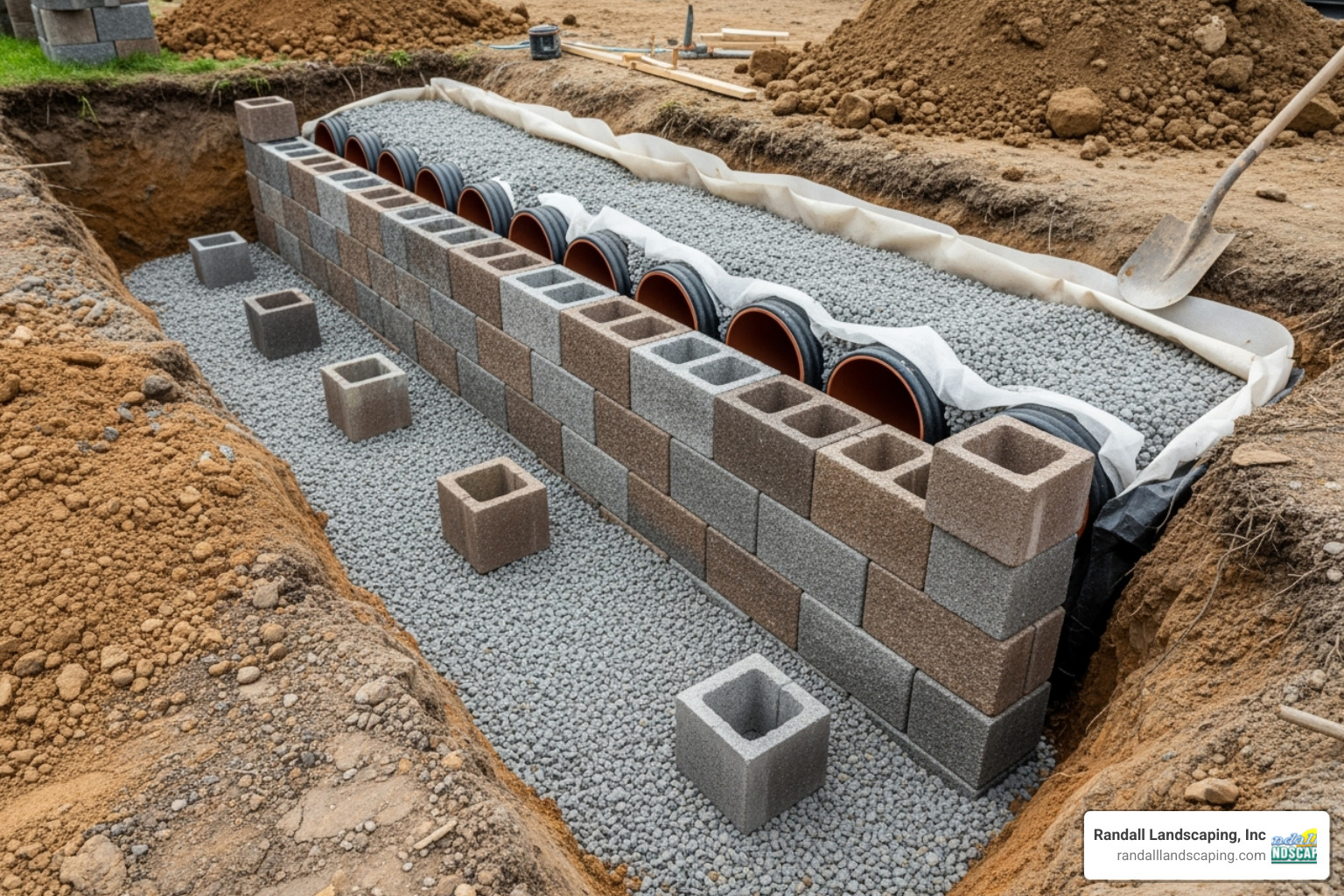
- Stacking Subsequent Courses: Subsequent rows are added, often with a slight setback for stability. For taller walls, geogrid reinforcement is layered in to anchor the wall to the soil behind it.
- Finishing Touches: Capstones are added for a polished look, and the surrounding area is graded for proper water flow and a clean finish.
Attention to detail at every stage is what separates a wall that lasts for decades from one that fails. This is why choosing experienced retaining wall builders is so important.
Frequently Asked Questions About Retaining Walls
As a long-time landscaping professional in Massachusetts and New Hampshire, I’ve heard almost every question about retaining walls. Here are answers to some of the most common concerns people have when hiring retaining wall builders.
How long will my retaining wall last?
This depends heavily on the material and, most importantly, the quality of the installation. A poorly built wall will fail quickly, regardless of the material.
- Timber: 20-40 years. Susceptible to rot and insects in our New England weather.
- Concrete Blocks: 50-100 years. A durable workhorse when installed correctly.
- Poured Concrete: 50-100 years. Incredibly strong when properly reinforced.
- Natural Stone: 100+ years. The champion of longevity, these walls can last for generations.
The installation is more important than the material. I’ve seen expensive stone walls fail due to poor drainage and well-built block walls that will last a lifetime. The difference is always proper foundation, drainage, and construction.
Can I build a retaining wall myself?
For a small, decorative garden wall under 2 feet high, a skilled DIYer might be successful. However, for any structural wall holding back soil, I strongly recommend hiring professional retaining wall builders.
Here’s why:
- Safety: A failing wall can collapse, causing serious injury or property damage.
- Engineering: Walls over 3-4 feet tall require complex engineering to handle soil pressure and often need permits with professional drawings.
- Drainage: This is the most common point of failure for DIY walls. Without a proper drainage system, water pressure will destroy the wall over time.
- Labor & Equipment: Building a wall involves moving tons of material and requires specialized tools for proper excavation and compaction.
The money you might save on a DIY project can be quickly lost if the wall fails and needs a professional rebuild. Hiring a pro provides peace of mind that it’s done right the first time.
What is the most critical part of building a retaining wall?
Without a doubt, the most critical element is proper drainage. More walls fail from poor water management than any other cause. When water soaks the soil behind a wall and can’t escape, it creates immense hydrostatic pressure that can cause even the strongest walls to bow, crack, or collapse.
An effective drainage system, installed by professional retaining wall builders, includes:
- A Compacted Gravel Base: Provides a stable foundation and allows water to drain from the bottom.
- A Gravel Backfill Zone: A layer of clean gravel behind the wall creates a channel for water to flow down freely.
- Perforated Drainage Pipes: These pipes (or French drains) collect water from the gravel zone and carry it safely away.
- Geogrid Reinforcement: On taller walls, these mesh layers anchor the wall to the soil, increasing its strength against pressure.
Excellent materials and craftsmanship are wasted without a professional drainage plan. It is the key to a long-lasting wall.
Conclusion
Choosing the right retaining wall builders is a crucial investment in your home’s long-term value and enjoyment. This guide has covered the essential steps: defining your project, budgeting, vetting contractors, and navigating the construction process.
The most important takeaway is that professional installation and proper drainage are what separate a wall that lasts for decades from one that fails in a few years. A well-built wall solves problems like erosion and unusable slopes, changing your property and increasing its value.
At Randall Landscaping, Inc., we bring our commitment to quality and reliability to every project in the Merrimack Valley and Southern New Hampshire. From Amesbury to Salem, we have the local experience to build retaining walls that stand the test of time. A professionally installed wall means peace of mind—no worrying about structural failures, just a beautiful, functional landscape you can enjoy for years.
Ready to transform your property? Contact Us today to discuss how our professional retaining wall services can help. Choosing experienced retaining wall builders is a decision you’ll appreciate for decades.