

Why Your Garden Needs the Power of Organic Mulch
Organic mulch benefits are the foundation of a healthier, more sustainable garden. Here’s what you need to know:
- Conserves soil moisture by reducing evaporation, meaning less watering
- Regulates soil temperature, keeping roots cooler in summer and warmer in winter
- Suppresses weeds naturally by blocking sunlight and preventing seed germination
- Enriches your soil as it breaks down, adding nutrients and improving structure
- Prevents erosion and protects against soil-borne diseases
- Supports beneficial organisms like earthworms and helpful microbes
If you’re a busy homeowner in Southern New Hampshire, you know the struggle. You want a beautiful yard, but between work, family, and everything else on your plate, who has time for constant weeding, watering, and soil amendments?
Here’s the good news: organic mulch is your garden’s secret weapon. It’s a simple layer of natural material—like bark, wood chips, or shredded leaves—that does the heavy lifting for you. While you’re handling everything else in life, mulch is working 24/7 to retain moisture, block weeds, feed your soil, and protect your plants from temperature swings.
The best part? It gets better over time. Unlike synthetic alternatives, organic mulch breaks down naturally, changing into rich organic matter that improves your soil year after year. It’s low-maintenance landscaping at its finest.
I’m Tommy Randall, and I’ve been changing outdoor spaces across Massachusetts and New Hampshire since 2006. Over nearly two decades, I’ve seen how organic mulch benefits go beyond aesthetics—they create thriving gardens that require less work and deliver better results.
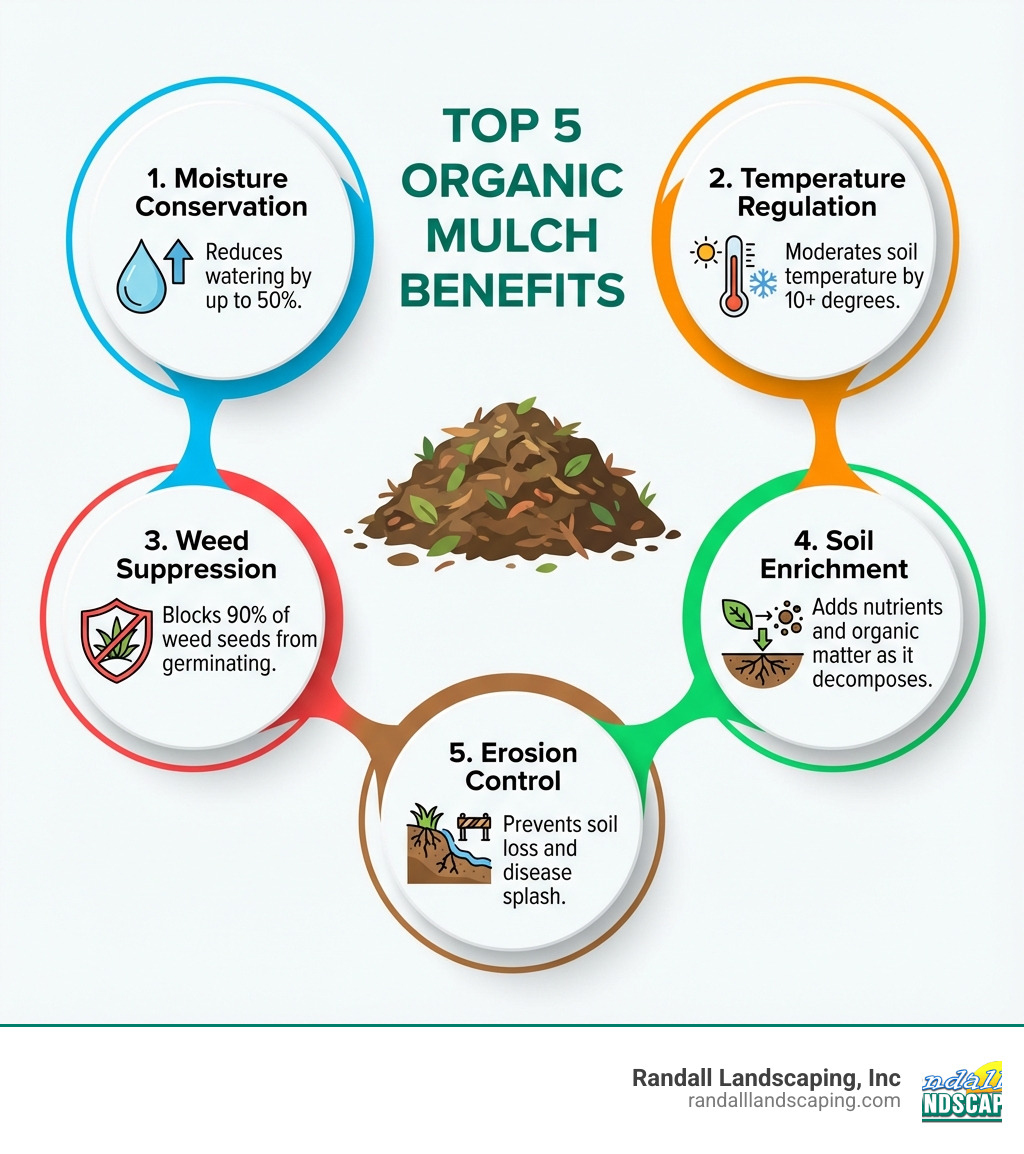
Organic mulch benefits terms at a glance:
What is Organic Mulch and How Does It Differ from Inorganic?
At its heart, mulch is simply a protective layer of material spread over the soil surface. This covering influences soil characteristics and plant growth. When we talk about organic mulch, we’re referring to materials that were once living and will, over time, decompose and become part of the soil. Think of things like wood chips, bark, shredded leaves, straw, or compost. These materials are natural, biodegradable, and actively contribute to the health of your garden. They’re like a slow-release vitamin for your soil!
In contrast, inorganic mulch consists of non-living, non-biodegradable materials. Common examples include stones, gravel, brick chips, rubber mulch, and plastic sheeting. These materials don’t break down, so they don’t add nutrients or organic matter to the soil. Their benefits primarily revolve around longevity, aesthetics, and forming a physical barrier.
The key difference lies in their interaction with the soil. Organic mulches are dynamic; they’re constantly working with the soil ecosystem. Inorganic mulches are more static, providing a barrier but not actively improving the soil’s composition.
Here’s a quick comparison to help you see the distinctions:
| Feature | Organic Mulch | Inorganic Mulch |
|---|---|---|
| Materials | Wood chips, bark, leaves, straw, compost, grass clippings, pine needles | Rocks, gravel, brick chips, rubber, plastic sheeting, landscape fabric |
| Decomposition | Yes, breaks down over time | No, remains intact |
| Soil Impact | Enriches soil with nutrients, improves structure, boosts microbial activity | No direct nutrient addition, can alter soil temperature (e.g., plastic) |
| Longevity | Needs regular replenishment (1-2 years) | Very long-lasting (10-20 years or more) |
| Moisture | Excellent moisture retention | Can retain moisture, but some (like plastic) can hinder infiltration |
| Weed Control | Blocks light, smothers seeds, easier to replenish | Physical barrier, can be difficult to remove weeds that grow on top |
| Cost | Generally lower per cubic yard (average costs range from $20-$110)* | Higher upfront cost (average costs range from $50-$400)*, but less frequent replacement |
| Aesthetics | Natural, rustic look | Modern, minimalist, or decorative |
Please note: These are average cost ranges based on general internet data and do not represent pricing from Randall Landscaping. Actual costs can vary widely based on material, location, and supplier.
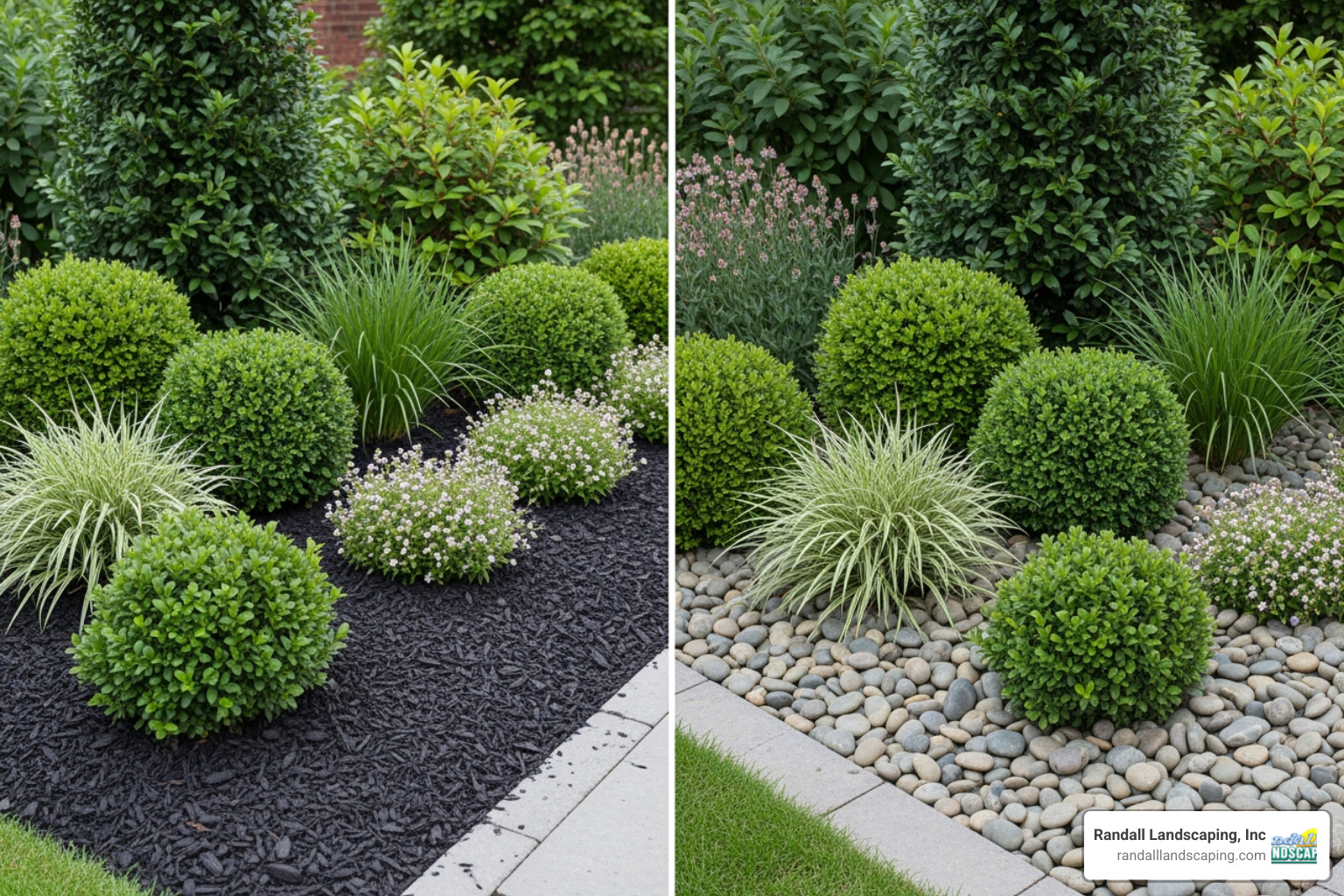
While inorganic mulches have their place, especially in specific landscape designs or for drought-tolerant plants, we often lean towards organic options for their comprehensive benefits to soil and plant health.
The Core Organic Mulch Benefits for Your Garden
Let’s dive deeper into why organic mulch is such a game-changer for your landscape here in the Merrimack Valley and Southern New Hampshire. From keeping your plants hydrated to fending off pesky weeds, the organic mulch benefits are truly extensive.
Superior Soil Moisture Conservation
Imagine your garden soil as a sponge. On a hot, sunny day, without a protective layer, that sponge dries out quickly. Organic mulch acts as a shield, creating a protective barrier on the soil surface that significantly reduces moisture evaporation from heat and wind. This means the water you give your plants, or the rain we receive, stays in the soil longer.
This moisture retention is a huge benefit, especially during dry spells. It allows for reduced watering frequency, cutting down on your water bill and making your plants more drought-tolerant. We’ve seen how effective it is in our local climate, helping plants thrive even when the New England summer tries its best to parch them. Mulch truly holds moisture in the soil, allowing you to cut down dramatically on the frequency and duration of watering. This encourages established plants to be more drought tolerant.
For more on keeping your garden hydrated, check out our moisture-retaining mulch guide. You can also explore various mulches for the landscape to find the best fit for your needs.
Regulating Soil Temperature for Healthier Roots
Just like a good coat keeps you warm in winter and a light jacket keeps you cool in summer, organic mulch provides insulation for your soil. This is one of the most critical organic mulch benefits, especially in our region where temperatures can swing dramatically.
- Summer Cooling: During scorching summer days, mulch keeps the soil surface cooler, protecting delicate plant feeder roots from extreme heat. An MSU study demonstrated that organic mulch can regulate soil temperatures by as much as 18 degrees at mid-day compared to bare soil.
- Winter Protection: When the colder months arrive, mulch helps to moderate soil temperature by trapping residual warmth, protecting roots from freezing temperatures and reducing frost heaving (when plants are pushed out of the ground due to freeze-thaw cycles).
This steady, moderate temperature range promotes healthier root development, allowing your plants to establish more robustly and absorb nutrients more efficiently.
Natural and Effective Weed Suppression
Tired of battling weeds? Organic mulch is your ally! One of the most satisfying organic mulch benefits is its ability to suppress weed growth. It works in a couple of clever ways:
- Blocking Sunlight: A thick layer of mulch creates a physical barrier that blocks sunlight from reaching the soil. Since most weed seeds need light to germinate, this dramatically reduces their ability to sprout.
- Smothering Existing Weeds: For those stubborn weeds that do manage to poke through, a sufficient layer of mulch can smother them, cutting off their light and air supply.
This natural weed control means less time spent on your knees pulling weeds, and less need for chemical herbicides in your garden. It’s a win-win for both you and the environment! Regular mulching with an adequate layer at least 5cm (2in) deep can significantly suppress weed growth.
Find more about how we can help you with mulch for weed control solutions.
A Key Organic Mulch Benefit: Boosting Soil Health and Fertility
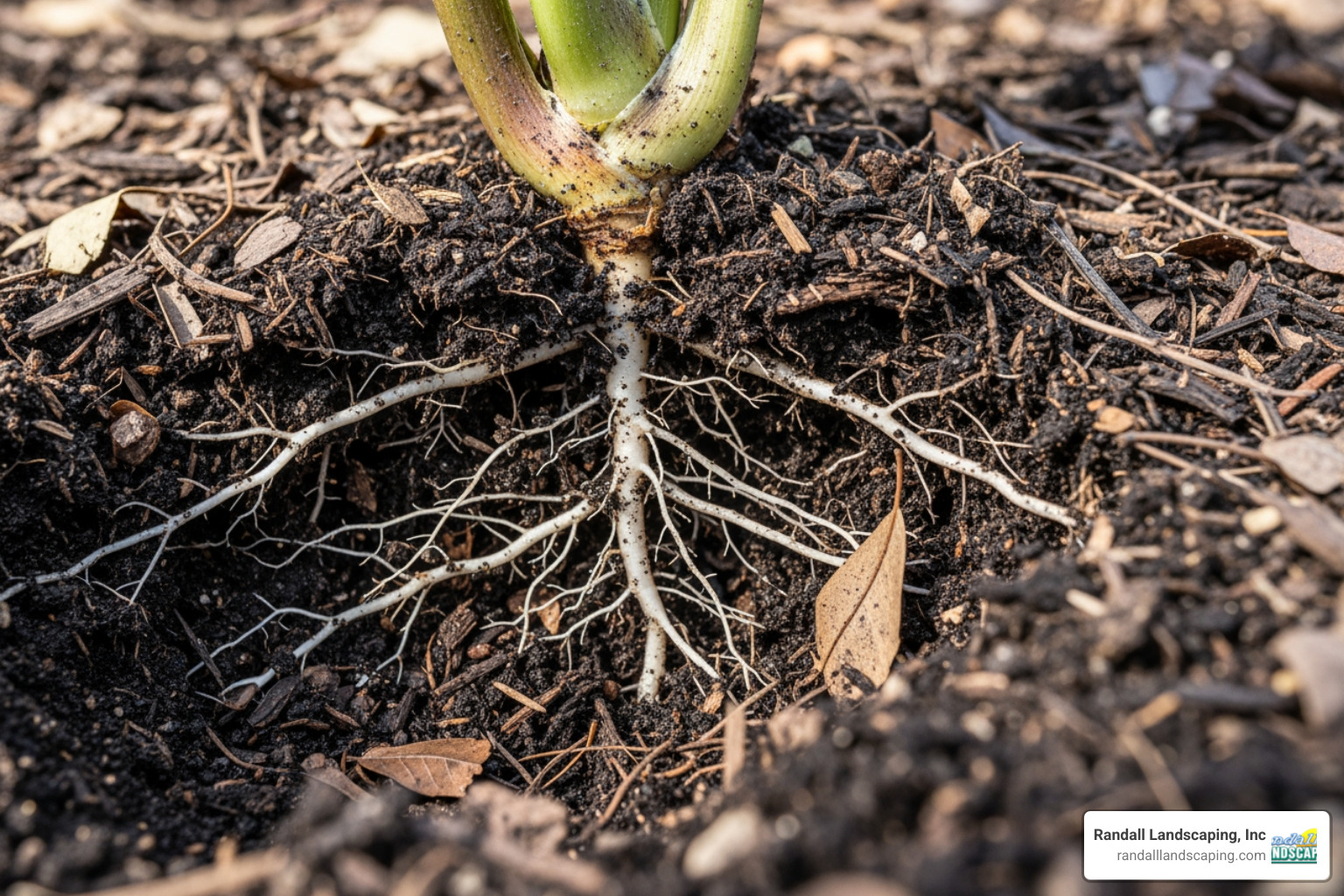
Perhaps the most profound of the organic mulch benefits is its transformative impact on soil health. Unlike inorganic mulches that just sit there, organic materials are constantly breaking down. This decomposition process is a powerhouse of benefits:
- Nutrient Release: As organic mulch breaks down, it gradually releases essential nutrients back into the soil, acting like a natural, slow-release fertilizer. This enriches the soil, providing a steady food source for your plants.
- Soil Food Web: This decomposition also feeds the intricate soil food web. Beneficial microorganisms, fungi, and earthworms thrive in this environment. Earthworms, in particular, are fantastic soil engineers, tunneling through the soil and improving aeration and drainage.
- Improved Soil Structure: The added organic matter improves soil structure. For clay soils, it makes them airier and improves drainage. For sandy soils, it boosts their moisture retention capacity. This creates a healthier, more hospitable environment for plant roots to grow. Healthy soil should ideally contain around 30% organic matter by volume.
Regular mulching with organic matter improves the drainage of clay soils and boosts moisture retention of fast-draining sandy soils. You can learn more about the importance of organic matter: how to use in the garden.
Another Organic Mulch Benefit: Preventing Soil Erosion and Disease
Finally, organic mulch offers crucial protection against the elements and common plant ailments.
- Erosion Control: Mulch acts as a protective shield for the soil surface from runoff and erosion caused by rain or wind. It lessens the impact of raindrops, preventing topsoil from washing away, and keeping valuable nutrients where they belong.
- Soil Compaction: A cushion of organic materials absorbs pressure from foot traffic or heavy rain, reducing soil compaction and maintaining a healthy, aerated environment for roots.
- Disease Suppression: Organic mulches create a physical barrier that helps suppress soil-borne diseases. Many plant diseases live in the soil and can splash onto lower foliage during rain or irrigation. Mulch acts as a shield, preventing this splashing and breaking the disease cycle.
This dual protection keeps your garden looking its best and reduces the need for interventions. For more on protecting your trees, explore our guide on mulching landscape trees.
Choosing and Applying Organic Mulch Like a Pro
Now that we’ve covered the incredible organic mulch benefits, let’s talk about the practicalities: what types are available and how do you apply them correctly for maximum impact?
Common Types of Organic Mulch
The beauty of organic mulch is the variety! Here in the Merrimack Valley and Southern New Hampshire, we have access to several excellent options, each with its unique characteristics.
- Wood Chips: These are a very popular choice, often available from local arborists (sometimes for free via services like GetChipDrop.com) or landscape suppliers. They break down slowly, making them long-lasting for perennial beds and around trees and shrubs. They generally do not rob soil of nitrogen when used as a surface mulch, contrary to popular belief.
- Bark Mulch: Available in various forms (shredded, nuggets, rocks), bark mulch offers a clean, attractive look. Shredded bark tends to interlock, making it less prone to blowing away on windy days. Bark products are usually quite acidic, but typically won’t significantly alter soil pH unless mixed directly into the soil.
- Pine Needles (Pine Straw): These interlock nicely, staying in place on slopes. They decompose slowly and add a subtle, natural acidity to the topsoil, which plants like blueberries love. However, they generally do not significantly alter soil pH.
- Straw and Hay: Often used in vegetable gardens, straw is excellent for keeping soil moist and preventing weeds. Be cautious with hay, as it can contain persistent herbicides that might harm your plants, or weed seeds that will sprout. Always opt for straw over hay if possible, and ensure it’s from a reliable source.
- Grass Clippings: A readily available, free resource! However, they should be applied in very thin layers (less than an inch) to prevent matting, which can repel water and create anaerobic conditions. It’s best to dry them first or mix them with other materials. Avoid clippings from lawns treated with broadleaf herbicides.
- Shredded Leaves: Nature’s perfect mulch! Easily collected in the fall, shredded leaves decompose quickly, adding rich organic matter and nutrients to the soil. They’re excellent for annual and vegetable beds.
- Compost: While valuable as a soil amendment, compost can also be used as a mulch. It’s nutrient-dense and improves soil structure quickly.
Choosing the right type depends on your aesthetic preferences, the plants you’re mulching, and your budget. For help finding the perfect fit for your edibles, consider our guide on the best mulch for your vegetable garden.
Compost vs. Other Mulches: What’s the Difference?
You might hear “compost” and “mulch” used interchangeably, but there’s a subtle yet important distinction, especially when considering organic mulch benefits.
- Compost as Mulch: Compost is a nutrient-rich, decomposed organic material. When used as mulch, it provides all the benefits of other organic mulches (moisture retention, weed suppression, temperature regulation) but also delivers a powerful boost of nutrients and beneficial microbes directly to the soil. It’s like a superfood for your garden! However, because it’s so rich, it tends to decompose faster than coarser mulches like wood chips.
- Other Organic Mulches: Materials like bark, wood chips, and pine needles are primarily used for their protective and soil-improving qualities as they slowly break down. While they do add some nutrients, their main role is structural and insulating.
Think of it this way: compost is an excellent soil amendment that can double as a mulch, while other organic mulches are primarily protective layers that gradually amend the soil. Many gardeners apply a layer of compost first, then top it with a coarser organic mulch to get the best of both worlds – the nutrient boost from the compost and the longer-lasting protection from the mulch.
Want to learn more about making your own garden gold? Check out our Backyard Composting Guide.
Best Practices for Mulch Application
Applying mulch correctly is just as important as choosing the right kind. Improper application can negate the organic mulch benefits or even harm your plants.
- Timing is Key: We recommend applying mulch annually in late winter or early spring, before weed seeds start to germinate and while the soil is sufficiently damp but not frozen or squelchy. This timing allows the soil to warm up naturally before being insulated. For annuals, wait until the soil has warmed.
- Prepare the Ground: Before mulching, ensure the area is free of weeds, especially perennial ones. If you’re applying over existing organic mulch, there’s usually no need to remove the old layer as it will have largely decomposed and enriched the soil.
- Application Depth: The “sweet spot” for most organic mulches is a 2- to 4-inch layer. If using finely textured mulch, 1-2 inches may suffice. For coarser materials like wood chips, aim for 2-4 inches. A layer at least 5cm (2in) deep is essential for effectiveness.
- Avoid “Mulch Volcanoes”: This is a critical mistake we see too often! Piling mulch high against the trunk of a tree or shrub creates a “mulch volcano.” This can trap moisture against the bark, leading to rot, fungal diseases, and providing shelter for pests like voles. It also covers the tree’s root flare, which should be exposed. Always keep a 2- to 4-inch mulch-free circle around the base of woody stems and tree trunks.
- Expand Your Mulch Beds: For trees, extend the mulch out to the drip line (the edge of the tree’s canopy) or even further. This protects the entire root system, which often extends well beyond the canopy.
- Don’t Smother Small Plants: While mulch is great for weeds, be mindful of delicate annuals and perennials. Don’t pile mulch directly over their crowns, which can smother them.
- Consider Our Professional Services: If you’re uncertain about the best application for your landscape, or have a large area to cover, our team is here to help! We can handle even large-scale soil and mulch installations, ensuring proper depth and placement. Explore our professional mulch installation services.
Potential Drawbacks and How to Avoid Them
While the organic mulch benefits are immense, it’s important to be aware of potential drawbacks. Like any gardening practice, mulching has its nuances.
- Pest Attraction: A thick, constantly wet layer of mulch, especially if piled against plant stems, can create a damp, sheltered environment that attracts slugs, snails, and certain insects. Rodents like voles might also find refuge in overly thick mulch, gnawing on bark or roots.
- Solution: Maintain the recommended 2- to 4-inch depth and keep mulch away from plant stems and tree trunks. If you notice pest activity, temporarily pull back the mulch to allow the area to dry out.
- Nitrogen Depletion (Nitrogen Drawdown): This is a common misconception, but there’s a grain of truth to it. Woody mulches (like fresh wood chips) have a high carbon-to-nitrogen (C:N) ratio. If these materials are mixed into the soil before they’ve fully decomposed, soil microbes will use available nitrogen to break them down, temporarily depleting nitrogen that would otherwise go to your plants.
- Solution: Apply woody mulches on top of the soil; don’t mix them in. As surface mulch, they won’t cause nitrogen drawdown. As they decompose on the surface, they release nutrients. If you’re concerned, a light application of a balanced fertilizer before mulching can help.
- Herbicide Contamination: This is a serious, though less common, issue. Some organic materials, particularly hay or composted manure, can be contaminated with persistent herbicides that can damage or kill your plants.
- Solution: Source your organic mulches from reputable suppliers. If using hay or manure, ask about its origin and if any herbicides were used. If unsure, perform a germination test with sensitive seeds before widespread application. Learn from others’ mistakes and read about this killer compost experience.
- Spreading Disease: While studies generally indicate that diseased mulch does not spread disease to healthy plants, uncomposted organic materials could potentially harbor certain pathogens if not properly managed.
- Solution: Opt for aged or composted mulches, especially if you’re concerned. Composting processes generate high heat (often above 130°F), which kills most weed seeds and plant disease organisms.
- Over-mulching: Too much of a good thing can be, well, too much! An excessively thick layer of mulch (more than 4 inches) can lead to:
- Hydrophobicity: The top layer can dry out and become matted, repelling water rather than allowing it to penetrate the soil.
- Root Suffocation: It can prevent oxygen from reaching plant roots, leading to stress.
- Shallow Rooting: Plants may develop roots in the moist mulch layer rather than deep in the soil, making them more vulnerable to drought.
- Solution: Stick to the recommended 2- to 4-inch depth. If your mulch becomes hydrophobic, gently rake it to break up the matted layer and allow water penetration.
By being mindful of these potential issues and following best practices, you can maximize the organic mulch benefits and create a thriving, low-maintenance landscape. For truly worry-free mulching, consider our eco-friendly mulch options and professional installation.
Frequently Asked Questions about Organic Mulch
We often get questions from homeowners in our service areas of Methuen, Lawrence, Haverhill, and beyond, about the practical aspects of using organic mulch. Here are some of the most common ones:
How often should I reapply organic mulch?
Organic mulch is designed to decompose, which is part of its magic in enriching your soil. This means it will gradually break down and disappear over time. We generally recommend inspecting your mulch layers annually, typically in the spring.
If the layer has thinned to less than 2 inches, it’s time to top it up. For most organic mulches like wood chips or shredded bark, you might need to add a fresh layer of about 1 inch each year or every other year to maintain the optimal 2-4 inch depth. Materials like shredded leaves or grass clippings decompose faster and might require more frequent replenishment, while coarser bark nuggets will last longer. Regular mulching annually with a layer at least 5cm (2in) deep keeps soil, and the plants growing in it, healthy.
Will organic mulch attract termites to my house?
This is a common concern, and it’s understandable! Termites are attracted to wood and moisture. While organic mulches like wood chips are indeed wood-based, they typically don’t pose a significant risk of attracting termites to your home if applied correctly.
The key is proper application:
- Distance from Foundation: Always keep organic mulch at least 6 to 12 inches away from your home’s foundation. This creates a dry, clear zone that discourages termites from bridging from the ground to your house structure.
- Moisture Control: Avoid overwatering mulched areas directly adjacent to your home. Mulch’s moisture-retaining properties are great for plants, but you don’t want excess dampness right next to your house.
- Regular Inspection: Periodically inspect your foundation for any signs of termite activity.
Termites are generally more attracted to moist, decaying wood that is in direct contact with the house structure. By maintaining a buffer zone, you can enjoy the organic mulch benefits without undue worry.
Can I use wood chips from a diseased tree as mulch?
This is another excellent question! It’s a common misconception that wood chips from a diseased tree will spread that disease to other plants in your garden. However, most studies indicate that diseased mulch does not spread the disease. This is because:
- Pathogen Breakdown: The pathogens that cause plant diseases typically require specific living plant tissue to survive and reproduce. Once the tree material is chipped and begins to decompose, these pathogens usually die off quickly.
- Soil Microbes: The diverse microbial community in healthy soil helps to break down and neutralize many pathogens.
- Limited Transfer: Most tree diseases are specific to certain tree species and are not easily transferred to other plant types (e.g., a disease affecting an oak tree is unlikely to harm your rose bushes).
So, generally, using wood chips from a diseased tree as mulch is considered safe for your garden. However, if you are concerned about a specific, highly aggressive disease (like Sudden Oak Death), it’s always wise to err on the side of caution or consult with an arborist. When sourcing wood chips, especially from local tree services, it’s often best to let them age for a few months before applying them, as this further reduces any potential risk and allows some initial decomposition to occur.
Transform Your Garden with the Power of Mulch
As we’ve explored, the organic mulch benefits are truly transformative for any garden or landscape. From conserving precious water and moderating soil temperatures to suppressing relentless weeds and enriching your soil, organic mulch is an unsung hero in sustainable gardening. It fosters a vibrant soil ecosystem, protects your plants from disease and erosion, and ultimately reduces the amount of work you have to do in your yard.
In our nearly two decades of experience here at Randall Landscaping, serving communities like Atkinson, Plaistow, Windham, and Londonderry, we’ve seen how a consistent approach to organic mulching leads to healthier, more resilient, and more beautiful landscapes. It’s a simple, eco-friendly practice that yields long-term rewards, supporting both your plants and the environment.
Ready to open up the full potential of your garden with the power of organic mulch? For professional results and high-quality materials, explore our mulch installation services. We’re here to help you create the thriving, low-maintenance garden you’ve always dreamed of.