Curb Appeal Landscapes: How to Make Your Front Yard Welcoming
What Are Curb Appeal Landscapes (And Why Your Front Yard Matters)
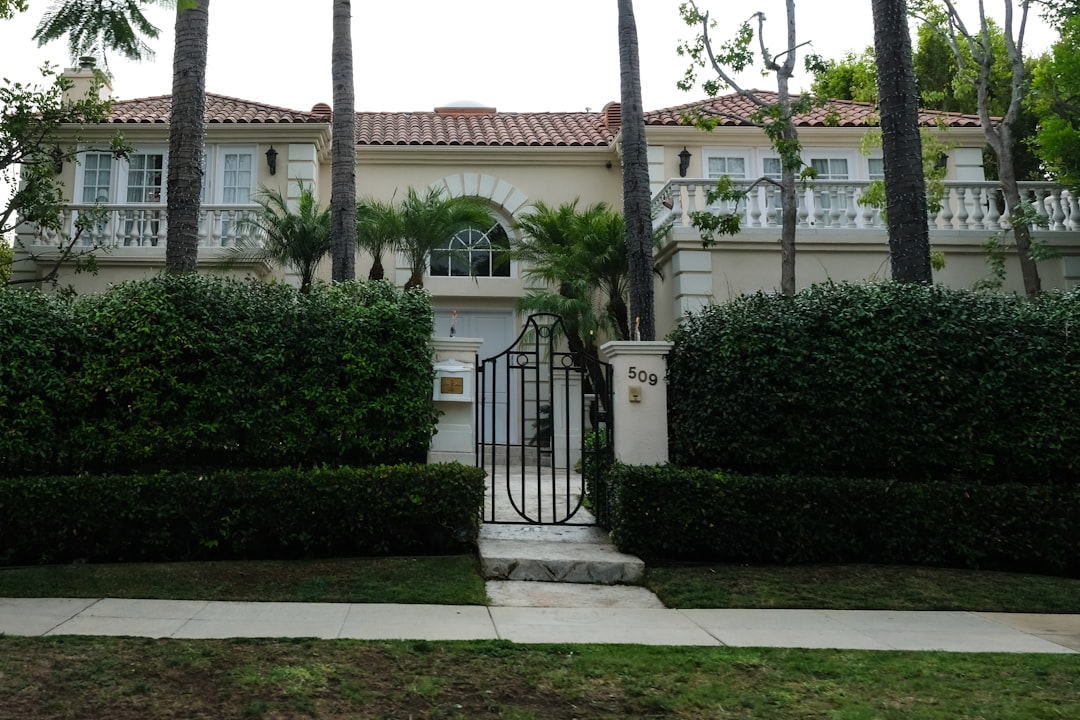
Curb appeal landscapes are the first thing anyone notices about your home, before they ring the doorbell, before they step inside, before they form any other opinion.
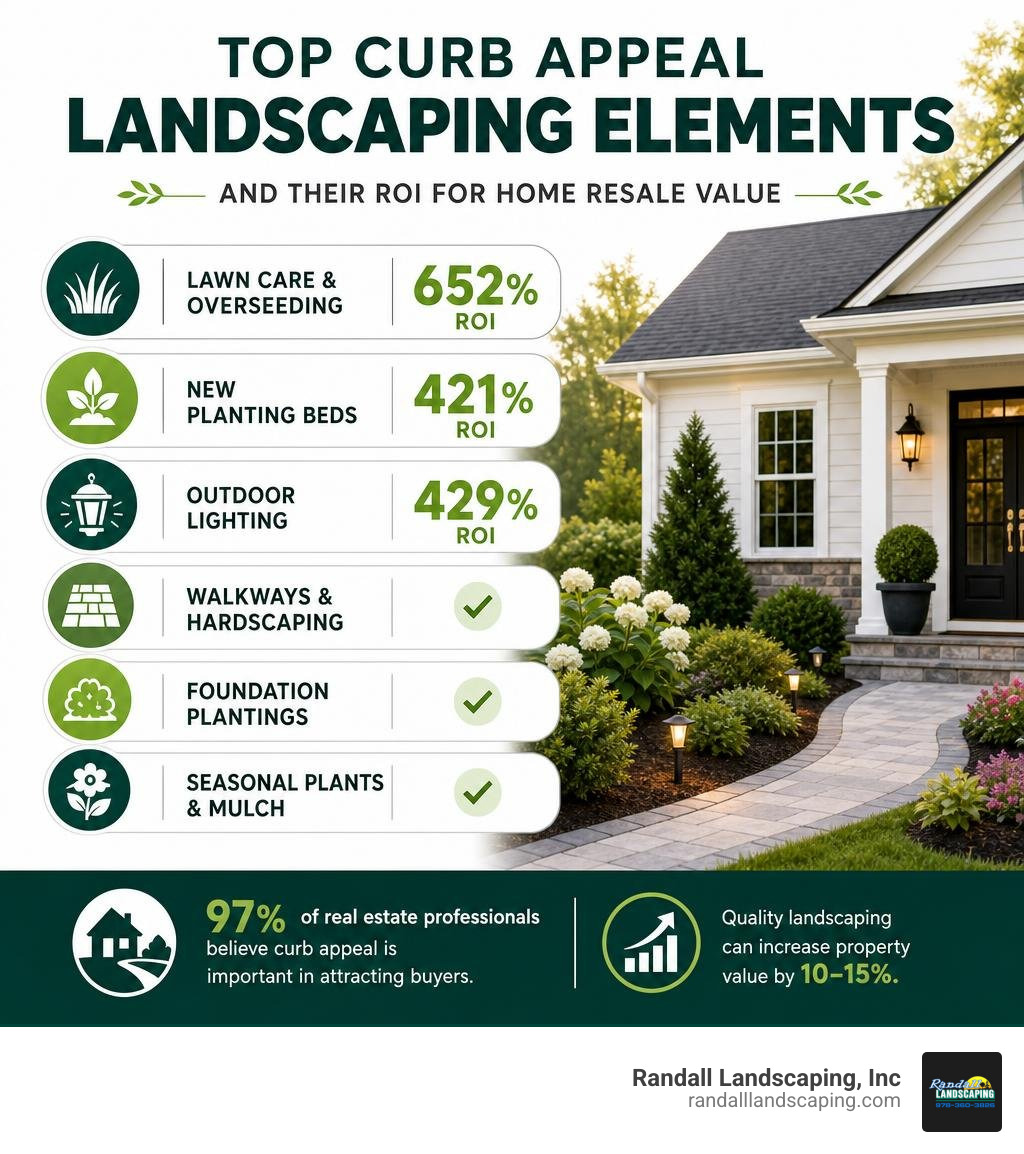
Here's a quick overview of the most impactful curb appeal landscaping elements:
| Element | Why It Matters |
|---|---|
| Lawn care & overseeding | Returns up to 652% ROI at resale |
| New planting beds | Returns up to 421% ROI at resale |
| Outdoor lighting | Returns up to 429% ROI at resale |
| Walkways & hardscaping | Guides visitors and frames the entry |
| Foundation plantings | Connects the house to the landscape |
| Seasonal plants & mulch | Keeps the yard looking sharp year-round |
The numbers back it up. According to real estate research, 97% of real estate professionals believe curb appeal is important in attracting buyers. Quality landscaping alone can increase property value by 10-15%.
But curb appeal isn't only about selling your home. It's about how your home feels every time you pull into the driveway. A well-designed front yard signals care, intention, and pride of ownership.
The challenge? Most homeowners don't know where to start, or they make small improvements that don't add up to a cohesive look.
I'm Tommy Randall, owner of Randall Landscaping, Inc., and since 2006 I've helped homeowners across Massachusetts and New Hampshire transform their front yards into curb appeal landscapes that look great through every season. In this guide, I'll walk you through exactly what works, from plant selection to hardscaping to lighting.
The Real ROI of Curb Appeal Landscapes
When you invest in your home's exterior, you aren't just spending money on plants and stone; you are actively building equity. Many homeowners focus their renovation budgets entirely on kitchens and bathrooms. However, the psychological and financial impact of a stunning front yard can actually yield a much higher relative return on investment (ROI).
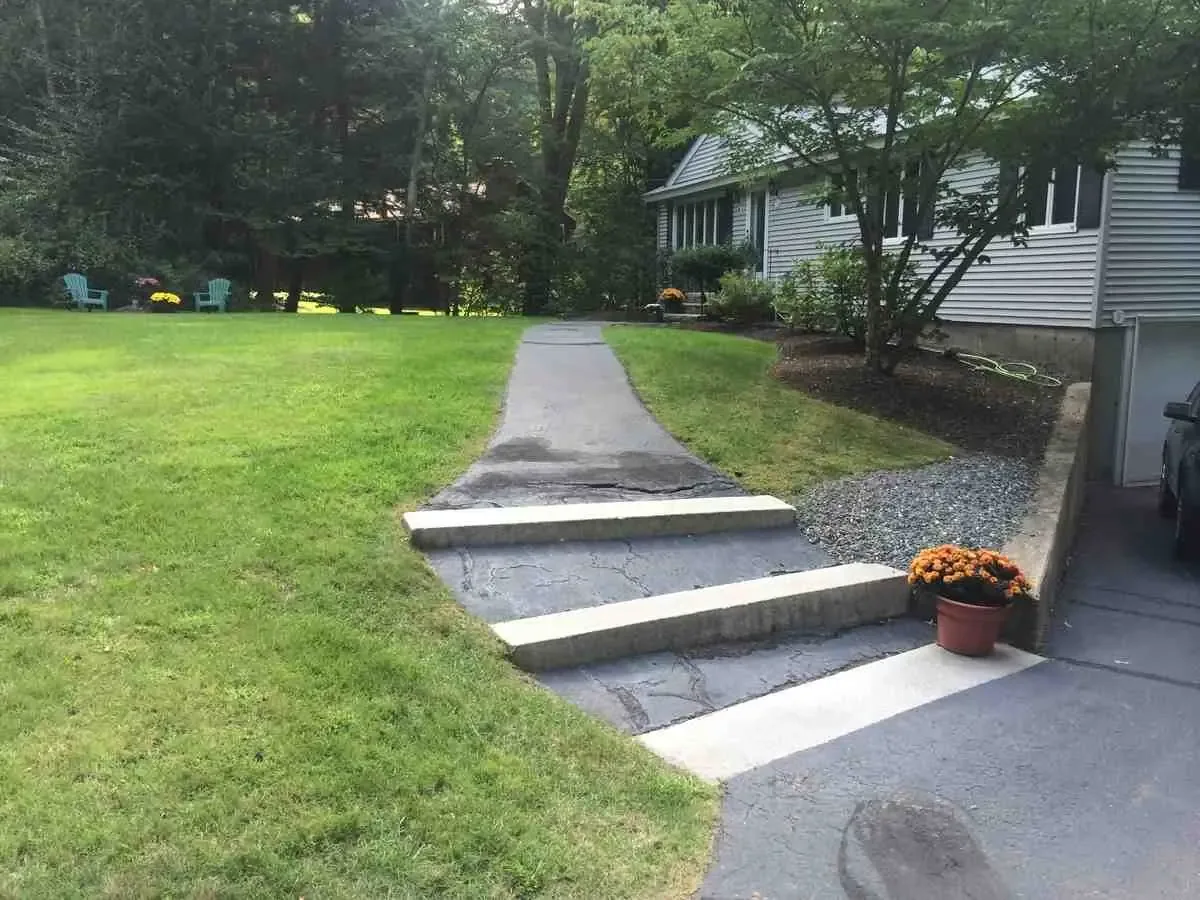
Your front yard is the handshake before the conversation. It sets expectations before anyone steps through the door. If a buyer or visitor sees a patchy lawn, overgrown shrubs blocking the windows, and a cracked concrete walkway, they subconsciously assume the interior of the home has been neglected as well. Conversely, a beautifully manicured landscape creates an immediate sense of trust and premium value. If you are looking for design inspiration, you can explore visual collections like these Pinterest Curb Appeal Ideas to see how homeowners combine green spaces with elegant hardscaping.
To maximize these returns, it helps to understand how professional residential landscaping can be strategically designed to highlight your home’s best architectural features.
The Financial Value of First Impressions
According to the National Association of Realtors, a staggering 92% of realtors recommend that sellers improve their curb appeal before listing their homes for sale. When a property hits the market in areas like Andover, MA, or Windham, NH, homes with high visual appeal consistently command higher offers and sell significantly faster than their neglected neighbors.
A study from the University of Florida found that visual appeal was highest when a landscape featured a thoughtful mix of healthy turf grass and layered ornamental plants. By avoiding a flat, one-dimensional lawn and replacing it with depth, texture, and color, you can increase your overall property value by 10% to 15%. On a $500,000 home, that translates to an extra $50,000 to $75,000 in equity just from the curb!
Average Costs and Investment Returns
Not all outdoor projects are created equal when it comes to financial recovery. Simple, foundational projects often yield the highest percentage returns because they address the core elements of neatness and health.
| Landscaping Project | Average Cost Range | Estimated ROI |
|---|---|---|
| Standard Lawn Care & Overseeding | $150, $1,500 | 652% |
| Outdoor Lighting Installation | $800, $8,000 | 429% |
| New Planting Beds & Shrubs | $1,000, $10,000 | 421% |
Please note that these are average costs based on internet data and not actual costs for Randall Landscaping. Our custom designs and installations are tailored specifically to your unique property, site conditions, and material preferences.
As you can see from the wide pricing ranges above, the cost of these projects depends heavily on the scale of your yard, the mature size of the specimens selected, and the complexity of the installation. Let's break down why these three projects yield such incredible returns:
- Lawn Care & Overseeding (652% ROI): Nothing drags down a home's appearance faster than a brown, weed-choked lawn. Restoring your turf with core aeration, topdressing, and overseeding is relatively inexpensive but completely transforms the "canvas" of your front yard.
- Outdoor Lighting (429% ROI): Low-voltage LED lighting provides safety, but it also creates dramatic architectural interest after dark. Highlighting a beautiful birch tree or casting soft light across a stone walkway makes your home look like a luxury estate at night.
- New Planting Beds (421% ROI): Replacing outdated, overgrown builder-grade shrubs with modern, layered planting beds adds immediate depth and color.
Core Elements of a Welcoming Front Yard Design
Creating an exceptional front yard is not about packing as many flowers and stones into the space as possible. In fact, clutter is the enemy of curb appeal. Great landscape design is rooted in three core principles: neatness, color strategy, and clear hierarchy.

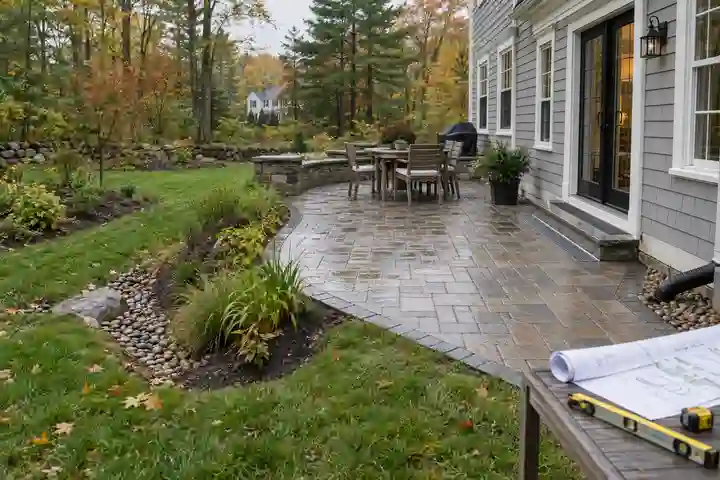
When we design a front yard, we want to create a clear visual pathway that guides a visitor's eye naturally from the street directly to your front door. To achieve this, we balance soft, organic plants with structured, permanent elements by integrating professional hardscaping like stone walls, steps, and walkways.
Designing Curb Appeal Landscapes with the Rule of Threes
To keep your garden beds looking balanced and professional, we use a classic design technique known as the Rule of Threes to layer plants by height. This prevents your landscape from looking flat or chaotic.
- The Background Layer (Structural): This layer consists of larger evergreen shrubs, small ornamental trees (like dwarf conifers or Japanese maples), or taller flowering specimens. These plants should be positioned closest to the house or the back of the bed to frame the architecture.
- The Midstory Layer (Fillers): Positioned in the middle, this layer features medium-sized flowering shrubs, ornamental grasses, and hardy perennials (such as hostas, catmint, or coneflowers) that grow between 2 and 4 feet tall.
- The Foreground Layer (Groundcovers & Edging): This is the front row of your design, sitting closest to your lawn or walkway. We use low-growing perennials, annual flowers, or creeping groundcovers (under 2 feet tall) to soften the edges of the bed.
To make these layers look natural, always plant in odd-numbered groups (3, 5, or 7 of the same variety) rather than single, isolated plants. This creates cohesive sweeps of color and texture rather than a cluttered, polka-dot effect.
Walkways and Entryways that Guide the Eye
Your front walkway is the physical red carpet of your home. A narrow, cracked concrete path that forces visitors to walk single-file does not feel welcoming.
We recommend that main entry walkways be a minimum of 36 inches wide, though 48 inches is ideal, to allow two people to walk comfortably side-by-side. Utilizing high-quality pavers or natural flagstone adds instant luxury. To make your entrance feel even more expansive, we can wrap stone borders and lush plantings around raised concrete stoops to soften those harsh, industrial angles.
If you are looking for layout inspiration to see how a new path can change your home's entire dynamic, check out these front of house landscaping ideas to visualize different entry configurations. Once you have a sense of what you like, we can help you customize a plan that works perfectly for your property's specific grading and style. You can learn more about our process by exploring our general residential landscaping services.
Outdoor Lighting and Finishing Touches
The magic of a great landscape shouldn't disappear when the sun goes down. A well-planned, low-voltage LED lighting system adds safety, security, and unmatched nighttime beauty.
- Path Lighting: Space fixtures 8 to 10 feet apart along your walkway. Avoid the "runway look" of perfectly straight, opposite lines; instead, stagger them side-to-side to create a soft, inviting glow.
- Accent Uplighting: Place small spotlights at the base of architectural features or ornamental trees to cast dramatic shadows and highlight textures.
- House Numbers & Mailboxes: Ensure your house numbers are 4 to 6 inches tall, made of a highly contrasting color, and illuminated so emergency services and guests can easily find you. Upgrading a rotting wooden mailbox post to a clean granite or heavy-duty metal post makes an immediate difference.
- Container Gardens: Flank your front door with two large, matching containers. Using lightweight resin or fiberglass pots allows you to easily swap out seasonal annuals, bright geraniums in summer, mums and cabbages in fall, and evergreen boughs with red berries in winter.
Choosing the Right Plants and Hardscaping for Your Climate
Here in the Merrimack Valley and Southern New Hampshire, stretching from Dracut and Methuen up to Salem and Pelham, our landscapes have to be tough. We experience hot, humid summers and freezing, snowy winters. This means our curb appeal landscapes must be designed with regional hardiness and year-round structure in mind.
Before choosing any plants, we must check our local USDA Hardiness Zone (typically Zone 5b to 6b in our service areas) and conduct a basic soil test to check pH and nutrient levels. Designing a beautiful yard also means designing a smart yard; grouping plants with similar water and light needs together is a core tenet of sustainable landscape design.
Low-Maintenance Curb Appeal Landscapes for Every Season
If your front yard only looks good in June, it’s failing you for the other eleven months of the year. To achieve continuous visual interest without spending every weekend weeding and watering, we focus on native plants and strong winter structures.
- Spring: Incorporate flowering bulbs (like daffodils and alliums) alongside spring-blooming shrubs like lilacs or fothergilla.
- Summer: Lean on drought-tolerant, long-blooming native perennials like black-eyed Susans, purple coneflowers, and catmint.
- Fall: Use ornamental grasses (like feather reed grass) and late-blooming sedum to add movement and rich copper tones.
- Winter: This is where many yards fall flat. We use evergreens like boxwoods, inkberry holly, and dwarf blue spruce to serve as the "bones" of the garden when everything else dies back. Red twig dogwoods add a stunning pop of bright red stems against the white snow.
To keep maintenance to an absolute minimum, we apply a 3-inch layer of fresh double-shredded bark mulch to all planting beds. Mulch suppresses weeds, retains soil moisture, and gives the entire yard a clean, professionally manicured finish.
Integrating Hardscape with Softscape
Hardscape elements provide the physical framework that holds your soft, organic plantings together. Without hardscaping, a garden can easily look like an overgrown meadow.
We use stone retaining walls to tame sloped front yards, creating flat, terraced planting beds that prevent erosion and make planting much easier. Boulders can also be dug into flat lawns to add instant height, texture, and rustic New England charm.
If you are planning an upgrade in Massachusetts, it is highly beneficial to understand how local weather patterns and soil conditions affect material selection. You can read our comprehensive guide on landscape design in Massachusetts to help plan your perfect outdoor oasis.
Common Front Yard Landscaping Mistakes to Avoid
Over the years, we have seen many well-intentioned homeowners make the same easily avoidable mistakes. Here is what you should watch out for when planning your design:
- Overcrowding and Ignoring Mature Size: That cute little shrub you bought at the nursery might grow to be 10 feet wide. Always read the plant tag and space your foundation plantings at least 3 to 4 feet away from your home's foundation and siding. This allows for healthy airflow, prevents mold on your siding, and keeps your windows from being completely swallowed by foliage.
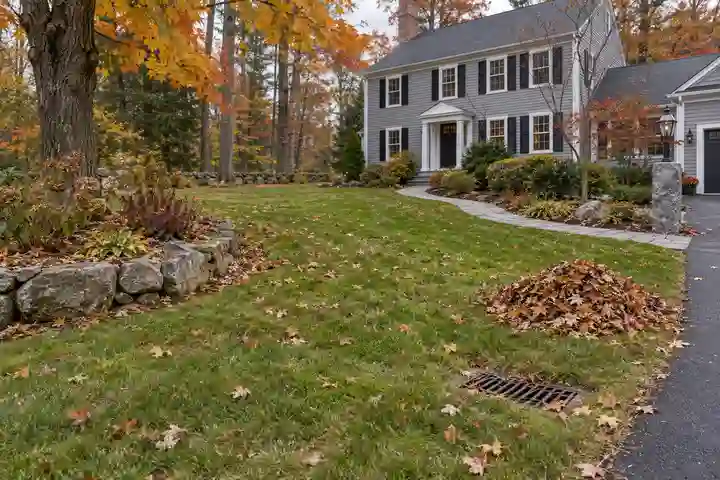
- Skipping Drainage Planning: Downspouts that dump water directly onto your front walkway will cause soil erosion, rot your plants' roots, and create dangerous sheets of ice in the winter. We always recommend connecting downspouts to underground PVC pipes to direct water safely away from your home's foundation and walkways.
- Neglecting Winter Appearance: If your entire front yard consists of hostas, daylilies, and hydrangeas, your yard will look completely bare and empty for six months of the year. Always ensure at least 30% of your plant palette consists of structured evergreens.
- All-or-Nothing Thinking: You don't have to tear up your entire yard in a single weekend. A great landscape can be installed in phases, starting with a clean walkway and lawn restoration, then adding planting beds and lighting as your budget allows.
- Neglecting the Lawn: Beautiful flower beds cannot save a brown, patchy lawn. Regular mowing (keeping your blades set high at 3 to 3.5 inches to shade out crabgrass), seasonal fertilizing, and fall aeration are essential to maintaining a lush, green frame for your home.
Frequently Asked Questions about Curb Appeal Landscapes
How much does it cost to professionally landscape a front yard?
The cost of professional front yard landscaping varies widely depending on the size of your yard, the materials chosen, and the scope of the project.
Please note that these are average costs based on internet data and not actual costs for Randall Landscaping.
- Small-Scale Refresh ($1,500, $5,000): This typically includes re-edging existing beds, installing fresh mulch, planting a few new shrubs and perennials, and basic lawn overseeding.
- Medium-Scale Upgrade ($5,000, $15,000): This often includes a new paver or flagstone walkway, minor grading or a small stone retaining wall, and a complete redesign of your foundation planting beds.
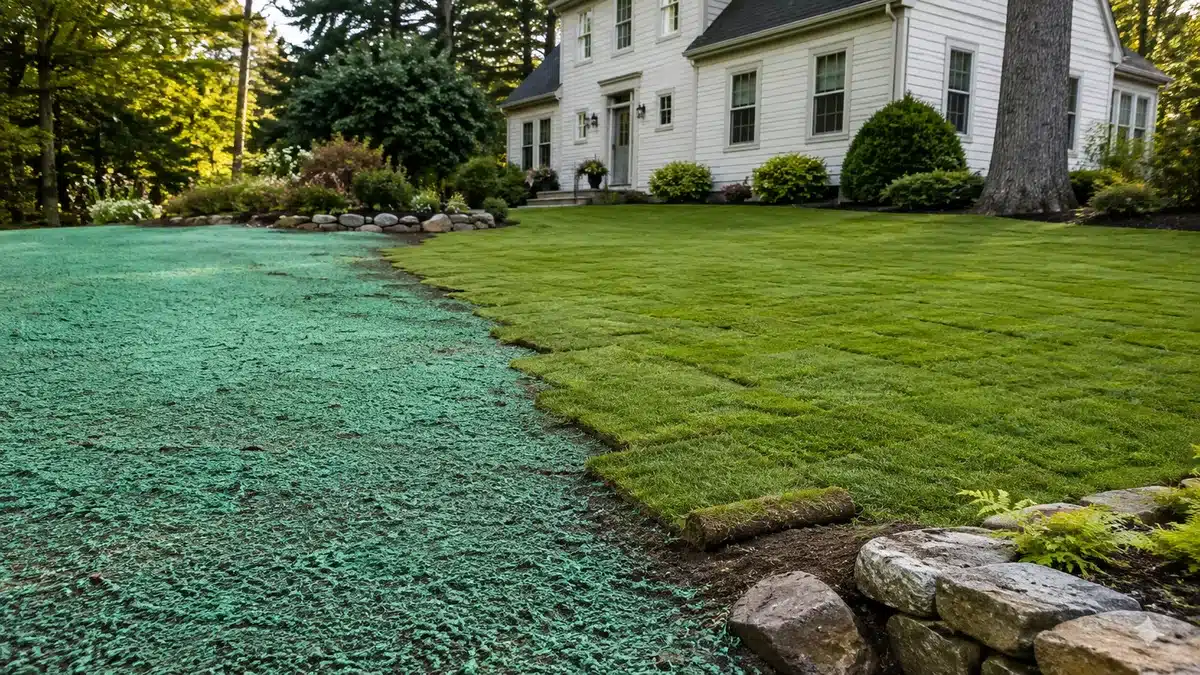
- Large-Scale Transformation ($15,000, $50,000+): A complete overhaul featuring custom masonry, extensive retaining walls, mature tree installations, low-voltage LED lighting systems, and comprehensive sod or hydroseeding installation.
What are the best low-maintenance plants for front yard curb appeal?
For our local climate in New England, we highly recommend the following reliable, low-maintenance options:
- Evergreens: 'Green Velvet' Boxwood, Inkberry Holly, and Dwarf Alberta Spruce.
- Shrubs: Little Lime Hydrangea (sturdier stems than traditional Annabelles) and Spirea.
- Perennials: 'Walker's Low' Catmint (blooms all summer), Purple Coneflower, and 'Karl Foerster' Feather Reed Grass.
- Groundcovers: Creeping Phlox (for a burst of spring color) and Pachysandra for shady areas.
How do I design a front yard that looks good in the winter?
To keep your yard looking attractive during our long New England winters, focus on structural diversity. Combine evergreen shrubs of varying shapes (globes, pyramids, and spreading varieties) with deciduous trees that have interesting bark textures, such as River Birch. Add hardscape elements like stone walls or granite posts that retain their beauty regardless of the temperature, and use uplighting to highlight the silhouette of bare tree branches against the night sky.
Conclusion
Your front yard is the very first thing that welcomes you home at the end of a long day, and it is the single most important factor in your home's first impression. By focusing on clean lines, a structured plant hierarchy, beautiful hardscaping, and proper seasonal planning, you can create a stunning curb appeal landscape that brings joy to your family and adds serious value to your property.
While some simple maintenance tasks can certainly be tackled over a weekend, a truly transformative, long-lasting landscape requires professional planning, proper soil preparation, and expert installation.
At Randall Landscaping, Inc., we have spent two decades building a reputation for unmatched reliability and premium quality throughout the Merrimack Valley and Southern New Hampshire. Whether you are in Boxford, North Andover, Georgetown, or Windham, we are ready to help you bring your dream yard to life.
Ready to make your front yard the envy of the neighborhood? Schedule a consultation with Randall Landscaping today, and let's start planning your custom transformation!