
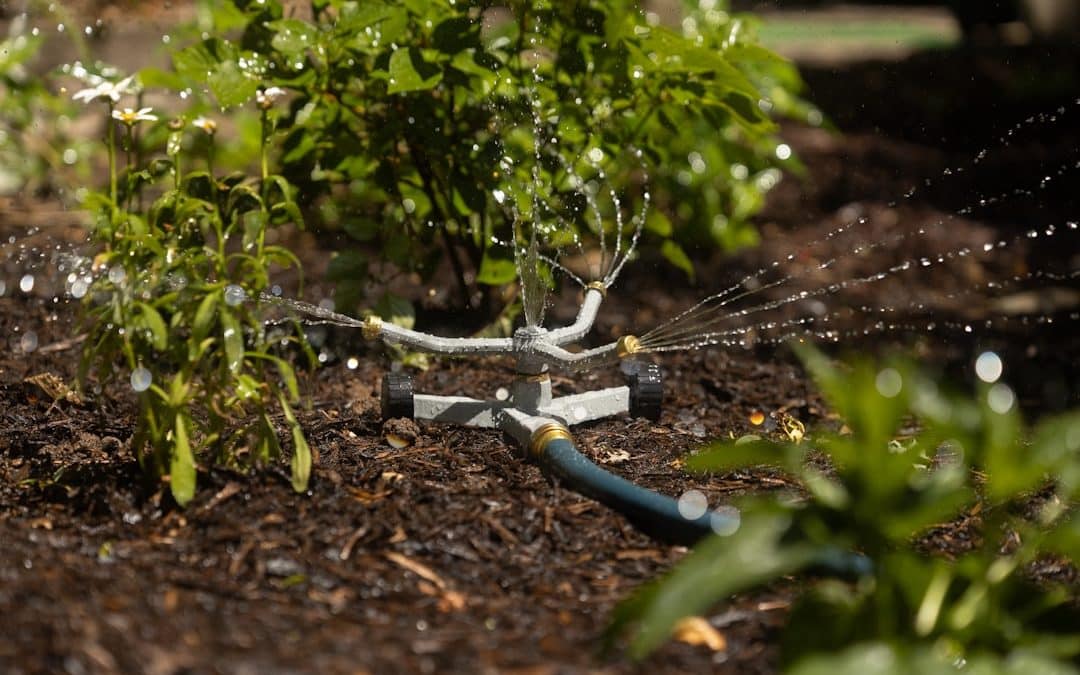
Why an Auto Watering System for Plants Is a Game-Changer for Busy Homeowners
An auto watering system for plants takes the guesswork — and the daily effort — out of keeping your garden healthy.
Here’s how it works at a glance:
- Set it up — connect drip lines, sprinklers, or a reservoir to your plants
- Program a schedule — choose when and how long to water, or let smart sensors decide
- The system waters automatically — no manual effort needed
- Plants get consistent moisture — even when you’re at work, on vacation, or just busy
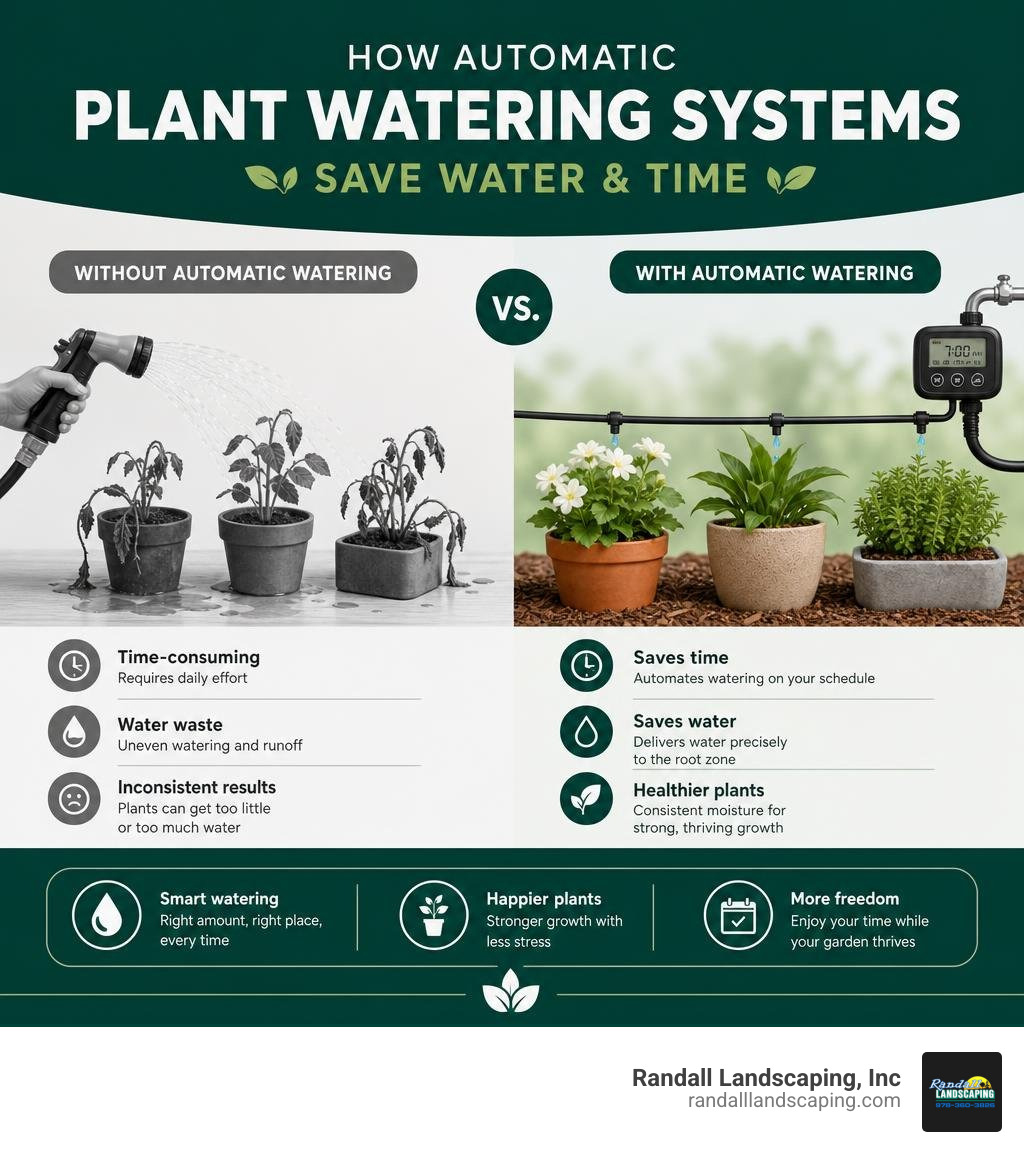
Most systems can reduce outdoor water waste by up to 40–50% compared to hand watering, thanks to precise delivery right at the root zone.
If you’ve ever come home to wilted plants after a busy week, or dragged a hose around your yard every evening after work, you already know the problem. Watering consistently is one of the most time-consuming parts of garden care — and it’s easy to get wrong. Water too little and plants suffer. Water too much and you’re wasting money and risking root rot.
The good news? Automatic watering systems have become more affordable, easier to install, and smarter than ever. Whether you have a few potted plants on a balcony or a full outdoor garden, there’s a solution that fits.
I’m Tommy Randall, owner of Randall Landscaping, Inc., with nearly 20 years of experience designing and installing irrigation systems across Southern New Hampshire and Massachusetts — and helping homeowners find the right auto watering system for plants that fits their yard, their schedule, and their budget. In the sections below, I’ll walk you through everything you need to know to choose and set up the right system.
Auto watering system for plants basics:
What is an Auto Watering System for Plants and How Does It Work?
At its core, an auto watering system for plants is a setup designed to deliver water directly to your plants without requiring you to manually turn on a faucet or hold a hose. These systems range from simple, non-electric gravity setups to highly sophisticated, Wi-Fi-enabled smart systems that adjust their schedules based on real-time weather forecasts.
But how exactly do they work? Most automatic systems rely on three primary components:
- The Controller (or Timer): This acts as the “brain” of the system. You program the times and durations you want your plants watered, and the controller sends an electrical or wireless signal to open the water valves.
- The Valve (or Pump): When the controller gives the signal, a valve opens to let water flow from your home’s outdoor spigot, or a small submersible pump activates inside a water reservoir.
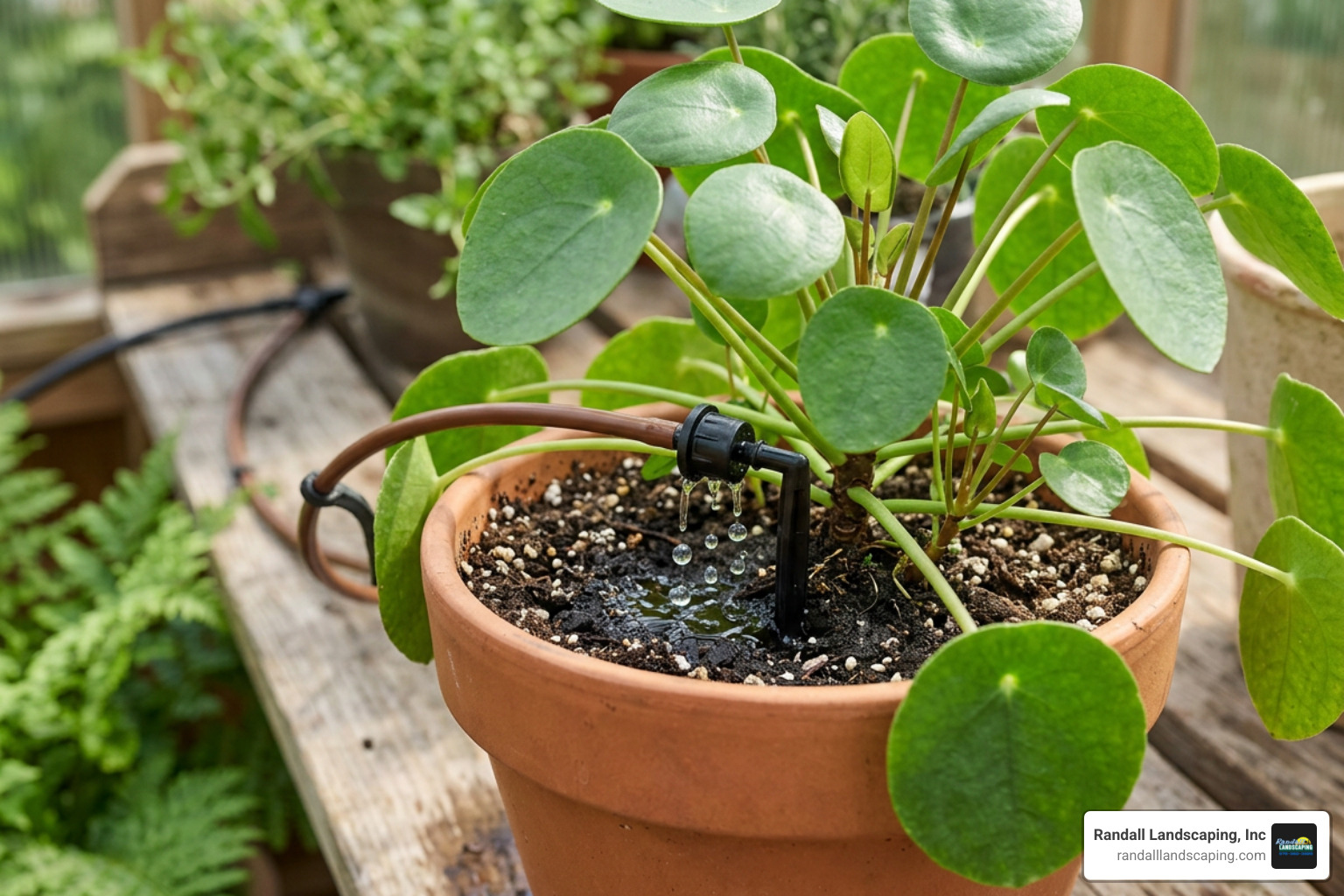
- The Delivery Network: Water travels through flexible tubing or pipes directly to your plants, where it is distributed via drip emitters, micro-sprinklers, or traditional sprinkler heads.
By bypassing manual watering, these systems keep soil moisture levels incredibly stable. Rather than subjecting your plants to a stressful cycle of extreme dryness followed by sudden flooding, automated systems apply small, consistent amounts of water.
Furthermore, systems utilizing drip lines or micro-irrigation deliver water directly to the soil surface. This targeted delivery dramatically reduces evaporation losses and eliminates overspray, ensuring that weed seeds in unplanted areas don’t get watered. To get a closer look at targeted watering solutions for garden beds, you can Learn more about drip irrigation misters.
Main Types of Automatic Plant Watering Systems
Choosing the right system can feel overwhelming because there are so many options on the market. To make your choice easier, let’s break down the three primary categories of automatic plant watering systems.
| System Type | Best For | Water Efficiency | Power Source | Average Setup Time |
|---|---|---|---|---|
| Drip & Micro-Irrigation | Garden beds, hedges, potted patio plants | Extremely High (90%+) | Battery or AC Outlet | 1–2 Hours (DIY) |
| Smart Sprinklers | Lawns, large landscapes, multi-zone yards | High (Weather-adaptive) | AC Outlet / Solar | 30 Mins (Controller only) |
| Gravity-Fed / Wick | Indoor houseplants, balconies, vacations | Very High (No runoff) | None (Gravity/Capillary) | 10–15 Minutes |
Drip Irrigation and Micro-Sprinklers
Drip irrigation is widely considered the gold standard for watering garden beds, shrubs, and container plants. Instead of spraying water into the air where it can blow away or evaporate, drip systems use small plastic emitters to slowly drip water directly onto the soil at the base of each plant.
Micro-sprinklers are a close relative, throwing a very small, controlled spray over a tight radius—perfect for groundcovers or closely spaced flowers.
For raised beds and row gardens, modular options like Snip-n-Drip systems are incredibly popular. These allow you to cut the hoses to the exact length of your garden layout, snap the fittings together, and lay them precisely where your plants need water most. This root-zone watering keeps foliage dry, which goes a long way in preventing fungal leaf diseases.
Smart Sprinklers and Controllers
If you have a larger lawn or a sprawling landscape with multiple zones, smart sprinklers are the ultimate modern convenience. Rather than running on a simple, static timer, these systems connect to your home’s Wi-Fi network to pull local weather data. If rain is in the forecast, or if it has been unusually cool, the system will automatically skip or reduce its watering cycle.
Several standout smart systems and controllers have changed the game for homeowners:
- Rachio 3 Smart Sprinkler Controller: This highly rated controller replaces your traditional sprinkler timer and manages up to 16 zones. It automatically adjusts for soil type, sun exposure, and real-time weather conditions.
- Netro Spark-8 Controller: An intelligent controller that uses advanced cloud algorithms to build the perfect watering schedule while strictly adhering to local municipal water restrictions.
- OtO Smart Sprinkler: A unique, solar-powered, all-in-one smart sprinkler that sits above ground. It can map your lawn’s exact shape via an app, spraying water in precise boundaries to avoid hitting your patio, driveway, or house.
- Aiper IrriSense 2: A portable, multi-zone smart sprinkler system that integrates mapping, scheduling, and even nutrient dispensing to feed your garden while watering.
- MIYO Starter Set: A solar-powered, wireless system that uses independent soil moisture sensors to decide exactly when and how much to water, communicating over long-range radio bands.
To pull these components together seamlessly, many homeowners start with a solid foundation like a Garden irrigation system with timer to establish a reliable, automated daily routine.
Gravity-Fed and Wick Auto Watering System for Plants
You don’t always need electrical outlets or outdoor spigots to automate your watering. Gravity-fed and wick systems are highly efficient, silent, and incredibly simple.
Gravity-fed systems rely on a elevated water reservoir (like a rain barrel or a large bucket). Water flows downward through tubing naturally, controlled by a battery-powered timer or specialized low-pressure valves. Systems like the Spider Farmer Gravity-Fed System or the LetPot Automatic Watering System are fantastic for small greenhouses, raised beds, or patio containers where outdoor plumbing isn’t accessible.
For indoor plants or quick vacation care, DIY wick methods work wonders. By placing one end of an absorbent cotton rope in a jar of water and burying the other end a few inches deep in your plant’s soil, capillary action will naturally draw moisture into the pot as the soil dries out.
Key Features to Look For When Buying
When shopping for an auto watering system for plants, it’s easy to get lost in product specifications. To find the system that best matches your lifestyle and garden layout, focus on these essential features.

Programmable Timers and Smart Sensors
A basic timer is better than no timer, but smart sensors are what elevate a system from “convenient” to “highly efficient.”
Look for systems compatible with soil moisture sensors, which measure the actual water content in the root zone before allowing a cycle to run. Rain sensors are another must-have; they physically detect rainfall and temporarily interrupt the watering schedule to prevent overwatering.
If you are looking to upgrade an existing setup, choosing one of the Best Garden Irrigation Timers is a great first step. High-quality timers feature weather-sense technology and calculate evapotranspiration (the rate at which water evaporates from the soil and transpires from plant leaves) to adjust watering times down to the minute.
Indoor vs. Outdoor Auto Watering System for Plants
Indoor and outdoor environments have vastly different requirements:
- Indoor Systems: Must be 100% leak-proof to protect your floors and furniture. They typically rely on small, silent pumps and water reservoirs rather than being hooked directly to a pressurized water line. An all-in-one kit like the Automatic Watering System for 15 Potted Plants is perfect for indoor houseplants, providing a programmable pump and drip lines that feed off a simple bucket.
- Outdoor Systems: Must feature UV-resistant tubing and weatherproof enclosures for controllers to withstand harsh sun, rain, and freezing temperatures. They also require higher water pressure stability to push water through long runs of tubing.
Maintenance and Cost Considerations
Every automatic system requires some level of upkeep to keep running smoothly:
- Line Flushing & Clog Prevention: Mineral deposits and algae can quickly clog small drip emitters. You will need to flush your lines once or twice a season and physically inspect emitters to make sure they are clear.
- Seasonal Preparation: In colder regions like Southern New Hampshire and the Merrimack Valley, outdoor systems must be winterized. This involves shutting off the water supply and blowing compressed air through the lines to prevent frozen, burst pipes. In the spring, a proper startup check is required to look for leaks.
When it comes to budgeting, the Cost of garden irrigation system setups varies widely depending on the scale of your project.
- Average Simple DIY Kits: $50 to $150 (Great for small patios or single garden beds).
- Average In-Ground Professional Systems: $1,500 to $2,500 (Multi-zone systems covering lawns and landscape beds).
- High-End Custom Systems: $7,500 or more (Large-scale residential properties with advanced smart controllers and professional trench-less installation).
Please note: These are average costs based on internet data and not actual costs for Randall Landscaping, Inc. Every property has unique soil, water pressure, and layout requirements that affect installation pricing.
Frequently Asked Questions about Automatic Plant Waterers
How long can an automatic watering system run without refilling?
This depends entirely on your water source and reservoir size. If your system is connected directly to an outdoor spigot, it can theoretically run indefinitely (or until the batteries in your timer run out).
For reservoir-based systems (like gravity-fed or indoor pump kits), a typical 2-to-3-gallon reservoir can easily sustain 10 to 15 potted plants for up to 12 days, depending on how hot the environment is and how thirsty your specific plant species are.
Do automatic plant waterers work for indoor houseplants?
Yes, they work beautifully! However, water damage prevention is crucial. Always place your potted plants on deep saucers or trays to catch any potential overflow. For delicate indoor setups, wick systems or low-flow, battery-powered pump kits are highly recommended over pressurized line connections.
Can I install an automatic watering system myself?
Simple drip kits, gravity-fed reservoirs, and smart hose-end timers are incredibly beginner-friendly and can easily be installed over a weekend with basic household tools.
However, if you are looking to install a multi-zone, in-ground sprinkler system that connects directly to your home’s main water line, professional setup is highly recommended. Professional installers understand local plumbing codes, backflow prevention, hydraulics, and zone mapping to ensure even water pressure across your entire yard.
Conclusion
Investing in an auto watering system for plants is one of the best steps you can take to protect your landscaping, save valuable time, and dramatically cut down on water waste. From simple balcony drip lines to fully integrated smart controllers, there is a system designed to make your life easier and your garden greener.
At Randall Landscaping, Inc., we have spent years helping homeowners throughout the Merrimack Valley and Southern New Hampshire — including communities like Windham, Pelham, Salem, Andover, and Boxford — design and install reliable, high-quality irrigation systems.
If you’re ready to stop dragging the hose around every evening and want to ensure your lawn and gardens stay perfectly hydrated all season long, we are here to help. Schedule a professional sprinkler system installation with our reliable team today!