
Why Synthetic Grass Installation Near Me is the Perfect DIY Project
Synthetic grass installation near me offers a permanent solution to lawn maintenance headaches. Here’s what you need to know:
Key Benefits:
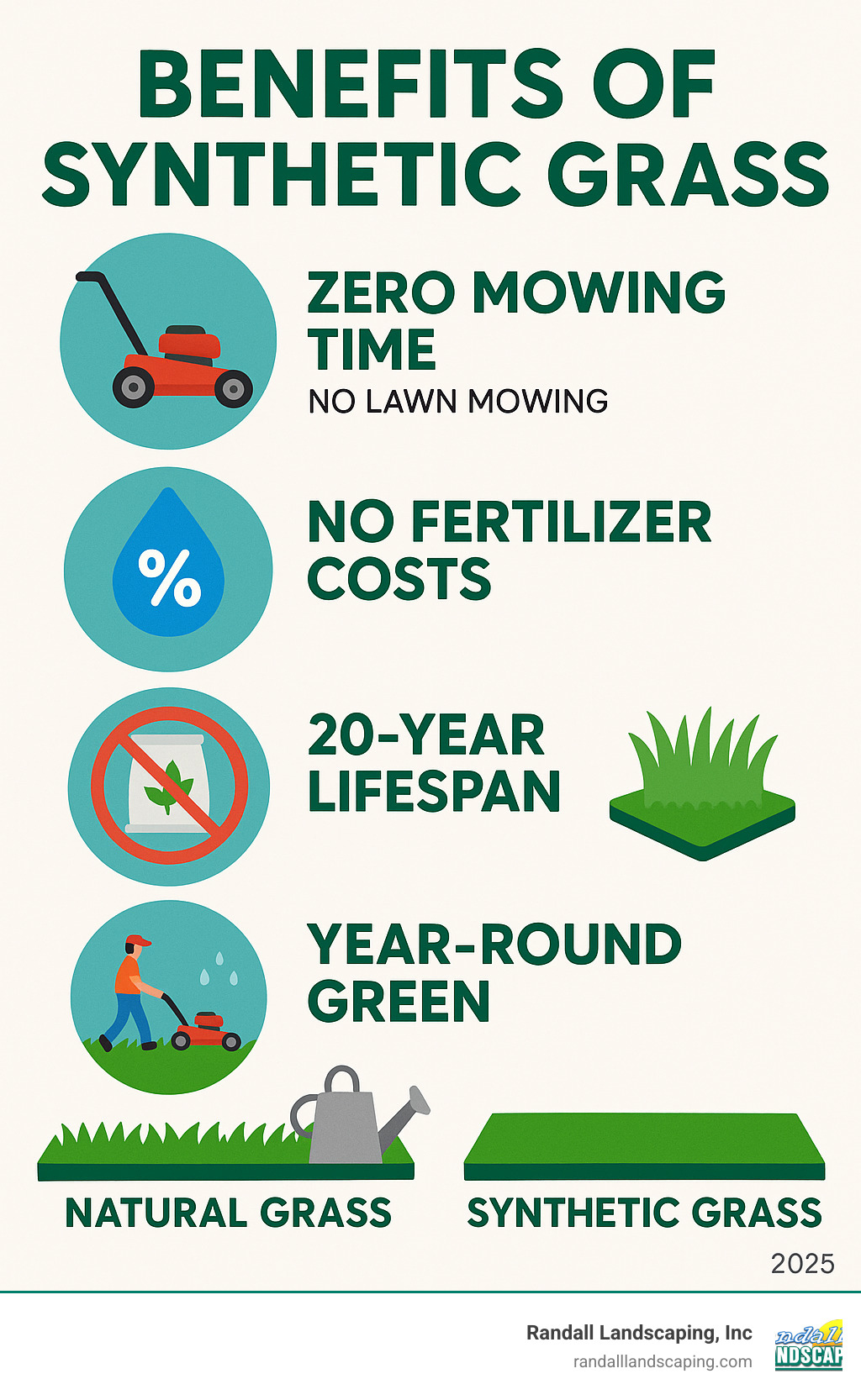
- No weekly mowing – Saves hours every weekend
- Zero watering costs – Cuts water bills by up to 70%
- Year-round green lawn – Perfect appearance in all seasons
- Pet and child-friendly – Safe, non-toxic surfaces
- 20-year lifespan – Lasts up to two decades
Installation Overview:
- Remove existing grass and excavate 3-4 inches
- Install a crushed stone base and compact it thoroughly
- Roll out turf, seam sections, and secure the edges
- Add infill and brush fibers upright
- Enjoy your maintenance-free lawn
The shift toward synthetic grass has grown rapidly. As one industry expert notes, “Artificial turf can be a water and money-saving investment for homeowners” – especially in New England where harsh winters damage natural lawns.
While professional installation typically costs $8-20 per square foot, a DIY approach can cut costs in half. While it requires planning and effort, most homeowners can finish a standard yard in 2-3 days.
I’m Tommy Randall, owner of Randall Landscaping Business, and I’ve helped Massachusetts and New Hampshire homeowners create beautiful outdoor spaces since 2006. While we specialize in natural lawn installation and maintenance, I’ve guided many clients through synthetic grass installation near me decisions and understand the benefits and challenges of this trend.
Simple synthetic grass installation near me glossary:
Planning Your Synthetic Grass Project
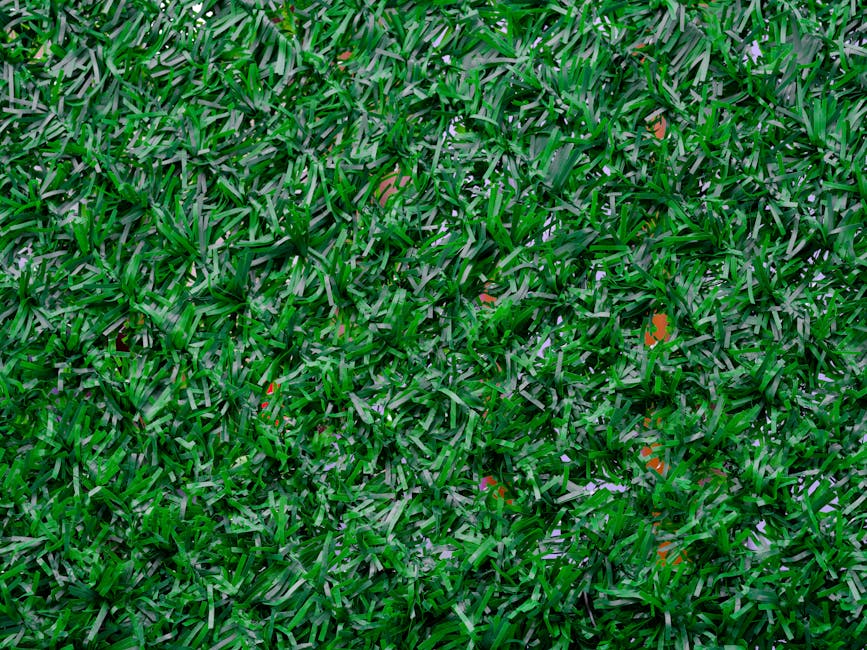
Choosing your perfect synthetic grass is the first step. This planning phase is crucial, as your decisions will affect your lawn’s look and performance for up to 20 years. When browsing samples for your synthetic grass installation near me project, you’ll see some key terms:
- Pile height: The height of the grass blades. Shorter piles (20-30 mm) are great for high-traffic areas, while longer piles (38-60 mm) offer a lush look.
- Face weight: The amount of yarn per square yard. Higher numbers generally mean better quality and a denser feel.
- Turf density: How tightly packed the grass blades are. Denser turf looks fuller and handles wear better.
- Backing material: The turf’s foundation, usually polyurethane or latex. It must be durable enough for New England’s freeze-thaw cycles and allow for proper drainage.
- Infill options: The sand, rubber, or organic material brushed into the fibers to help them stand upright and provide cushioning.
For readers who want a deeper dive into how modern turf is manufactured, the Artificial turf article on Wikipedia offers a helpful technical overview.
For complex projects integrating synthetic grass into a larger design, consider our landscape design services to create a cohesive outdoor space.
Understanding the Cost of Synthetic Grass
Understanding the costs of your project helps you budget effectively. Key cost factors include:
- Material costs: Basic turf can start around $2 per square foot, while premium options can be $5 or more. The difference is in appearance, feel, and durability.
- Base material costs: Crushed stone for the foundation typically runs $1-2 per square foot.
- Tool rental: A plate compactor might cost $50-80 per day, and a sod cutter $40-60 per day.
- Project size: Larger projects often have a lower per-square-foot cost.
When discussing average pricing, it’s important to note that these figures are based on general internet data and not specific costs for Randall Landscaping services. Based on various online sources, total installed costs for synthetic grass typically range from $5 to over $20 per square foot, with premium installations sometimes reaching $25 per square foot or more. Your actual costs may vary significantly based on site conditions, turf selection, and local factors.
Tools and Materials You’ll Need
Here are the tools and materials you’ll need:
- Essential tools: Sod cutter, shovel, wheelbarrow, measuring tape, rake, and a plate compactor (renting is recommended). You’ll also need a sharp utility knife with extra blades, seaming tape, adhesive, 6-inch galvanized stakes, and a power broom.
- Materials: Your chosen synthetic grass, infill material, and base aggregate.
A sharp utility knife is essential, as dull blades make for ragged, frustrating cuts.
Choosing the Best Turf for Your Needs
The type of fiber in your synthetic grass makes a big difference in performance.
- Nylon: The premium option, incredibly durable and resilient, perfect for high-traffic areas.
- Polyethylene: Offers the best balance of durability, appearance, and cost for most homeowners.
- Polypropylene: A budget-friendly choice often used for applications like putting greens.
For pet-friendly turf, look for products with improved drainage and antimicrobial properties. For children’s play areas, prioritize soft, cushioned options. Always choose UV-stabilized products to prevent fading and ensure your investment stays green for years.
The Complete DIY Synthetic Grass Installation Guide
Ready to transform your yard? This guide will walk you through your synthetic grass installation near me project step by step.
Step 1: Preparing the Area for Your Synthetic Grass Installation Near Me
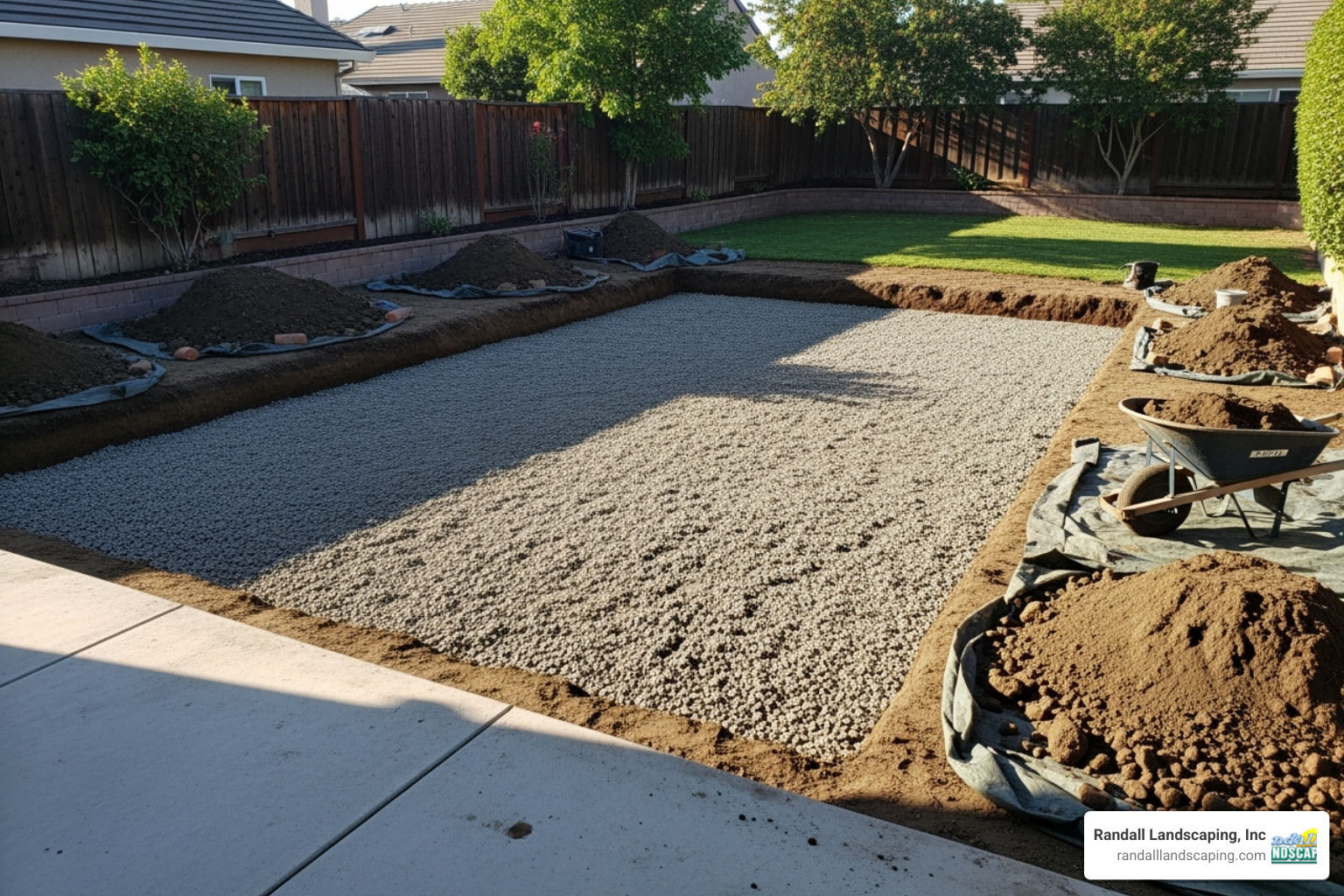
Proper preparation is the foundation for a professional-looking result. First, remove existing grass. A sod cutter is highly recommended for this, especially for larger areas. Next, excavate 3-4 inches of soil to make room for the base material.
Proper grading is critical for drainage. Create a gentle slope of 1-2% away from your house to guide water away from the foundation. A well-drained synthetic lawn avoids the soggy patches common with natural turf.
Finally, perform a weed barrier installation. Lay down permeable weed barrier fabric, overlapping the seams by at least 6 inches to prevent weeds from growing through.
If you need help with site preparation, our professional sod installation services can ensure a perfect start.
Step 2: Building a Solid Base
A solid base is crucial to prevent dips and bumps. Start by laying the sub-base using a crushed aggregate like limestone or granite. Spread a 2 to 4-inch layer evenly across the excavated area and level it with a rake.
Lightly water down the base to help with compaction. Then, compact the base with a plate compactor, going over the entire area multiple times in different directions. The goal is a smooth, solid foundation that is hard to the touch. This meticulous work prevents the turf from settling unevenly.
If you appreciate this level of precision, you might be interested in our hardscaping services, which use similar principles.
Step 3: Rolling Out and Fitting the Turf
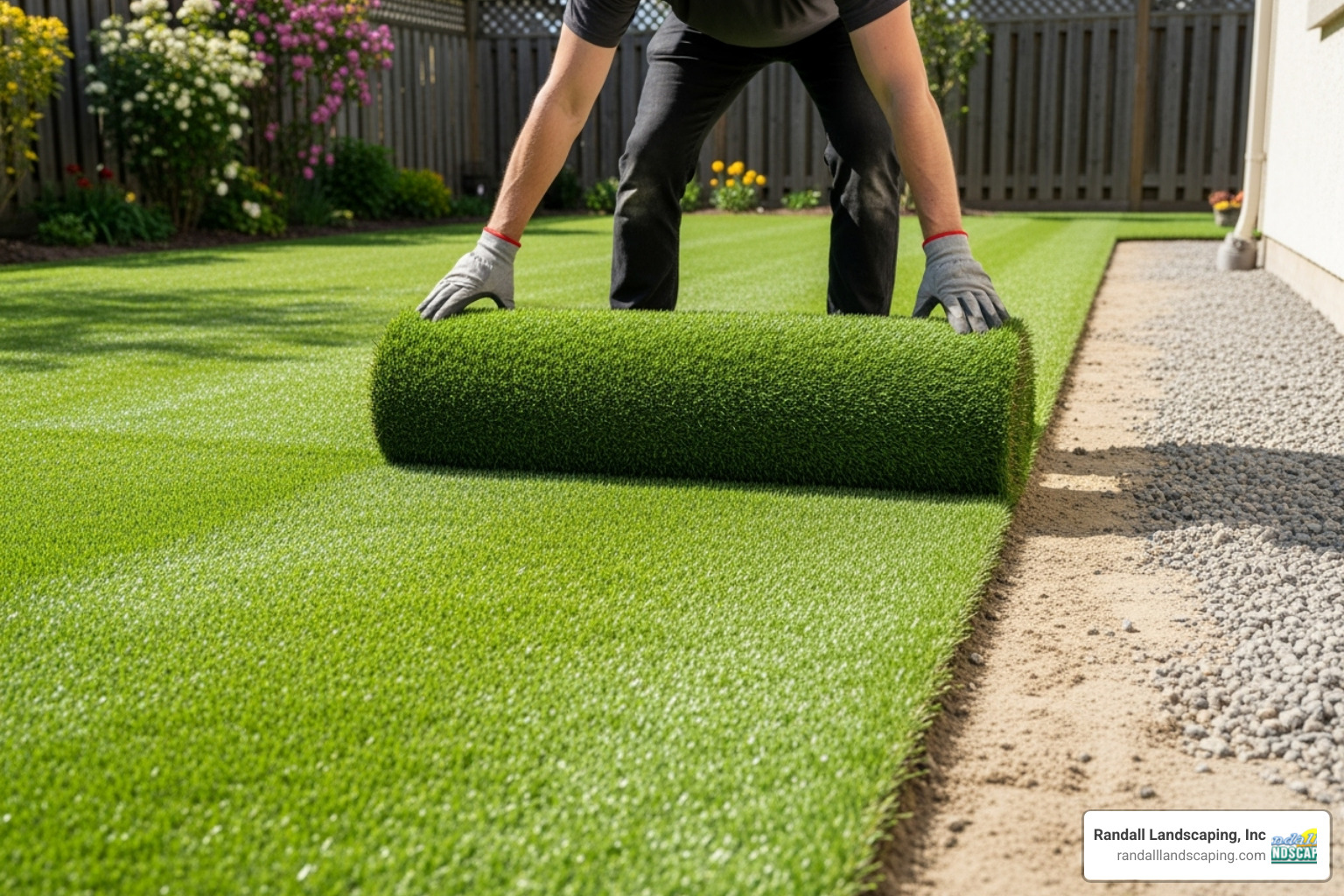
Now it’s time to roll out the turf. If possible, acclimate the turf by unrolling it for a few hours before installation to help minimize wrinkles. Position the grass roll carefully, starting at one edge and unrolling slowly.
Ensuring the grain direction is consistent is critical. All pieces must have their grain facing the same way for a uniform appearance. Make small relief cuts to help the turf lay flat around curves and obstacles. Finally, trim the edges with a utility knife, using a sharp blade for clean, precise cuts.
Step 4: Seaming and Securing Your New Lawn
Creating invisible seams is key when using multiple turf pieces. Join turf sections by laying adjacent pieces so their edges meet perfectly, with no gaps or overlaps.
Fold back the edges and apply seaming tape on the base, centered where the pieces will meet. Apply turf adhesive evenly across the tape. Carefully fold the turf edges back over the adhesive, pressing firmly to create an invisible seam. Walk along the seam to ensure a strong bond.
Securing the perimeter with 6-inch galvanized stakes every 6-12 inches to prevent the turf from shifting or lifting.
Step 5: Applying Infill and Finishing Up
Applying infill is the final step to give your lawn a full, natural look. First, choose your infill type. Silica sand is a popular, cost-effective option, while specialized infills like zeolite can help control pet odors.
Spread the infill evenly using a drop spreader, aiming for about 1-2 pounds per square foot depending on your turf’s pile height. As you spread, use a stiff-bristled broom to brush the fibers upright and work the infill down into the turf.
For the best results, use a power broom for a professional finish. This tool properly settles the infill and ensures every blade stands tall for a pristine look.
Maintaining Your Artificial Lawn for Year-Round Beauty
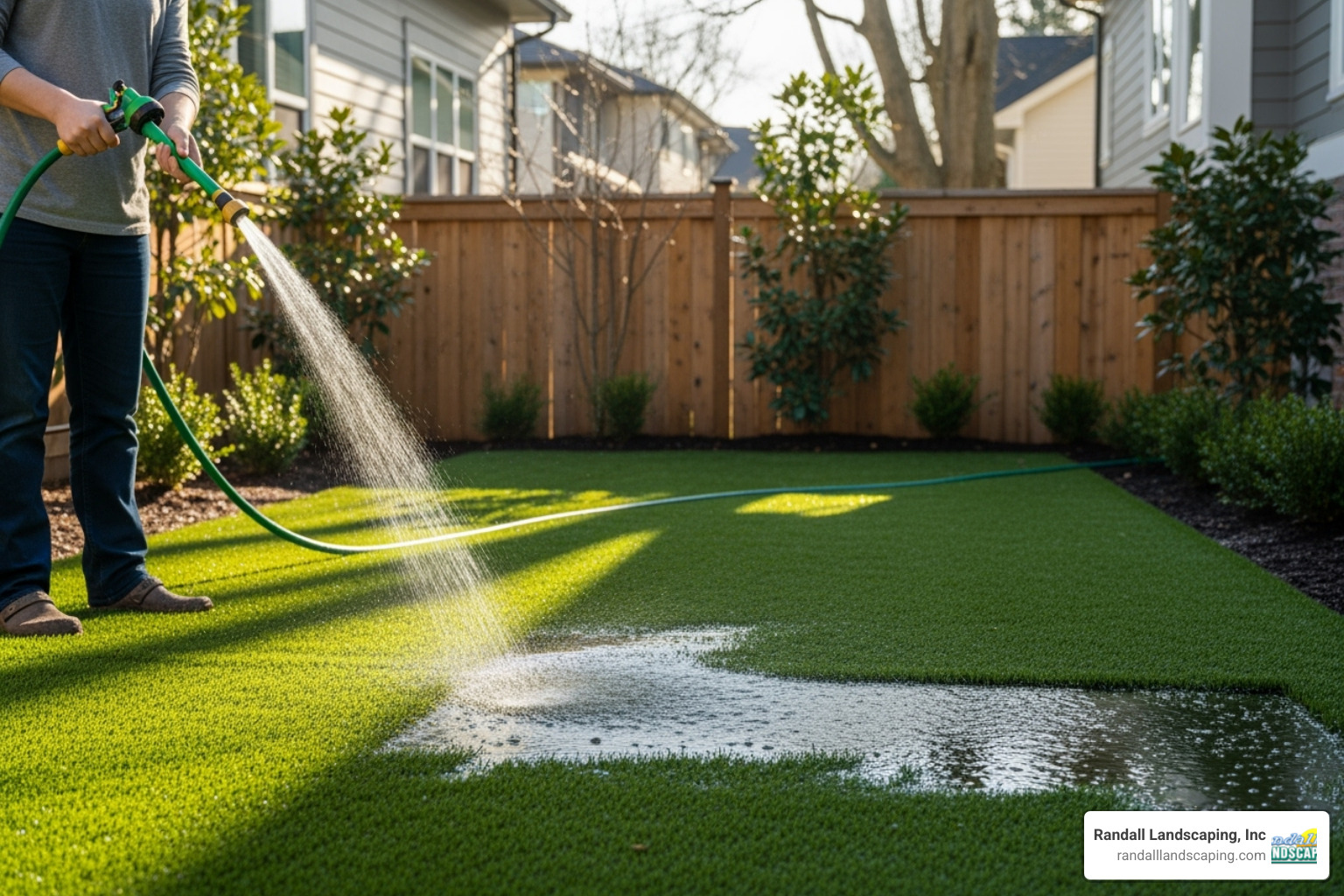
While synthetic grass is low-maintenance, routine care is needed to keep it looking pristine for years.
Routine Cleaning
- Remove Leaves and Debris: Use a leaf blower or a plastic rake to clear away leaves and twigs.
- Light Rinsing: A periodic rinse with a garden hose will wash away dust and pollen, keeping the fibers fresh. Normal rainfall is often sufficient.
- Brush High-Traffic Areas: Periodically use a stiff broom to brush against the grain in high-traffic areas. This fluffs the fibers and maintains a lush appearance.
How to Handle Stains and Pet Waste
Prompt action is key to handling stains and pet waste.
- Pet Urine and Waste: Remove solid waste promptly and hose down the area thoroughly. For persistent odors, a 50/50 mixture of white vinegar and water can be effective. Regular rinsing of pet areas is crucial.
- Minor Spills: For spills like soda or coffee, blot the excess liquid and clean the area with a mild detergent solution. Rinse thoroughly with clean water.
- Stubborn Stains: For oil-based stains, use mineral spirits sparingly on a cloth to blot the area, then rinse. For chewing gum, freezing it with an aerosol refrigerant can make it brittle enough to scrape off. Always consult your turf manufacturer’s cleaning recommendations.
Synthetic Grass in a Four-Season Climate
Synthetic grass is engineered to perform well in the diverse weather of the Merrimack Valley and Southern New Hampshire.
- Heat and Sun: Quality turf is UV-stabilized to resist fading. While it can get warm on hot days, it won’t brown like natural grass.
- Snow and Ice: Synthetic grass handles snow and ice well without cracking or becoming brittle. You can let light snow melt or use a leaf blower. For heavier snow, use a plastic snow shovel.
- Avoid Metal Shovels: Never use a metal shovel on your turf, as it can damage the fibers or backing.
- Year-Round Usability: Your lawn remains green and usable all year, with no muddy patches in spring or bare spots in winter.
Frequently Asked Questions about Synthetic Grass Installation
Here are answers to common questions about synthetic grass installation near me.
How long does synthetic grass last?
Quality synthetic grass can last 15 to 20 years with proper care. The lifespan depends on several factors:
- Product quality: Premium turf with dense fibers and strong backing lasts longer.
- Installation quality: A well-prepared base and proper seaming are essential for longevity.
- Foot traffic: High-traffic areas may show wear sooner than less-used parts of the lawn.
- Maintenance: Basic care like rinsing and brushing will extend the life of your turf.
Is synthetic grass environmentally friendly?
While manufacturing has an environmental impact, the long-term benefits of synthetic grass are significant.
- Water conservation: Eliminating the need for watering saves thousands of gallons of water annually, a major benefit during New England’s summer droughts.
- No chemicals: You’ll no longer need pesticides or fertilizers, preventing chemical runoff into groundwater.
- Reduced emissions: Say goodbye to carbon emissions from gas-powered lawn equipment.
While end-of-life recycling is still developing, the industry is making progress. Compared to 20 years of watering, fertilizing, and mowing a natural lawn, synthetic grass is often the more eco-friendly choice.
What kind of warranty can I expect for a synthetic grass installation near me?
Understanding the two types of warranties—product and installation—is crucial.
- Product warranties come from the manufacturer and typically cover defects, excessive UV fading, and material deterioration for 8 to 15 years.
- Installation warranties cover the workmanship, such as base preparation and seaming. A professional installer should guarantee their work. For a DIY project, you are the installer, so success depends on following the correct procedures.
When reviewing a warranty, check the coverage for UV degradation and manufacturing defects. Always get the warranty in writing and understand what actions might void it.
Conclusion: Is a DIY Installation Right for You?
A DIY synthetic grass installation near me project is a major undertaking, but the rewards are significant. You can save thousands on labor and gain the satisfaction of creating a beautiful lawn yourself. However, the project is physically demanding, requiring heavy lifting, excavation, and precise work. A standard yard can take 2-3 full days, not including potential delays.
When DIY makes sense: If you enjoy hands-on projects, have a smaller area (under 500 sq. ft.), and can dedicate a long weekend to the task, DIY can be rewarding. The cost savings, potentially cutting your project cost in half, are a major draw.
When to call the professionals: For larger projects, complex landscapes, or when you need guaranteed results, professional expertise is invaluable. At Randall Landscaping, we’ve seen DIY projects that needed professional rescue due to issues like a poorly compacted base or visible seams.
Our team brings years of experience and commercial-grade equipment to every synthetic grass installation near me project. We serve homeowners throughout the Merrimack Valley and Southern New Hampshire, including Amesbury, Andover, Atkinson, Boxford, Dracut, Georgetown, North Andover, North Reading, Pelham, Salem, Windham, Methuen, Lawrence, and Plaistow.
Whether you choose the DIY route or professional installation, the goal is a beautiful, maintenance-free lawn. For a professional assessment and flawless New Lawn Installation, contact our team today. We’re here to help you achieve the outdoor space of your dreams.